
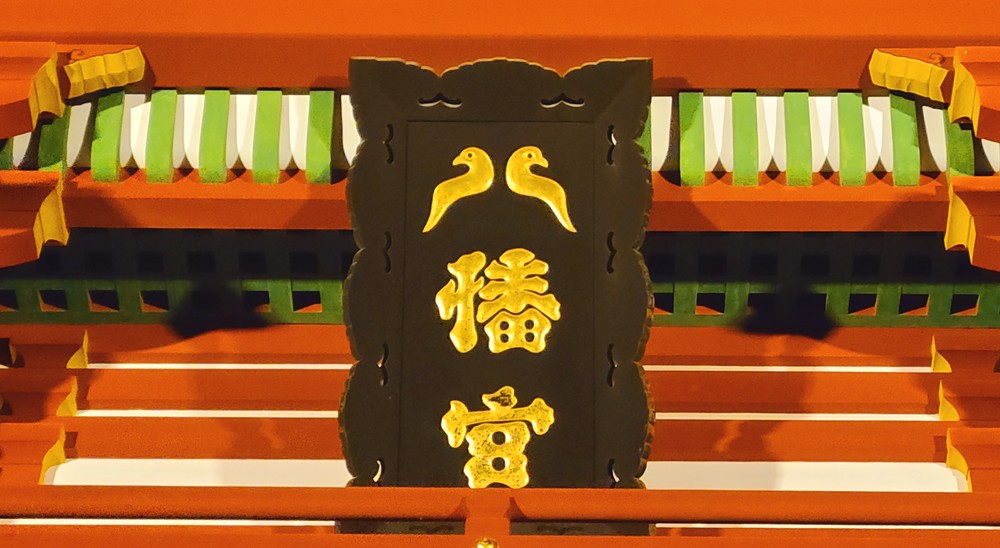
鶴岡八幡宮の例大祭の中心となる「神幸祭」は、毎年9月15日に行われる伝統行事です。
神輿が鎌倉の町を巡り、800年以上の歴史を今に伝えます。
鶴岡八幡宮 神幸祭 とは
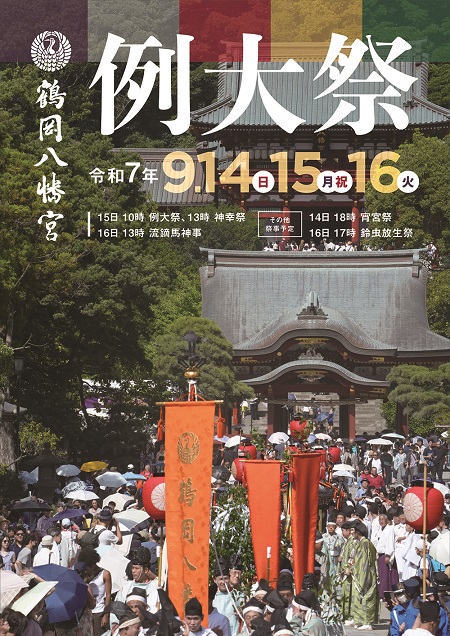
毎年9月14日から16日までの3日間、例大祭が盛大に執り行われます。『吾妻鏡』によれば、文治3年(1187)8月15日に放生会と流鏑馬が始行されたとあり、これが例大祭の始まりとなります。以来絶えることなく800年以上の歴史と伝統が現在に伝えられており、一年を通して最も重い祭事です。神社本庁より幣帛(へいはく)を奉る献幣使(けんぺいし)を迎え、宮司以下神職、巫女、八乙女(やおとめ)が奉仕し、大勢の参列者を迎えて厳かに執り行われます。神前には鈴虫も供えられ、静粛な空気の内にも秋らしい虫の音が響きます。
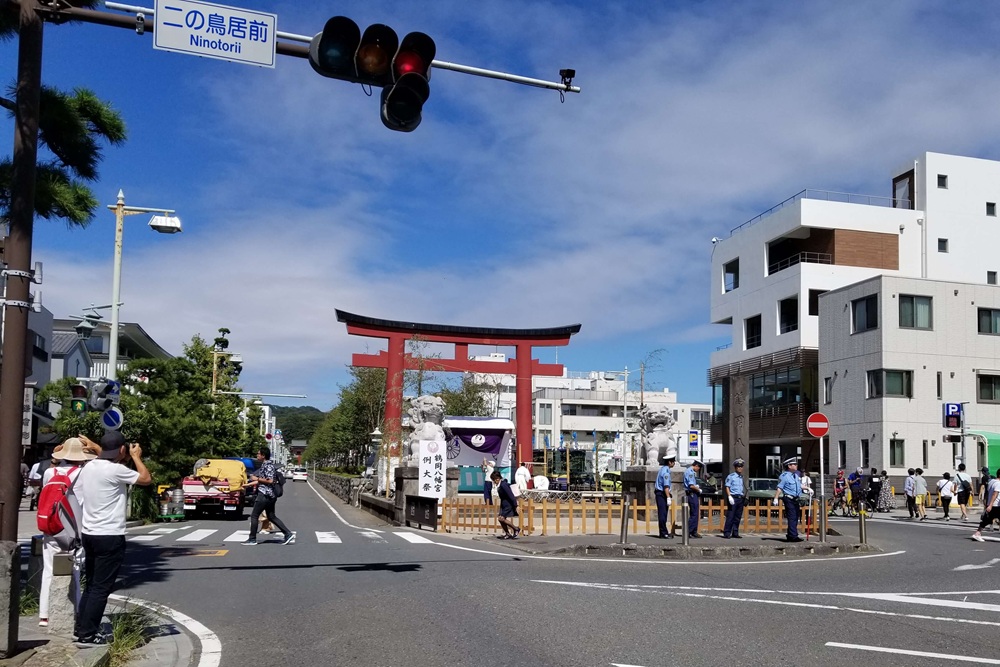
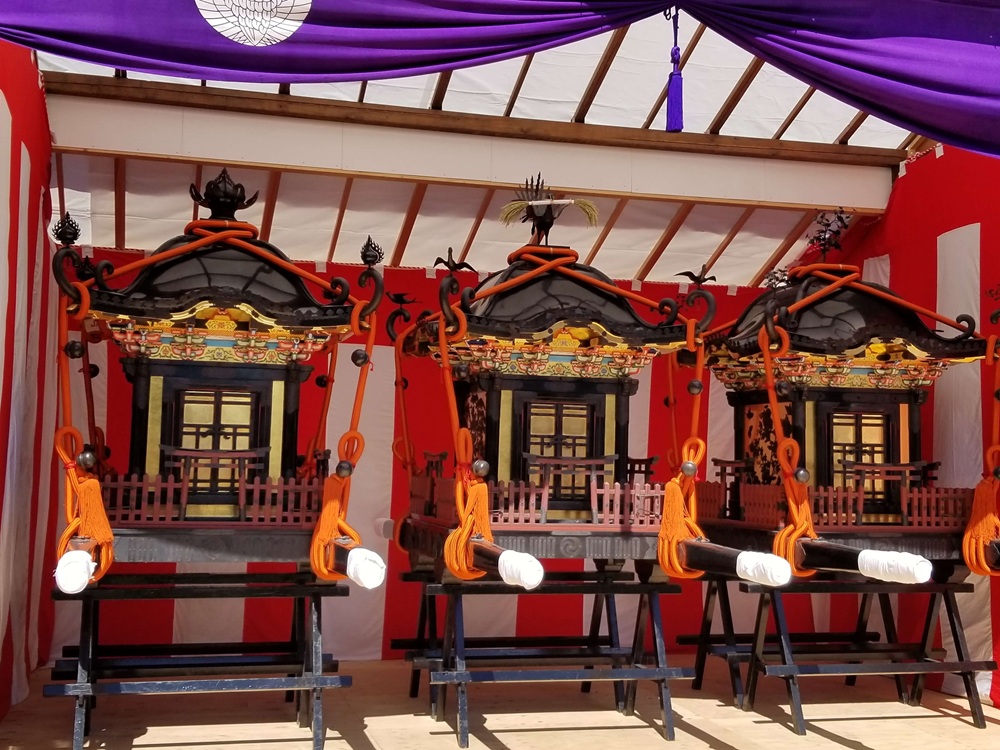
9月15日の神幸祭は、大神様を神輿(みこし)にお遷しして氏子区域を親しくお渡りいただくお祭です。氏子により神輿3基を担ぎ、宮司以下神職、錦旗、神馬、高張提灯、太鼓、盾、弓矢などからなる数百メートルの行列が若宮大路を二ノ鳥居まで進みます。二ノ鳥居の下には御旅所(おたびしょ)が設けられ、緑の千早、緋袴姿の八乙女たちによる八乙女舞が奉納されます。(出典:鶴岡八幡宮ホームページ)
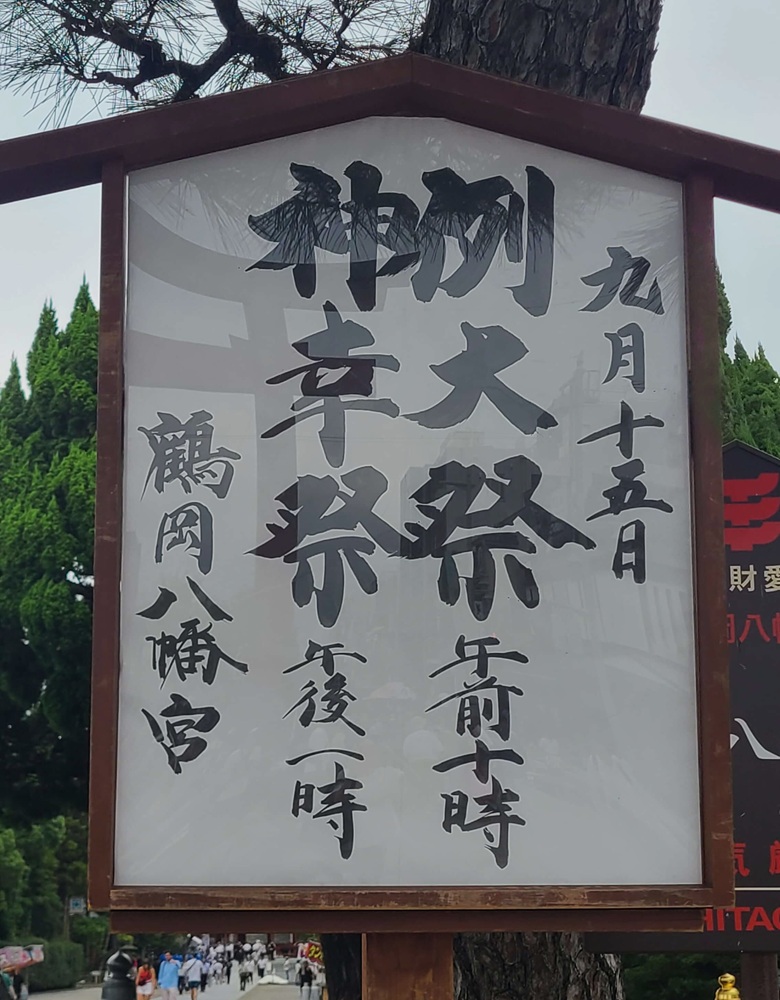
鶴岡八幡宮 神幸祭 開催時間
13時から 神幸祭
13時から始まりますので、その前に鶴岡八幡宮に到着しておくのがベストです。
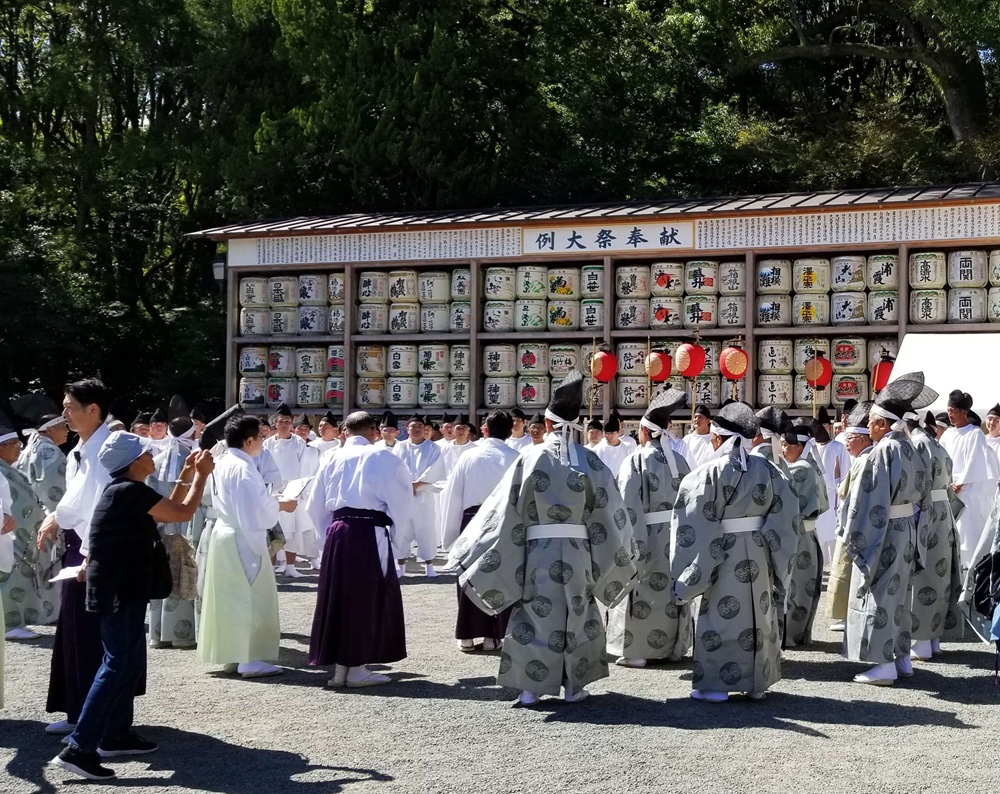
写真は2019年のものですが、境内で始まるのを待っていると、舞殿に神職たちが徐々に集まりだしました。
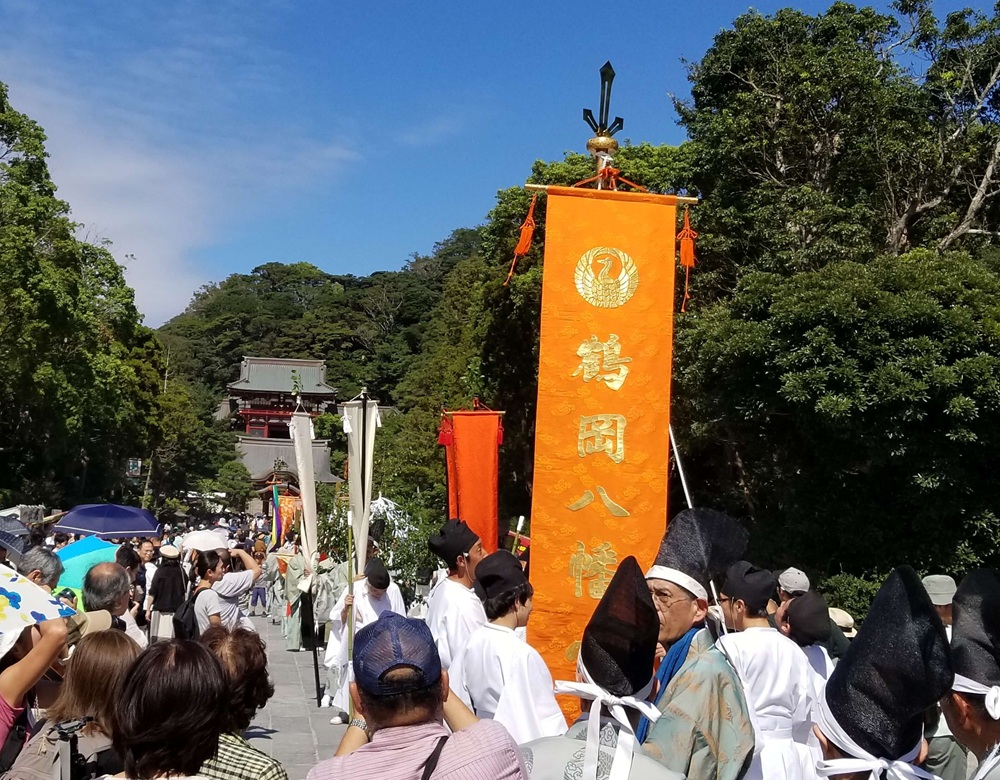
担がれる3体の神輿ですと舞殿横の状況です。
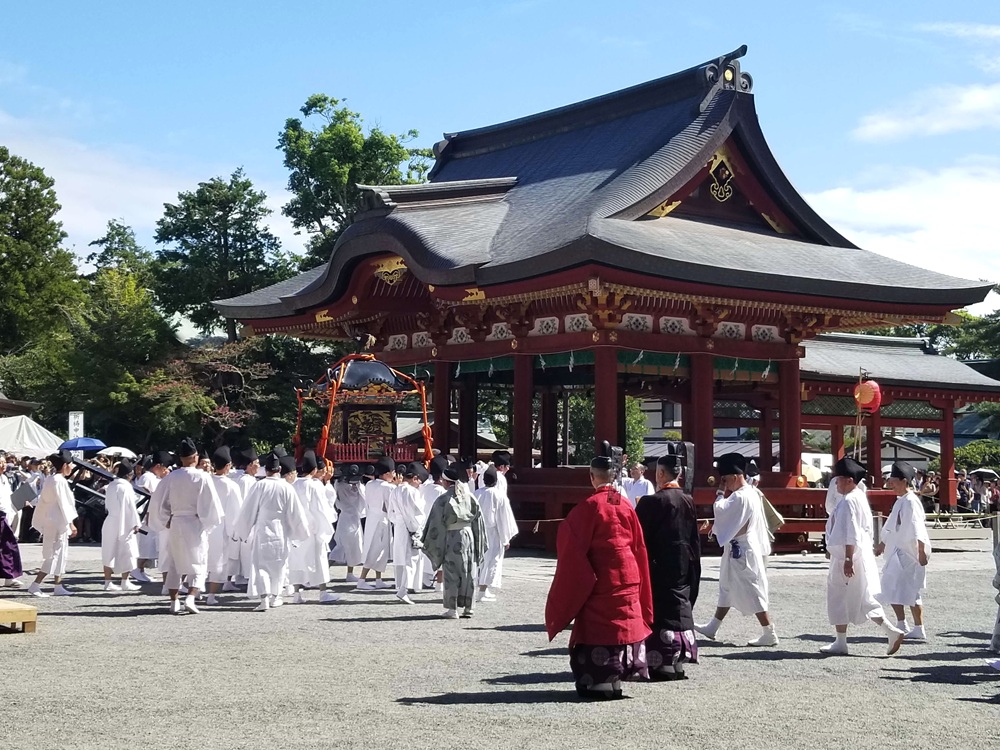
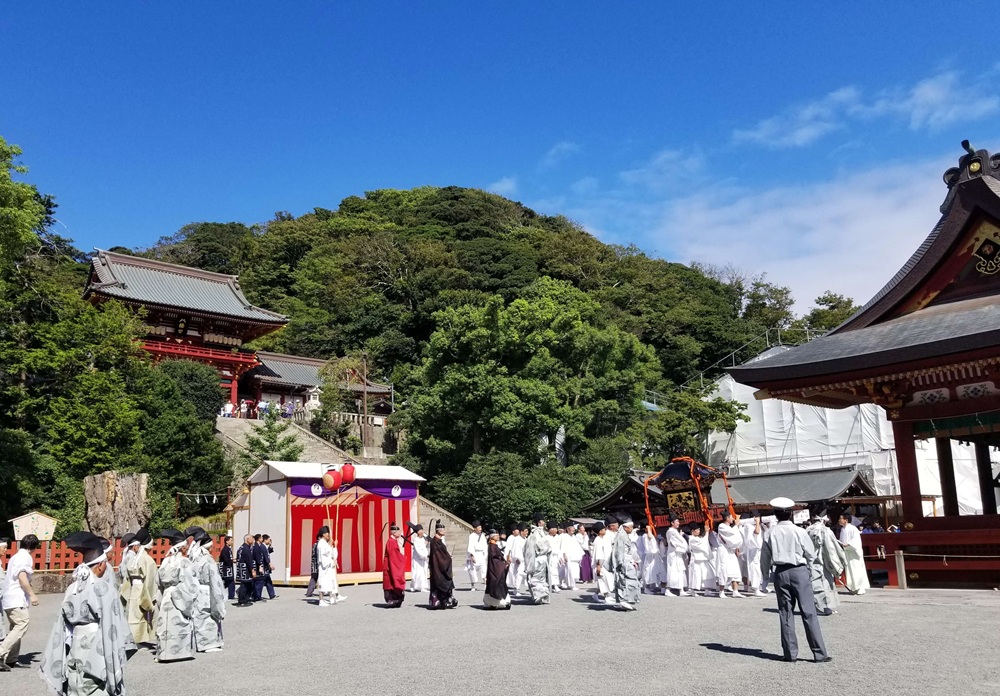
参道には馬が登場。馬を近くで見ると大きいなと感じます。また馬の糞を始末する人が後ろにちゃんといることに気づきました。
その馬に神職が乗馬し、13時40分頃スタートしました。
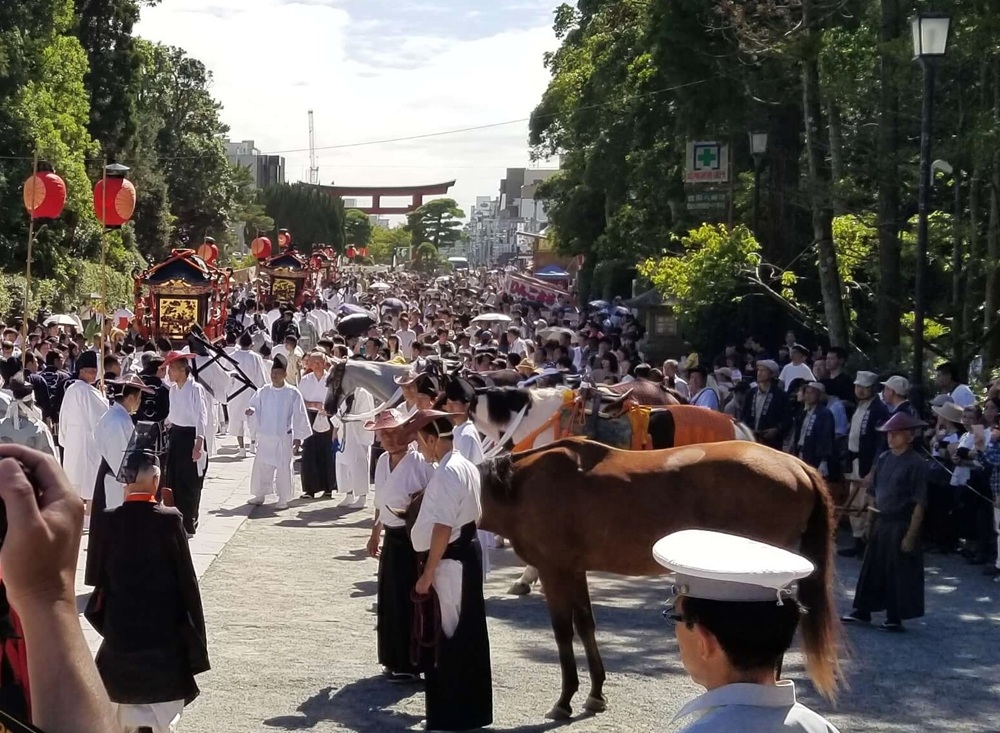
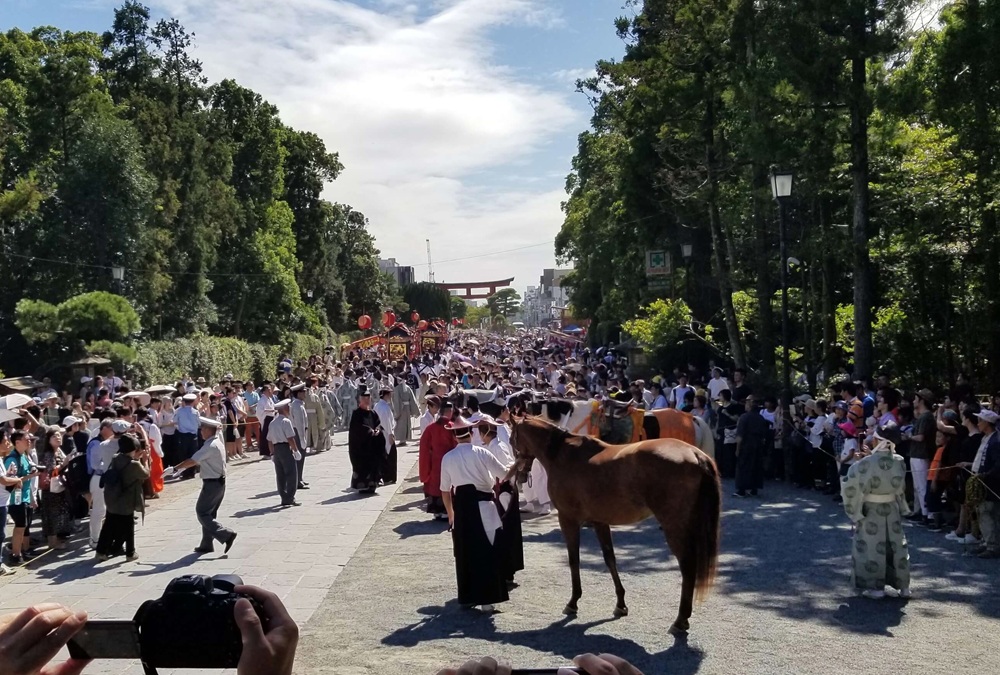
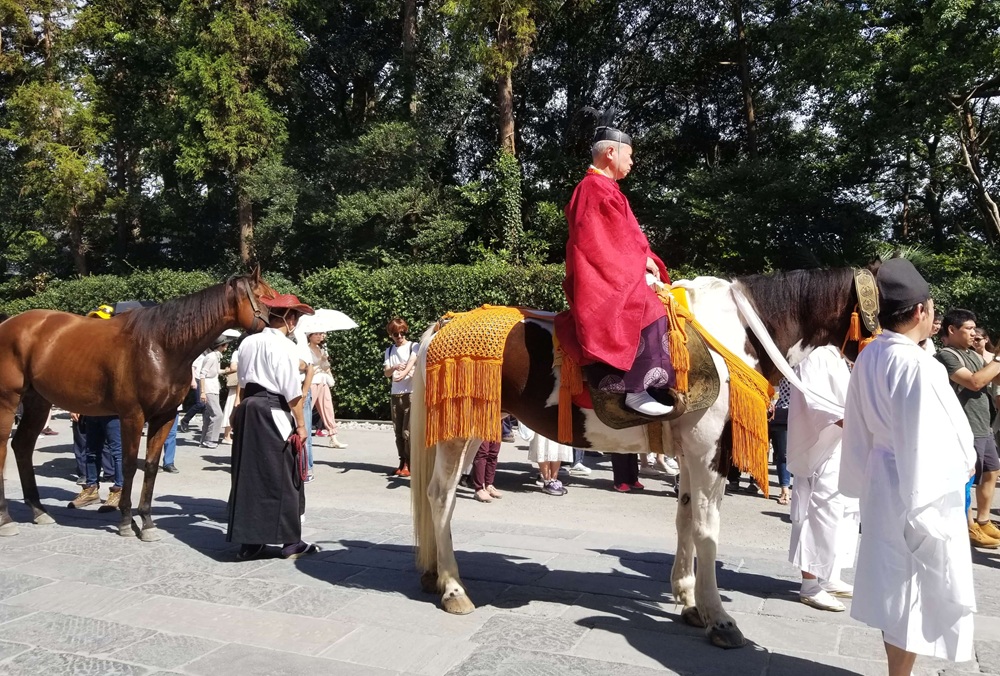
一緒にゆっくりと歩いて行くのをお勧めします。
二ノ鳥居まで巡幸し、また戻ってくるまでゆっくり見学できます。
八乙女の少女たちも二の鳥居まで歩きます。
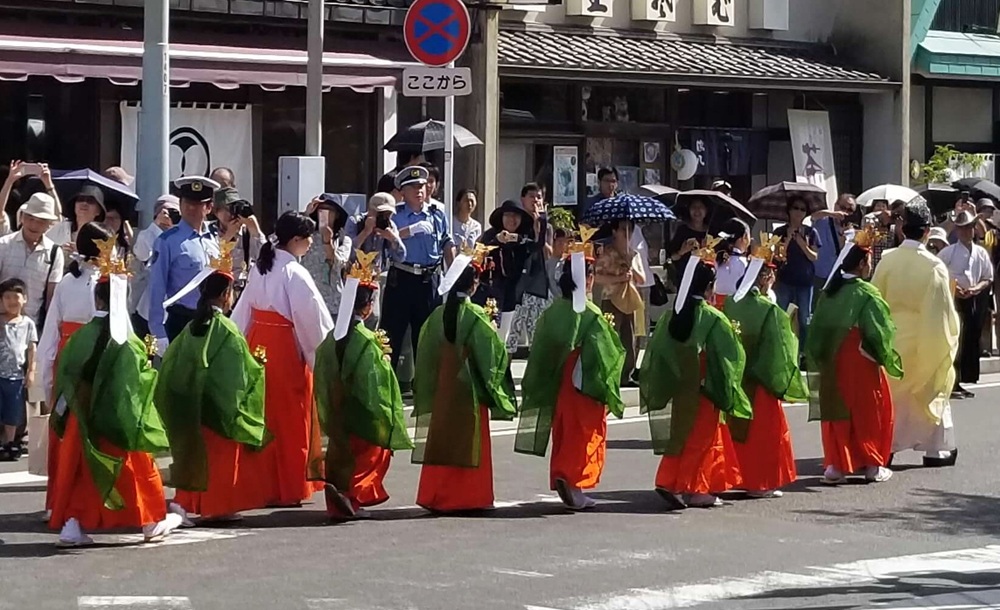
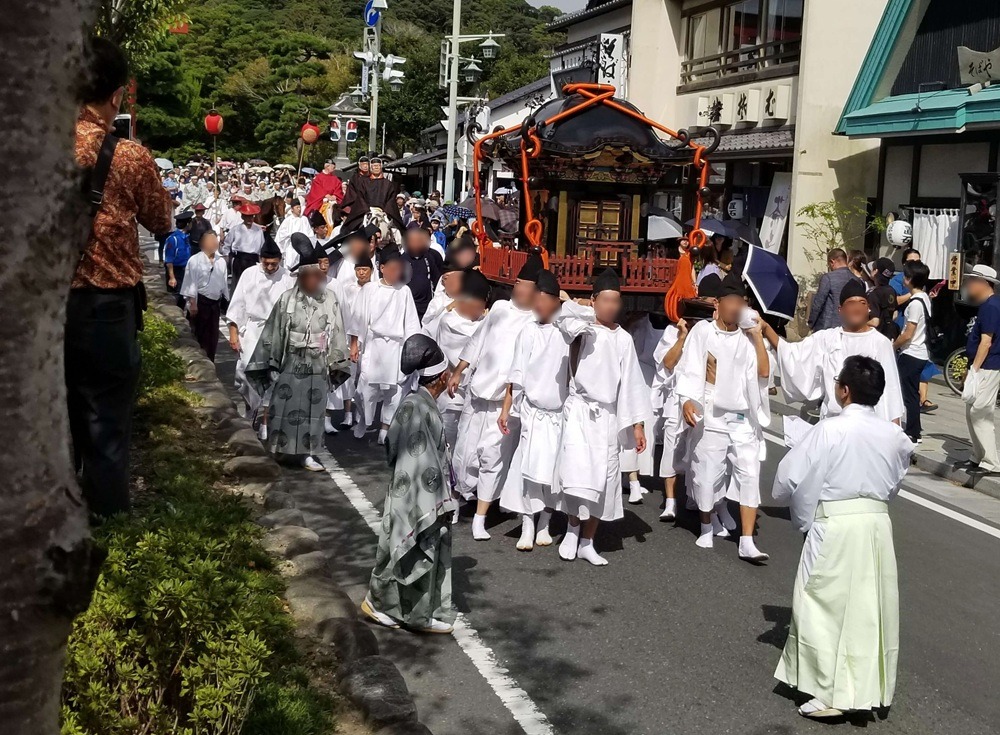
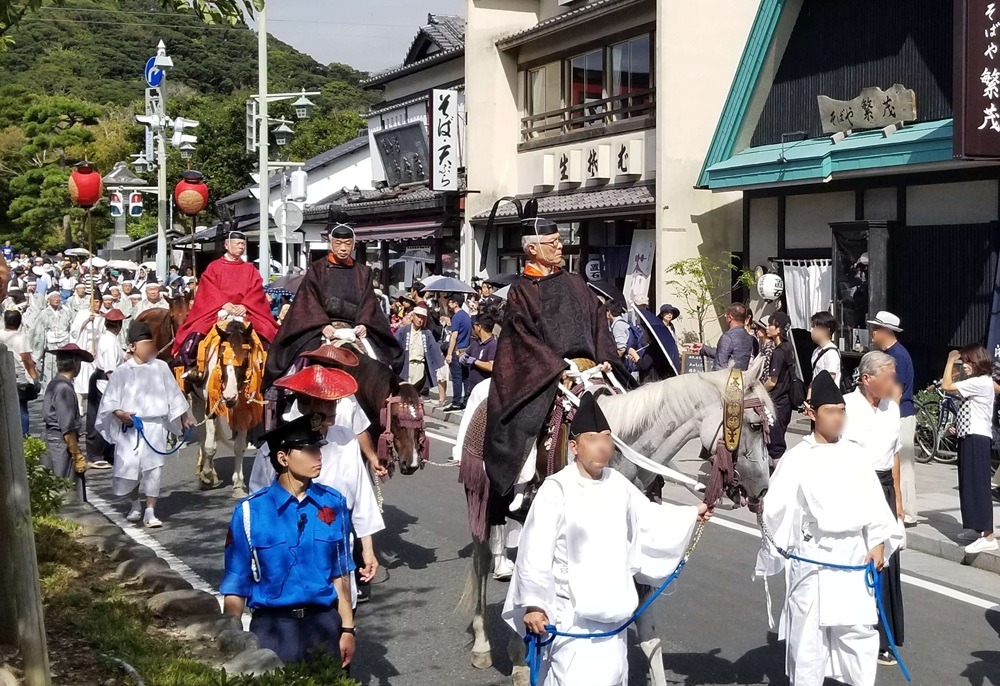
この後は、二の鳥居で「八乙女の舞」などが執り行われ、また鶴岡八幡宮に戻ってきます。
翌日の「流鏑馬神事」のお勧め時間もブログに書いていますのでぜひご覧ください。
👉 2025.9.16 鶴岡八幡宮|流鏑馬神事を見るお勧め時間と注意点
その他お役立ち情報
アクセス
鶴岡八幡宮
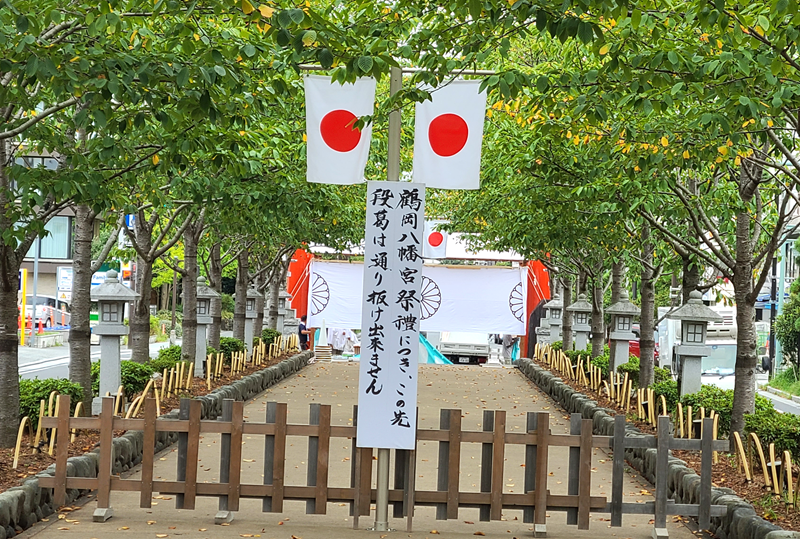
鎌倉駅東口を出て、小町通りを通るか、まっすぐ歩いて若宮大路から段葛を通るのがお勧めです。
歩いて10分程度です。
開門・閉門時間 通年:6時〜20時
神奈川県鎌倉市雪ノ下2-1-31
鶴岡八幡宮社務所 TEL: 0467-22-0315
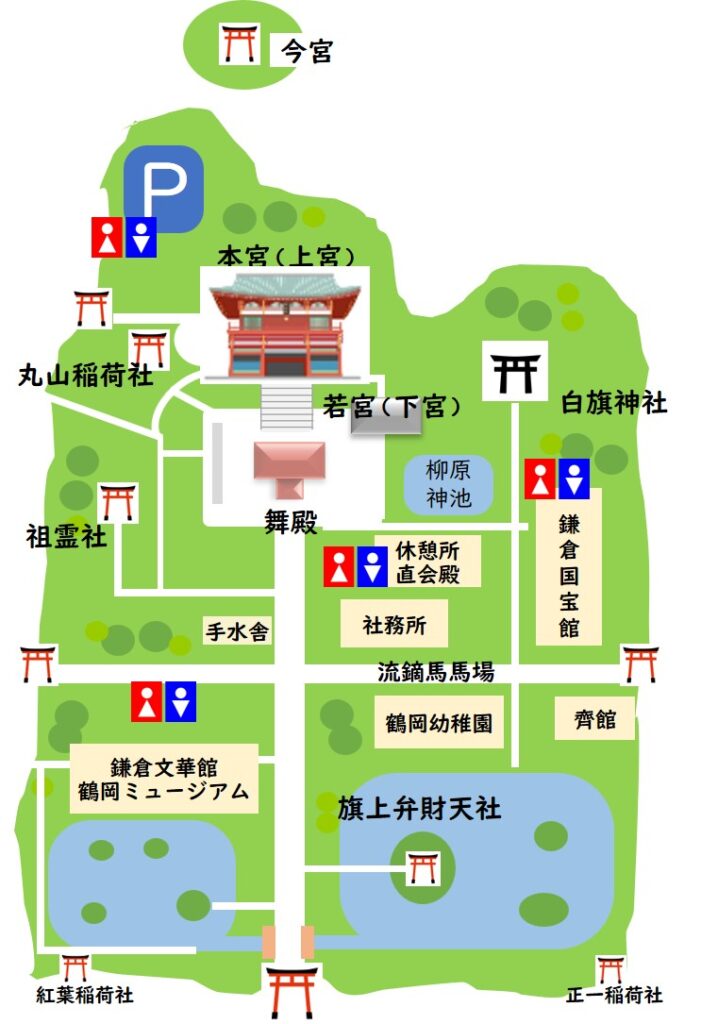
化粧室
鶴岡八幡宮の化粧室の場所です。
舞殿の横の休憩所の化粧室はいつも混んでいます。
流鏑馬馬場にある化粧室のほうが若干空いているきがしますが、奥の駐車場の化粧室が一番空いている可能性が高いです。
国宝館の奥にも化粧室があります。
ここはほとんど人がいないですが、国宝館を利用した人のみが利用可能となっています。
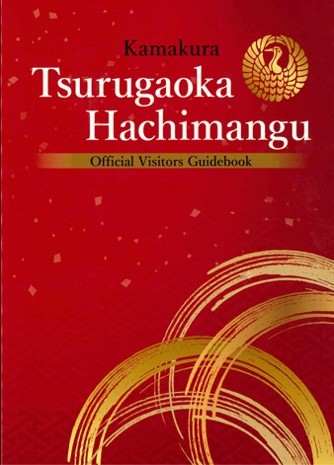
英語ガイドブック
英語の鎌倉&江ノ島のガイドブックです。
鎌倉と江ノ島に特化した英語のガイドブックってなかなかないですよね。エリアごとに神社仏閣とレストランなどが紹介されています。
外国の方が増えていますね。英語で鎌倉を知る、紹介できるとかっこいいですね。
鶴岡八幡宮でしか手に入らないガイドブックもありますので、ぜひ購入してみてはいかがでしょうか
まとめ
鶴岡八幡宮の神幸祭は、毎年9月15日に行われる例大祭の中心行事で、
神様を神輿にお遷しして氏子区域を巡る、鎌倉でも特に格式の高い祭事 です。
境内には神職・馬・八乙女・神輿3基が集まり、若宮大路を二の鳥居まで進む行列は圧巻です 。
行列は 13時から開始 するため、写真を撮りたい人や行列を近くで見たい人は、
12時40分〜12時50分頃に境内へ到着しておくのがベスト。
実際に2019年の様子でも、13時前から舞殿周辺に神職が集まり始め、
馬や神輿が次々と登場していました 。
二の鳥居では、緑の千早と緋袴姿の八乙女による「八乙女舞」が奉納され、
神幸祭の中でも特に美しい場面として人気があります 。
行列はゆっくり進むため、
一緒に歩きながら見学するのがおすすめ。
二の鳥居まで巡幸し、また戻ってくるまでじっくり楽しめます 。
秋の空気が心地よい9月の鎌倉で、
歴史と伝統が息づく神幸祭をぜひ体験してみてください。
鶴岡八幡宮は1年と通して祭事が執り行われています。
ブログで体験したお祭りを上げていますのでぜひご覧ください。
👉 鶴岡八幡宮の祭事
コメント