2026.1.25 常楽寺「文殊祭」は見逃せない! Don’t miss it! Monju Festival is Amazing

開催時間・お勧めポイント

開催時間:14時 (前日の24日は宵祭)

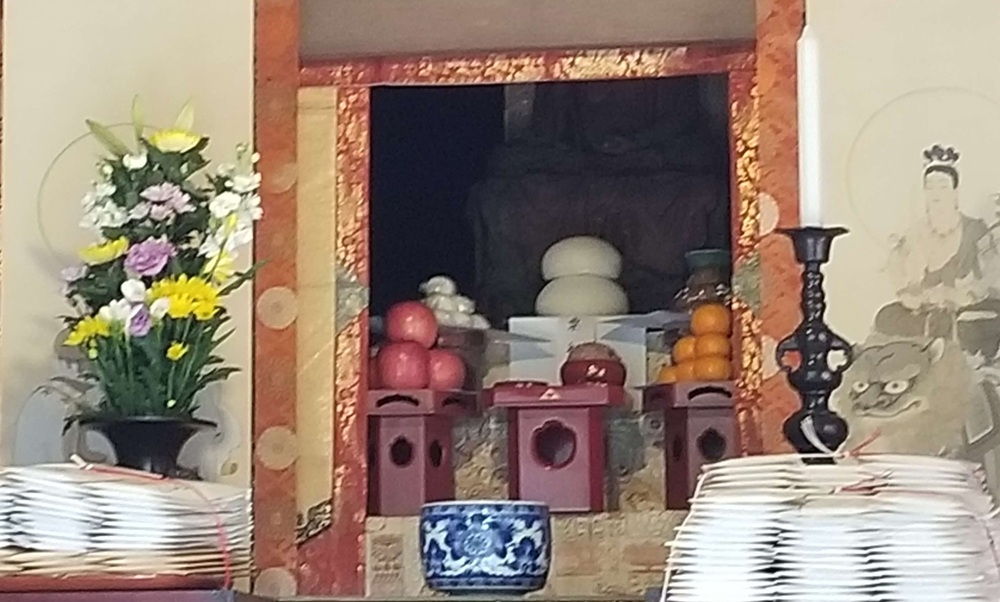
 参拝者には檀家による甘酒が振る舞われ、境内には和やかな雰囲気が広がります。ただし、秘仏である文殊菩薩像はこの日だけ御開帳されるものの、姿を近くで確認しにくい点が少し残念だとも言われていますが、少し早めに行くと始まる前に堂に上がらせていただけますので、そこで文殊菩薩を見ることができました。
 見学する場所は決して広くはないので、前の方で見るのでしたら早めについておきたいですね。譲り合って見学しましょう。
 14時から始まって、15時前には終了しました。(2020年情報)

13:36 奥に文殊菩薩
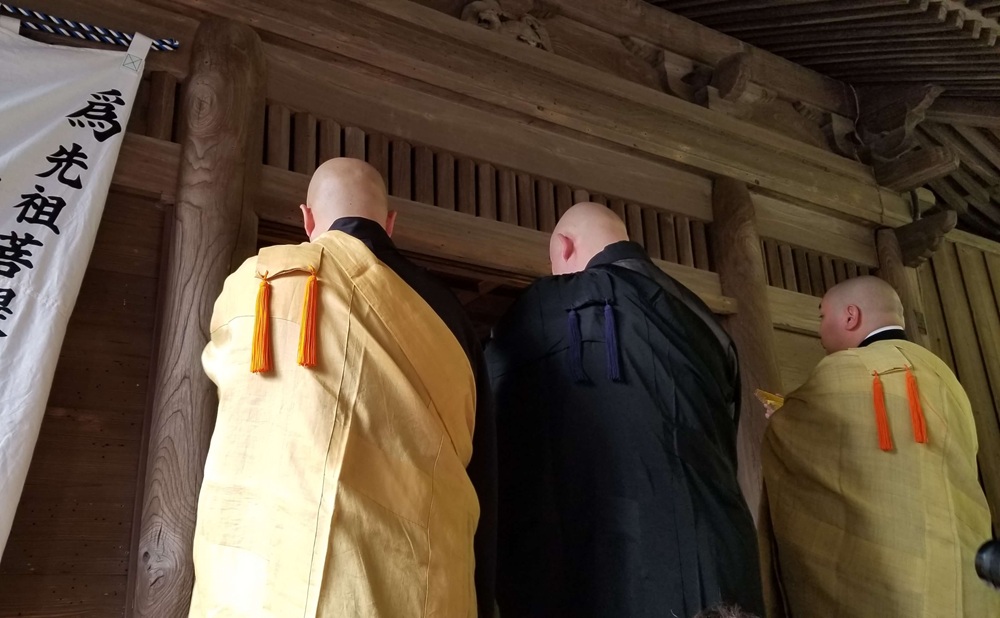
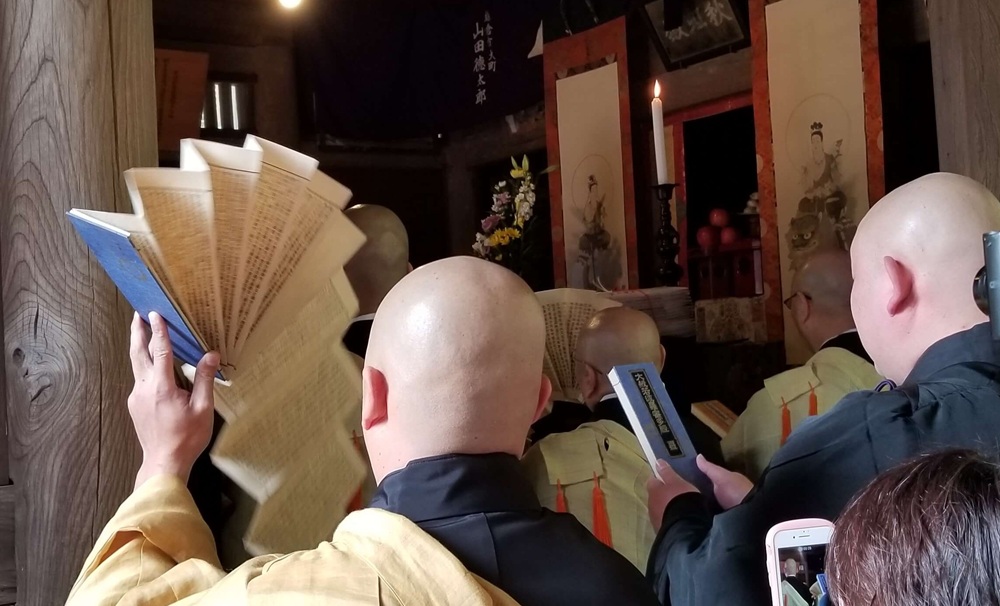
14:01 始まります
14:06
14:17

迫力ある動画もぜひ!

文殊祭とは

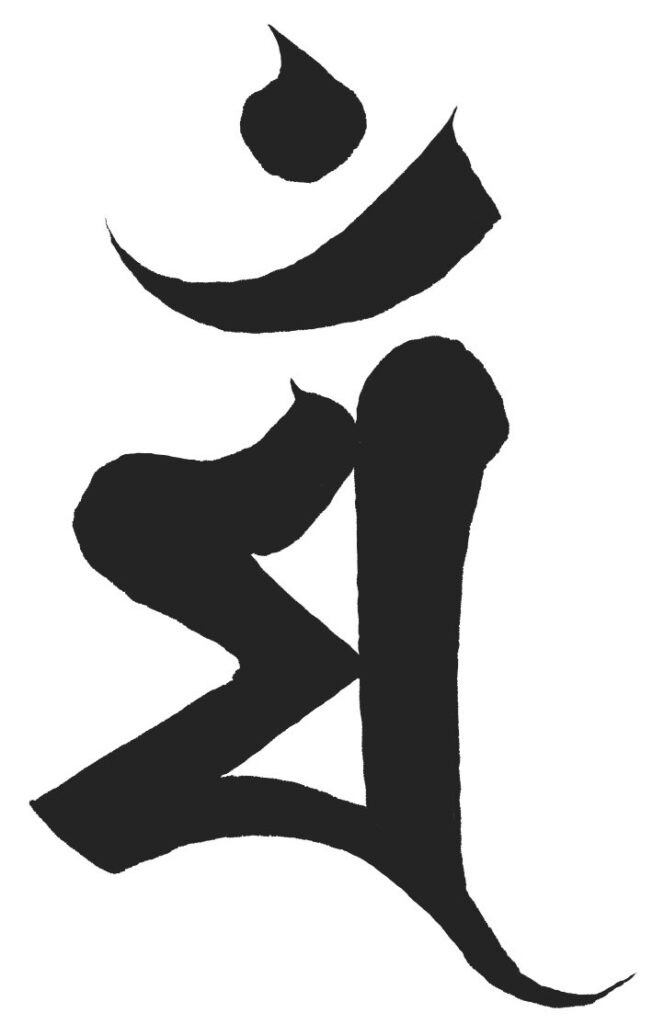
 文殊菩薩は、物事の本質を見抜く「智慧」を象徴する存在として親しまれています。「三人寄れば文殊の知恵」という言葉に示されるように、判断力や洞察力を授ける菩薩として、学問成就の祈願でも広く信仰されています。

 モデルとなる人物は実在したとされ、古代インド・コーサラ国の舎衛城に住んだバラモン出身の学識ある人物で、経典編集にも携わったと伝えられています。ただし、学問そのものを司るのは虚空蔵菩薩であり、文殊菩薩はより深い「真理を見抜く力」を象徴する点が特徴です。

 また、文殊菩薩は観音菩薩などと異なり、仏教の教えの中から形成された純粋な仏教由来の菩薩でもあります。「空」の思想に基づく智慧を体現する存在であり、この点が信仰上の個性となっています。 

 鎌倉市・大船の地に建つ臨済宗の古寺・粟船山常楽寺には、日本七文殊の一つに数えられる文殊菩薩像が安置されています。この像は、宋から渡来した蘭渓道隆が頭部を携えて来日し、身体部分は寺で自身が造ったと伝えられる珍しい作例です。通常は厨子の扉が閉ざされており、拝観できるのは年に一度だけです。
 右手に如意、左手に経巻を持つ鎌倉時代の像で、とりわけ頭部は蘭渓道隆が宋から伝えたものとされ、歴史的にも貴重な仏像です。

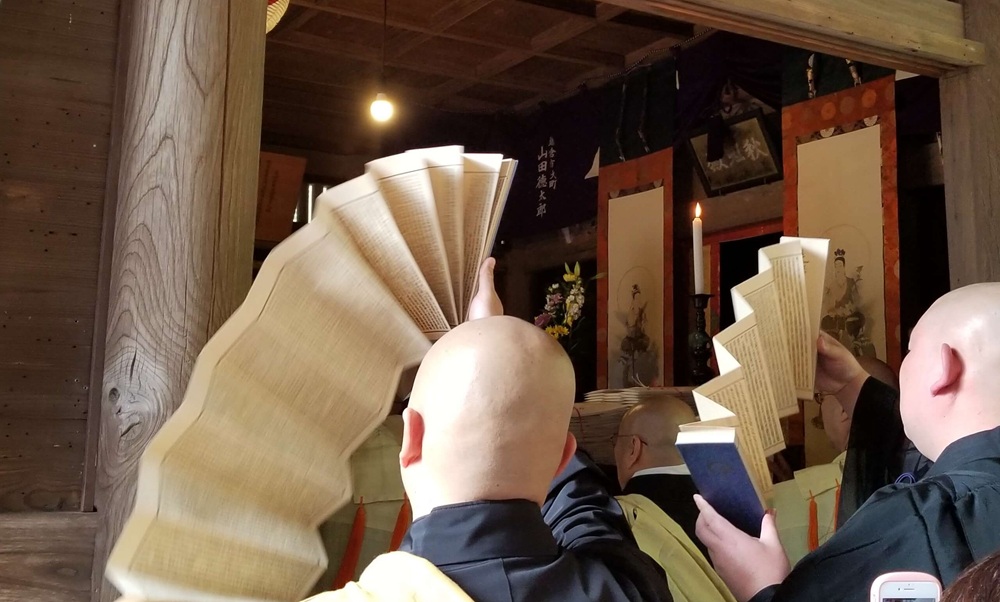
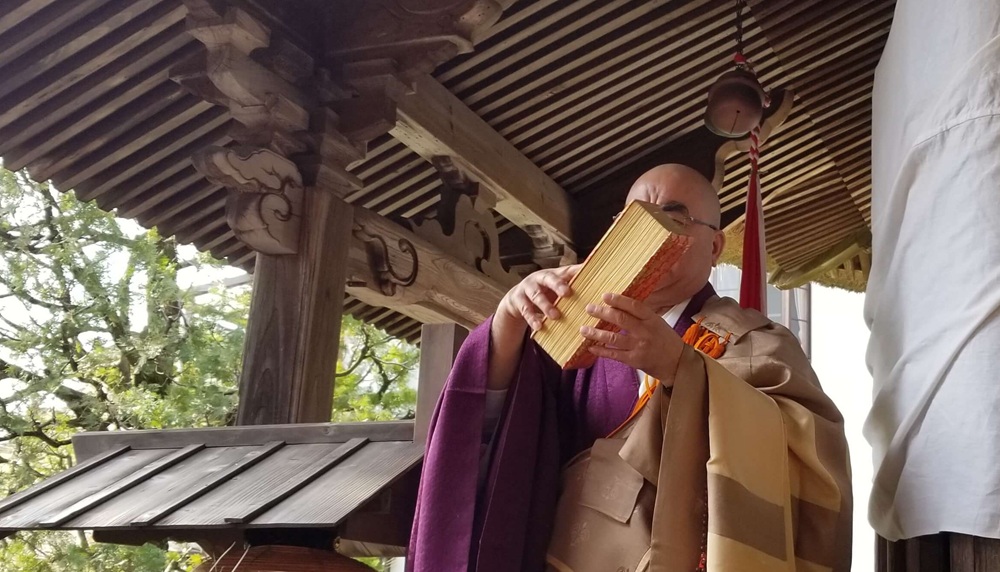
 毎年1月25日に開かれる「文殊祭」は、この寺で最も賑わう行事です。祭りの中心となるのは、十六部六百巻に及ぶ『大般若経』を読み上げたことに代える「転読」という独特の作法。十数名の僧侶が経巻を左右にリズミカルに繰り広げ、アコーディオンを奏でるように素早く送りながら経を転じます。1巻ごとに読誦が成就した旨を声高に告げる光景は迫力があります。
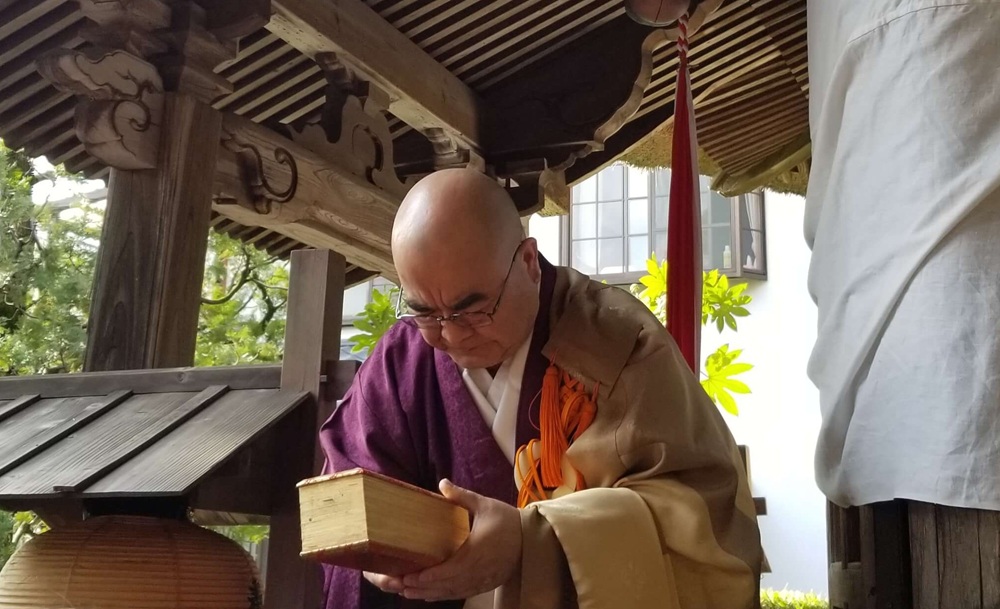
 常楽寺は臨済宗建長寺派に属するため、この法要には建長寺の僧侶も多く参加します。

今回のお勧め本は、真船きょうこ著『仏像に恋して』です。
鎌倉にも多数の仏像がありますね。お寺なので当然ちゃあ当然なんですが、仏像について知っておくとお寺参拝の際に仏像を見る目が明らかに違ってきます。この本は漫画なのでとても読みやすく、しかも作者が仏像を知らないところから書かれていますので、仏像初心者としてはもってこいの読みものとなってます。

常楽寺について

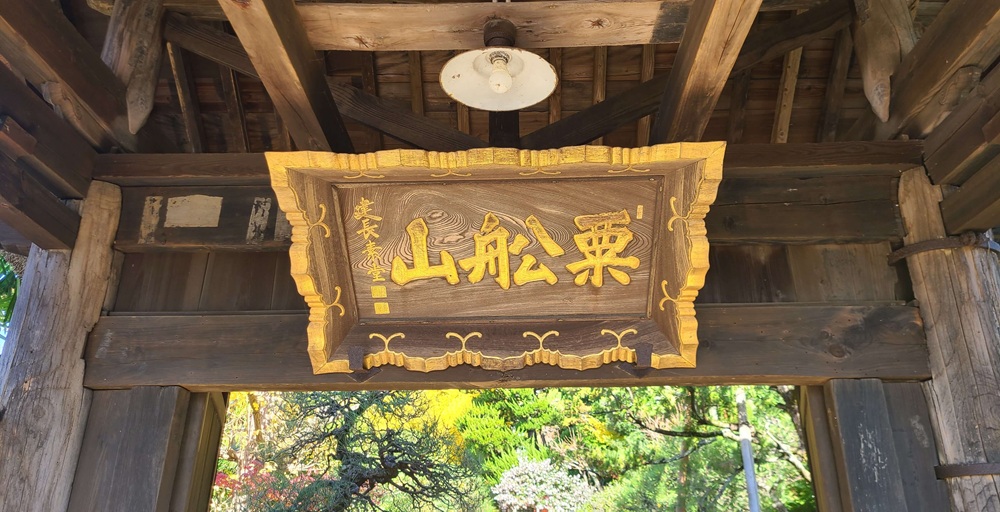
臨済宗建長寺派 粟船山(ぞくせんさん)常楽寺(拝観は無料)

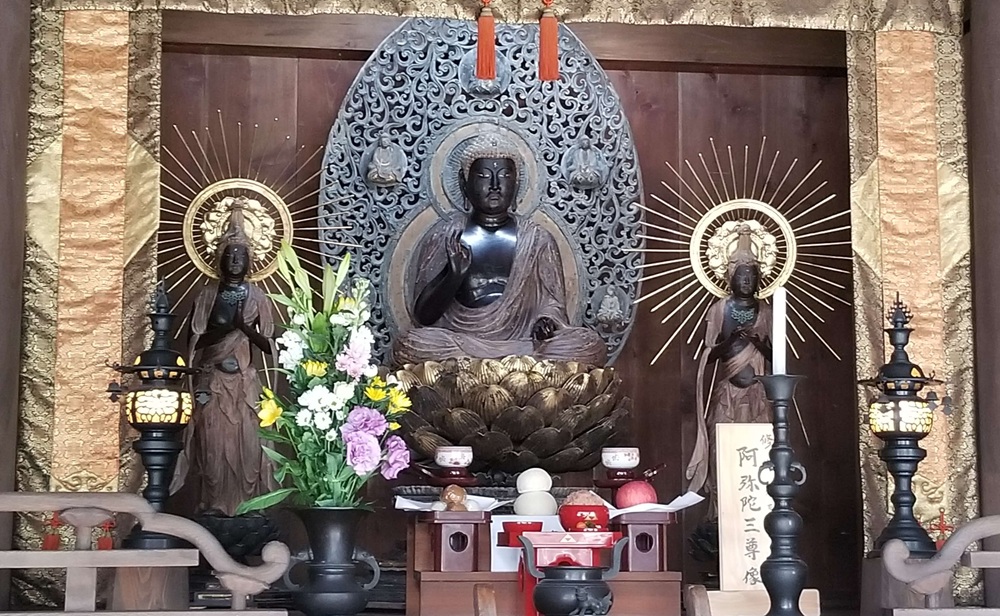
本尊:阿弥陀如来像
創建:1237年(嘉禎三年)
天井には狩野雪信画「雲龍」・・眼に光がないのは、夜になると動き出したため両眼の視力が奪われたとも・・

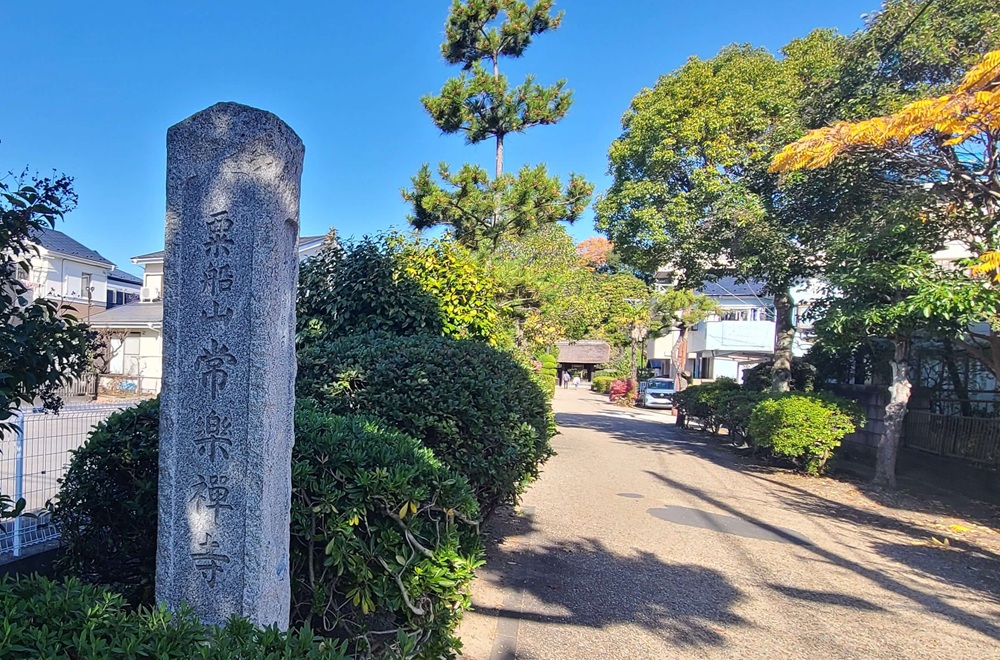
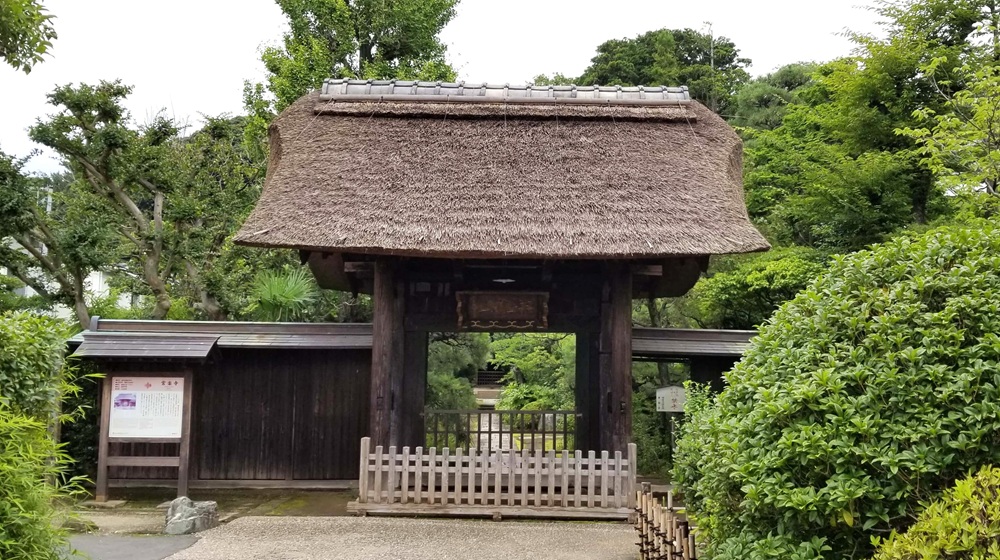
常楽寺入口
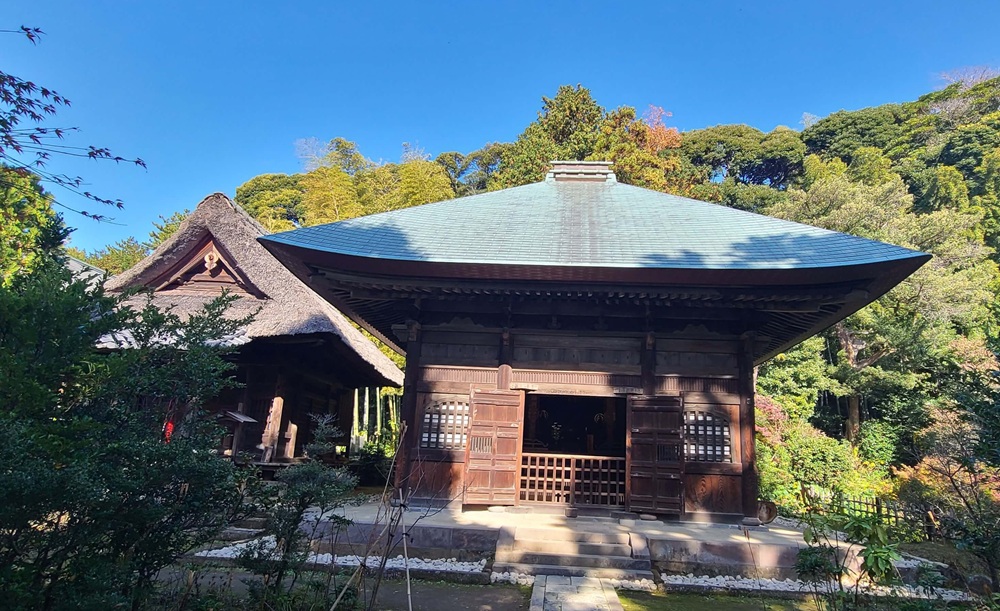
仏殿
阿弥陀如来像
天井の「雲竜」

 大船の地名はこの「粟船(あわふね)」に由来していると言われます。1237年、鎌倉幕府三代執権北条泰時が妻の母の供養のために粟船御堂を建て、退耕行勇が供養の導師を務めたのが始まりとされています。
 本堂の裏にお墓があります。
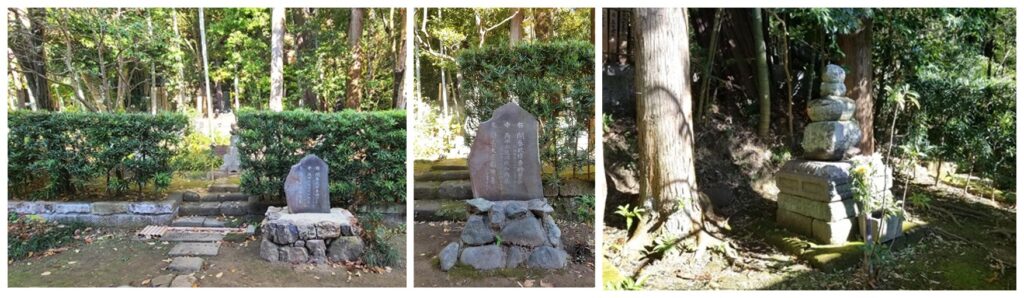
 建長寺の開山である、蘭渓道隆が鎌倉に来られた時、最初にこの「常楽寺」に入ったとされ、建長寺が出来るまでの5年間ここに住み、ここから宋の禅を広めたことから「常楽は建長の根本なり」とも言われているそうです。

(参考:『鎌倉の寺 小事典』かまくら春秋社 2001年)

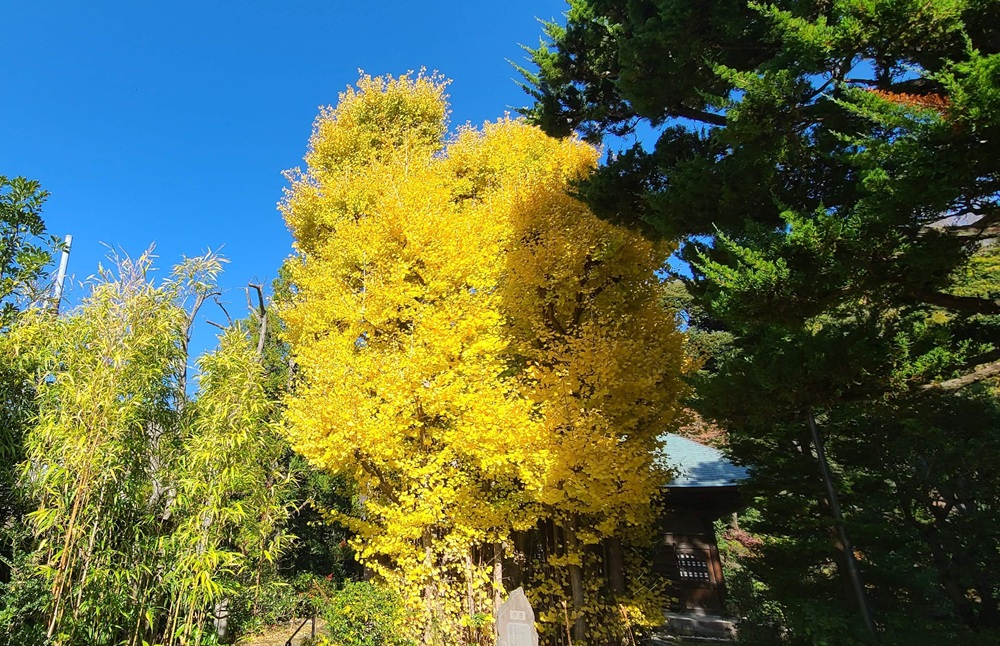
仏殿前の紅葉もみごとですので、2026年11月下旬~12月上旬にも参拝してみてはいかがでしょう

2025年11月30日撮影

アクセス

鎌倉市大船5丁目8-29 (拝観無料)
1.JR大船駅東口 徒歩17分。(約1400m)
2.JR大船駅東口 バス乗車(4分)、「常楽寺」下車徒歩5分
天気が良ければ歩いたほうが、バスを待っている時間まで考えると早いかもしれませんね。
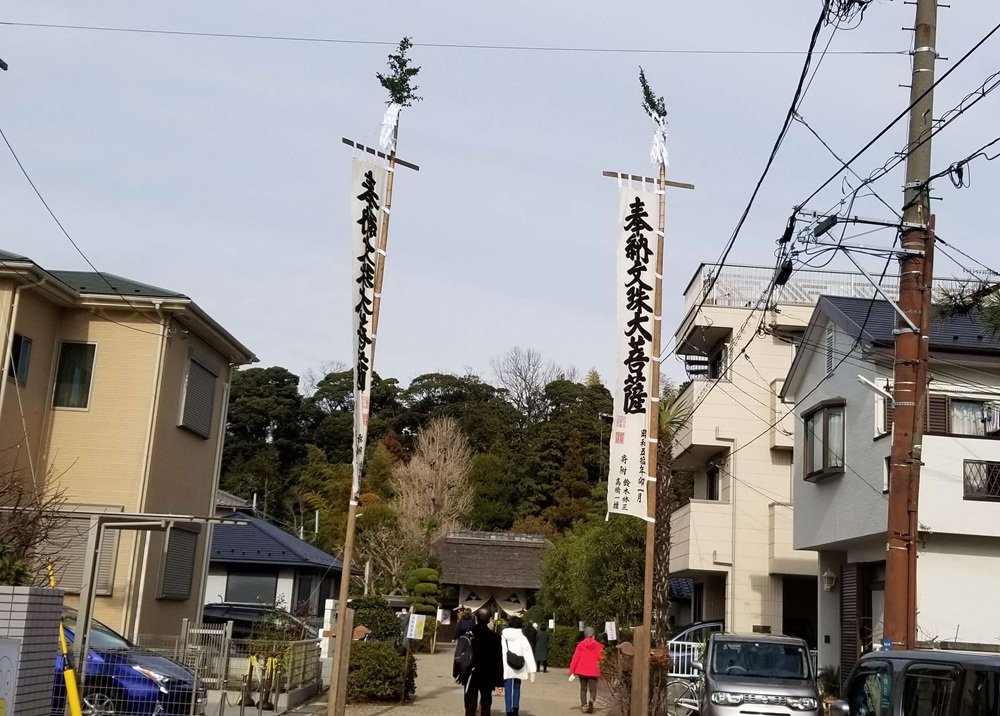
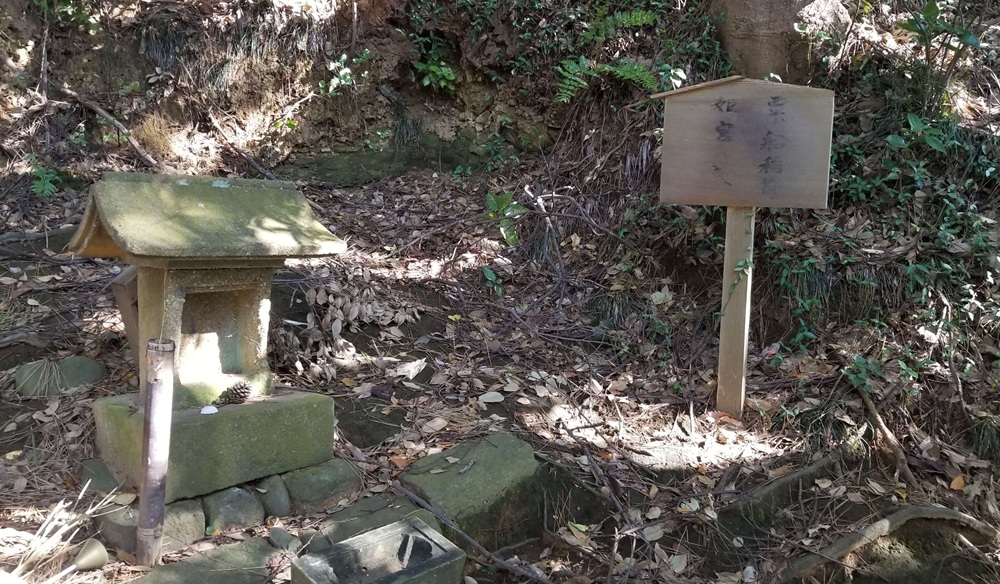
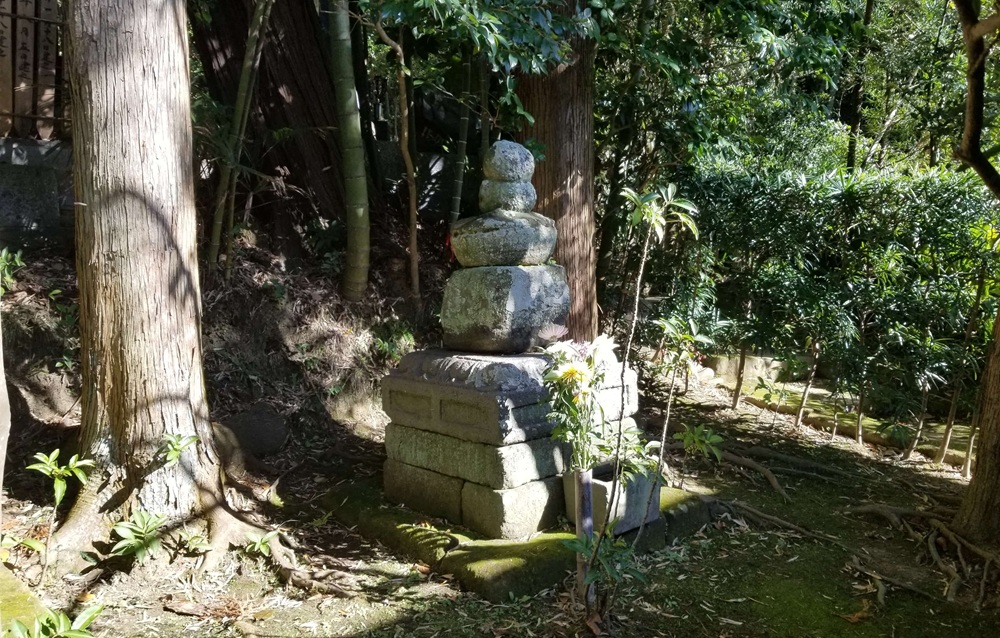
裏山には木曽義仲の息子の木曽義高の霊を祭った木曽塚がありますので、こちらもぜひ!
常楽寺の山門を出て右に行き、細い道を常楽寺沿いに歩いて、登っていきます。

What is Monjyu-sai?

At Jorakuji, an ancient Rinzai Zen temple in Ōfuna, Kamakura, stands one of the Seven Monju (Manjushri) statues of Japan. According to tradition, the head of the statue was brought from Song-dynasty China by Rankei Dōryū, while the body was created by the master himself at the temple—making it a particularly rare and remarkable work. Normally, the image is kept hidden behind closed doors and is revealed to the public only once a year.

The Monju Festival, held every year on January 25, is the most lively event at this temple. At the heart of the celebration is a unique ritual called tendoku, in which the six hundred scrolls of the Great Prajñāpāramitā Sutra are symbolically “read.”

A group of monks rhythmically spread the scrolls from side to side, swiftly flipping them like an accordion to represent the recitation.
After each scroll is completed, they loudly proclaim the fulfillment of that reading, creating a powerful and dynamic atmosphere.

Since Jorakuji belongs to the Kenchō-ji branch of the Rinzai school, many monks from Kenchō-ji also take part in this ceremonial rite.

This English guidebook covers Kamakura and Enoshima.There aren’t many English guidebooks that focus on this area.It introduces various spots, such as shrines, temples, and restaurants, by area.We hope you enjoy discovering the beauty and history of Kamakura!

Kamakura & Enoshima: A Japan Guide to Nature, Culture, and Community

Event Schedule

The secret statue of Manjusri Bodhisattva is only open to the public on this day, but some people have reported that it is difficult to view it up close. However, if you arrive a little early, you may be allowed inside the hall before the eye-opening ceremony, and I was able to take a good look at it on this occasion.

The viewing area is quite small, so if you want to secure a good spot near the front, I recommend arriving early. Please be considerate of those around you and share the viewing spot.

The ceremony began at 2:00 PM and finished just before 3:00 PM (based on information from 2020).

History of Jōraku-ji Temple

Jōraku-ji Temple

Sect: Rinzai Zen, Kenchō-ji School
Temple Name: Zokusen-zan Jōraku-ji
Admission: Free

Principal Image: Statue of Amida Nyorai (Amitābha Buddha)
Founded: 1237 (Katei 3)

On the ceiling is the famous “Cloud Dragon” (Unryū) painting by Kanō Yukinobu.
According to legend, the dragon has no light in its eyes because it once came to life and began to move at night, so its eyesight was taken away.

The place name “Ōfuna” is said to be derived from “Awafune.” In 1237, Hōjō Yasutoki, the third regent of the Kamakura shogunate, built Awafune Hall in memory of his wife’s mother. Taikō Gyōyū served as the officiating monk for the memorial service, which is considered the origin of the temple.

Access

1.A 15-minute walk (approx. 1,400 m) from JR Ōfuna Station East Exit.
2.From JR Ōfuna Station East Exit, take a bus (about 4 minutes) and get off at “Jorakuji,” then walk 5 minutes.

If the weather is nice, walking may actually be faster than waiting for the bus.

コメント