
Schedul
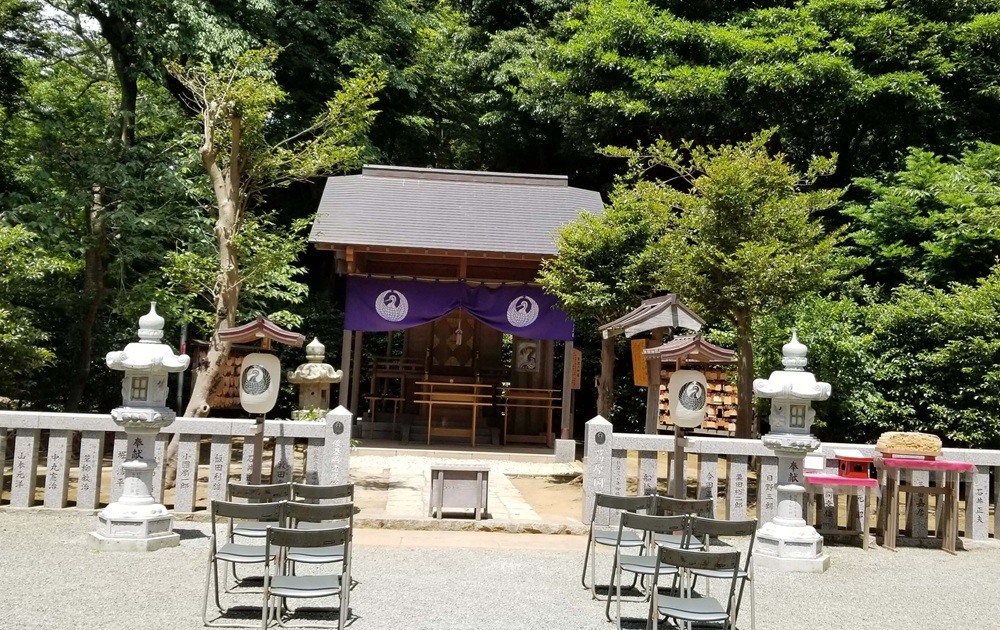
The Annual Grand Festival (Reitaisai) will be held on June 3 at the main shrine starting from 11:00 AM
(free to observe).
This is a once-a-year major festival, featuring two main rituals:
A Shinto ceremony (Jinsensai) where prayers (norito) are offered before the deity.
A graveside ceremony (Bozen-sai) where prayers are offered at the graves.
Shortly after 11:00 AM, the Shinto priest will arrive at the main hall and the ritual will begin.
From around 11:15 AM, a sacred dance performed by shrine maidens (miko) will be dedicated.
The entire ceremony lasts approximately 30 minutes.
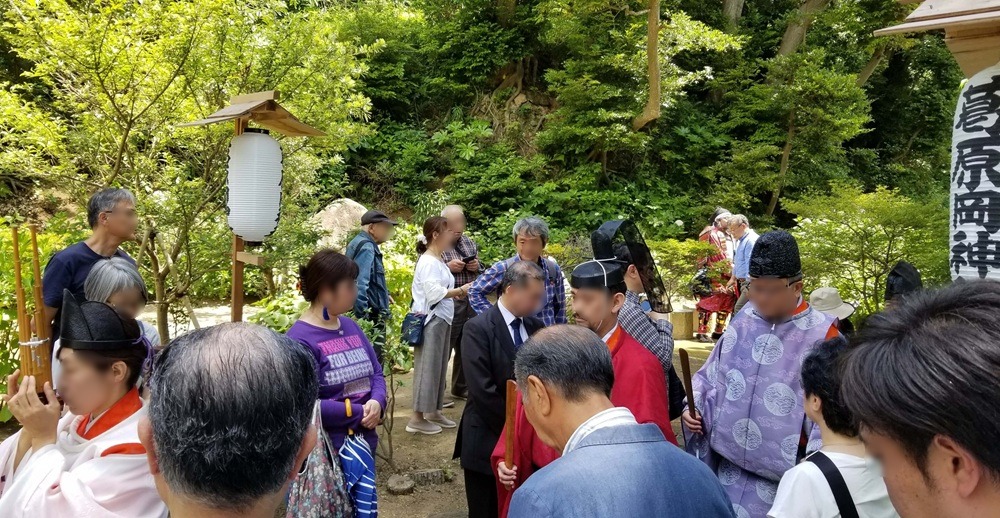
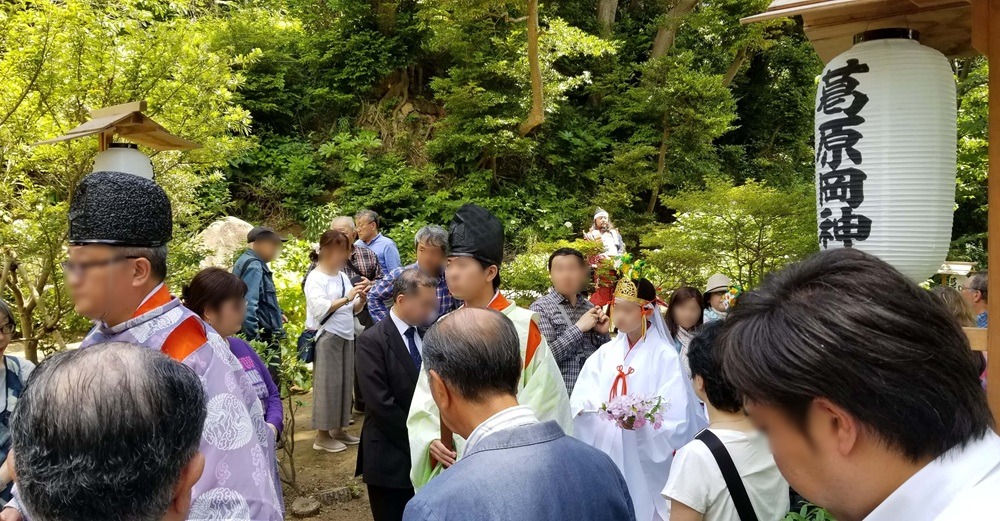
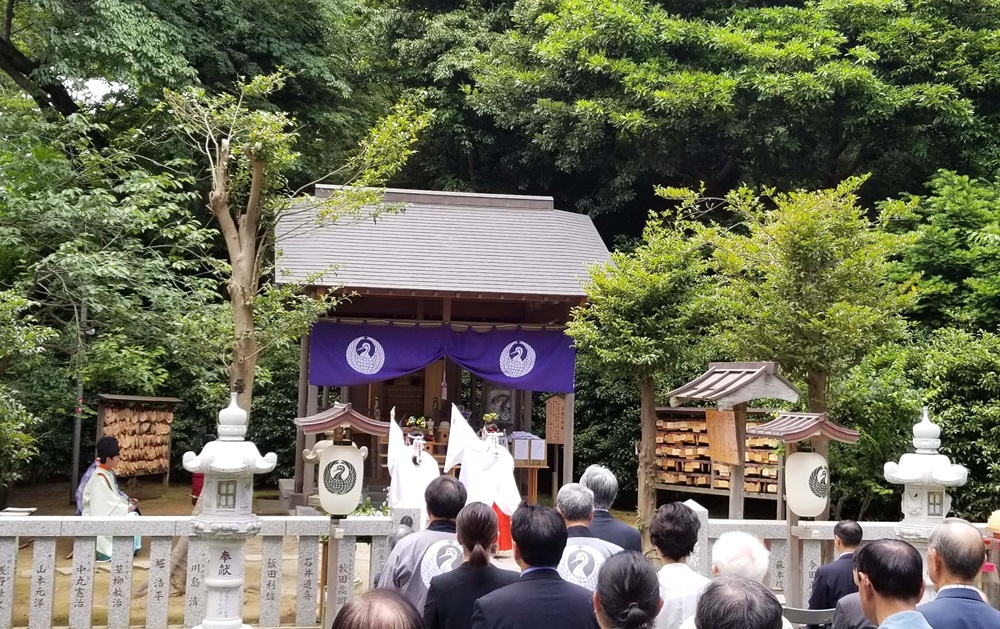
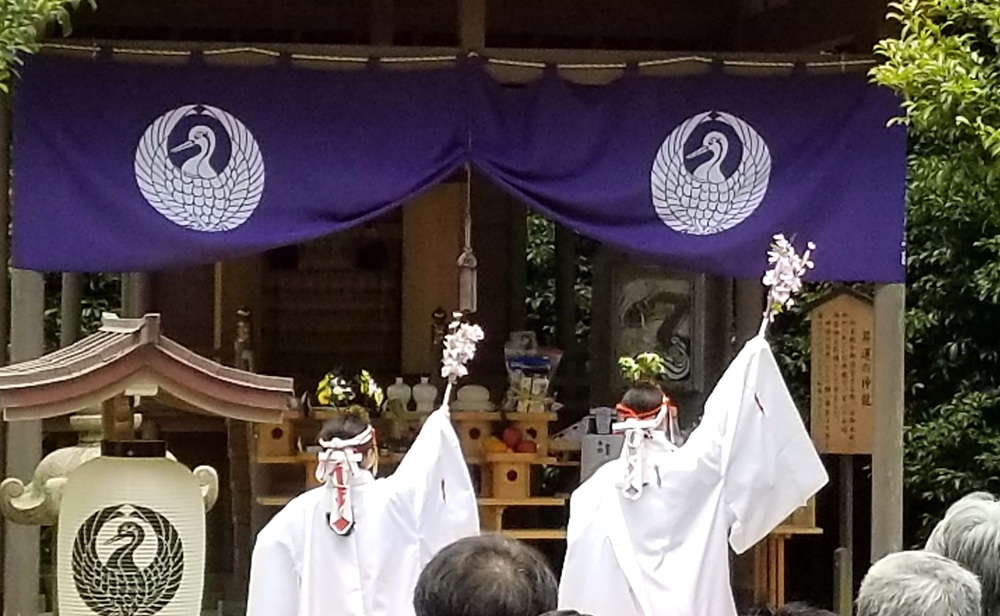
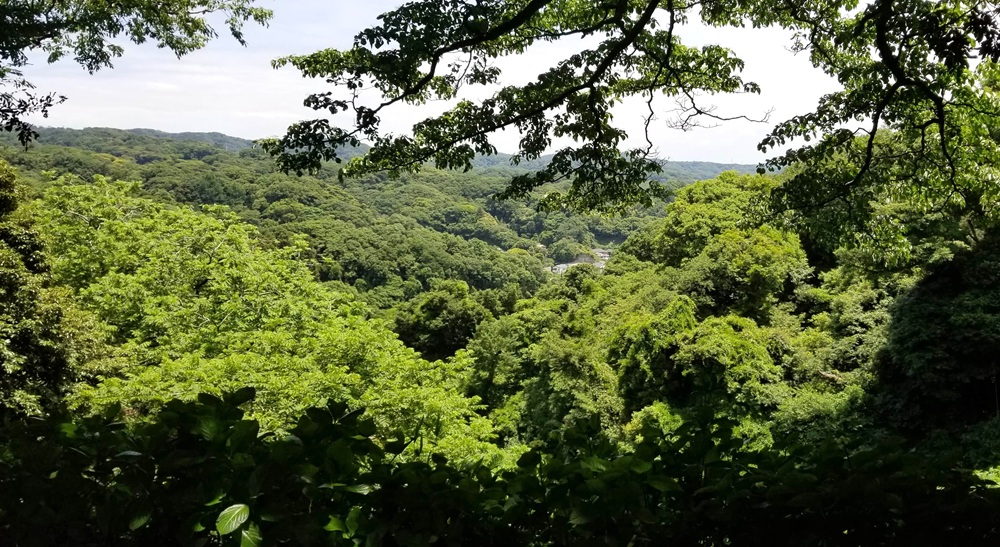
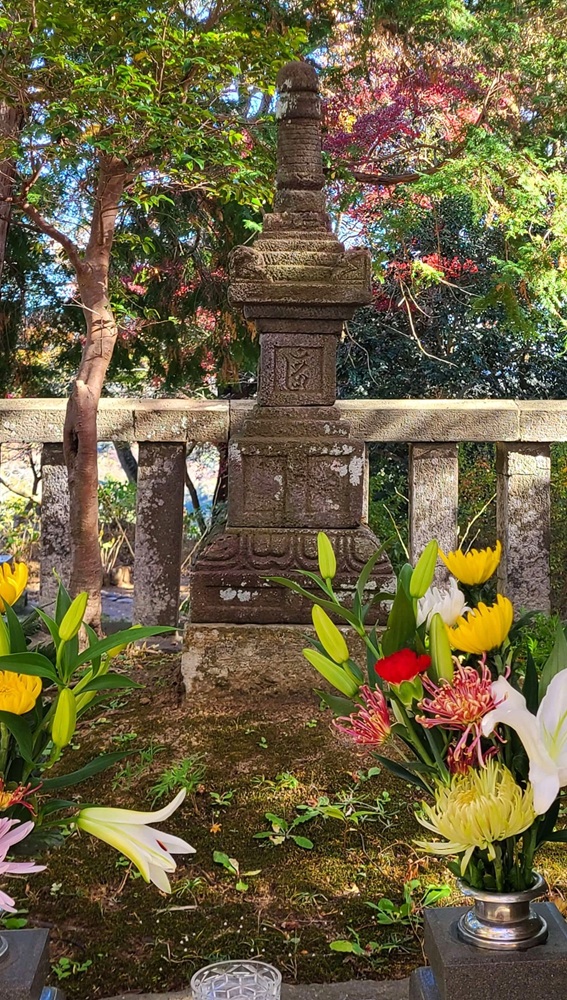
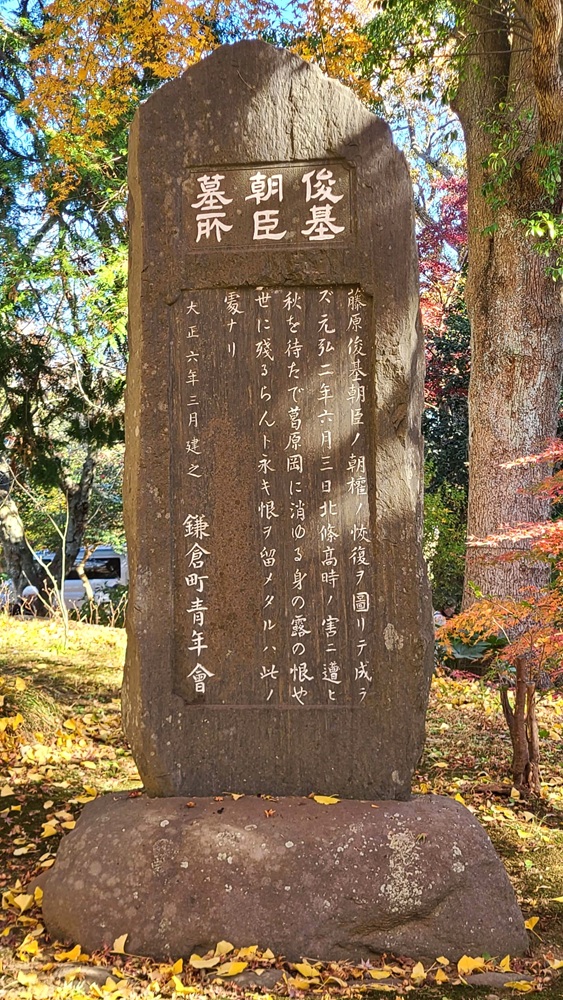
June 3 marks the anniversary of the death of Hino Toshimoto, and the annual festival is therefore held around this date.
Below is the schedule for 2025.
👉 Kamakura City Tourist Association「葛原岡神社例大祭 (葛原岡神社)」(Japanease only)
May 31, 2025 (Saturday)
Yoimiya Festival (Eve Festival):
After the sacred spirit transfer ritual (Mitama-ire), the portable shrine (mikoshi) is carried by local parishioners toward the Yuigahama area.
2:00 PM – Sacred spirit transfer ceremony (Mikoshi Mitama-ire) / In front of Yuigahama Public Hall
2:30 PM – Festival floats and children’s mikoshi procession
6:00 PM – Evening mikoshi procession / Yuigahama district
June 1, 2025 (Sunday)
Main Festival:
The mikoshi departs from the Yuigahama area. Led by traditional festival music, the head priest, shrine representatives, and performers in traditional attire (tekomai) join the procession.
11:15 AM – Departure of the sacred object from Kuzuharaoka Shrine
1:00 PM – Procession of the sacred object / In front of Yuigahama Public Hall
June 3, 2025 (Tuesday)
Grand Festival (Reitaisai):
A Shinto ritual (Shinsensai) is held with prayers offered before the deity, along with a graveside ceremony (Bosen-sai) where prayers are offered at the grave.
11:00 AM – Shinto ceremony and graveside ceremony
In Kamakura, this festival is considered the beginning of the summer festival season. It is said that the season comes to an end with the Enma Festival held on August 16 at Enno-ji Temple.
What is Kuzuharaoka Shrine?
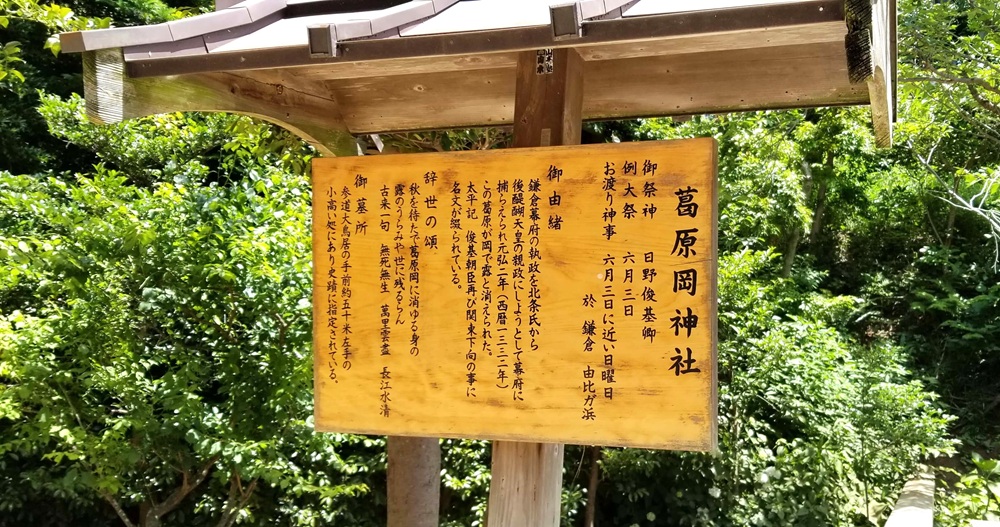
Founded in 1888 (Meiji 20), Kuzuharaoka Shrine enshrines Hino Toshimoto as its main deity. Within the grounds, there is also a subsidiary shrine dedicated to Ebisu and Daikokuten, known as the Ebisu-Daikokuten Shrine.
Kuzuharaoka Shrine honors Hino Toshimoto, a loyal retainer of Emperor Go-Daigo. Actively involved in efforts to overthrow the Kamakura shogunate, Toshimoto ultimately lost his life at this very site. His determination and ideals were later carried on by figures such as Ashikaga Takauji and Nitta Yoshisada, eventually leading to the fall of the Kamakura shogunate.
Today, the shrine is widely visited as a place for good fortune and academic success—reflecting Toshimoto’s background as a scholar—as well as for blessings in love and relationships.
👉 Kuzuharaoka Homepage (Japanease only)
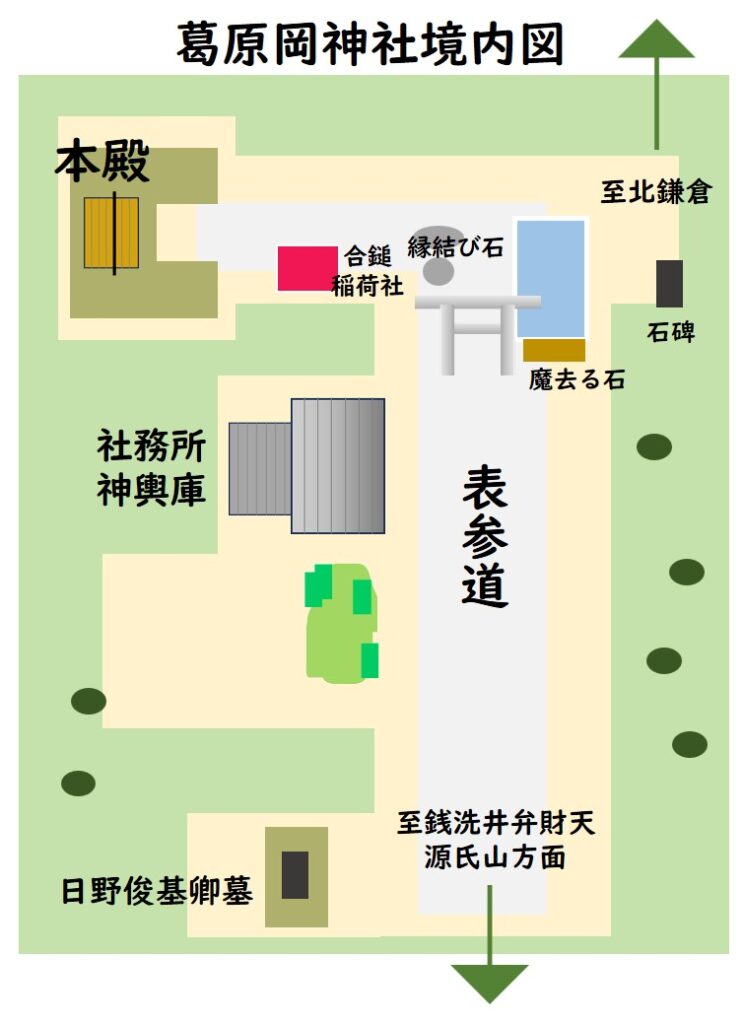
【境内】
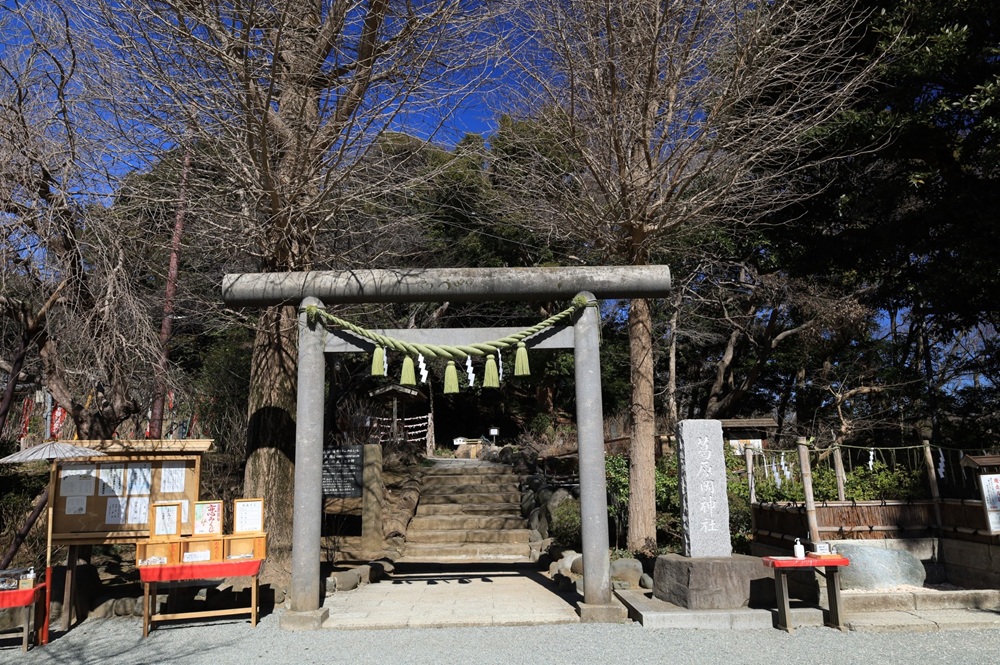
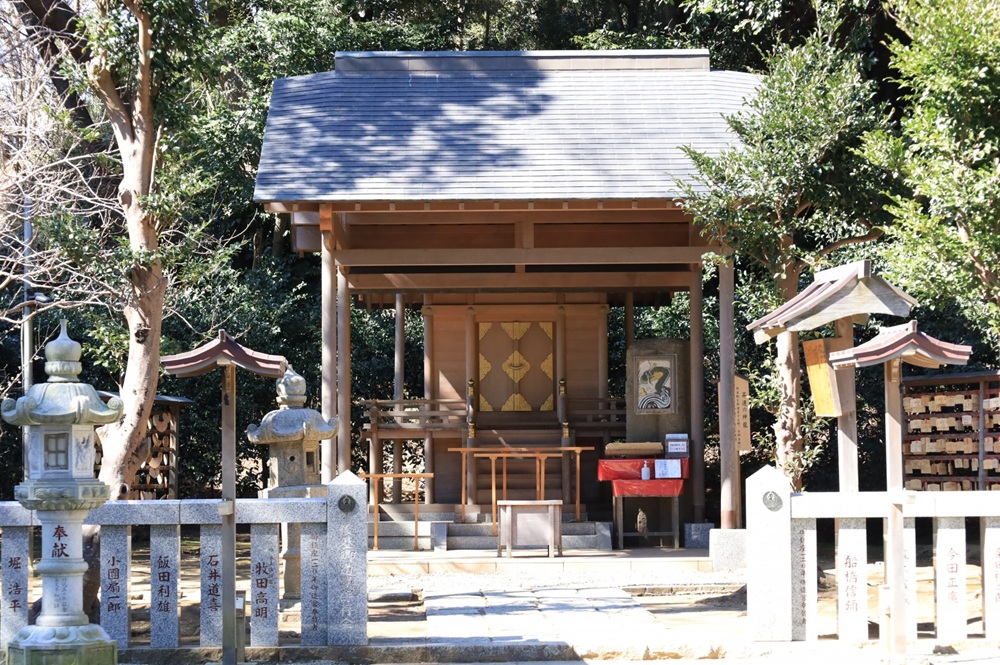
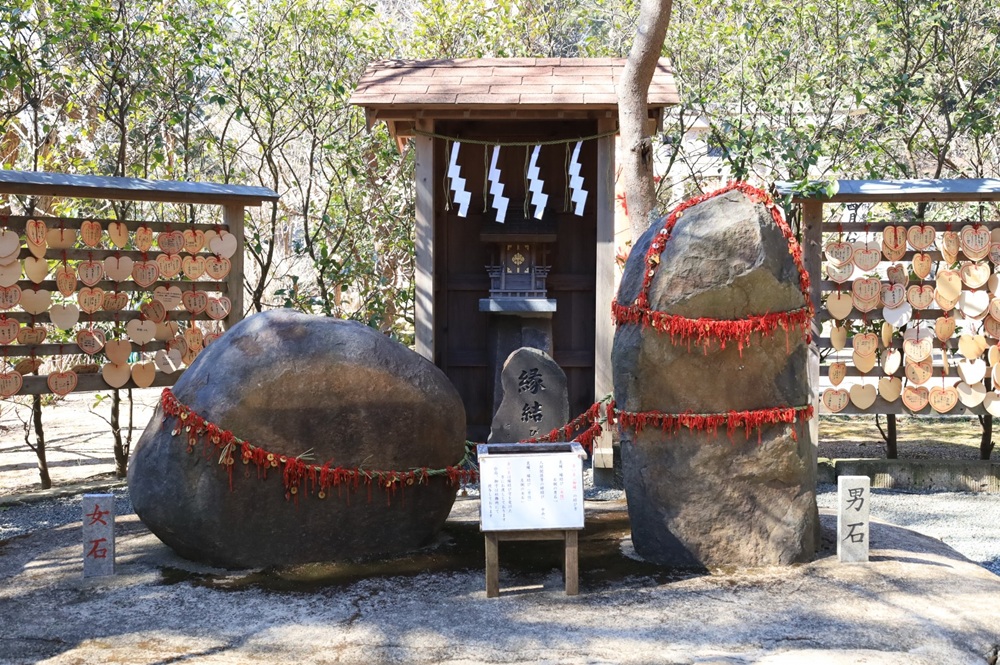
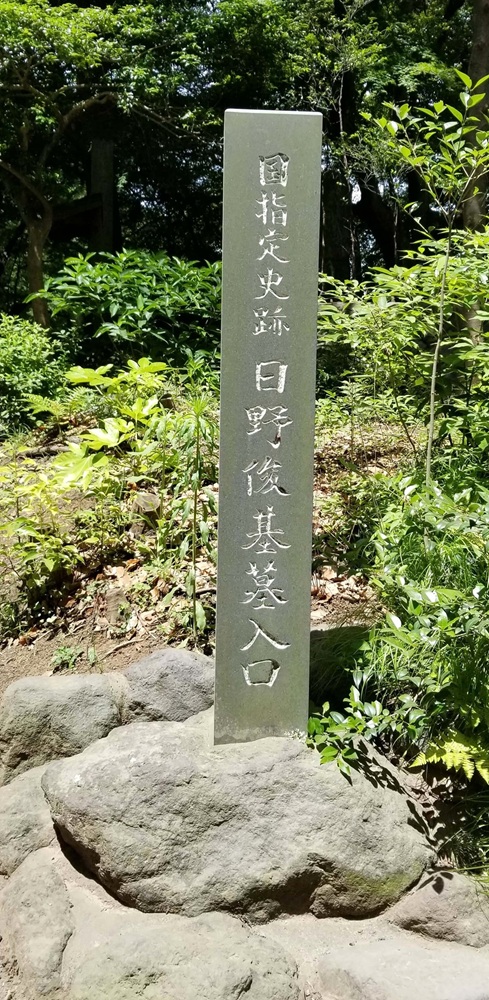
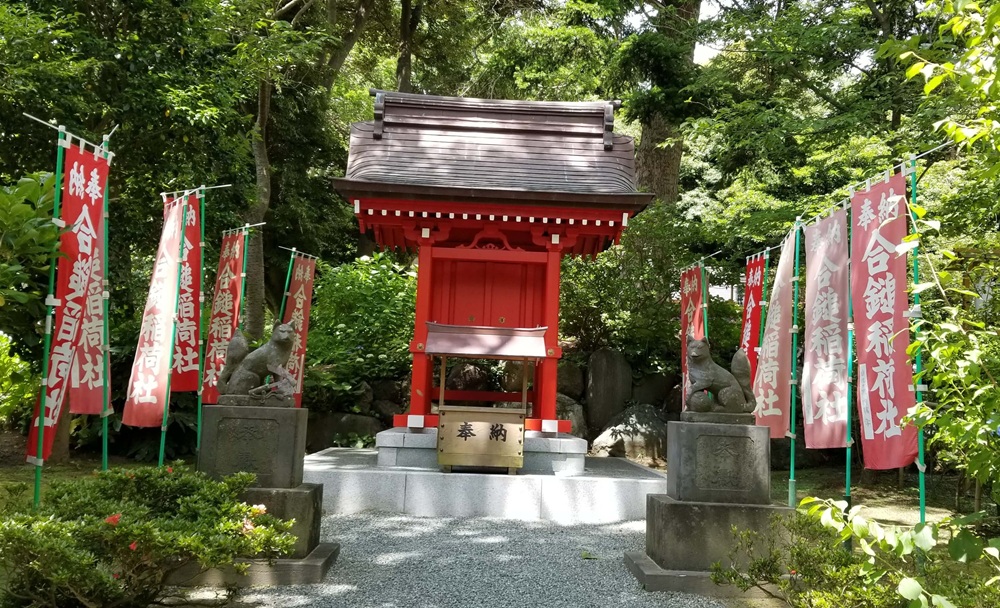
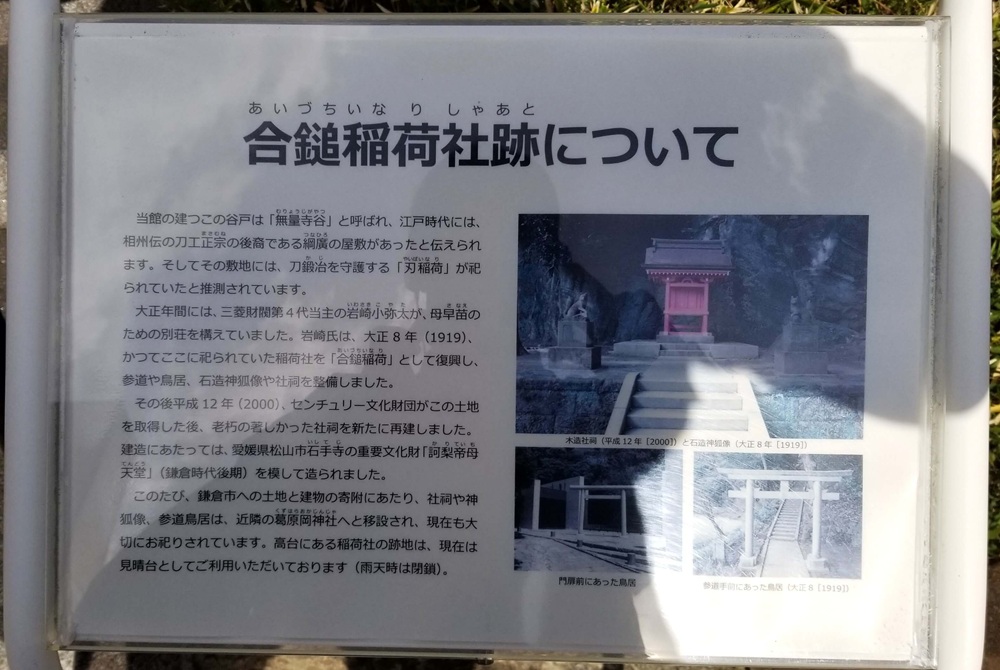
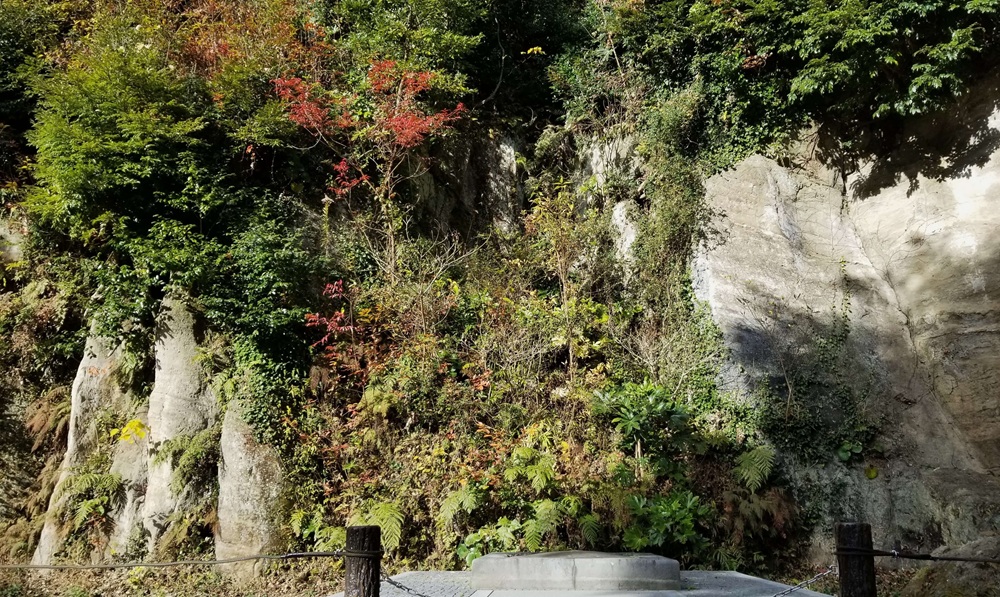
Within the shrine grounds, there is also Aizuchi Inari Shrine. Originally located at the Kamakura Museum of History and Culture, it was relocated to Kuzuharaoka Shrine in 2013.
Access
Address: 5-9-1 Kajiwara, Kamakura, Kanagawa Prefecture
TEL: +81-467-45-9002 | FAX: +81-467-81-5577
Kuzuharaoka Shrine is beautiful in every season, from cherry blossoms in spring to colorful autumn leaves. It’s definitely a shrine worth visiting throughout the year.
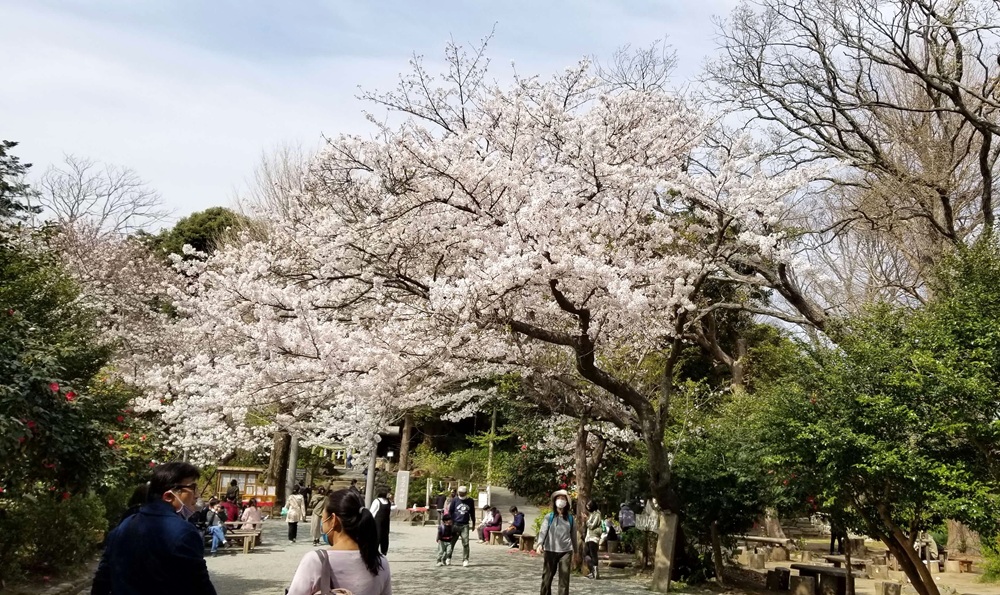
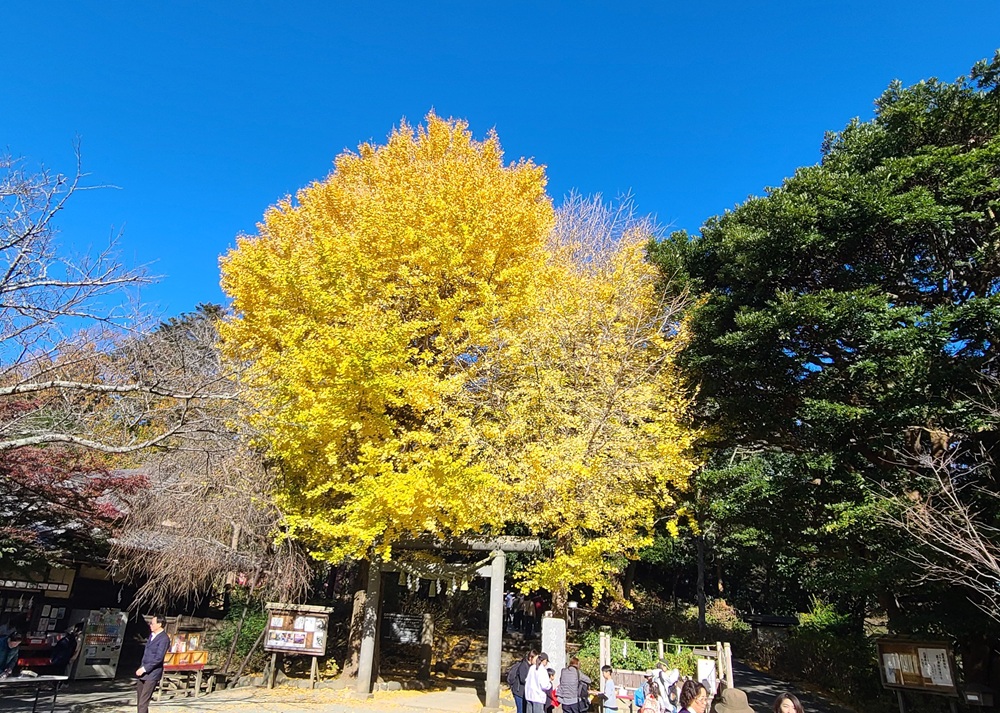

Kuzuharaoka Shrine is about 1.5 km (approximately a 20-minute walk) from Kita-Kamakura Station. The path is quite uphill, so it can be challenging.
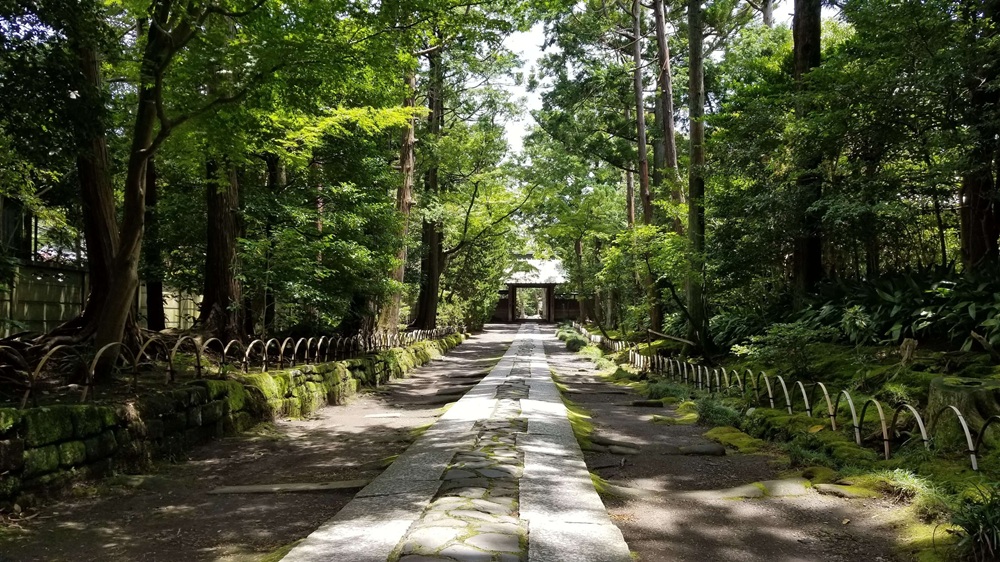
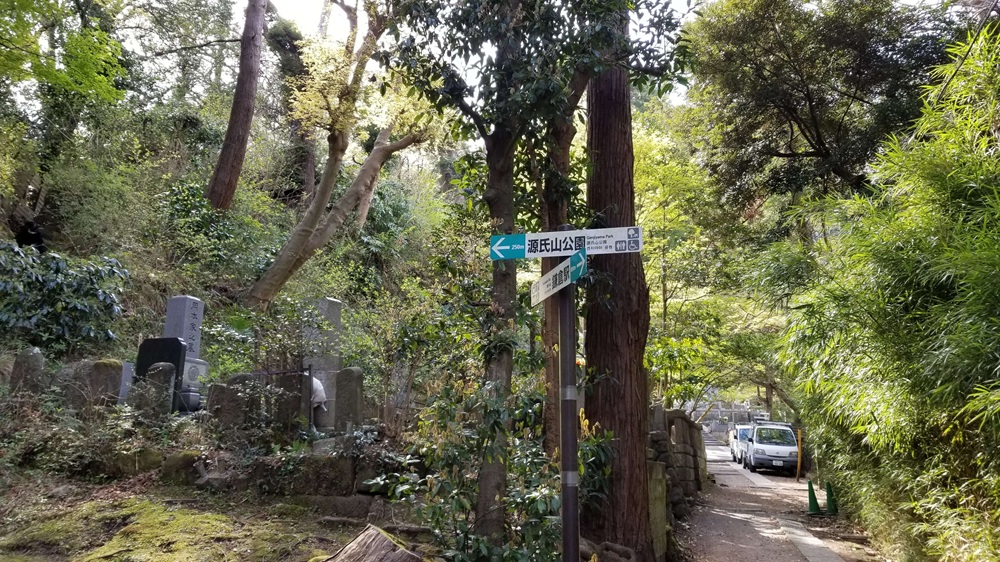
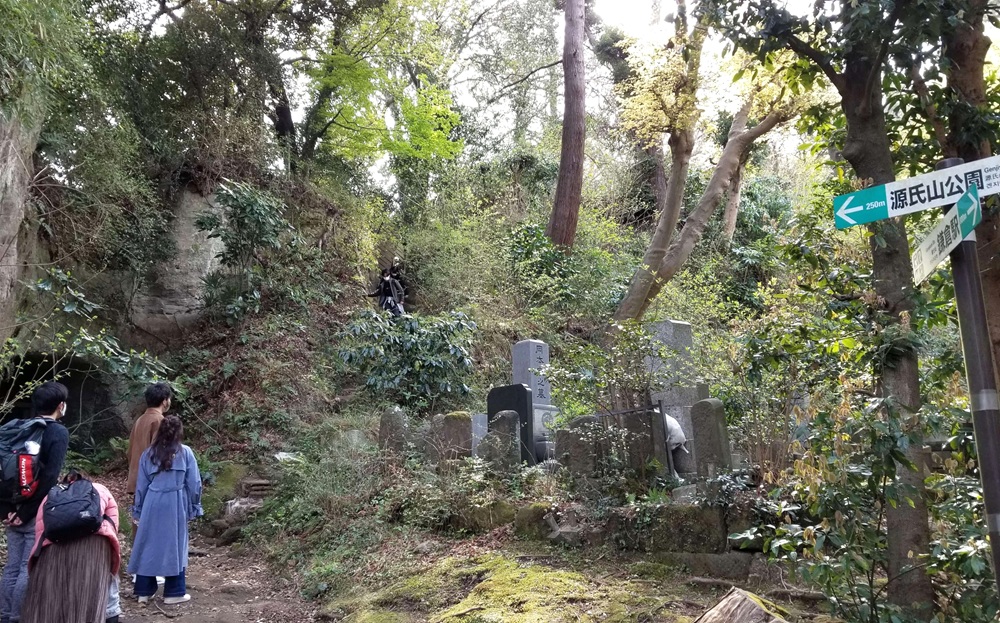
On your return trip, we recommend taking the route via Keshōzaka and Genjiyama, descending towards Jufuku-ji Temple. This will take you back to Kamakura Station. The scenery is beautiful, making for a pleasant journey home.

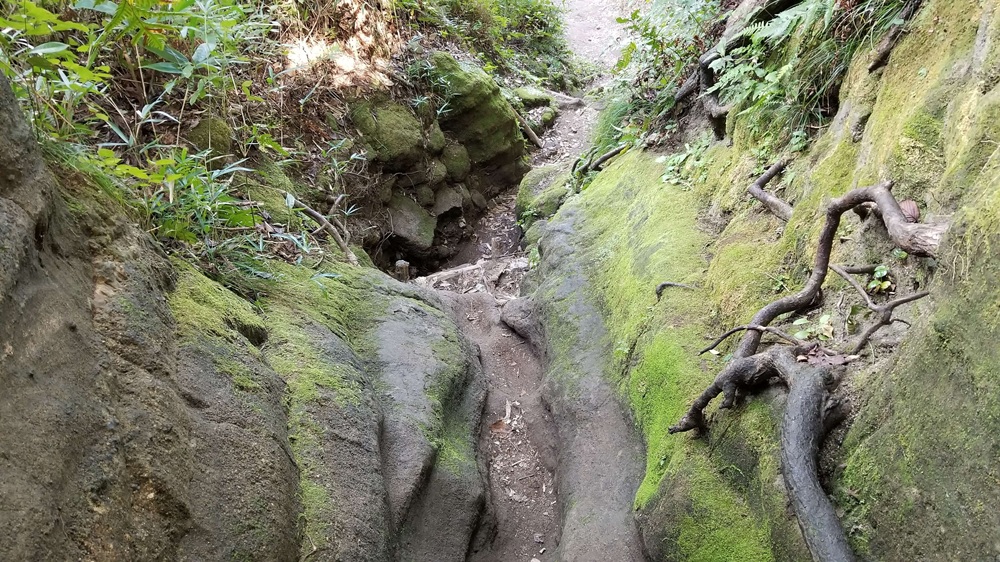
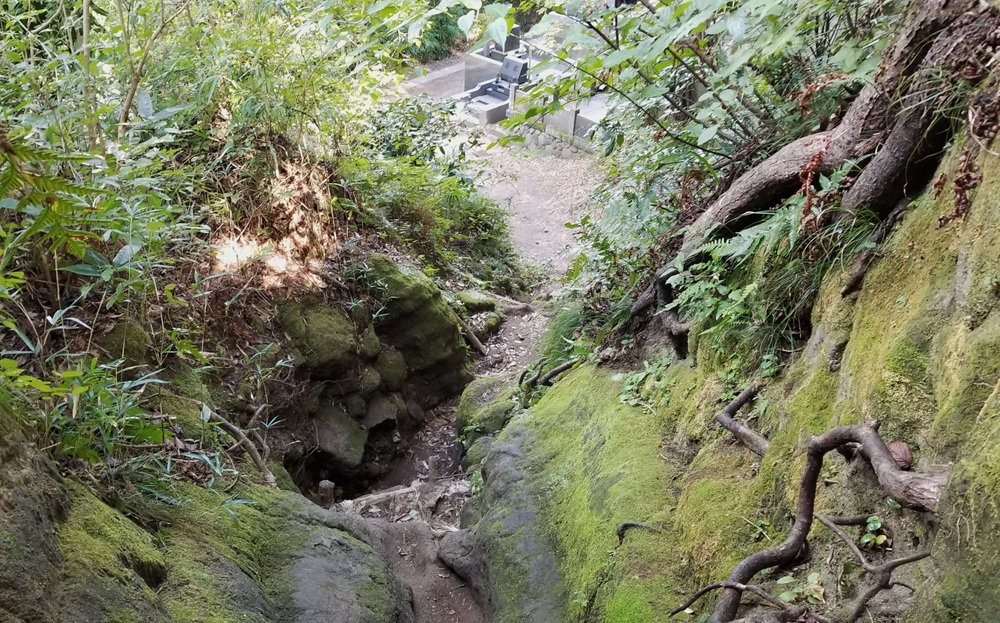
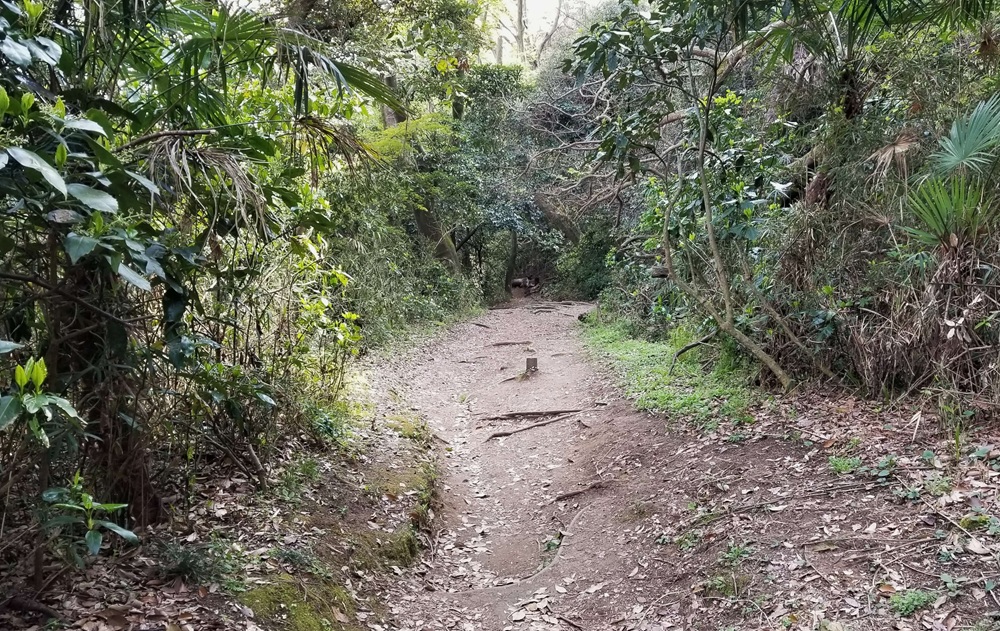
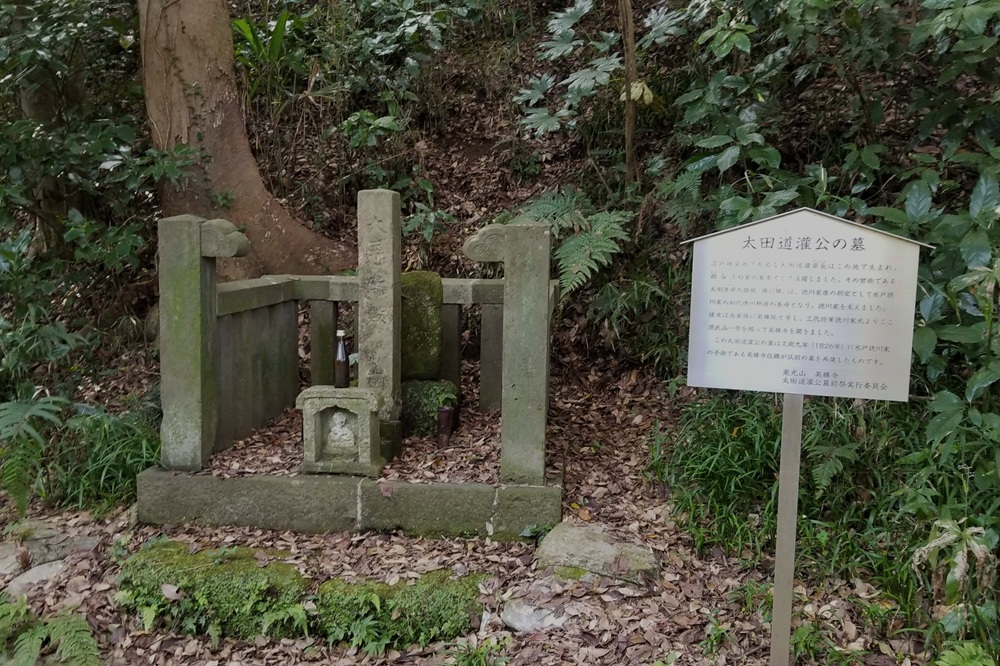
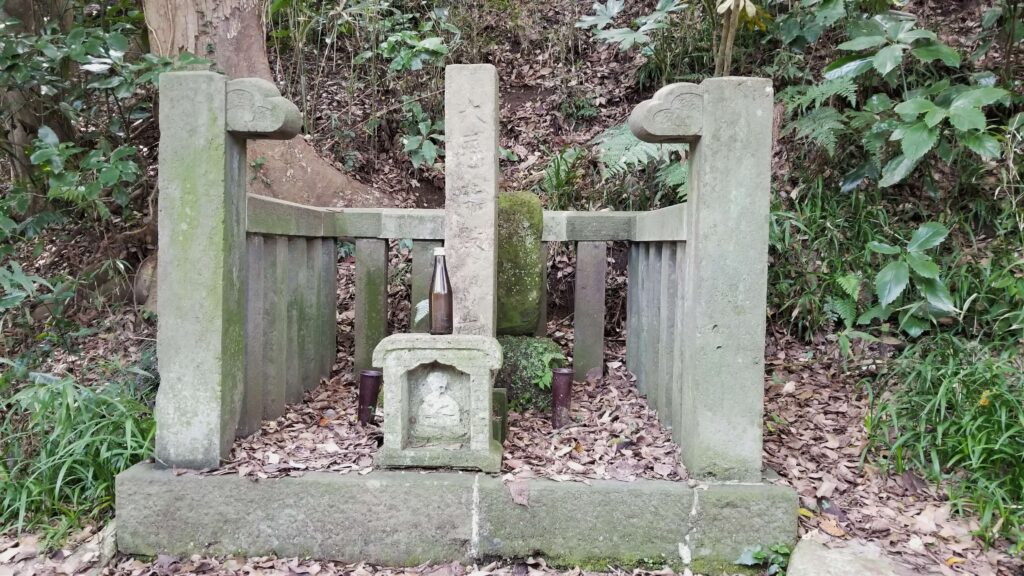
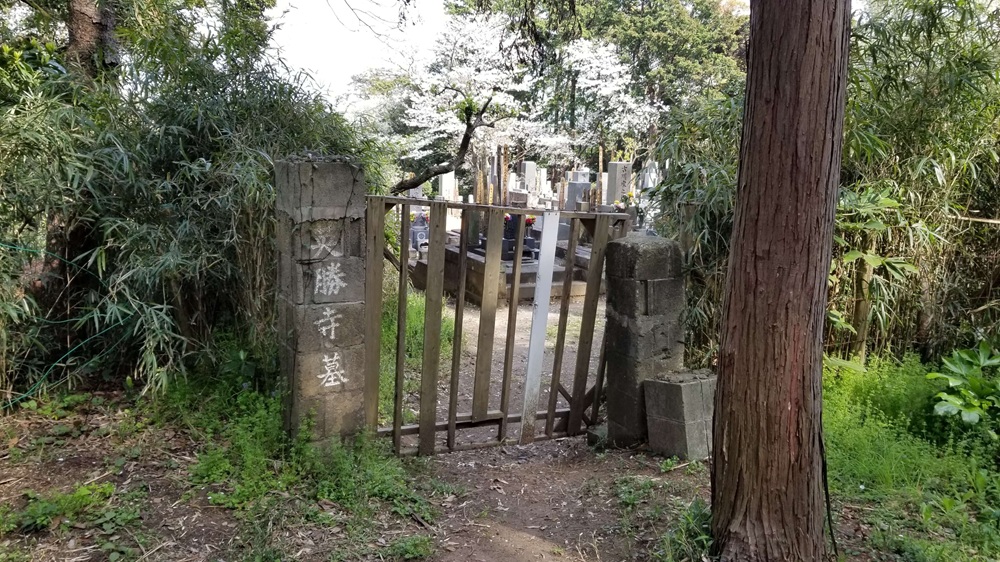
There’s a trail that leads from beside Jufuku-ji Temple up to Genjiyama. Along the way, you’ll find Ota Dokan’s grave and the cemetery of Eisho-ji Temple. The path descending back to Jufuku-ji is narrow, steep, and quite an adventure! It’s one of Kamakura’s lesser-known hidden gems, perfect for those looking to explore off the beaten path.
コメント