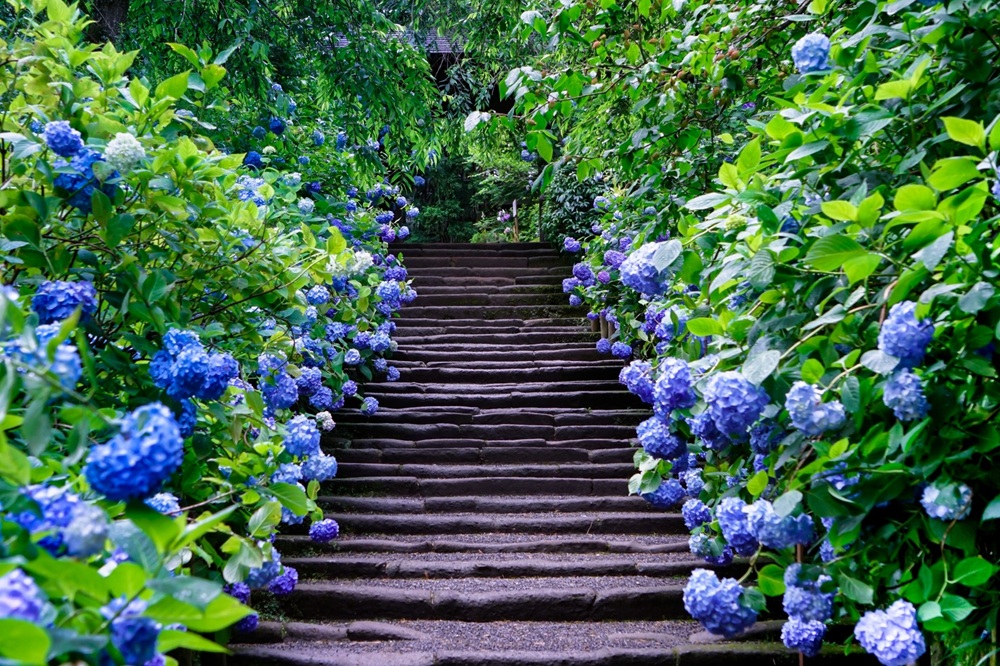
This article introduces the memorial service for Kawamura Zuiken held at Kenchoji Temple on June 18th, as well as some recommended spots in Kamakura where you can enjoy the beautiful hydrangeas in full bloom.
Zuiken memorial schdule
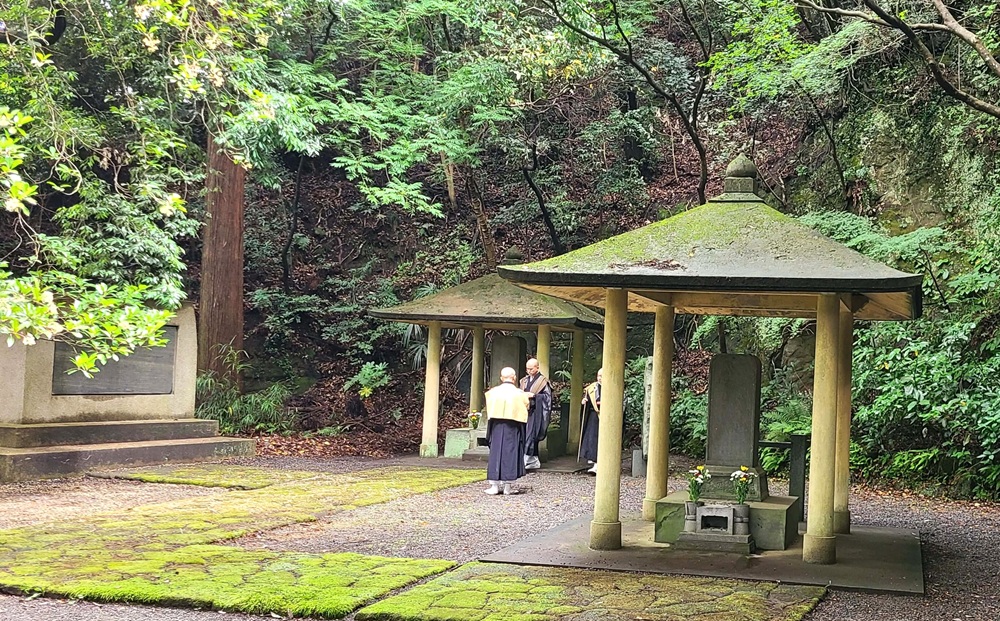
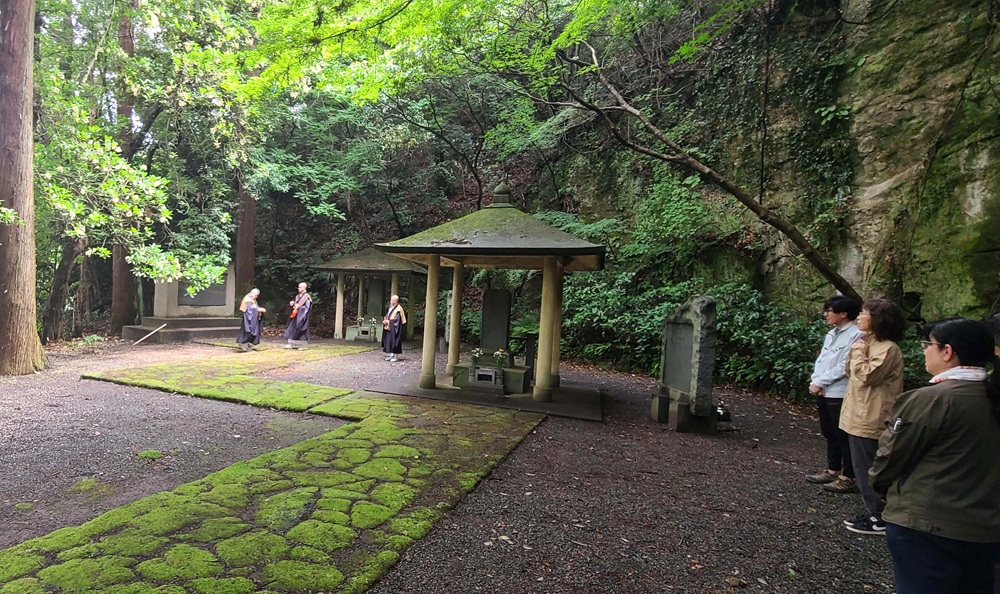
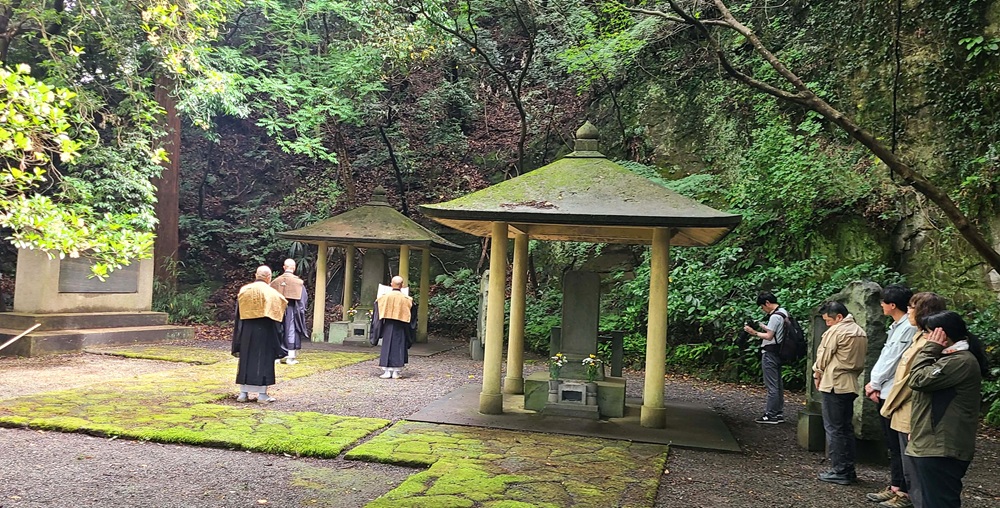
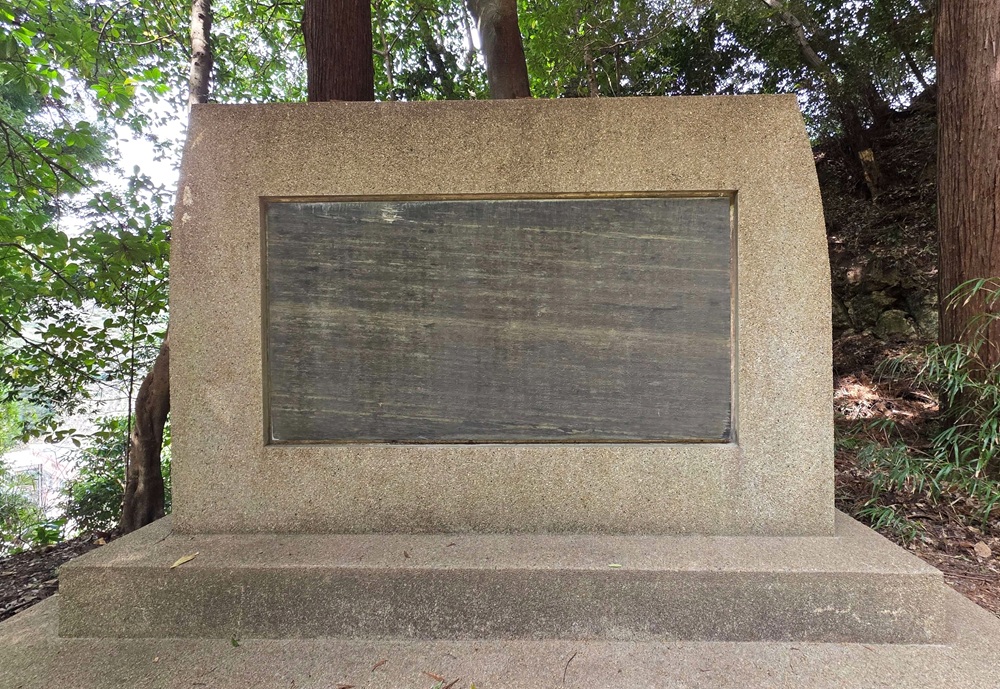
The ceremony begins at 10:00 a.m. at the Kawamura Zuiken historic site.
After a brief sutra chanting by several monks, participants offer incense.
The entire ceremony lasts about 10 minutes, so please keep that in mind.
~Route~
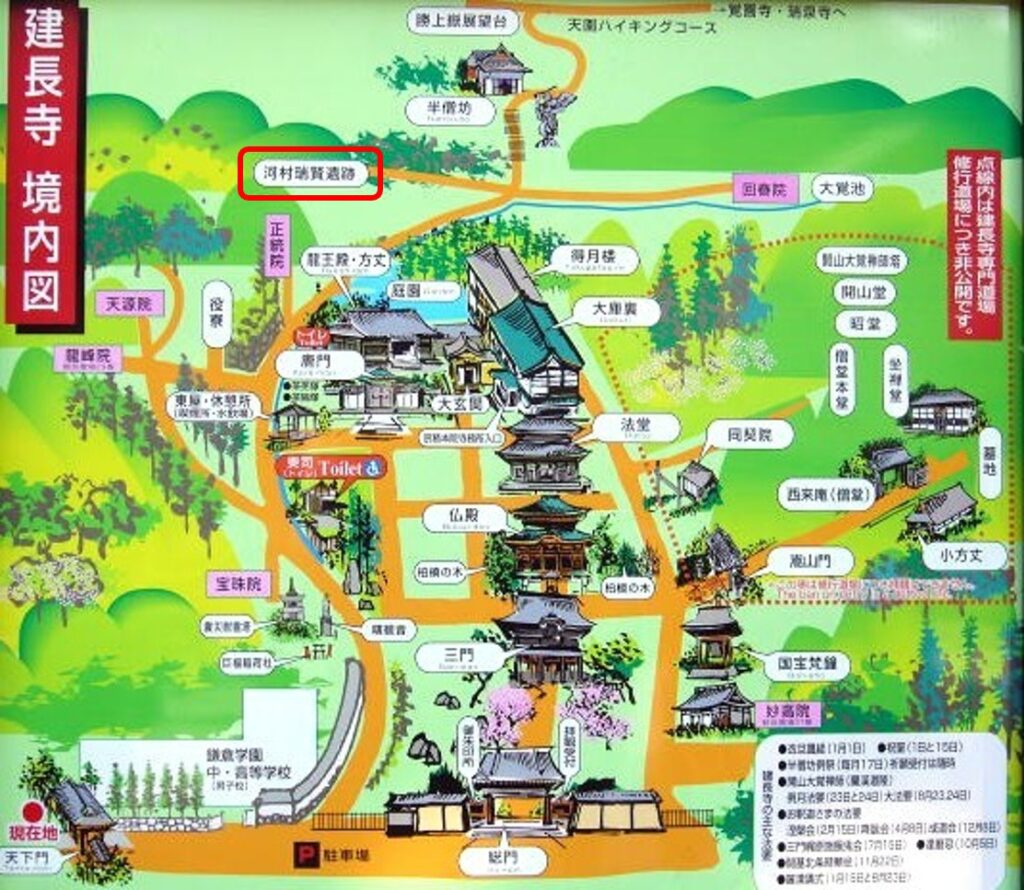
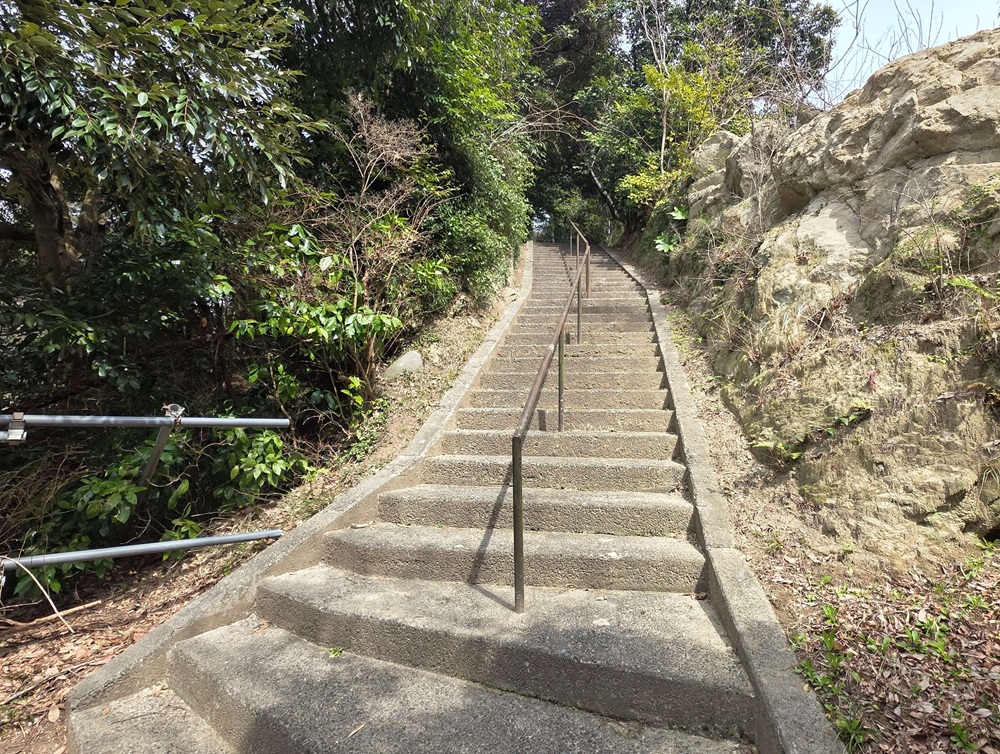
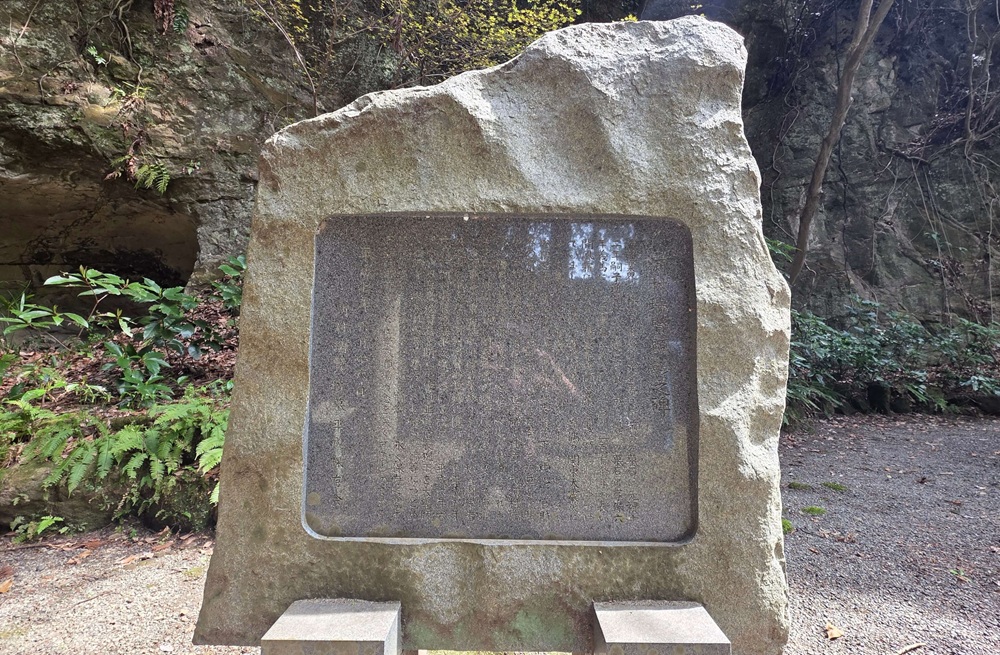
On the way from Kencho-ji Temple toward Hanzobo, you’ll find a stone marker on the left marking the entrance to the Kawamura Zuiken historic site.
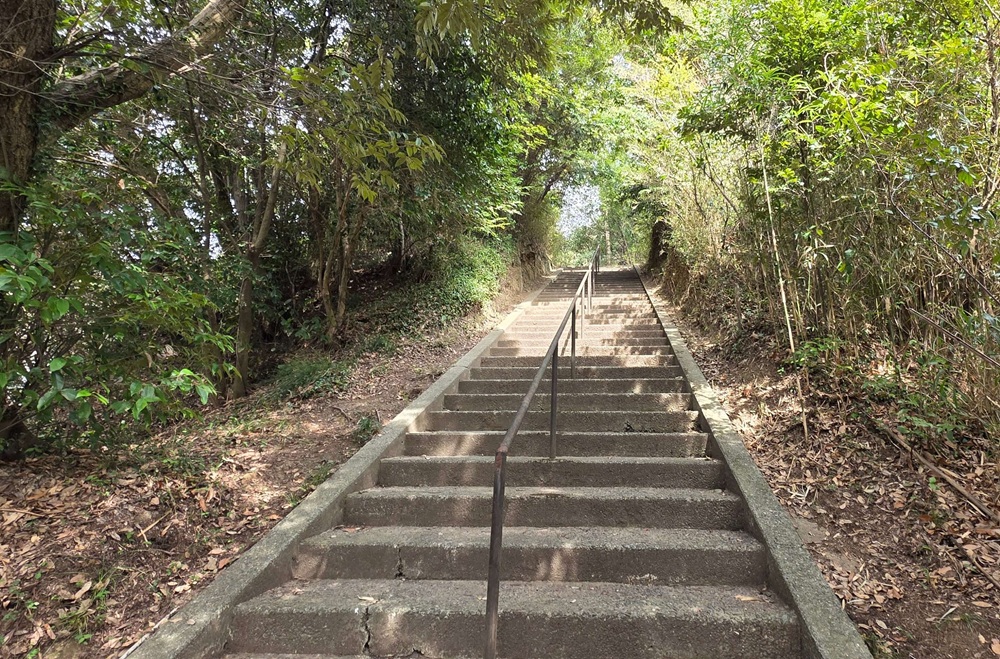
From there, follow the path uphill.
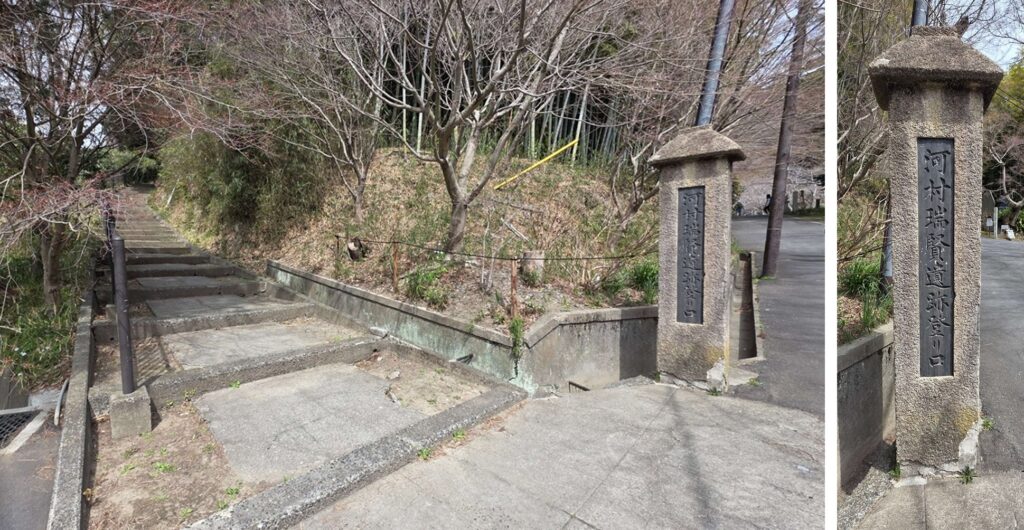
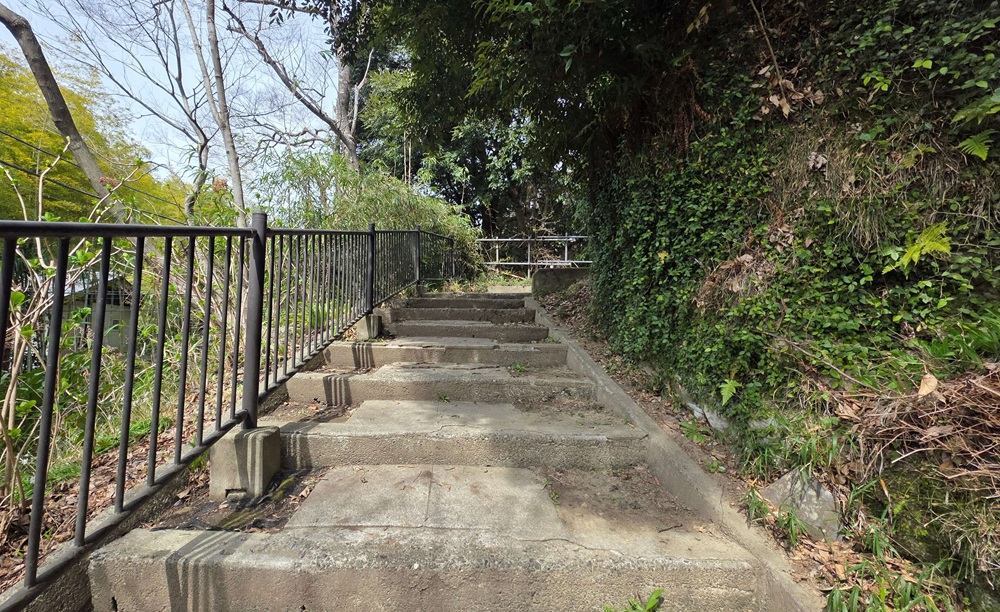
After climbing more than 100 steps, you’ll reach the site.
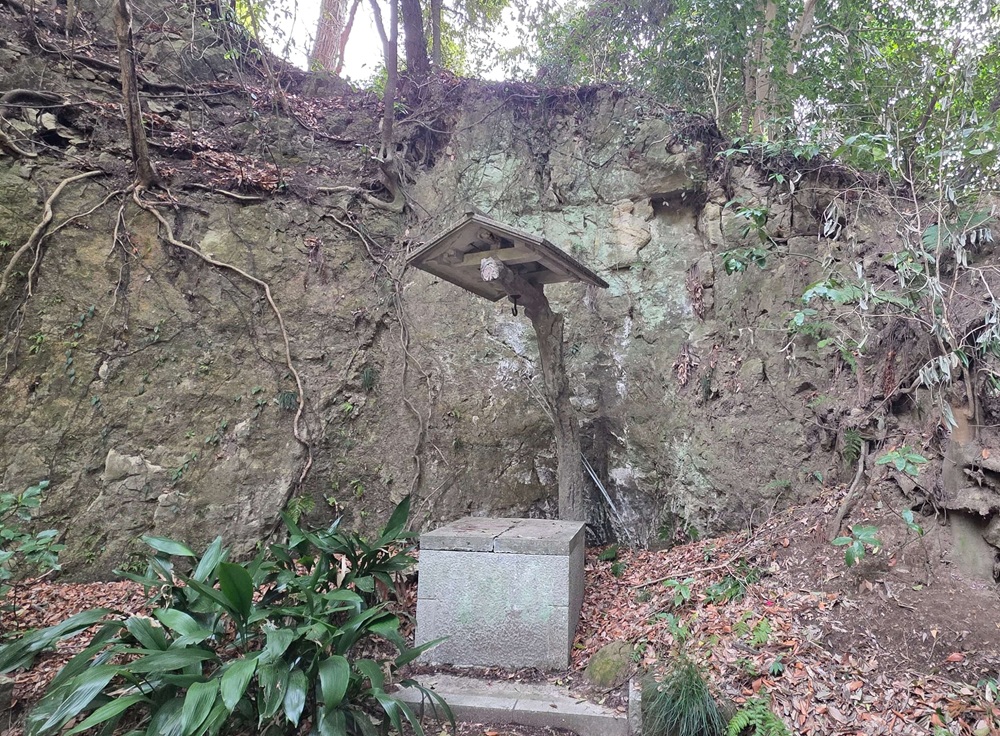
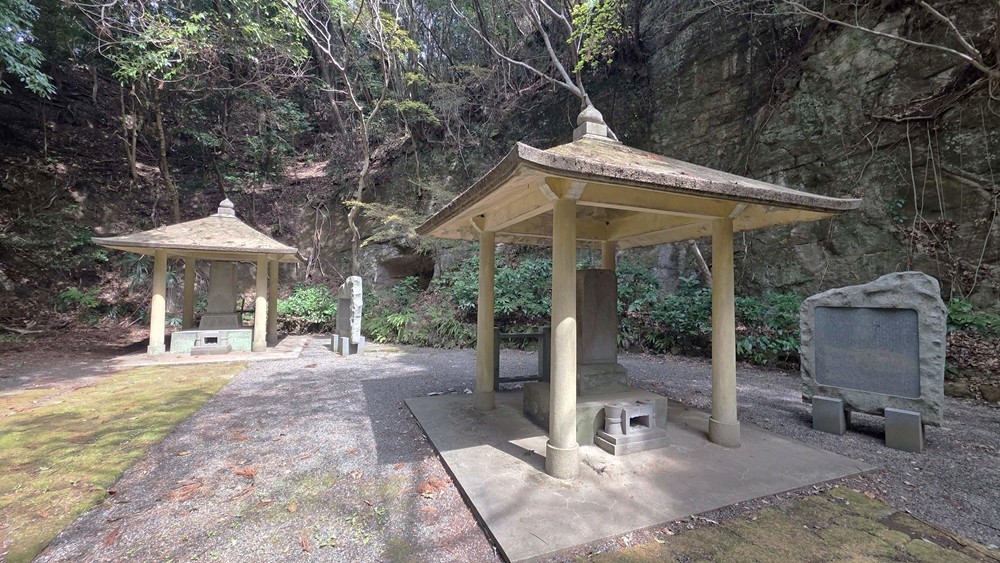
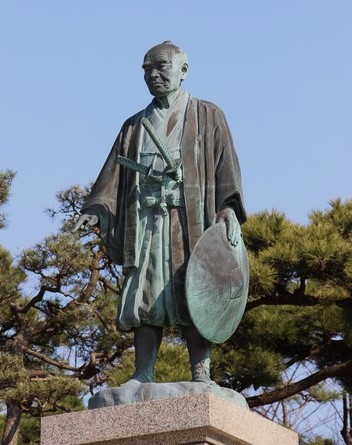
Kawamura Zuiken (1618–1699)
Kawamura Zuiken (1618–1699), the man who transformed Edo’s logistics, was a merchant active in the early Edo period who made remarkable contributions to civil engineering and maritime transport.
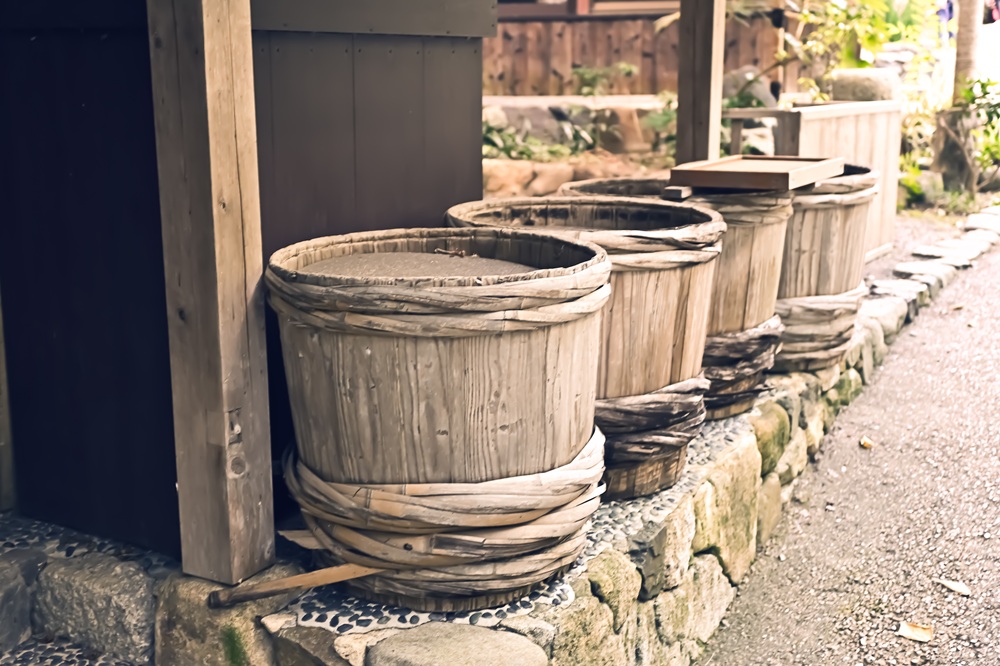
Zuiken first showed his business talent through an unexpected opportunity. On the shores of Shinagawa, he found gourds and eggplants that had been set adrift as Obon offerings. He collected them, pickled them in salt, and sold them to laborers—an idea that proved to be a great success.
He later expanded his ventures as a labor contractor and timber merchant, steadily building his wealth.
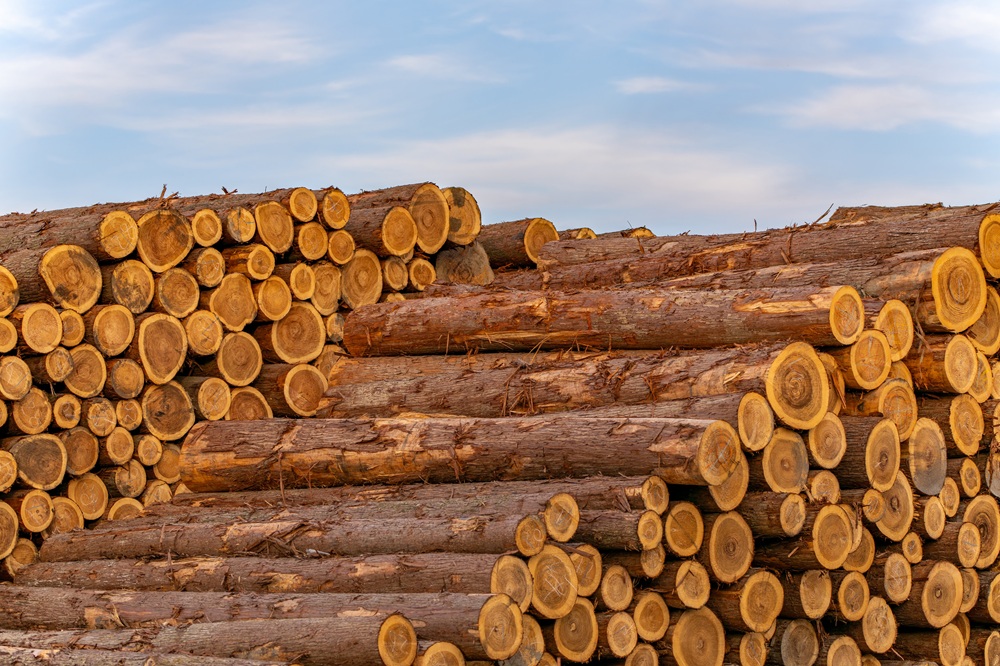
Zuiken struck gold during the Great Meireki Fire of 1657, which left Edo in ruins and created a huge demand for timber for reconstruction.
He quickly bought up forests in the Kiso region and supplied the timber, earning enormous profits. This success made him well-known even among the top officials of the shogunate.
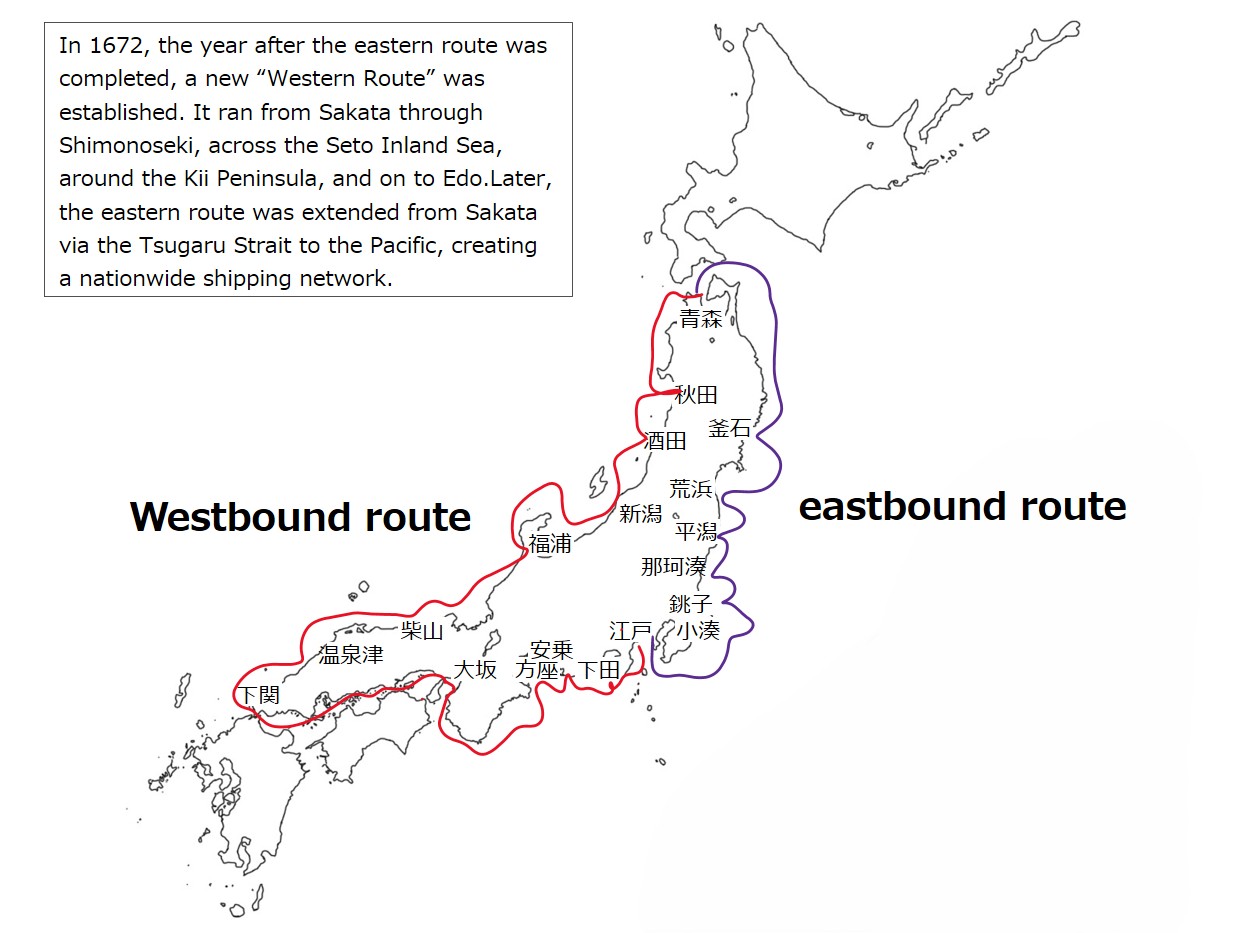
Developed the “Eastern and Western Shipping Routes.”
During a time when Edo’s growing population was causing serious rice shortages, the shogunate turned to Zuiken to improve rice transport from the Tohoku region.
Developing the Eastern Route
Zuiken created a new route from the mouth of the Abukuma River, around the Boso Peninsula, and into Edo. This innovation significantly cut both travel time and costs.
Revamping the Western Route
He also improved the Japan Sea route, establishing a path from Sakata through Shimonoseki and the Seto Inland Sea to Edo. This Western Route ensured a stable flow of goods from the Sea of Japan side, fueling the growth of Sakata and revitalizing river transport on the Mogami River.
Why Was Zuiken Buried at Kencho-ji?
Zuiken’s achievements were highly regarded, and in his later years he was granted the status of a hatamoto—a samurai in direct service to the shogunate—along with a stipend of 150 koku of rice. He passed away in 1699 at the age of 82.
His grave is located at Kencho-ji, a famous temple in Kamakura. There are two main reasons for this:
Zuiken was a follower of Zen Buddhism (Rinzai sect).
Kencho-ji was a prestigious temple with strong ties to the shogunate and samurai.
As the top temple of the Kamakura Gozan, Kencho-ji was a fitting place for Zuiken, reflecting both his faith and his elevated status as a hatamoto in his final years.
Summary
Kawamura Zuiken rose from humble beginnings to become a remarkable figure of the early Edo period. He succeeded as a merchant, reformed Japan’s maritime routes, and led large-scale civil engineering projects—truly earning his place as one of the key architects of Edo’s infrastructure.
Hydrangeas in Kamakura
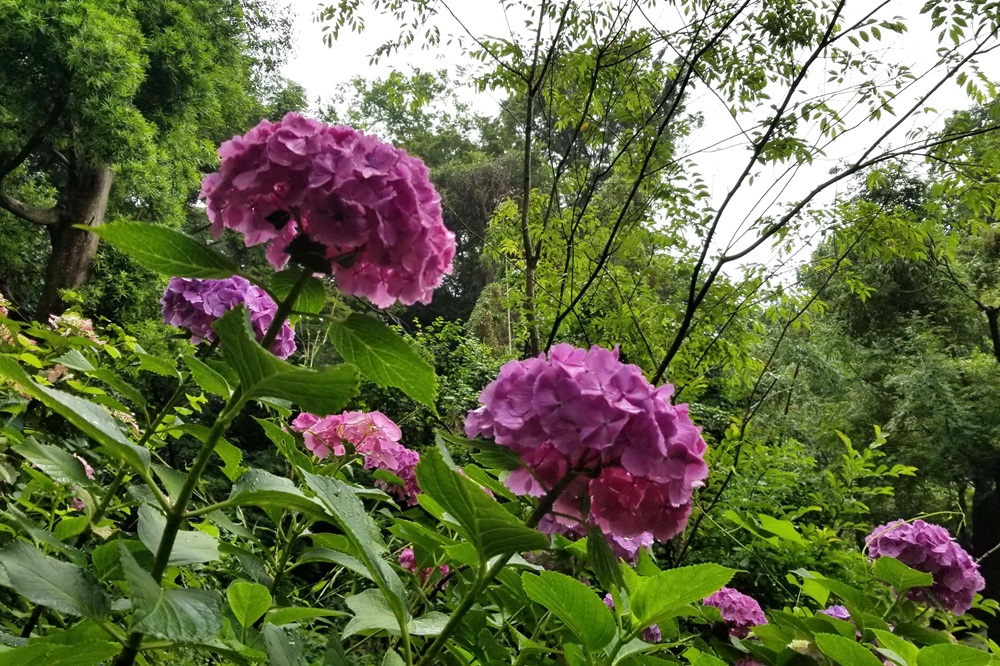
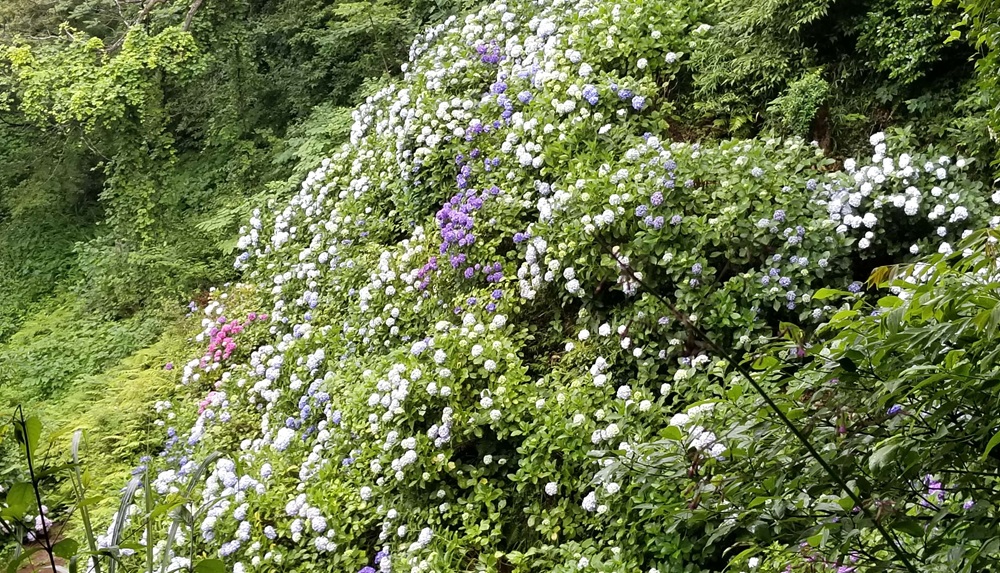
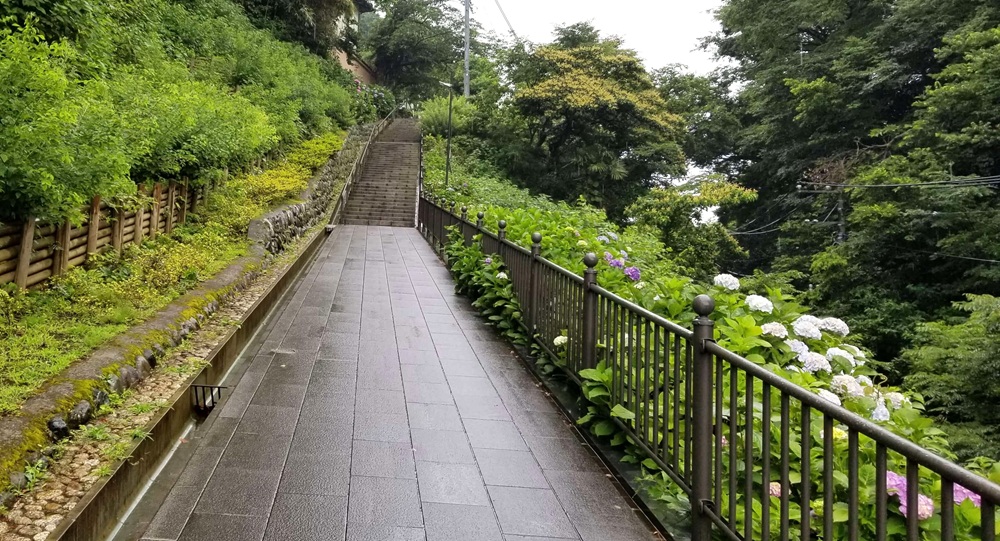
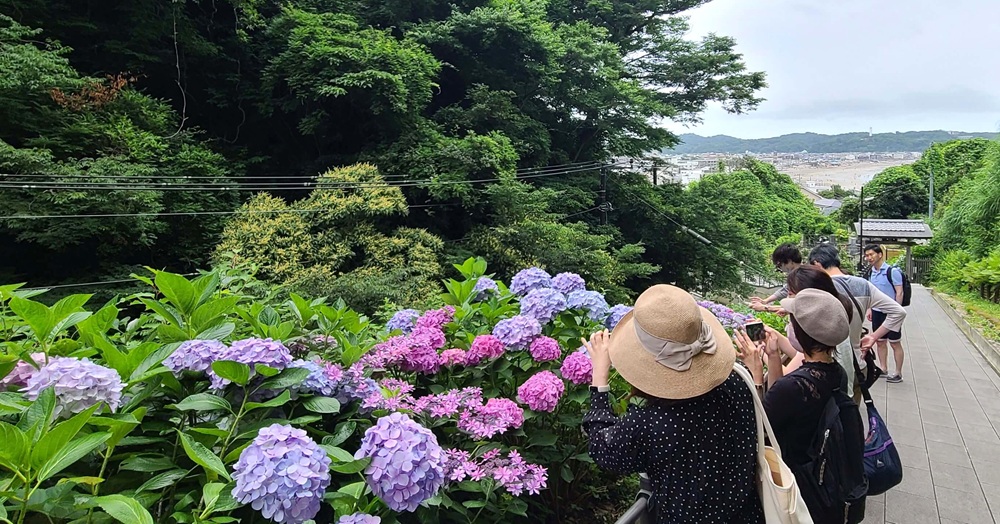
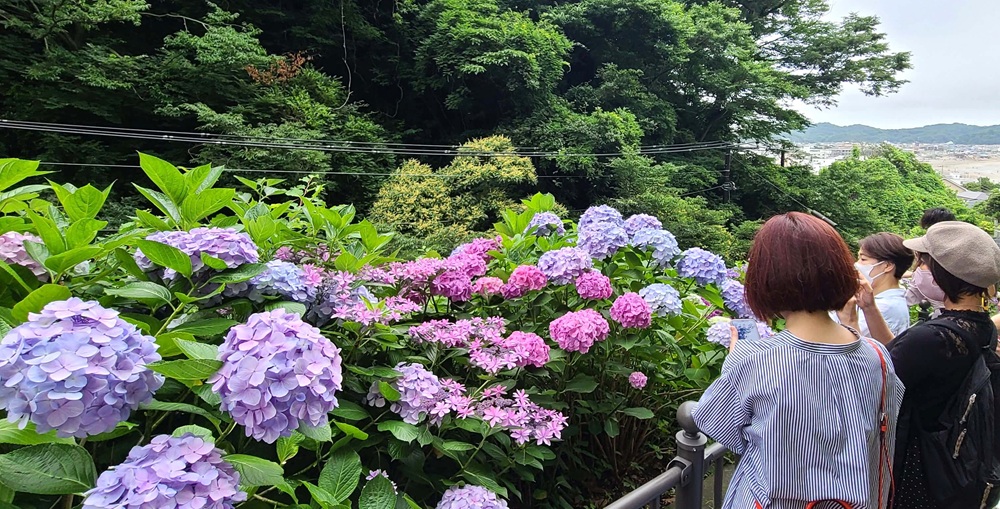
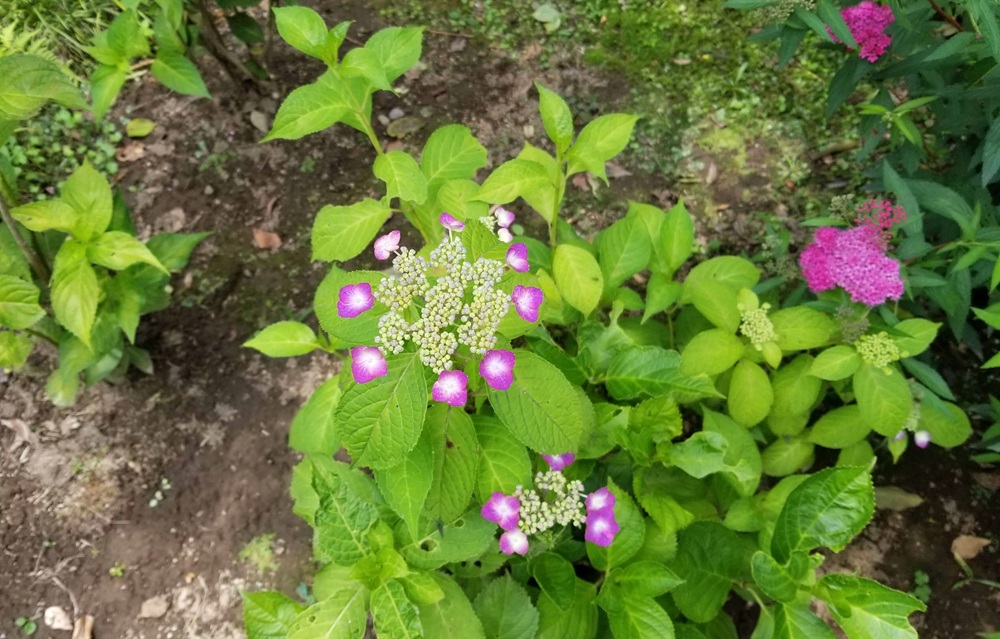
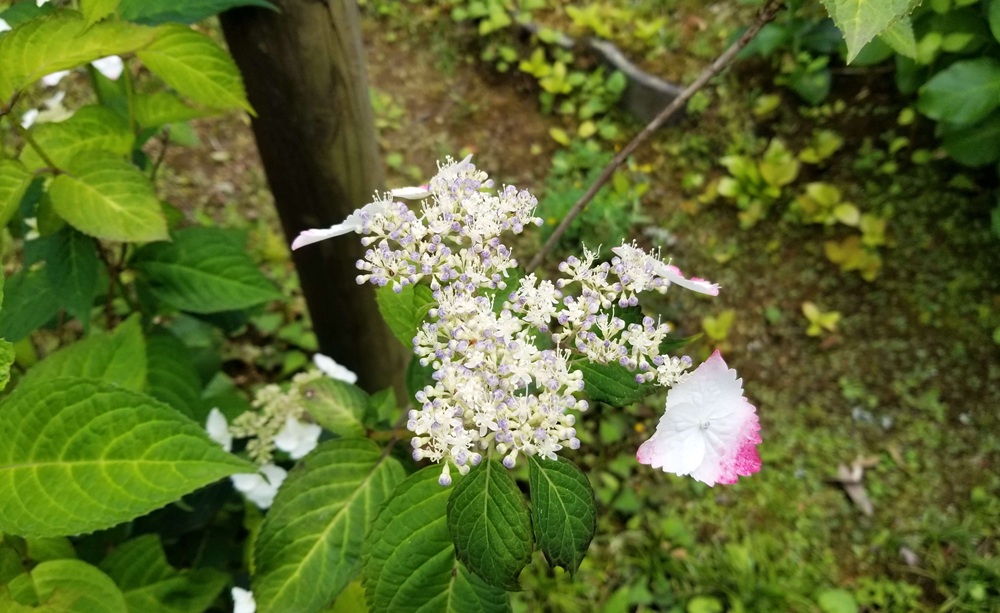
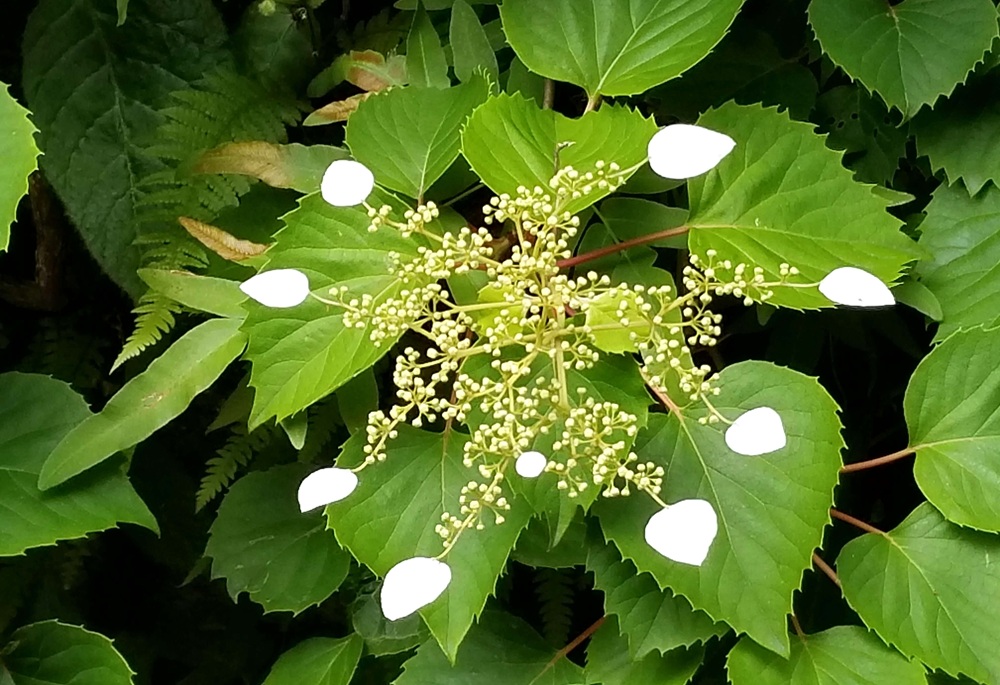
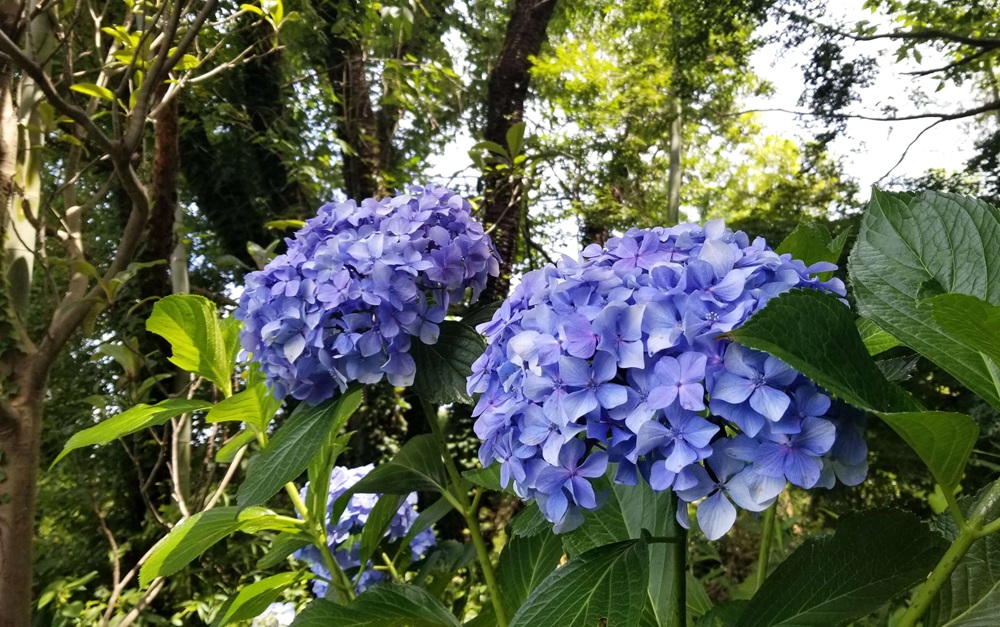
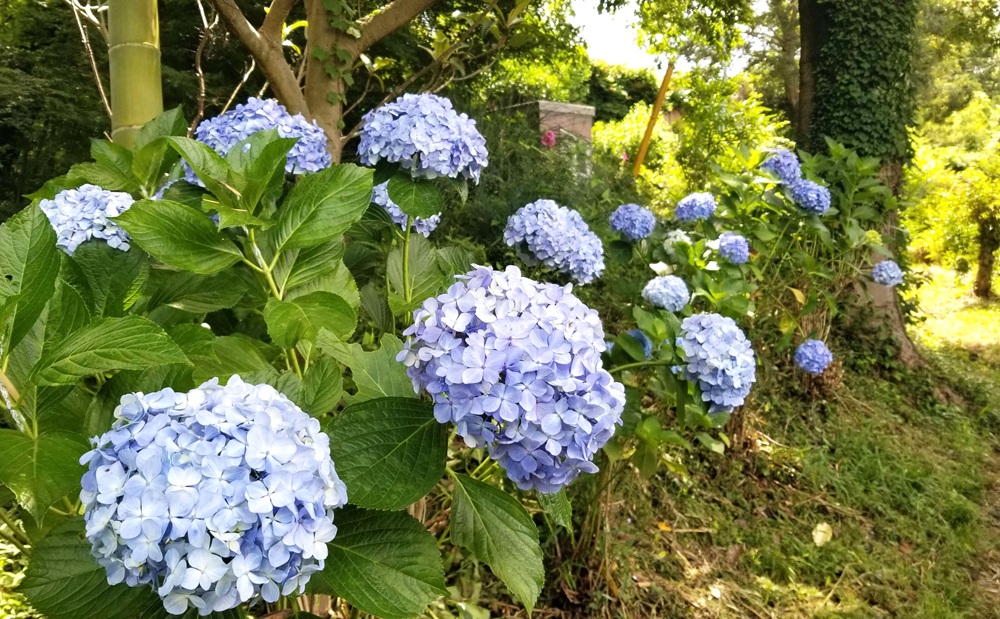
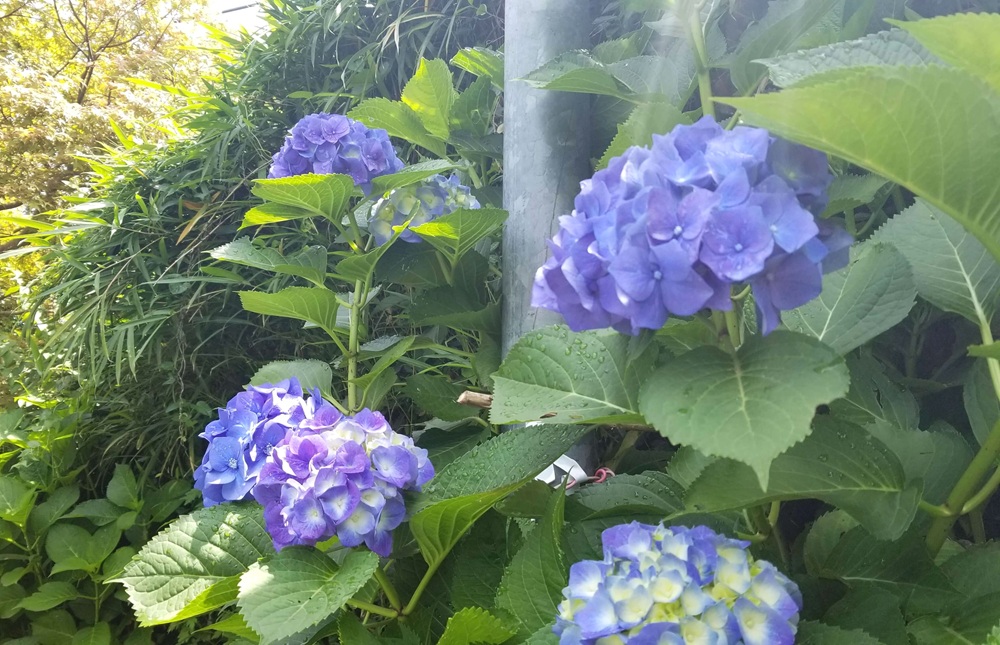
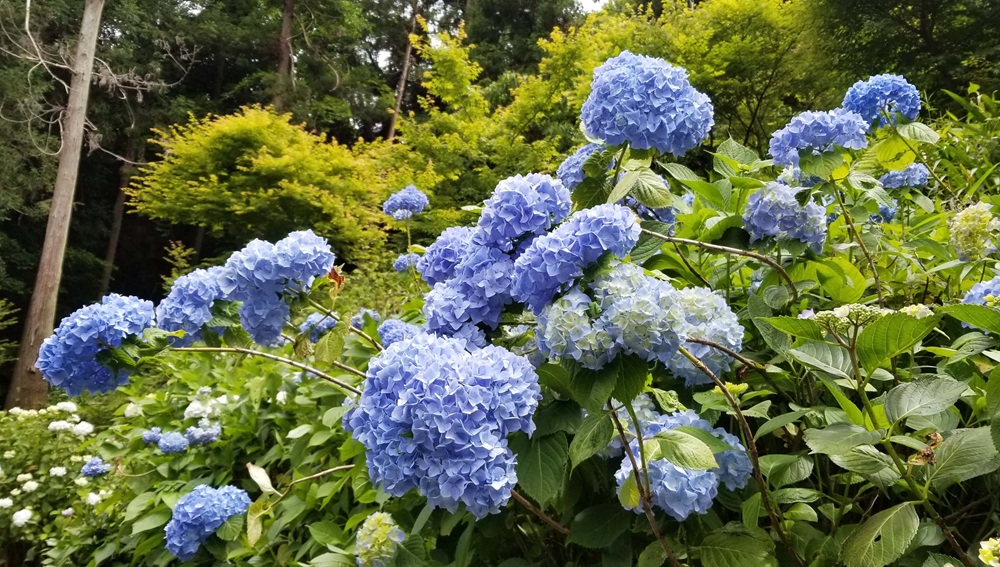
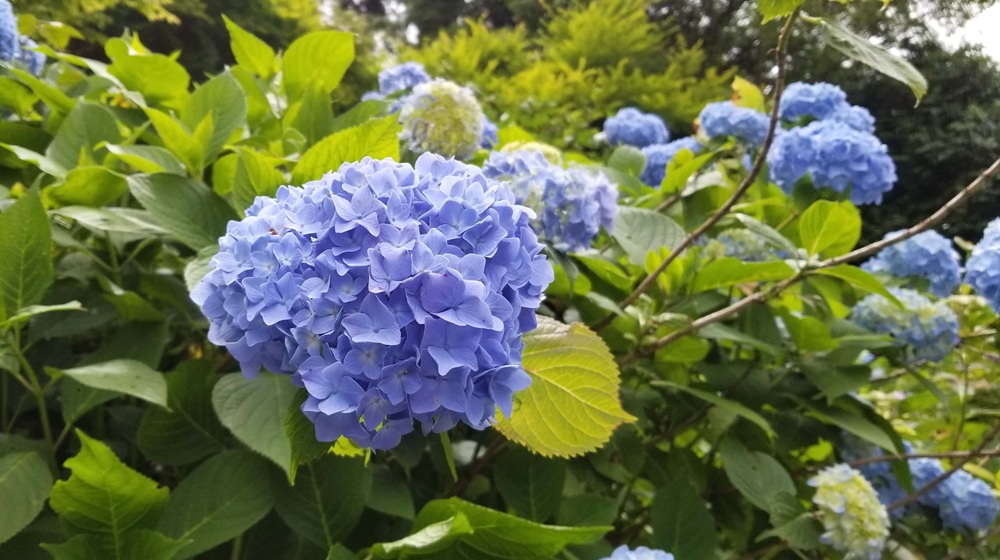
The hydrangeas in Kamakura are said to bloom from late May to late June, but the second week of June often seems to be the best time to see them in full color.
Hydrangeas can also be enjoyed within the grounds of Kencho-ji Temple.
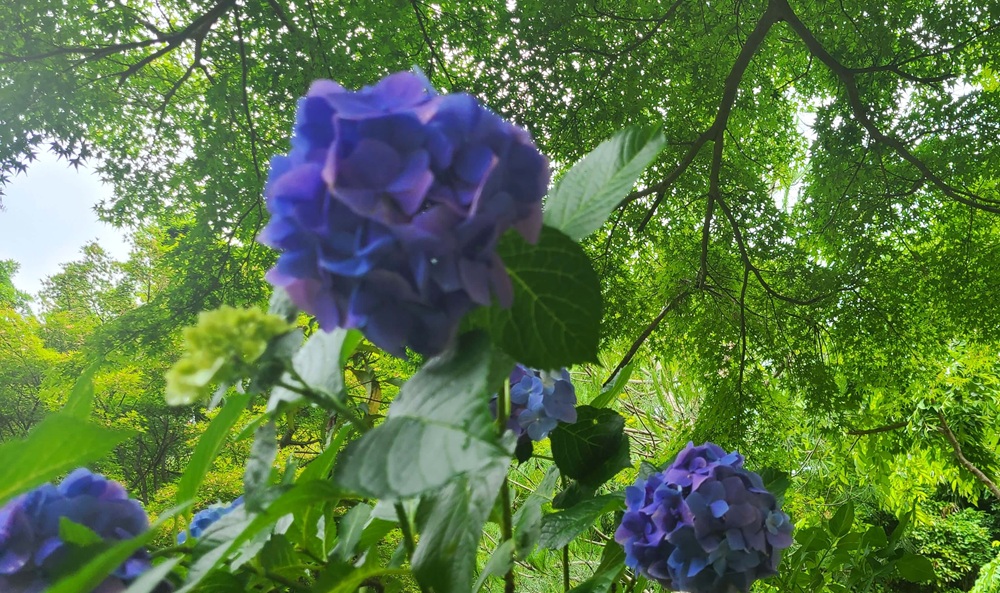
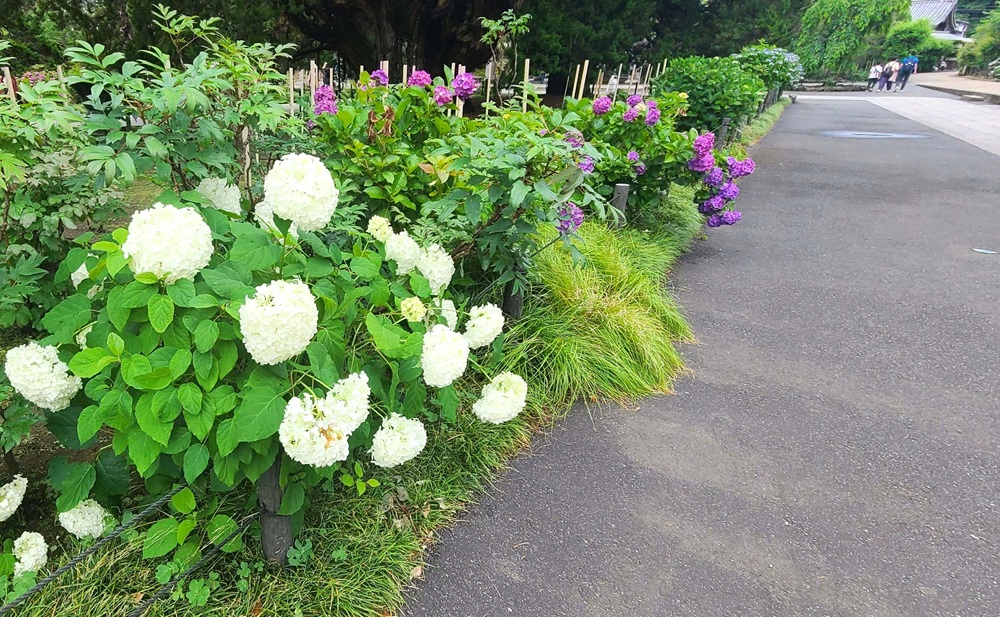
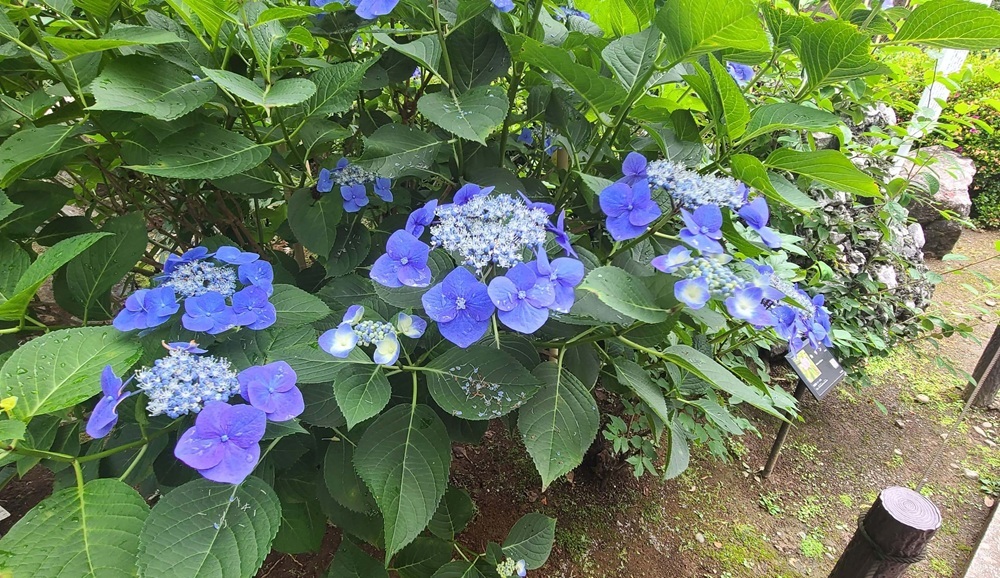
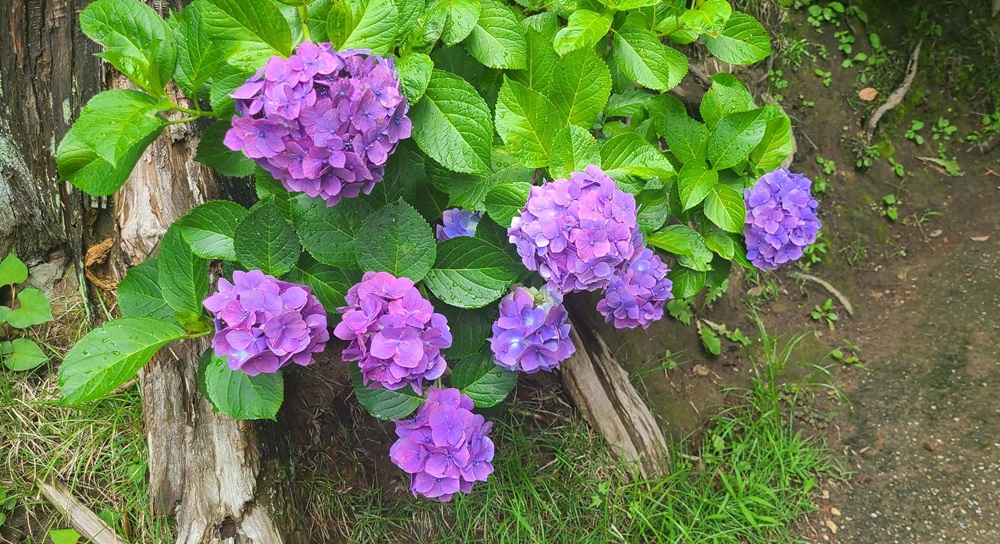
In Kamakura, the temples most famous for hydrangeas are Hase-dera and Meigetsu-in. Both can get very crowded during the peak season.
At Hase-dera, timed entry is required. During the height of the bloom, the hydrangea path can become extremely congested. In addition to the regular admission fee (400 yen for adults, 200 yen for elementary school students), visitors who want to enter the hydrangea path must purchase a Hydrangea Ticket for 500 yen (elementary school age and up).
Tickets can be reserved online in advance, or purchased early in the morning on the day of your visit. Be aware that if you try to go in the afternoon during peak season, tickets for the hydrangea path are likely to be sold out. (Information as of 2025.)
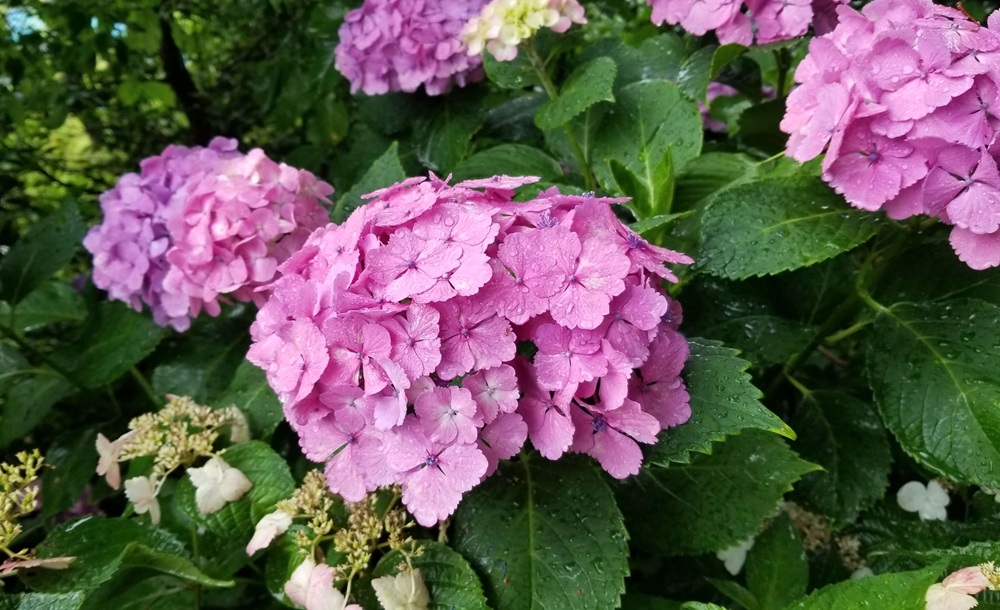
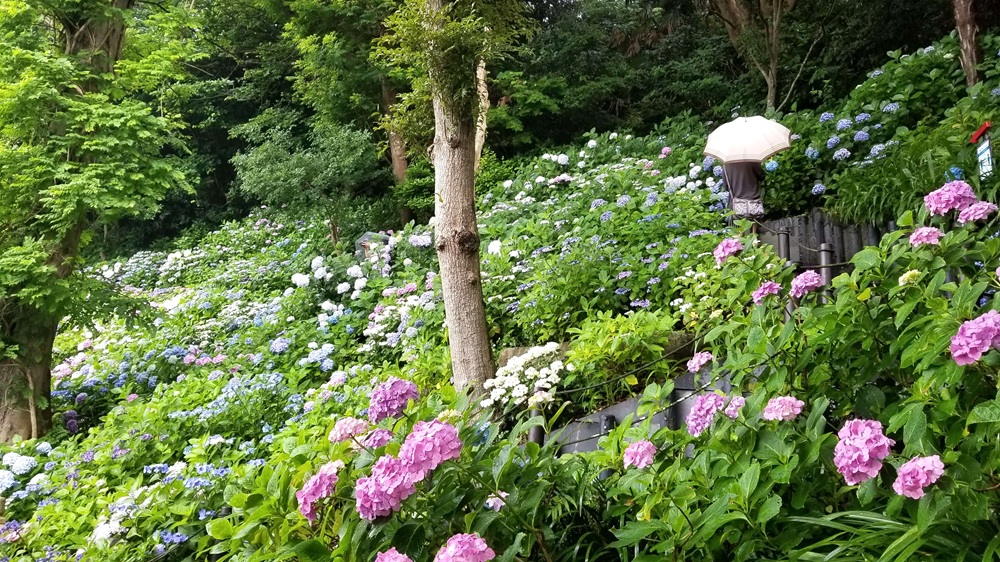
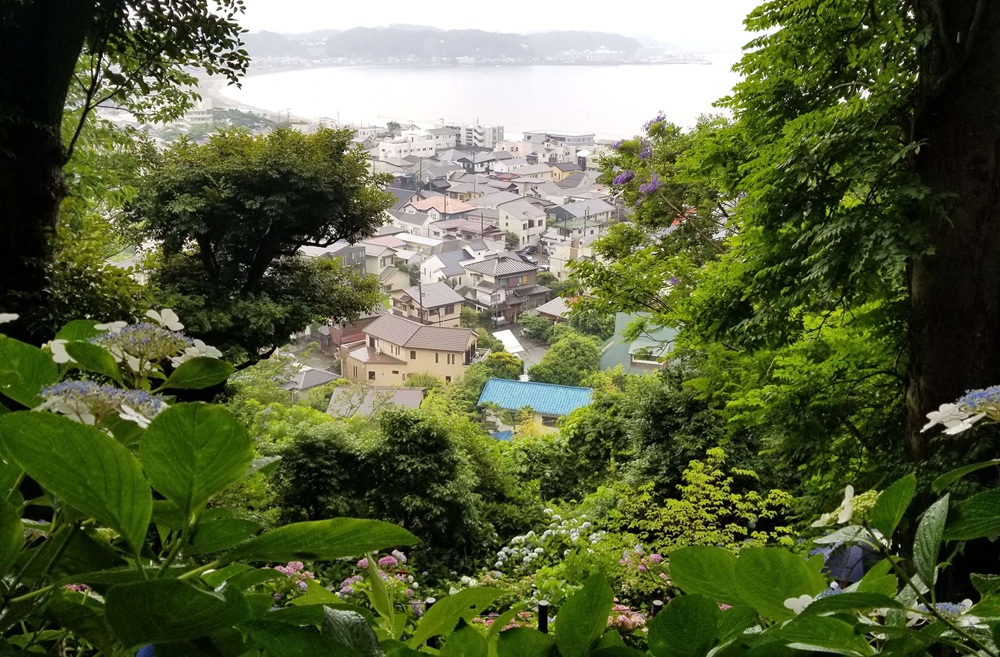
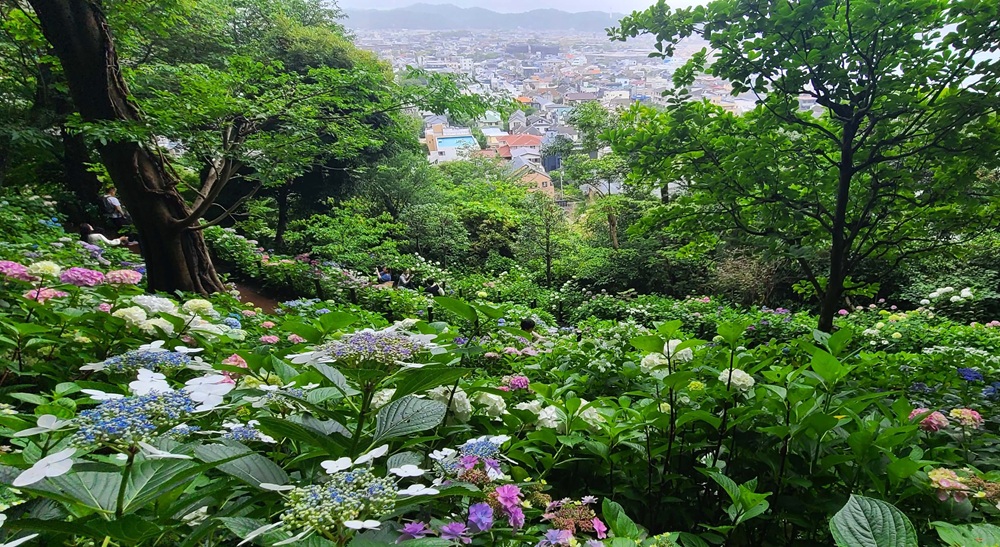
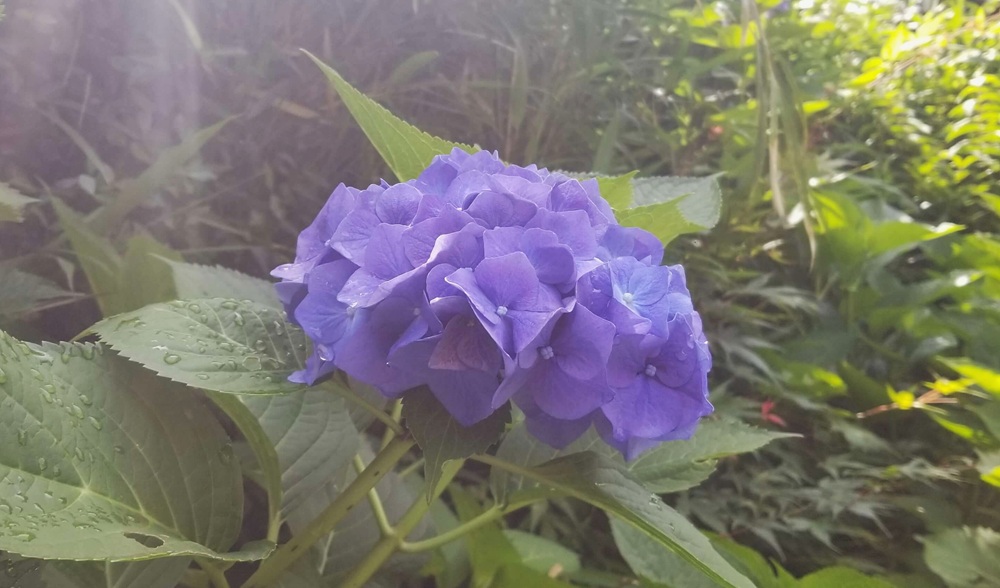
At Meigetsu-in, long lines often form in front of the main gate during hydrangea season. The temple is famous for its striking blue hydrangeas, often called “Meigetsu-in Blue.”
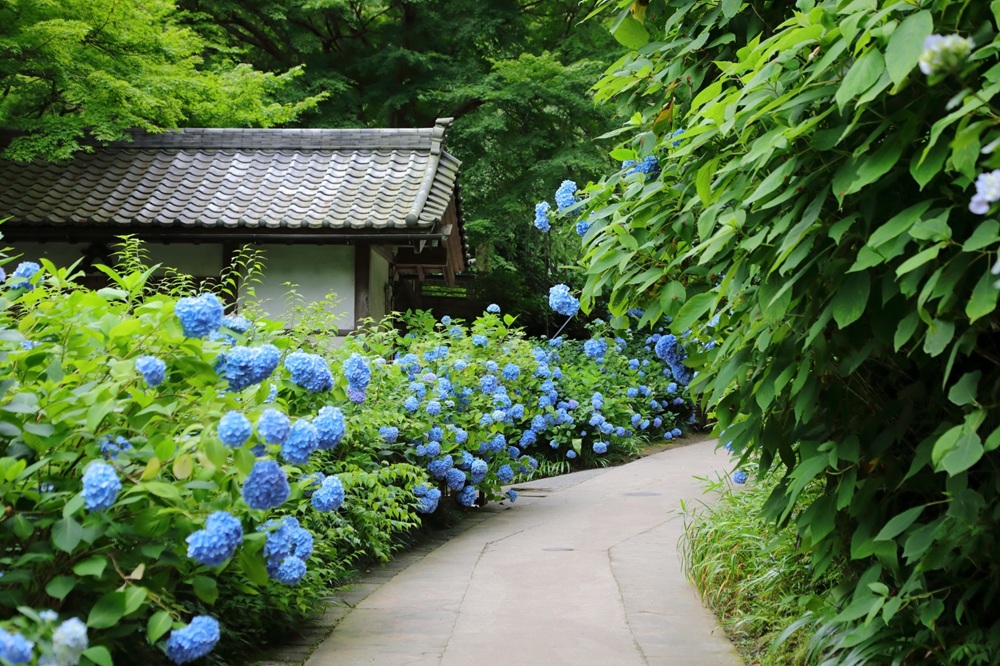
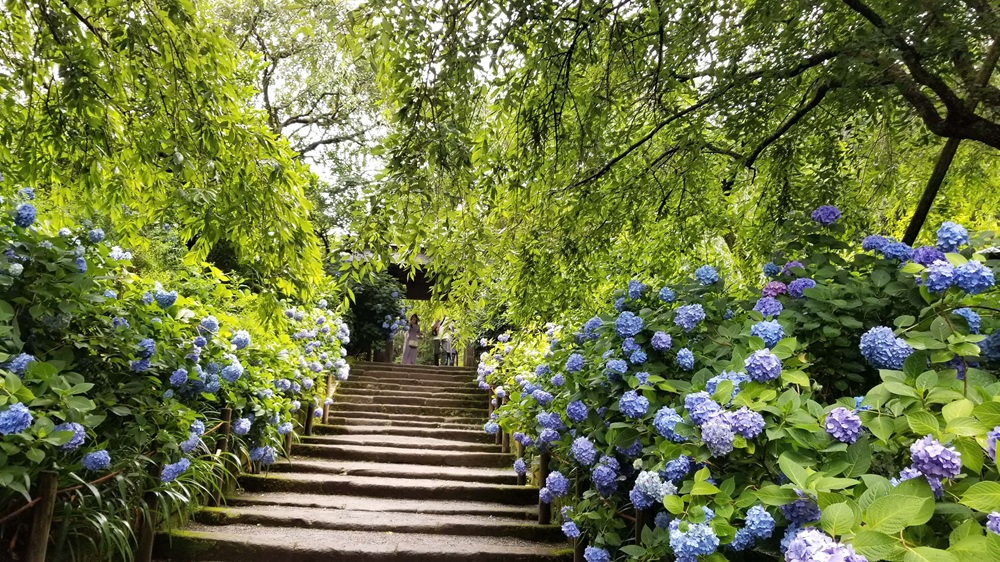
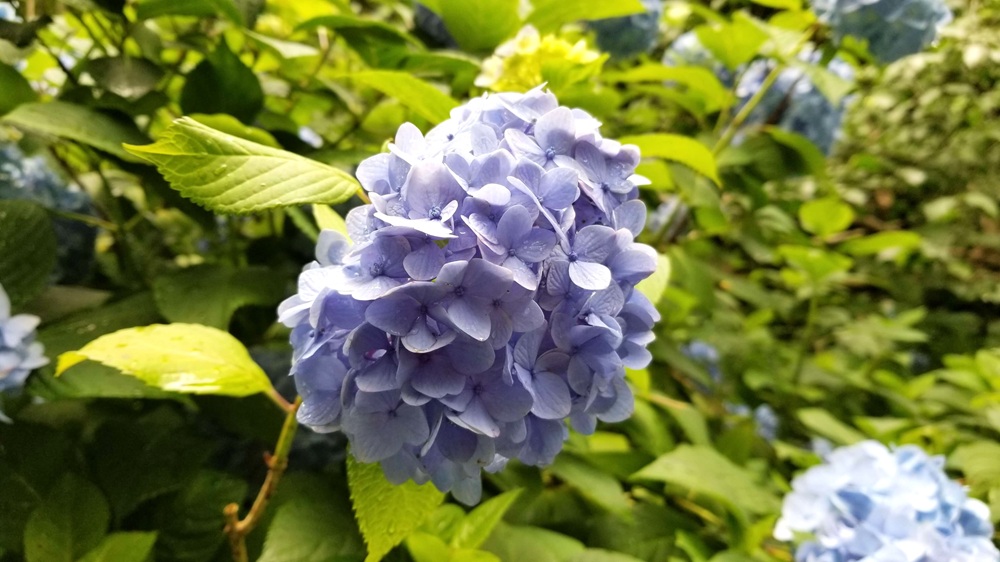
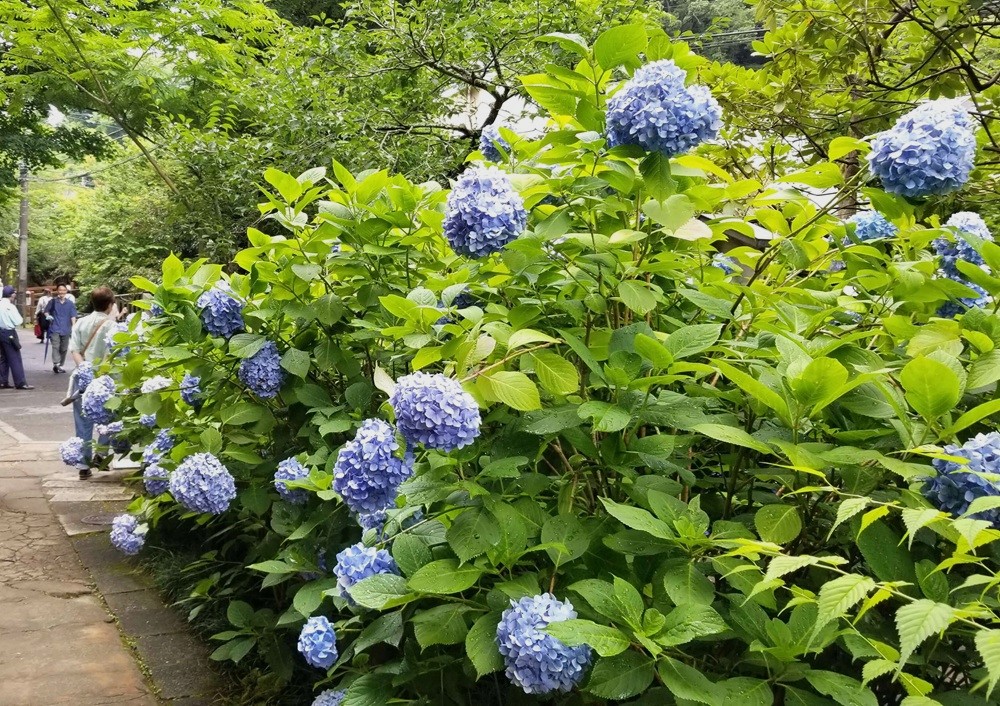
Visiting either temple early in the morning, around 8 a.m., gives you a much better chance of entering smoothly. So set your alarm and make the most of the quiet, beautiful morning visit!
Other spots I’d recommend include…
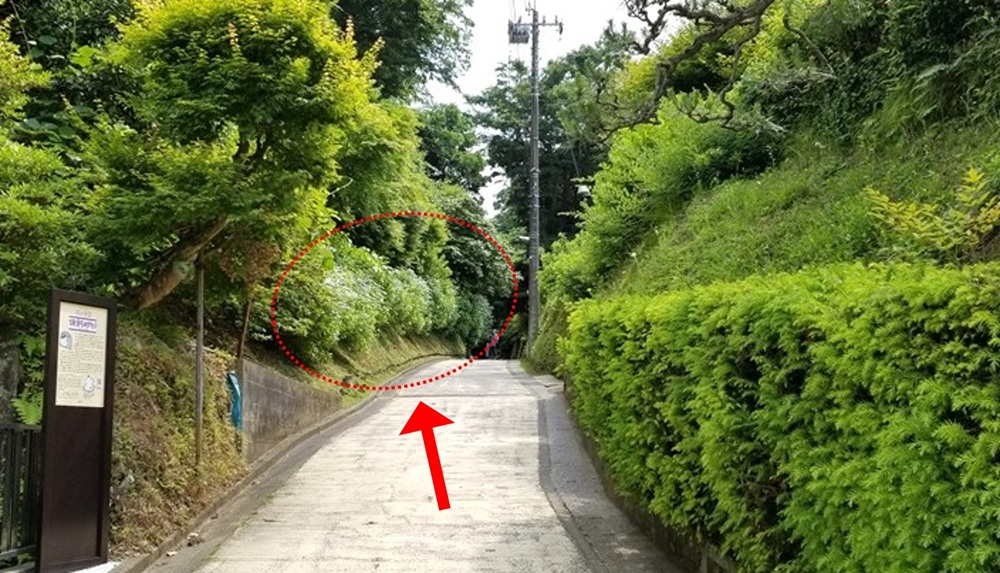
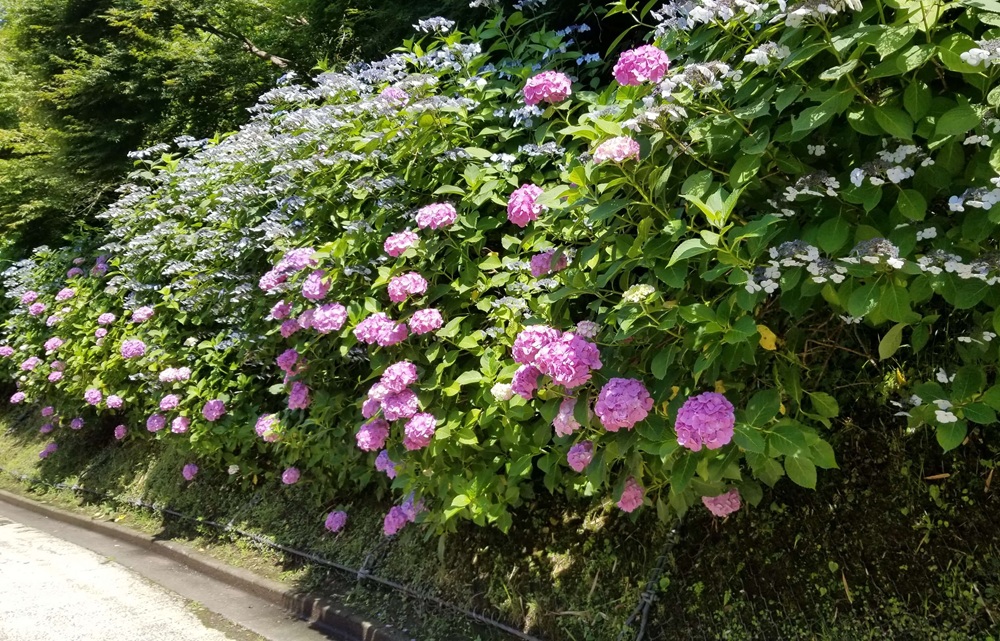
①Along the path beside Chouju-ji Temple, heading toward Kamegayazaka, hydrangeas bloom beautifully. Since this is along the street, viewing is free of charge.
②Myōhō-ji
The hydrangeas can be found on the hillside behind the temple.
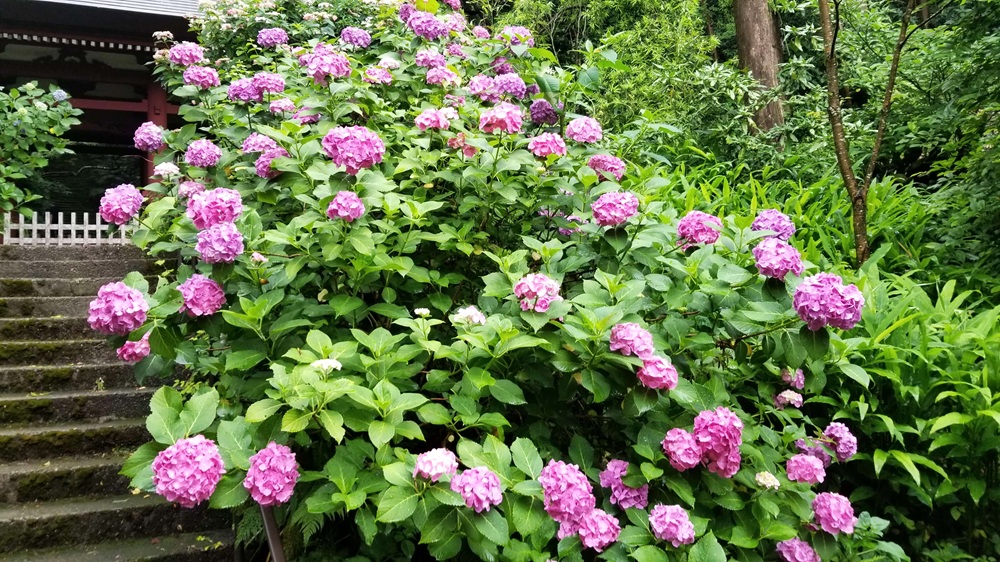
After passing through the main gate, Daikaku-den, and Niō-mon, climb the moss-covered steps, keeping the Hokke Hall to your side. Continue further up toward the tomb of Prince Morinaga at Ōtō-no-miya, and you’ll find the hydrangeas on the other side of the hill.
③Jōju-in
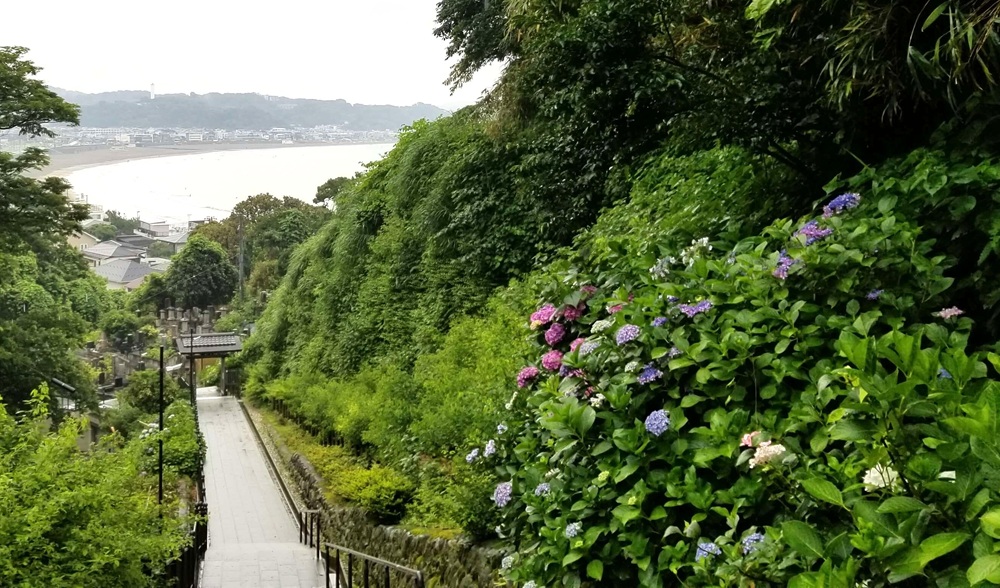
There used to be more hydrangeas here, but in 2019, 262 plants from the Jōju-in approach were donated to Minamisanriku in Miyagi Prefecture. Since then, new hydrangeas have begun to bloom again, bringing fresh color to the temple grounds.
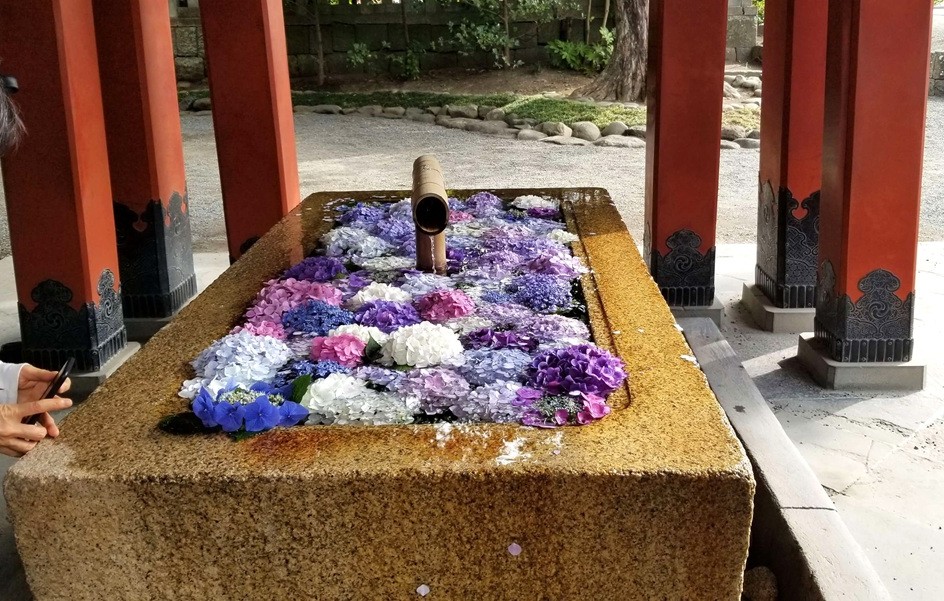
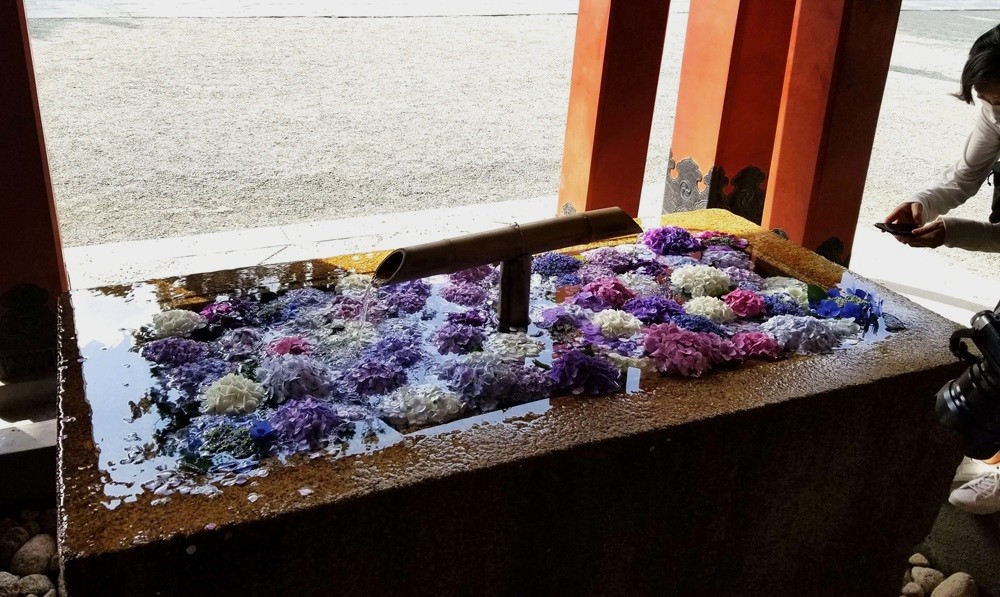
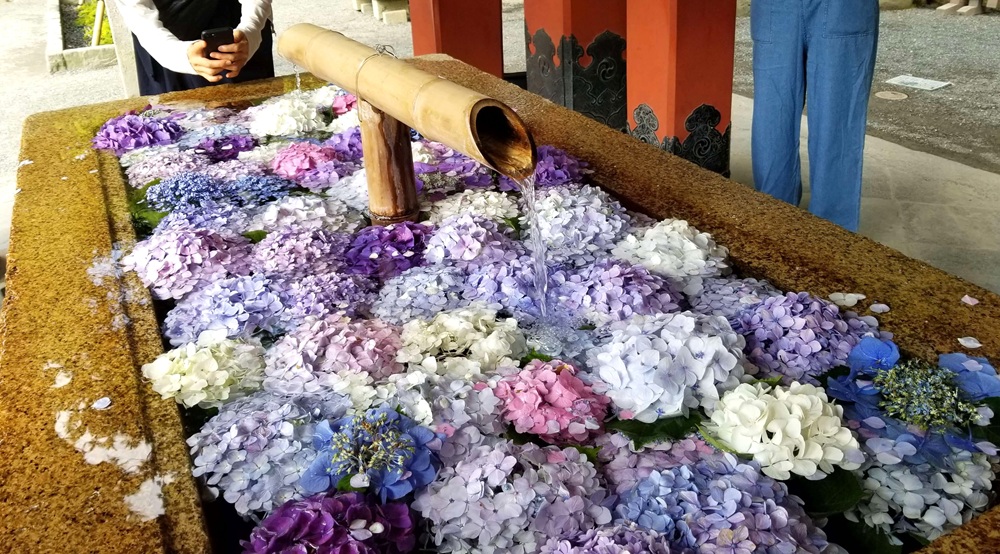
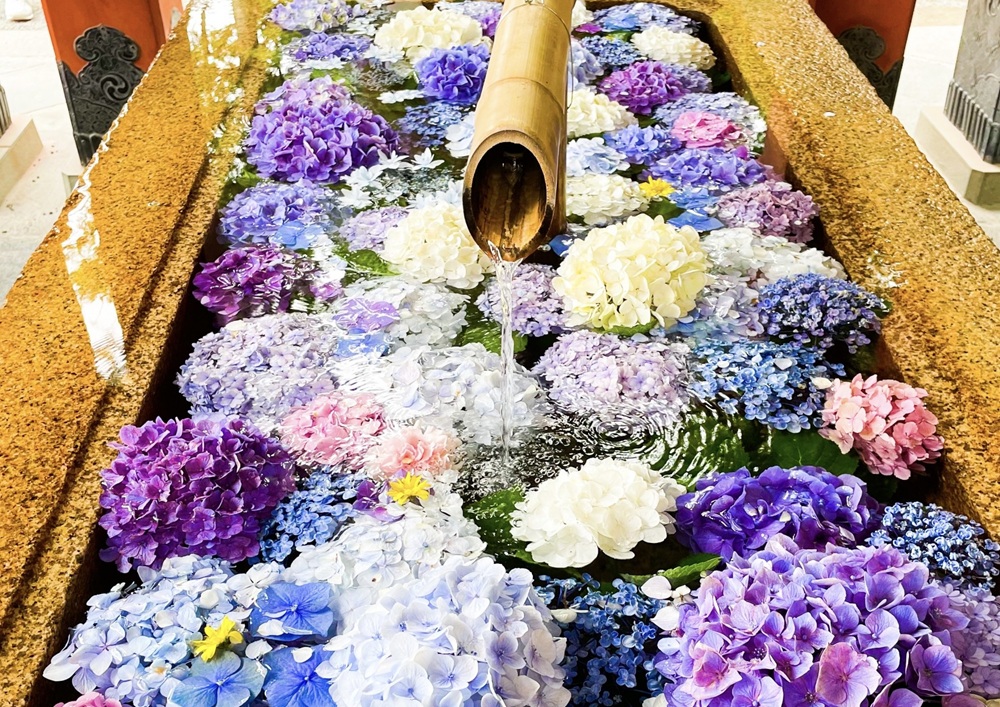
④Tsurugaoka Hachimangu tyouzusya
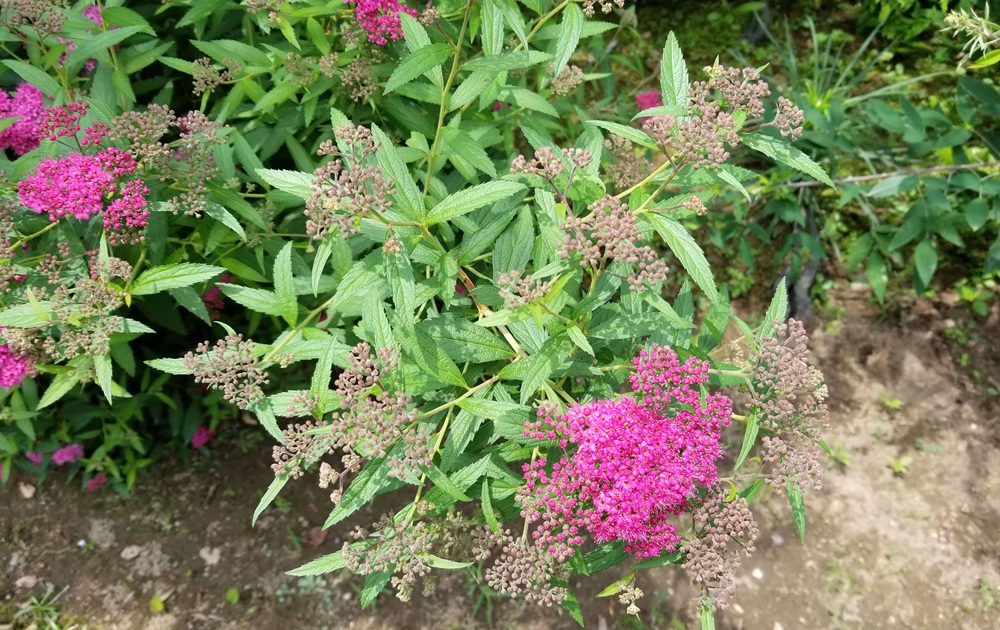
⑤Tōkei-ji Temple
Please note that taking photos inside the temple grounds is not allowed at this time.
⑥Other Hydrangea Spots
コメント