光明寺の十夜法要について知ろう
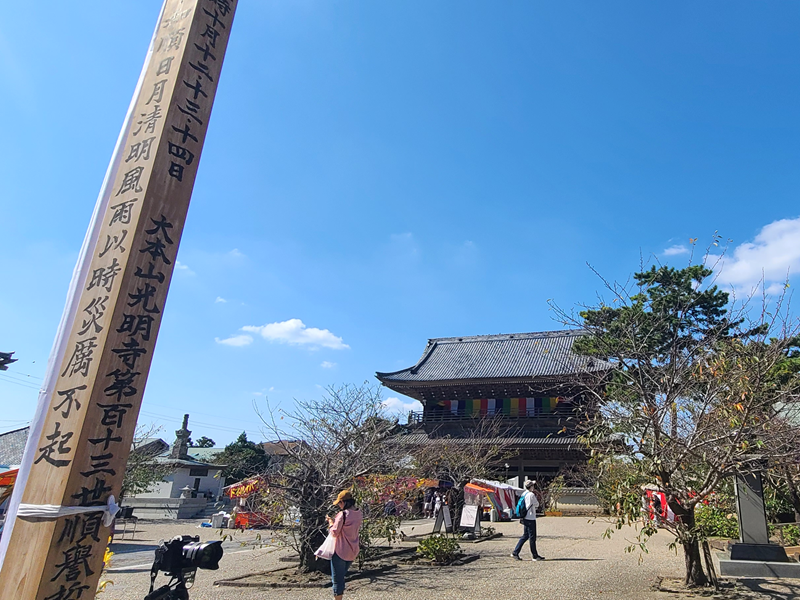
全国の浄土宗寺院で十日十夜行われる念仏で、「十夜法要」とか「お十夜」とか呼ばれます。昔は十日間にわたって行われていましたが、現在は10月の12日から15日までの3日間になっています。
1495年に後土御門天皇の勅許で始められました。期間中に念仏すると千年の修行に値すると信じられ、多くの信者が集まります。(出典:原田寛『鎌倉のまつり・行事 小事典』かまくら春秋社、2012)
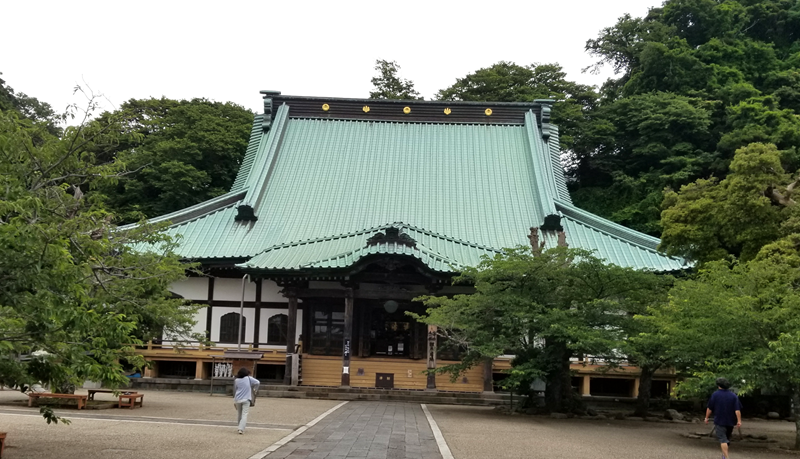
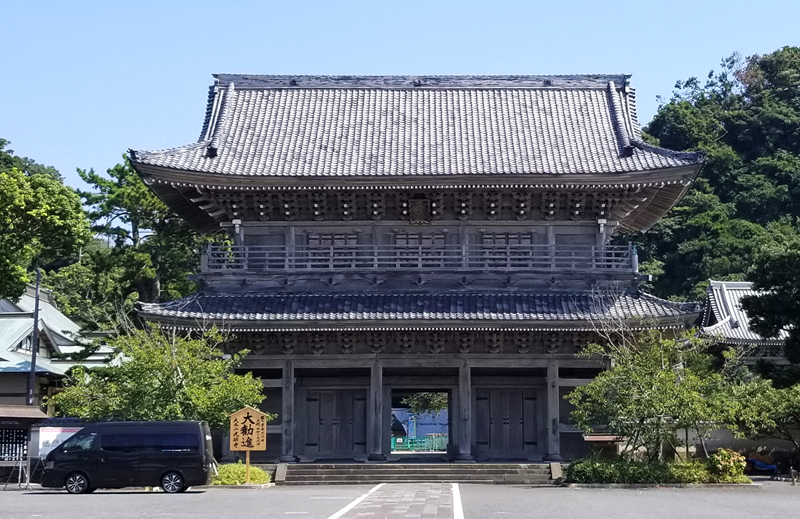
光明寺の十夜法要は、古式に従い、引声阿弥陀経・引声念仏によって行われ、昼夜にわたり参拝の人々で賑わっています。
後土御門天皇の時代は、いわゆる戦国時代で、打ち続く戦乱の中で庶民は生活に困窮し、まさに餓鬼・地獄の様相を現していました。天皇はいたくこの事を悲しまれ、一日も早く安穏に暮らせるように平和と安泰を望まれて、浄土宗に十夜法要を勅許されました。
その念仏の道が世に光明となって弘まる時、今の世、後の世に安楽な生活が約束されるのです。(出典:光明寺十夜法要)
開催時間・お勧めポイント
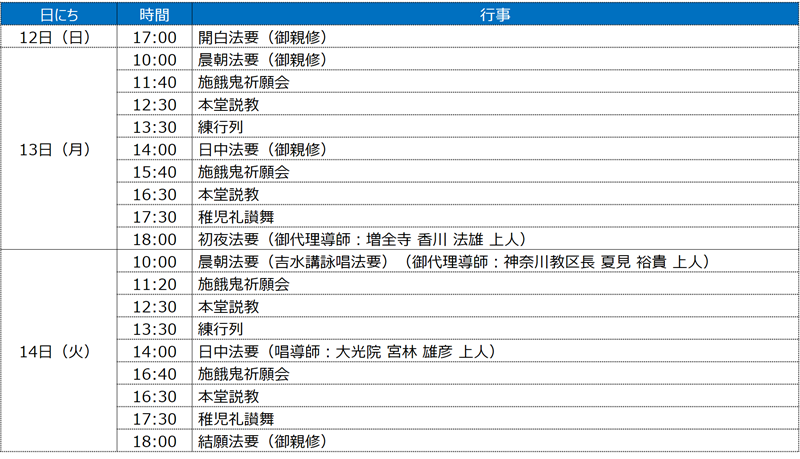
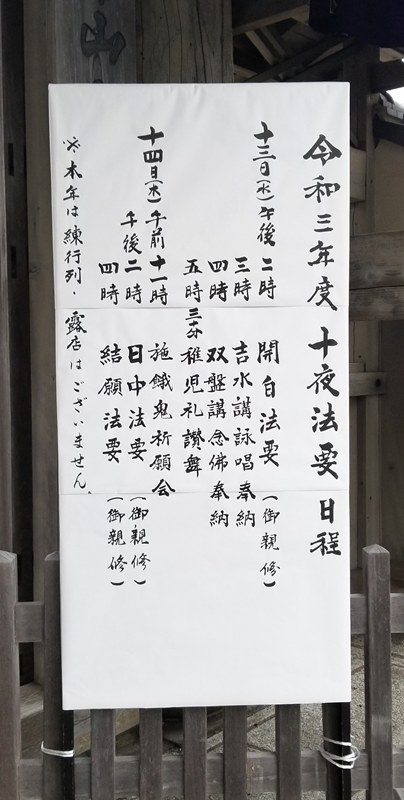
日程:10月12日(日)~14日(火)
スケジュールは下記の通りですので、スケジュールをご覧いただき、お時間のある時にどうぞ!
個人的には、13日か14日の施餓鬼会から本堂での説教、練行列あたりでしょうか・・
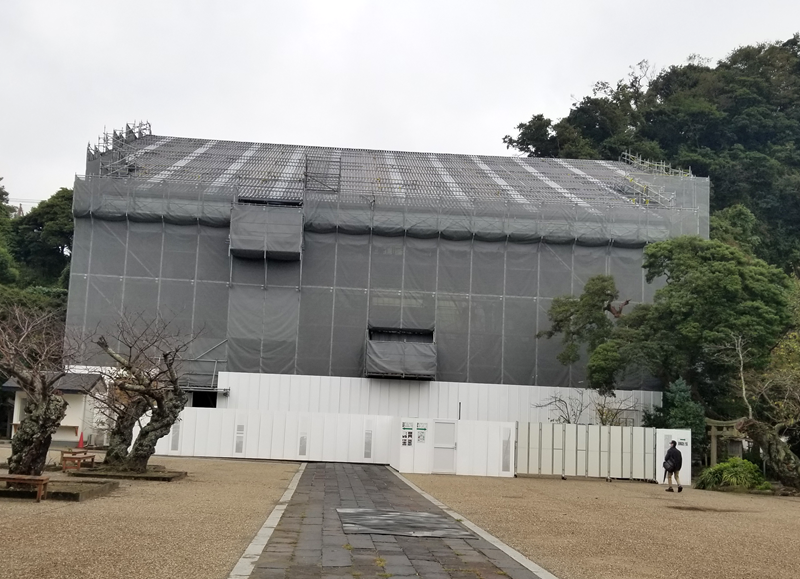
現在、光明寺の本堂は令和の大改修、浄土宗開宗850年慶讃事業「重要文化財本堂保存修理工事」中です。2020年春から工事が始まり、10年はかかると言われていますので、早くて2030年・・あと5年ですね(伸びるかも)。でも工事中の姿を見るのも今だけですので、それはそれで必見かもしれませんね。
大殿の修理の状況は動画で見ることが出来ます。 👉光明寺 大殿修理工事ダイジェスト
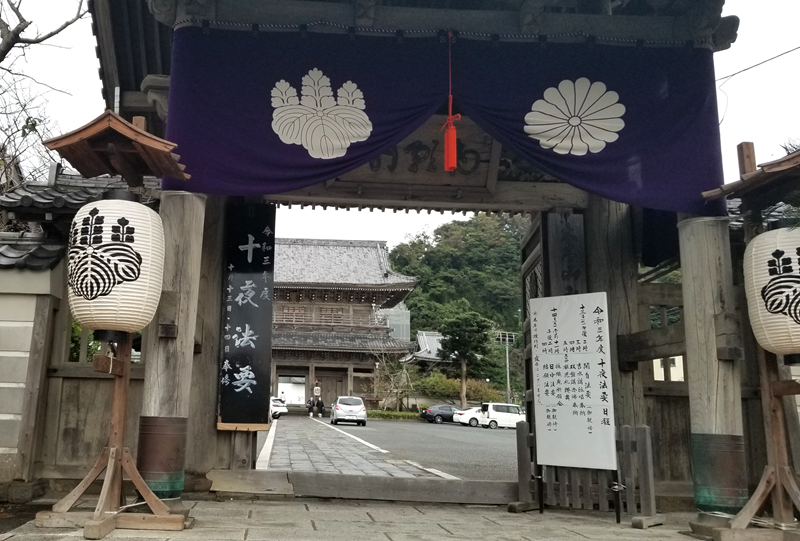
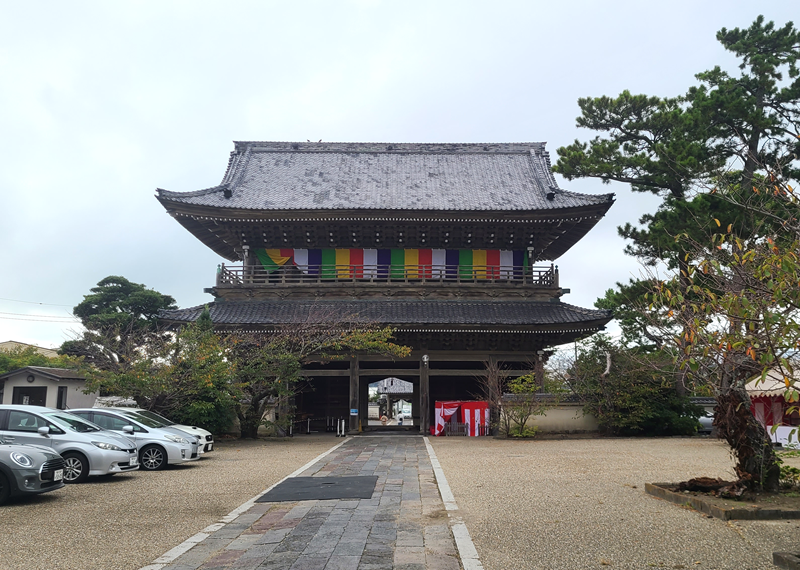
期間中は光明寺の山門も特別公開されますので、ぜひ!
山門楼上には釈迦三尊、四天王、十六羅漢が安置されています。また、山門はぐるりと一周できますので、材木座海岸、由比ガ浜、遥かには江ノ島、富士山を一望できます。
(拝観料500円)
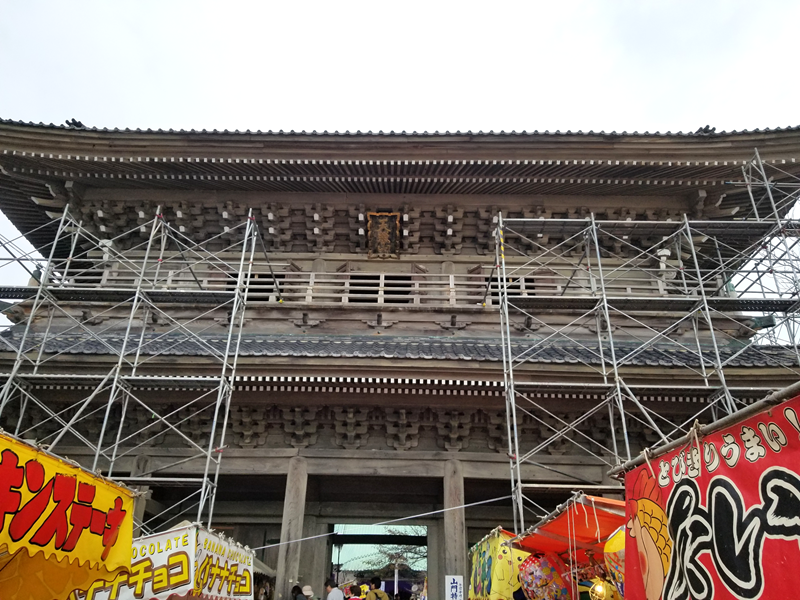
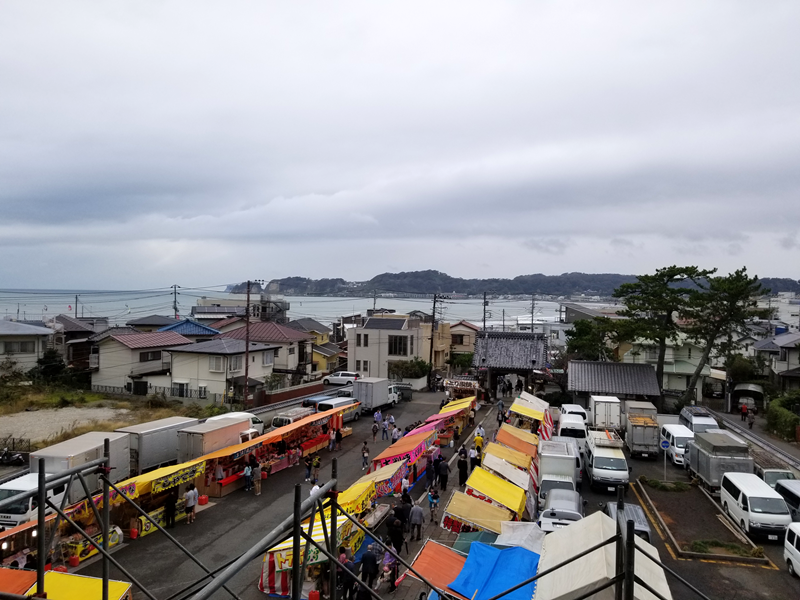
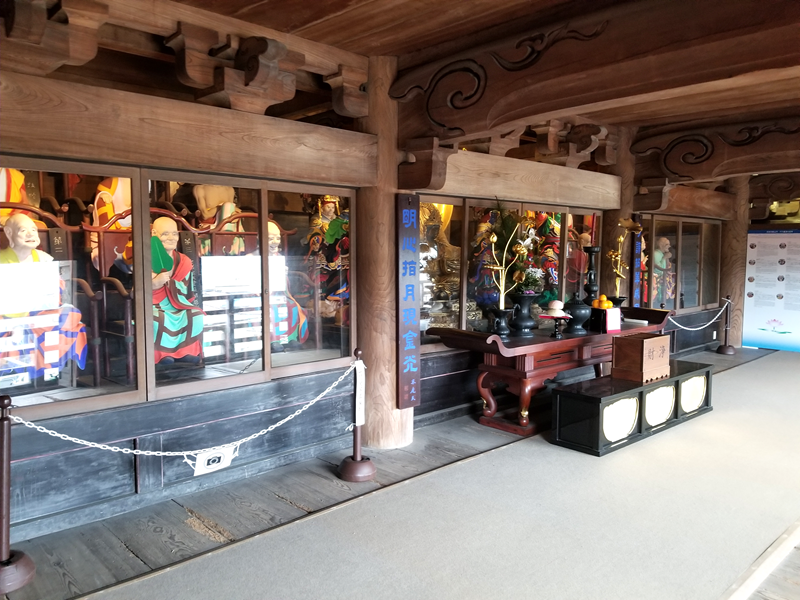
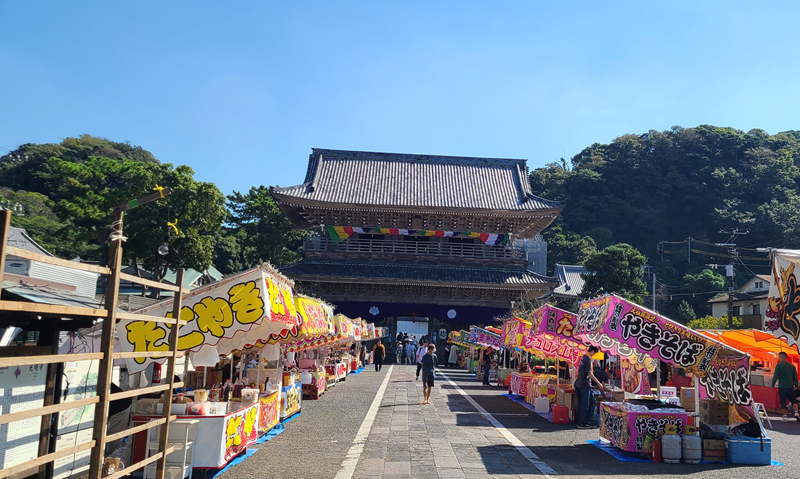
参道にはたくさんの出店が並びます。そちらも楽しみです!
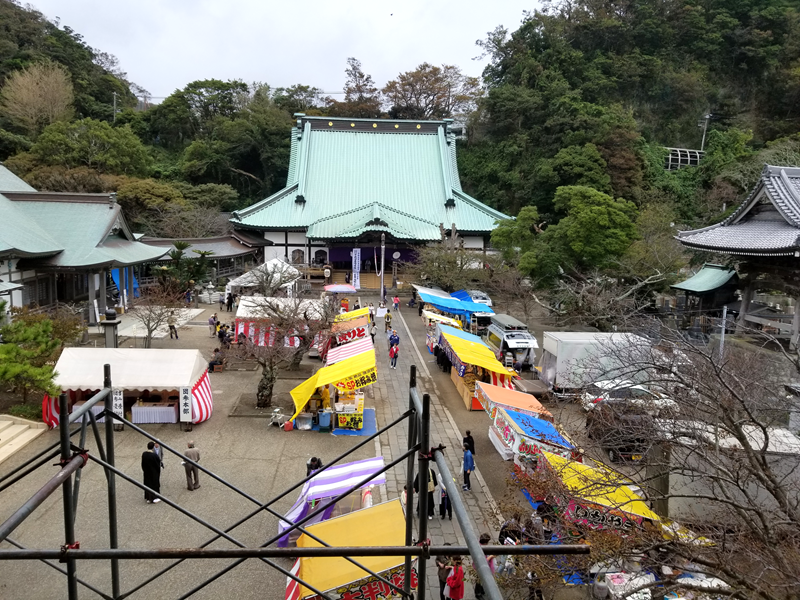
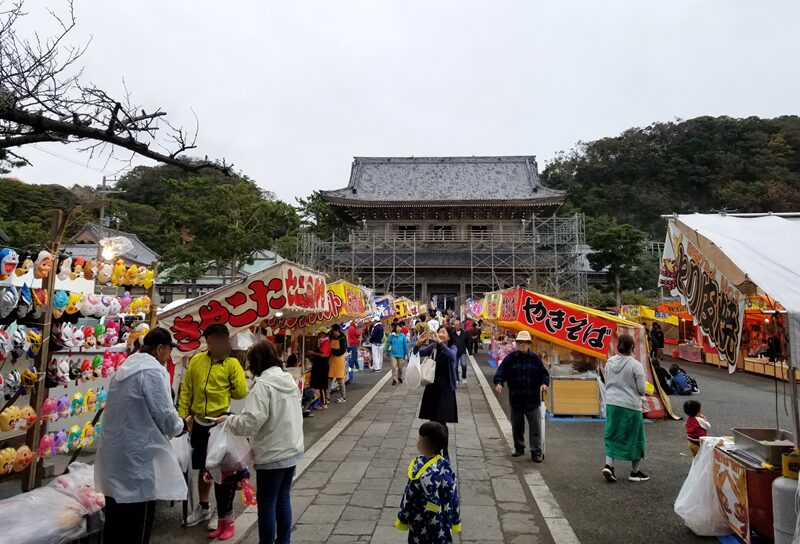
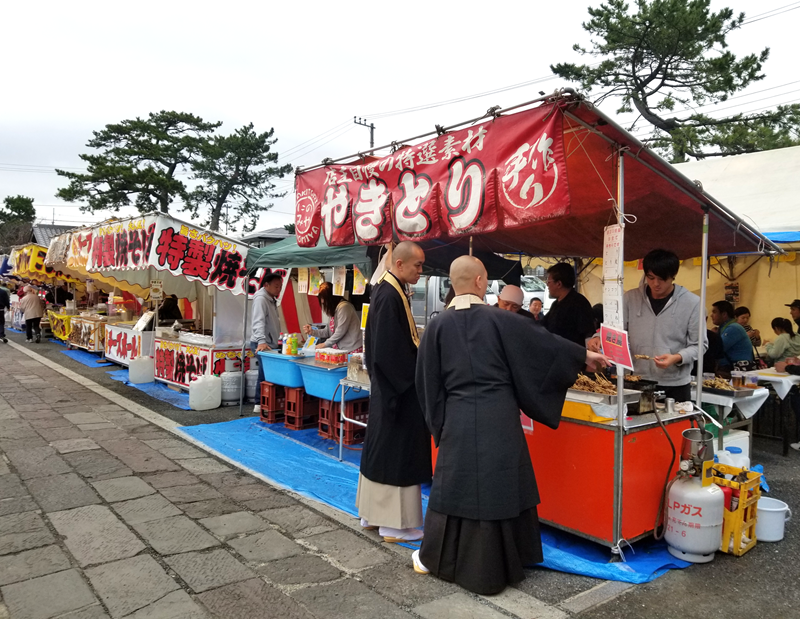
2019年はコロナ前なので、盛大に行われていました。2021も行ってみたんですが縮小されての開催でした。2024年はだいぶ戻ってきましたが、それでもまだ‥という感じ。2025年は??
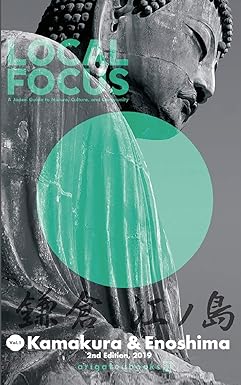
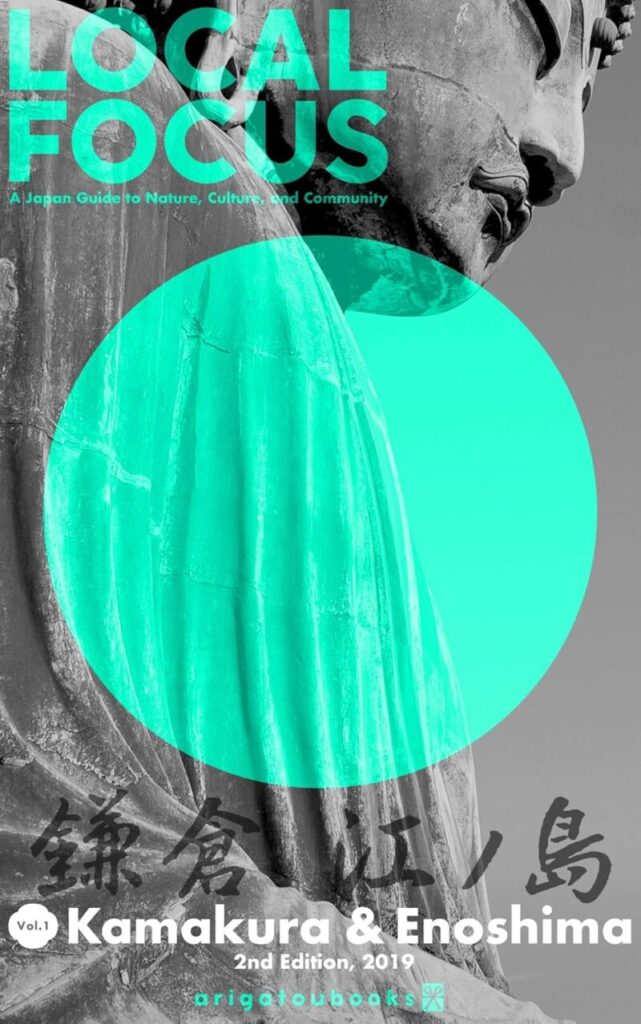
英語の鎌倉&江ノ島のガイドブックです。
鎌倉と江ノ島に特化した英語のガイドブックってなかなかないですよね。エリアごとに神社仏閣とレストランなどが紹介されています。
外国の方が増えていますね。英語で鎌倉を知る、紹介できるとかっこいいですね。
Amazonから購入できますので、1冊揃えてみてはいかがでしょう?

アクセス
光明寺
鎌倉市材木座6-17 19 TEL:0467-22-0603
JR横須賀線 鎌倉駅 東口下車 京浜急行バス7番のりば 小坪経由逗子駅行10分、光明寺前バス停下車1分(鎌倉駅から歩くと約2km 24分)
光明寺の裏には、かながわの景勝50選に選ばれている「光明寺の裏山の展望」もすばらしいので、ぜひ足を伸ばしてみてはいかがでしょうか。北条経時の墓や内藤家歴代(日向延岡藩)の墓もあり、大きさにも圧倒されます。
秋葉大権現例祭のブログで少し写真を載せてますのでぜひ見てください 👉 2025.11.18 |鎌倉 光明寺の秋葉大権現例大祭
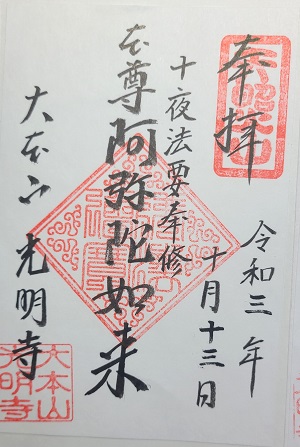
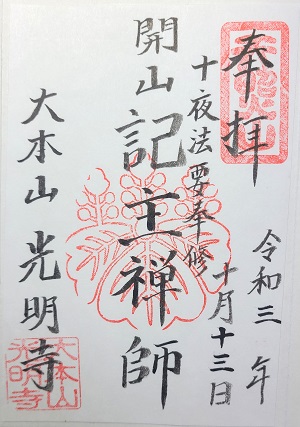
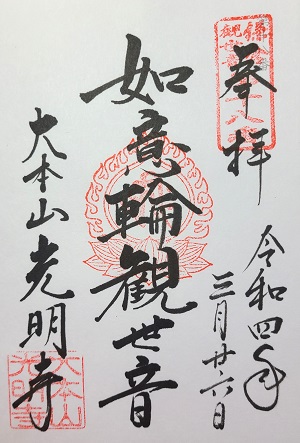
光明寺の御朱印
Kōmyō-ji Temple & Jūya Hōyō
At Jōdo-shū temples throughout Japan, a ten-day-and-night nembutsu observance is held, known as the Jūya Hōyō or simply O-Jūya.
In the past, it was conducted over a full ten days, but today it is usually held for three days, from October 12 to 15.
The observance began in 1495, by imperial sanction of Emperor Go-Tsuchimikado.
It is believed that chanting the nembutsu during this period is worth a thousand years of religious practice, and as a result, many devotees gather to participate.
(Source: Harada Hiroshi, A Small Encyclopedia of Kamakura’s Festivals and Events, Kamakura Shunjūsha, 2012)
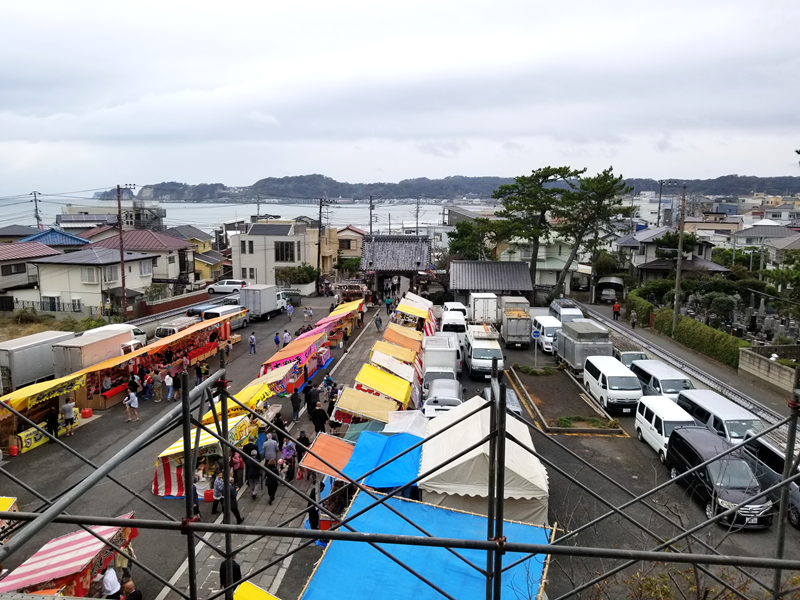
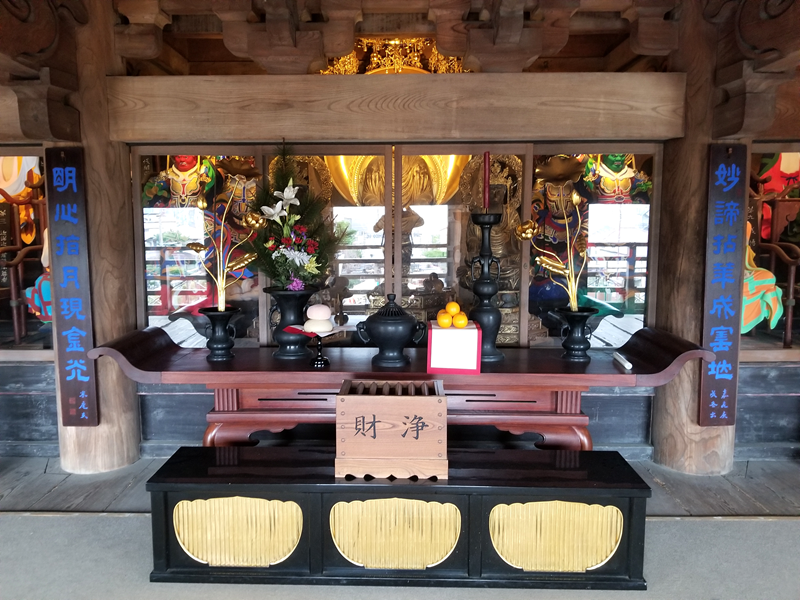
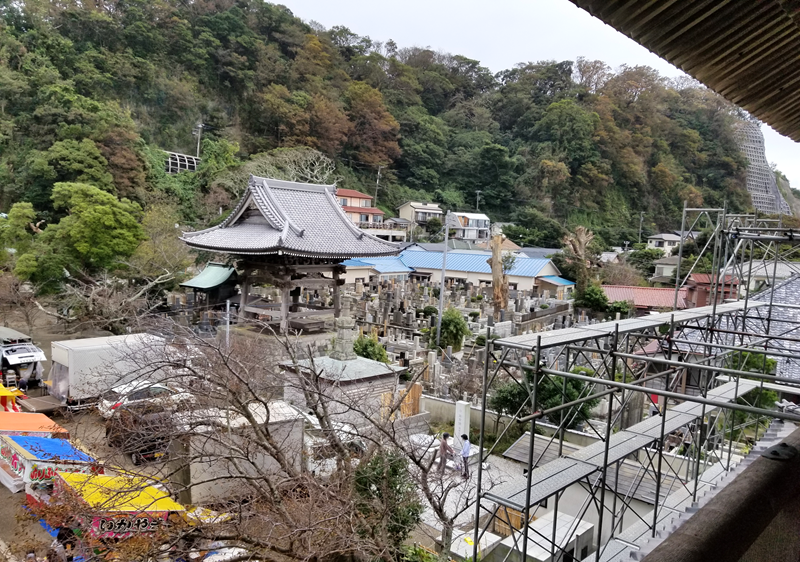
At Kōmyō-ji Temple, the Jūya Hōyō is performed in accordance with ancient tradition, using hiki-goe Amida-kyō (elongated chanting of the Amida Sutra) and hiki-goe nembutsu. The temple is lively with worshippers both day and night throughout the observance.
The era of Emperor Go-Tsuchimikado corresponds to what is known as the Sengoku (Warring States) period, when continuous warfare caused great hardship among the common people, and society came to resemble a world of hunger and hell. Deeply grieved by this situation, the Emperor prayed for peace and stability and wished for the people to live in comfort as soon as possible. For this reason, he granted imperial approval for the Jūya Hōyō of the Jōdo school.
It is believed that when the path of nembutsu spreads as a light of hope throughout the world, it will promise peace and ease in this life and happiness in the lives to come.
This English guidebook covers Kamakura and Enoshima.
There aren’t many English guidebooks that focus on this area.
It introduces various spots, such as shrines, temples, and restaurants, by area.
We hope you enjoy discovering the beauty and history of Kamakura!
Kamakura & Enoshima: A Japan Guide to Nature, Culture, and Community

Event Schedule
Schedule: October 12th (Sun) to 14th (Tue)
Feel free to join whenever you have time, based on the schedule above!
Personally, I’d recommend the Segaki Ceremony, the sermon in the main hall, and the Rengyōretsu procession on the 13th or 14th.
During the event, the Sanmon (main gate) of Komyo-ji Temple will be specially open to the public—definitely worth checking out! (Entrance fee: 500 yen)
On the upper level, you’ll find statues of the Shaka Triad, the Four Heavenly Kings, and the Sixteen Arhats.
The view from the top is amazing—you can see Zaimokuza Beach, Yuigahama, and even Enoshima and Mt. Fuji in the distance.
Access
Take the JR Yokosuka Line to Kamakura Station and exit from the East Exit.
From Keihin Kyūkō Bus stop No. 7, take a bus bound for Zushi Station via Kotsubo (about 10 minutes).
Get off at Kōmyō-ji-mae bus stop, which is 1 minute on foot.
(If walking from Kamakura Station, it is about 2 km, or approximately 24 minutes.)
コメント