This English guidebook covers Kamakura and Enoshima. There aren’t many English guidebooks that focus on this area. It introduces various spots, such as shrines, temples, and restaurants, by area. We hope you enjoy discovering the beauty and history of Kamakura!
Kamakura & Enoshima: A Japan Guide to Nature, Culture, and Community
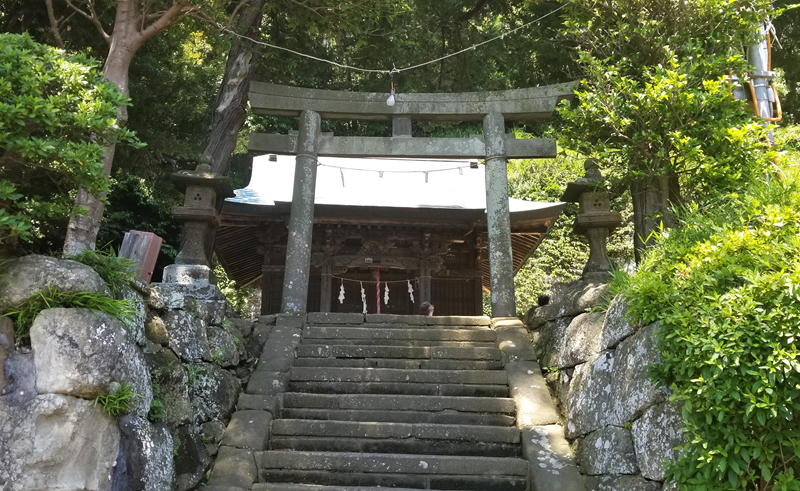
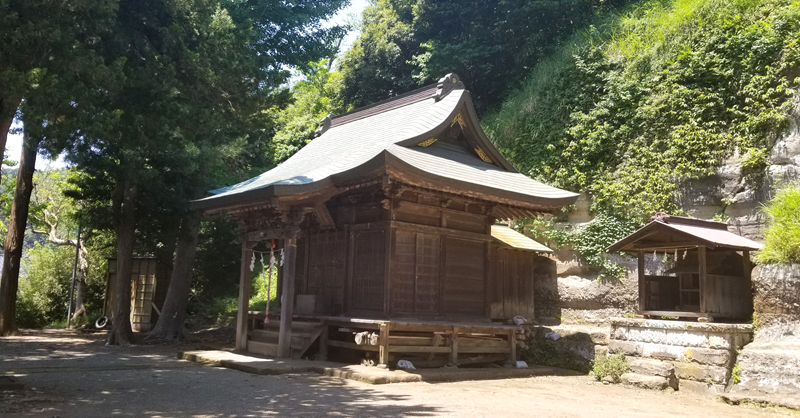
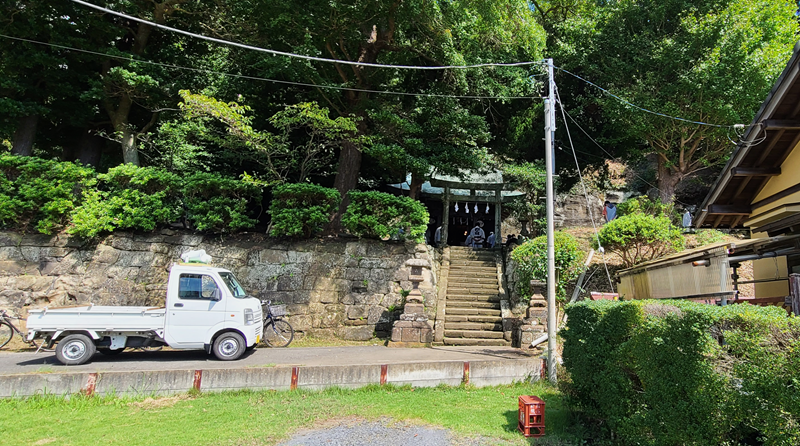
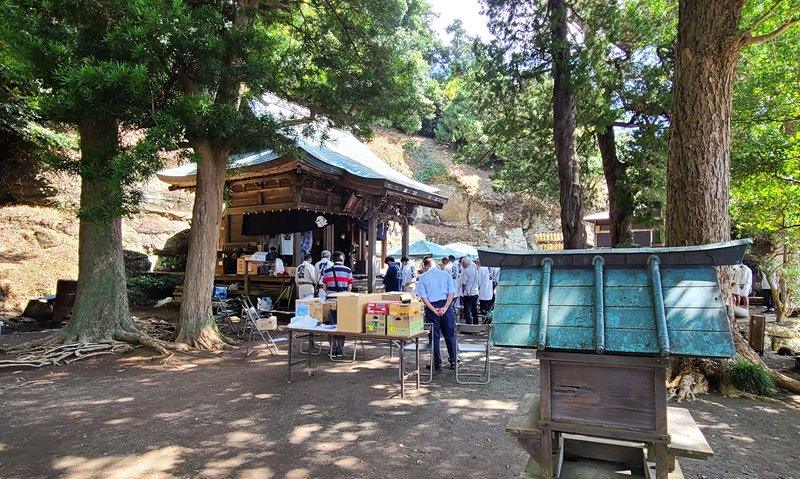
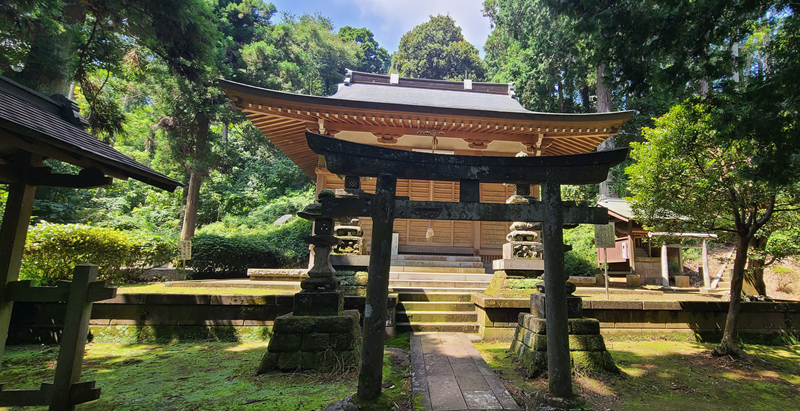
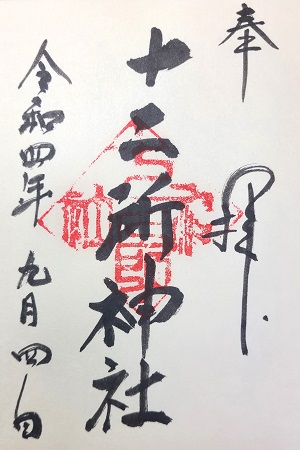
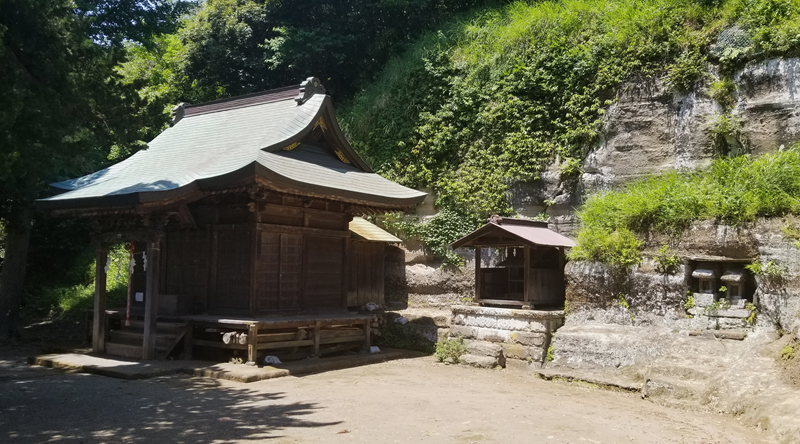
A festival will be held at Jūniso Shrine in Kamakura. According to the Sagami Fudoki, in ancient times Jūniso Shrine was known as Kumano Gongen Shrine and is said to have been founded in 1278 (Kōan 1). It was originally located within the grounds of Kōshō-ji Temple, but in 1838 (Tenpō 9) it was relocated to its present location.
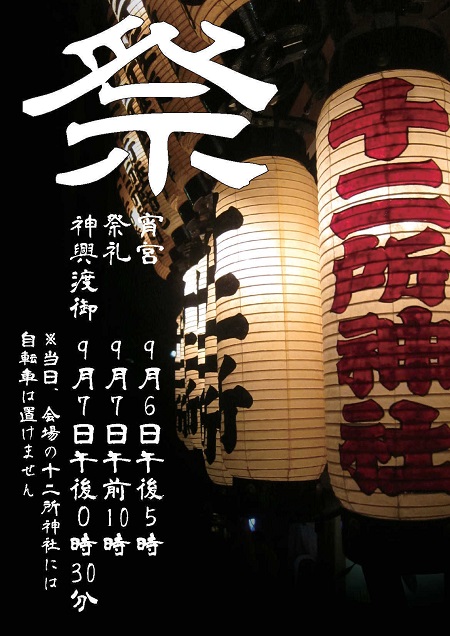
Event Schedule
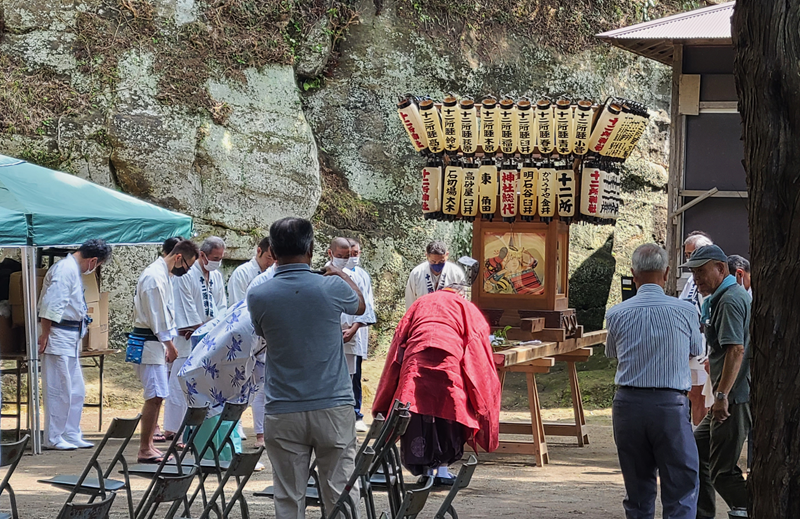
Festival Dates: September 6 (Saturday) – Yoimiya of the festival, from 5:00 p.m. September 7 (Sunday) – Honsai(Main ceremony), from 10:00 a.m.
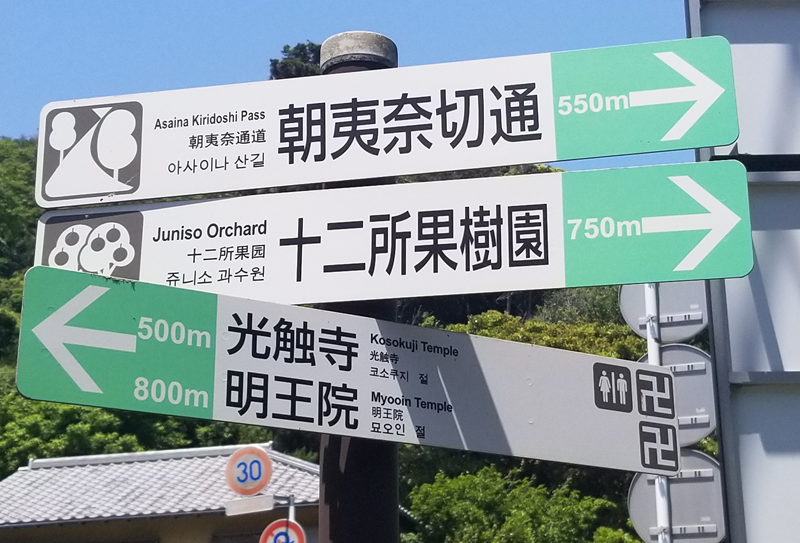
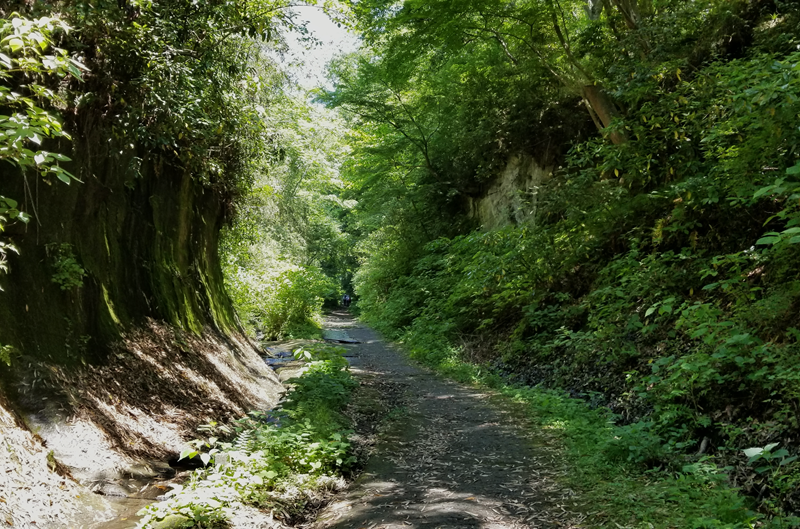
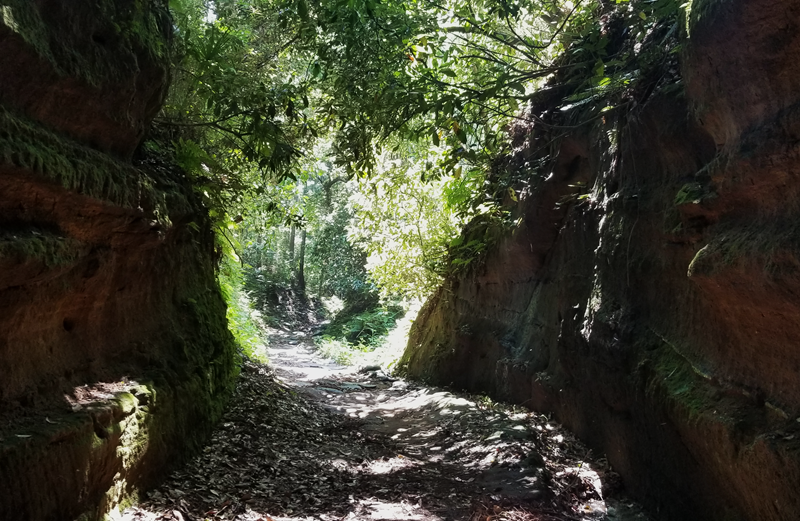
I recommend arriving at the shrine before 10:00 a.m. on the day of the main ceremony to watch the proceedings for about 30 minutes.After that, you could explore nearby sites such as Asahina Kiritoshi or Myōō-in Temple, and then return around 12:30 p.m. to watch the portable shrine procession (mikoshi togō). I did not attend the Yoimiya festival, so I cannot comment on it.
When I attended the festival in 2022, the ritual began with prayers around 10:00 a.m., so I arrived shortly before that. From Kamakura Station, it takes about 16 minutes by bus or 30–40 minutes on foot. It seemed that mostly local people attended, but watching the event was still very enjoyable.
I recommend bringing insect repellent or similar protection. The mikoshi procession starts at 12:30 p.m., so if you return around that time, you can walk along with the portable shrine or watch the children playing the drums, which is quite fun.
Access
From Kamakura Station East Exit, take the bus bound for Kamakura Reien Seimon-mae / Tachiara and get off at Jūniso Shrine (about 19 minutes). The shrine is a 5-minute walk from the bus stop.






コメント