
Do you Know Setsubun?
Setsubun originally means “the division of the seasons” and referred to the day before the beginning of each season—Risshun (the start of spring), Rikka (summer), Risshū (autumn), and Rittō (winter).
Seasonal transitions were believed to be times when people were more likely to fall ill and when evil spirits could enter, so rituals to ward off misfortune have long been practiced.
Among these seasonal divisions, the day before the start of spring held special importance. In the traditional lunar calendar, Risshun marked the beginning of the new year and was regarded as a significant turning point.
For this reason, the term Setsubun gradually came to refer specifically to the day before Risshun, which falls around February 3 on the modern calendar.
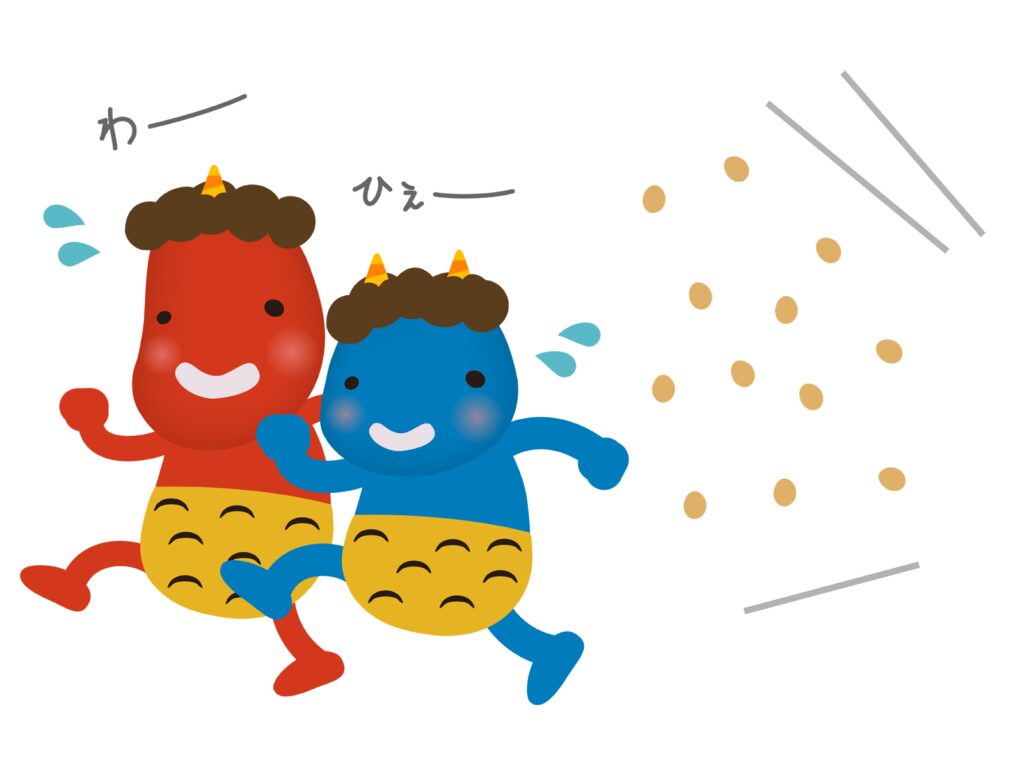
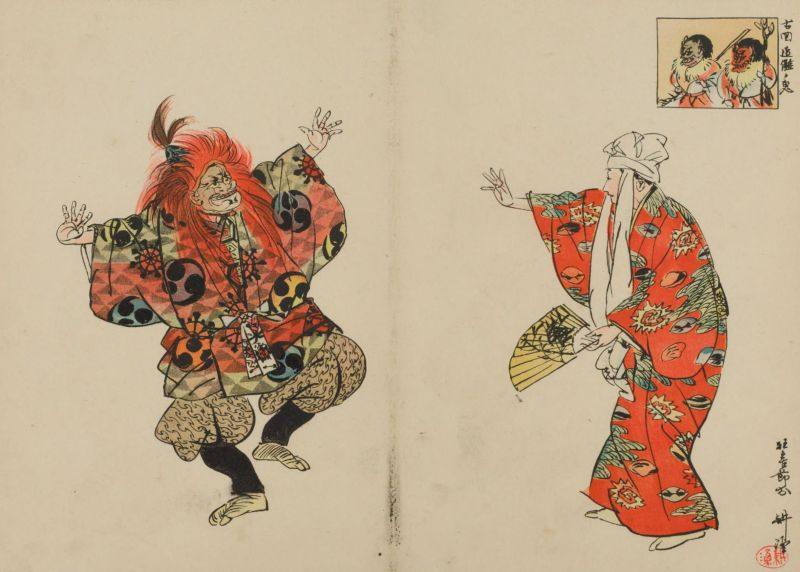
The origin of the Setsubun festival lies in the Chinese ritual of “Tsuina”, which was performed to drive away evil spirits.
This custom was introduced to Japan, and by the Heian period it had become an imperial court ceremony.
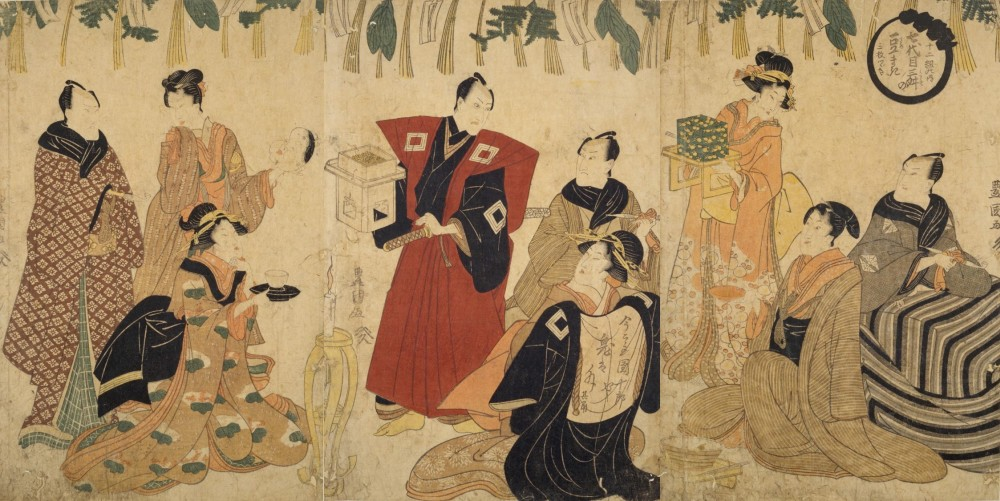
Later, during the Edo period, it spread among the general public and gradually evolved into the bean-throwing tradition we know today.
Today, on Setsubun, people across Japan participate in bean-throwing at shrines, temples, community events, and in their own homes.
In addition, many regions continue other traditional practices, such as eating roasted soybeans—one for each year of one’s age—to pray for health, or offering beans at shrines and temples to ward off misfortune.
Setsubun is a festival that allows people to experience Japan’s traditional culture while feeling the change of seasons.
It is a uniquely Japanese event that celebrates the transition from winter to spring.
【PR】COSORI CAF-L501-KJP Nonfryer, 1.24 gal (4.7 L), Large Capacity, Electric Air Fryer, Maximum Temperature of 446°F (230°C), For Frying Food, Potatoes, Deli, Japanese Recipe Included, Timer, Automatic
Visit the COSORI Store


The item was purchased through your Amazon website.

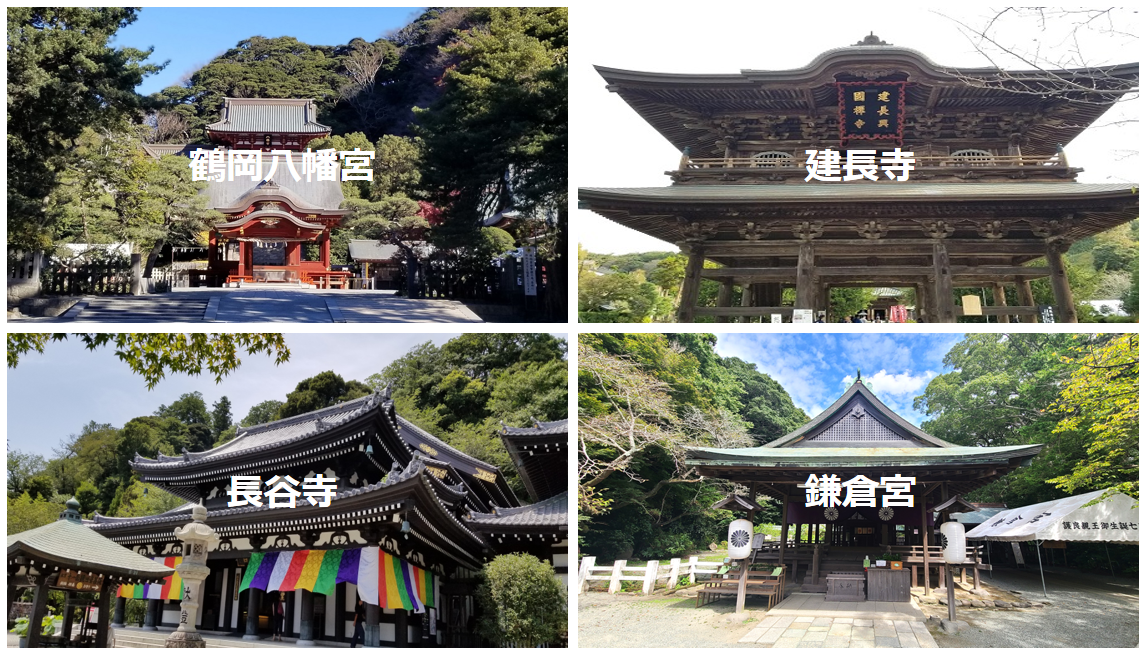
Where can you experience Setsubun celebrations in Kamakura?
Setsubun events are mainly held at Kenchō-ji Temple, Tsurugaoka Hachimangū Shrine, Hasedera Temple, Kamakura-gū Shrine, and Ōfuna Kannon-ji Temple.
They are usually held around February 3.
Please check in advance.
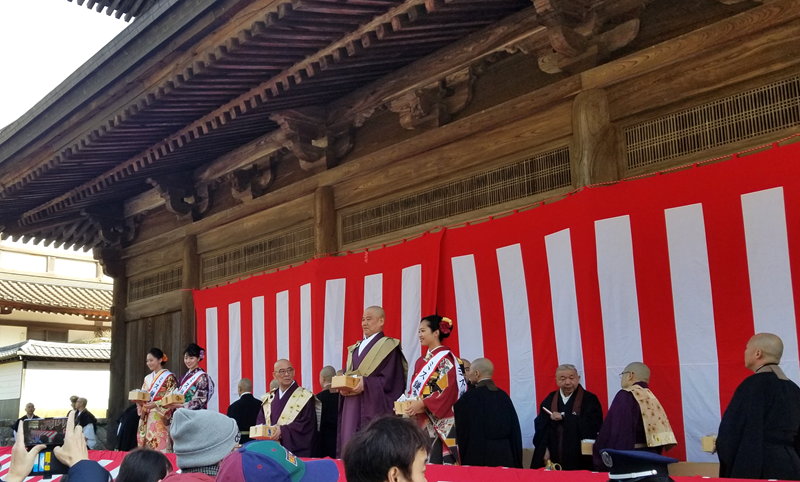
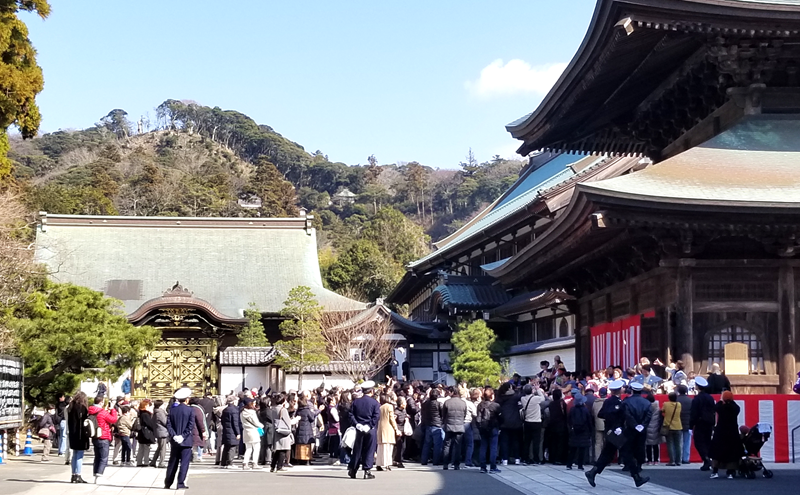
【Kenchō-ji Temple】
It doesn’t always fall on February 3.
Schedule
Setubun Dai-kitokai 11:00AM
Kappore Dedication (Parking lot / Temple grounds): 11:00 AM
Bean-throwing: 12:00 PM
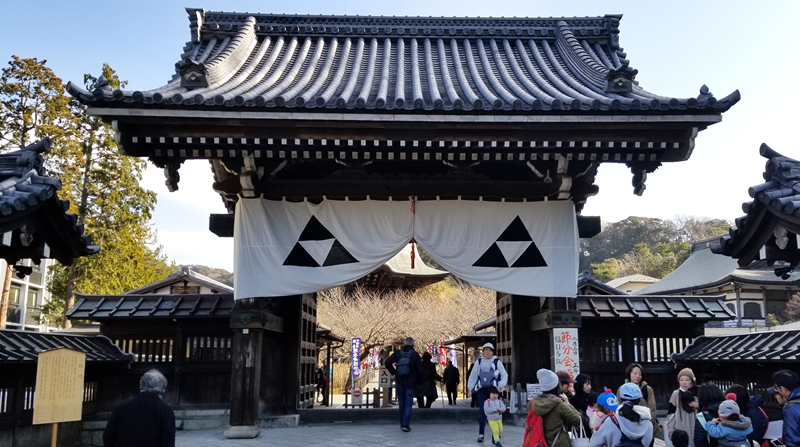
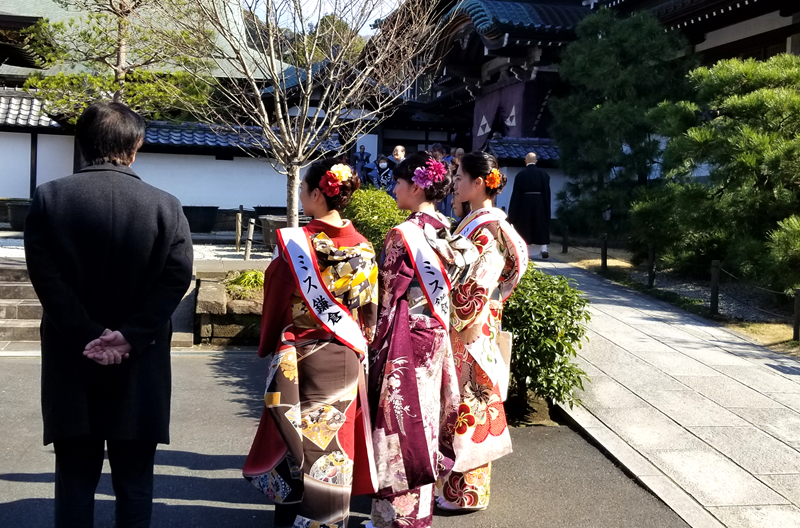
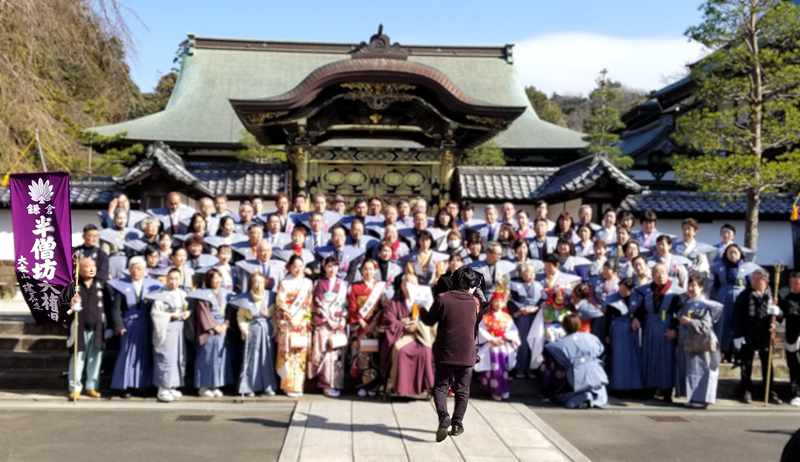
Kappore Dedication
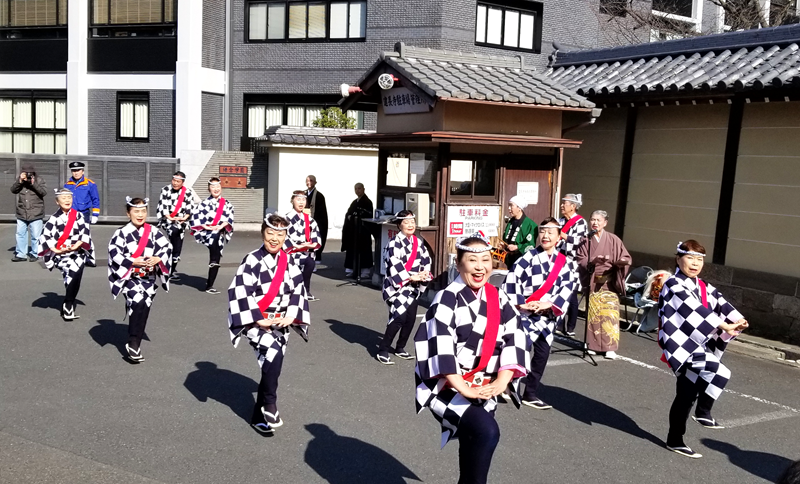
【Hasedera Temple】
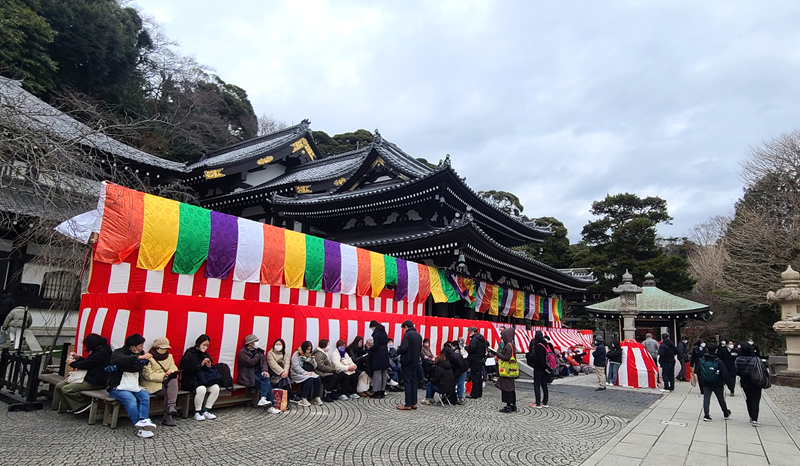
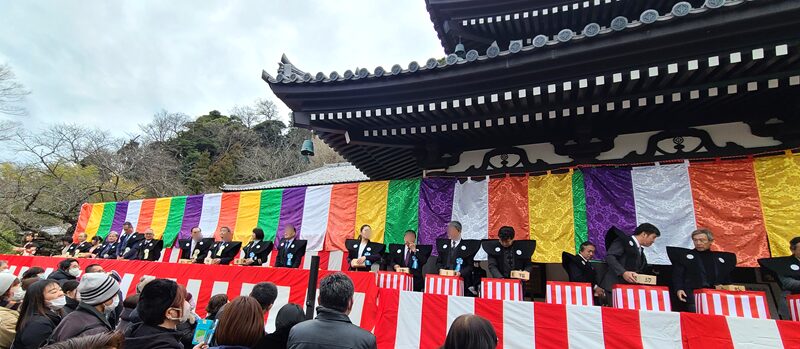
It seems to be held on February 3, according to the calendar.
Schedule
11:00 – Tsuinan Ceremony, Kannon Hall
11:30 – Bean-throwing, Special Stage (inside Kannon Hall in case of rain)
It starts at 11:30, but I felt that getting a good spot is quite important. If you stand a little toward the back, people will keep coming in front of you, and before you know it, you could end up near the back.
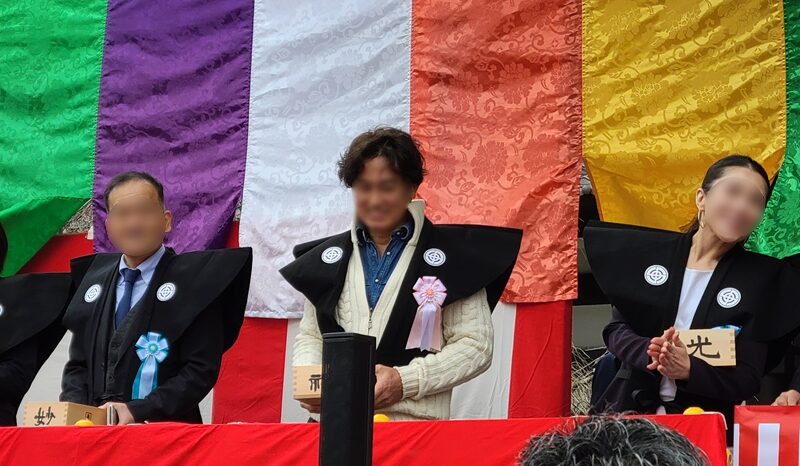
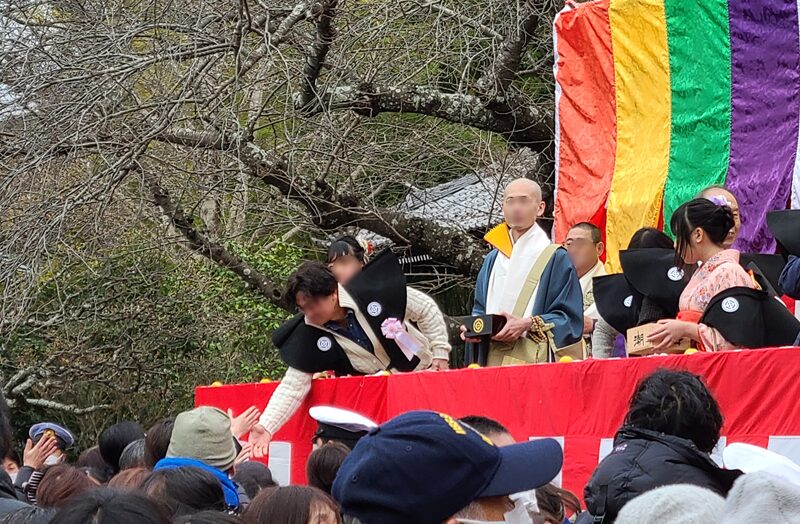
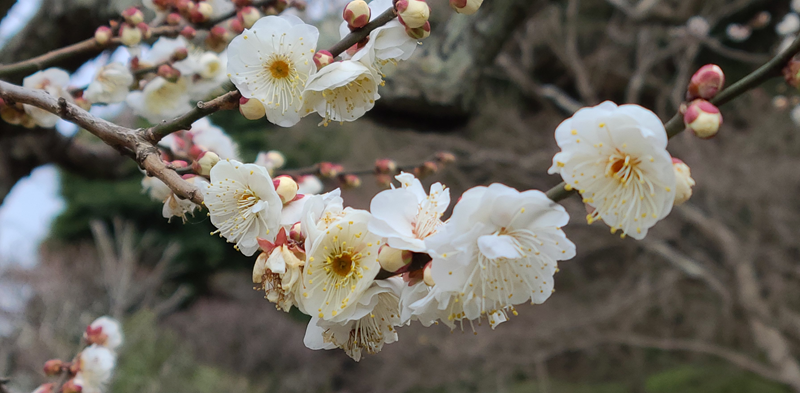
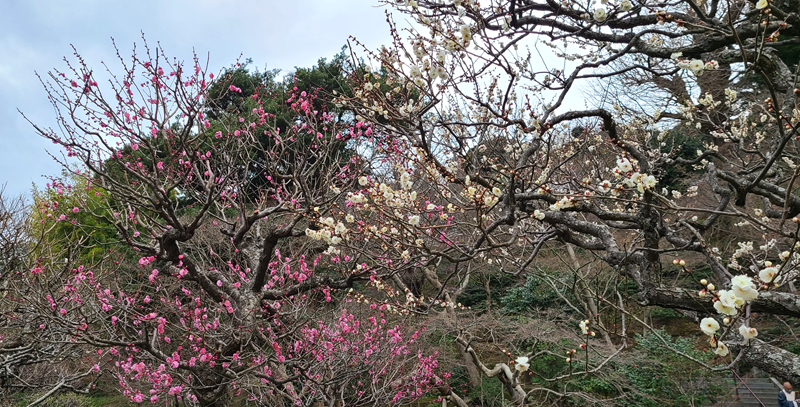
Hasedera’s plum blossoms are beautiful!
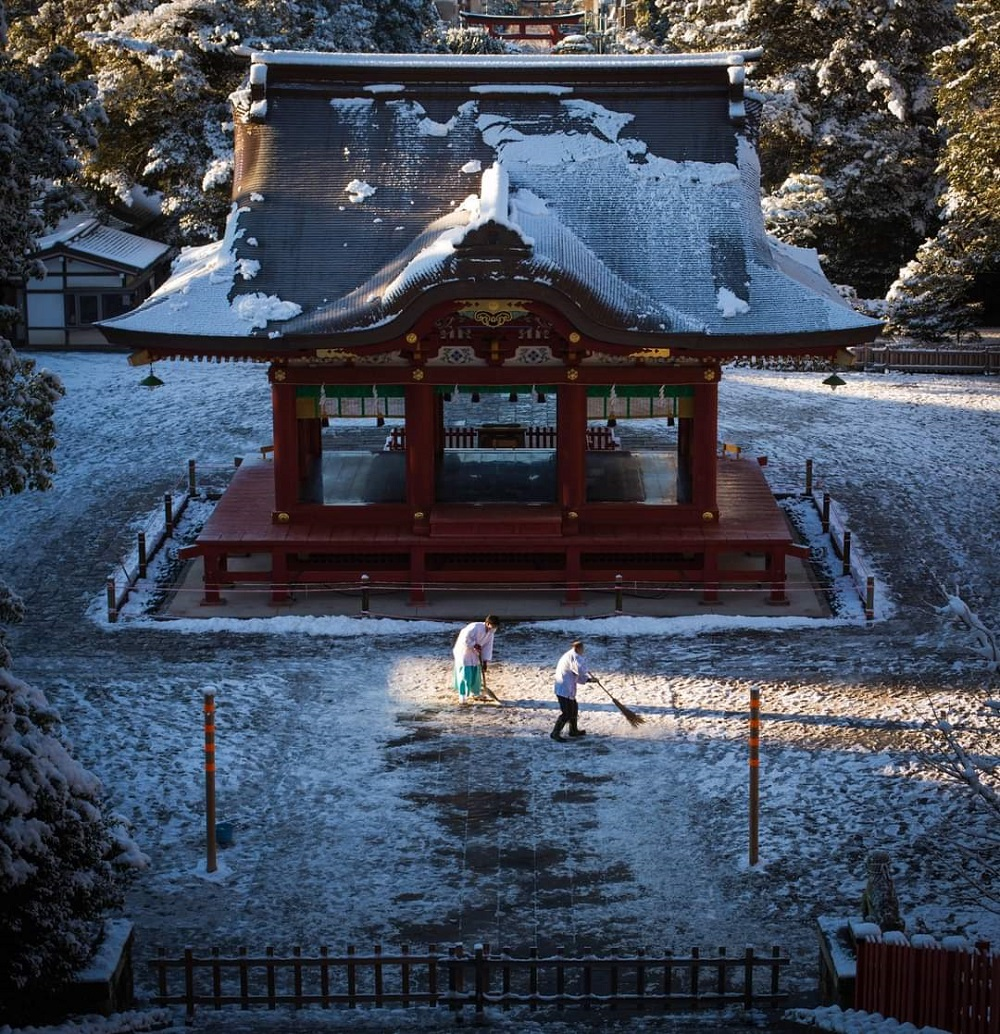
【Tsurugaoka Hachimangu Shrine】
February 3, 2026 (Reiwa 8) from 1:00 PM
Schedule
The schedule for the Setsubun Festival on February 3, 2025 (Reiwa 7) was as follows:
1:00 PM – Setsubun Festival Ceremony at the Main Hall
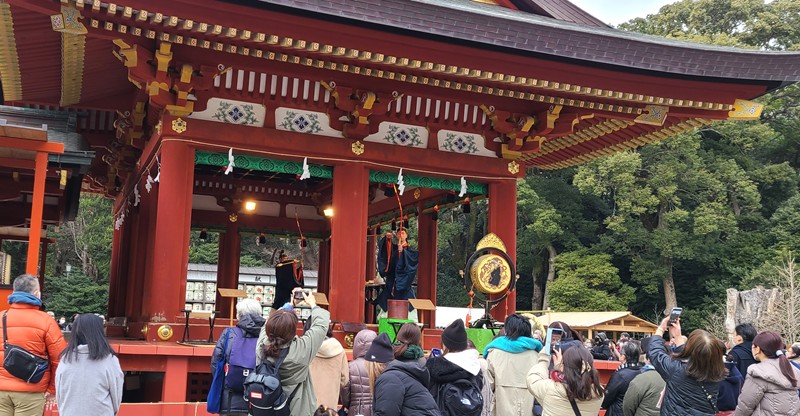
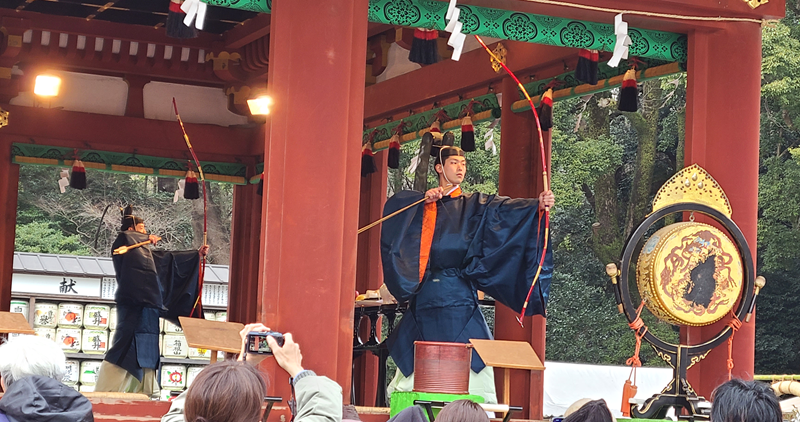
Around 1:40 PM – Meigenshiki (Bow-string ringing ceremony) at the Stage Hall
Around 1:50 PM – Bean-throwing (Mame-maki) at the Stage Hall
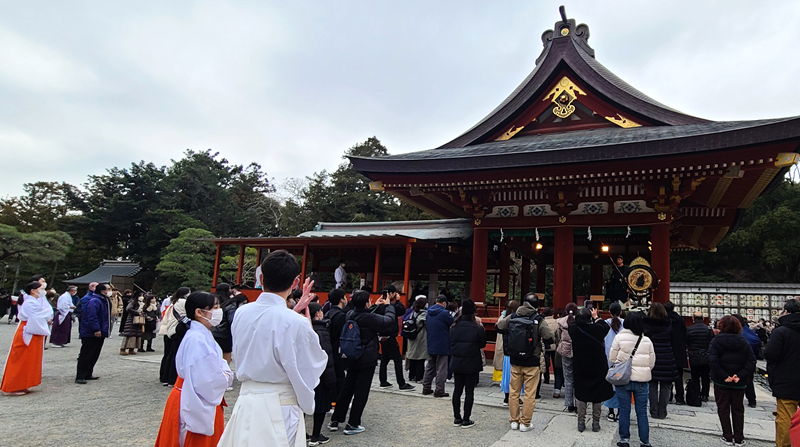
To enter the venue, you need a numbered ticket distributed before the Setsubun Festival, so it’s best to arrive at Tsurugaoka Hachimangū early.
Once you’re in the shrine grounds, it’s easy to find where the tickets are being handed out.
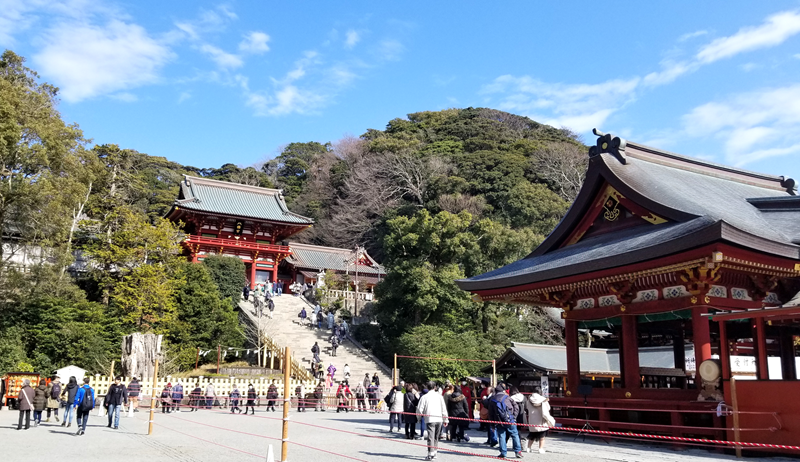
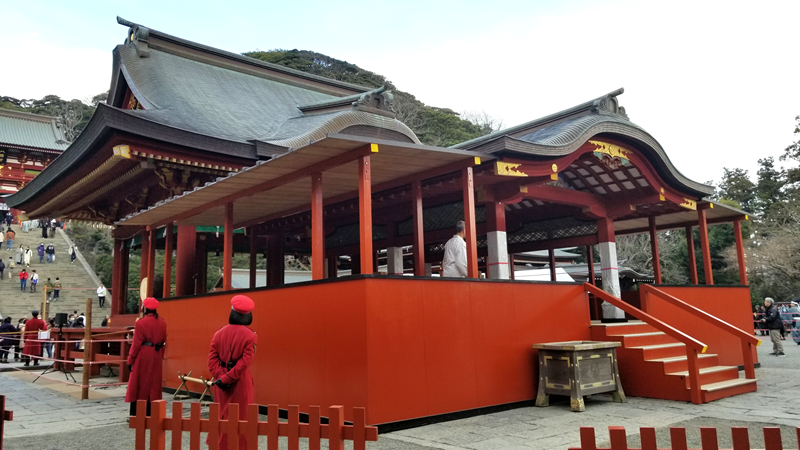
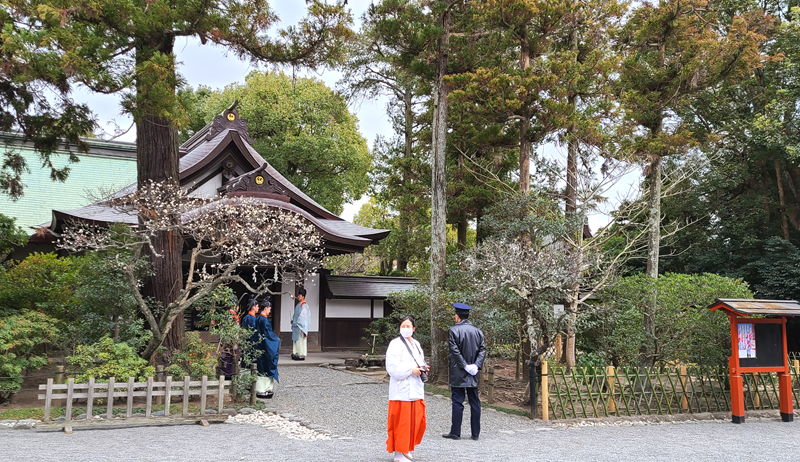
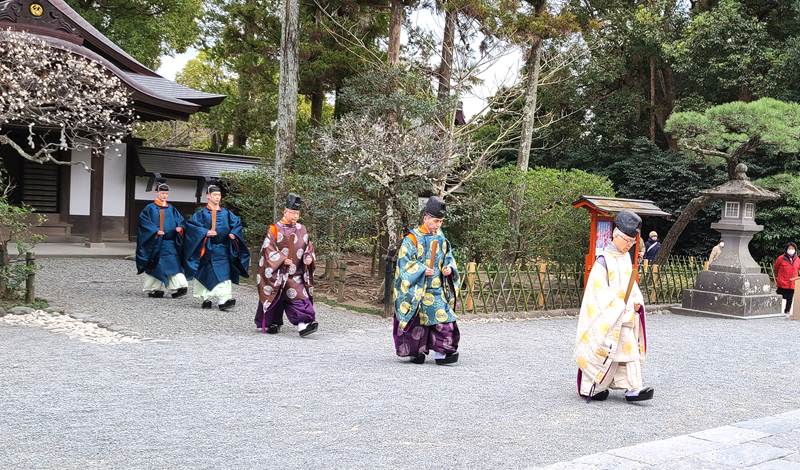
The ritual at the Main Hall was carried out, and then they came down—probably about 20 minutes after ascending.
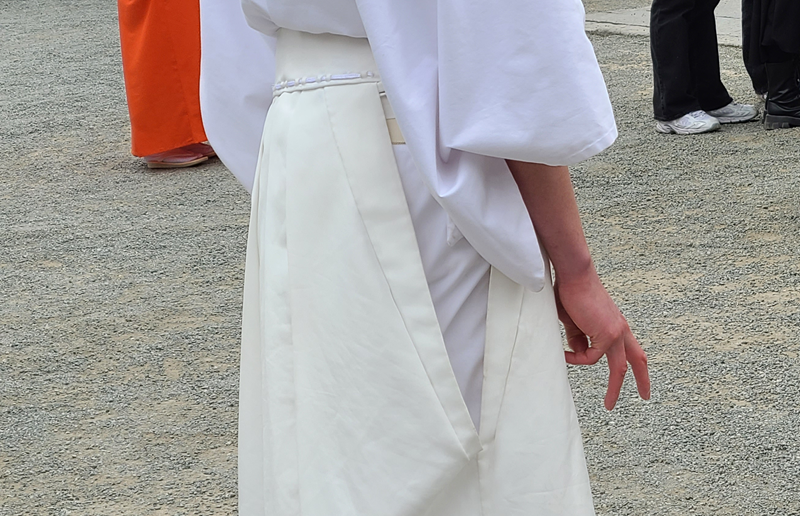
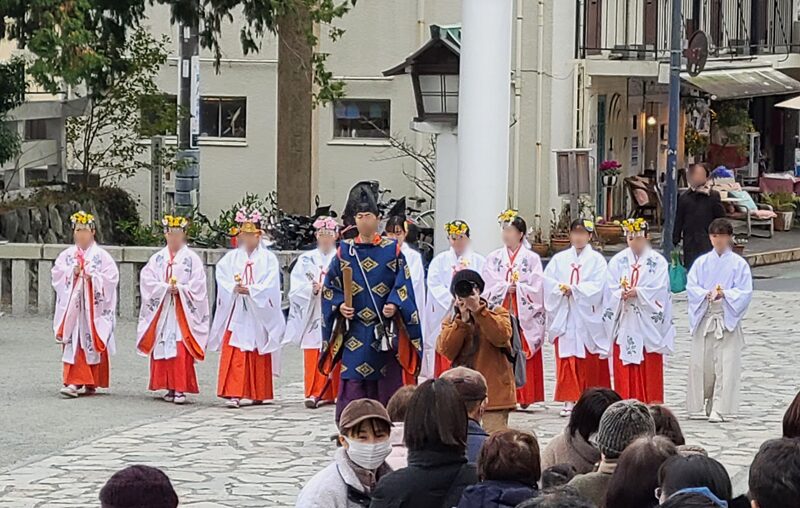
After that, the men and women of the year (Toshi-otoko and Toshi-onna) came down. Wow! Where were they? There are so many people
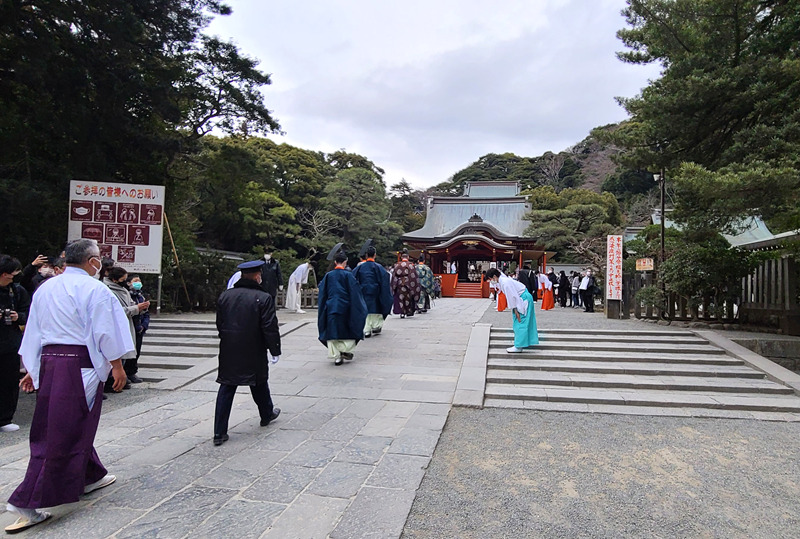
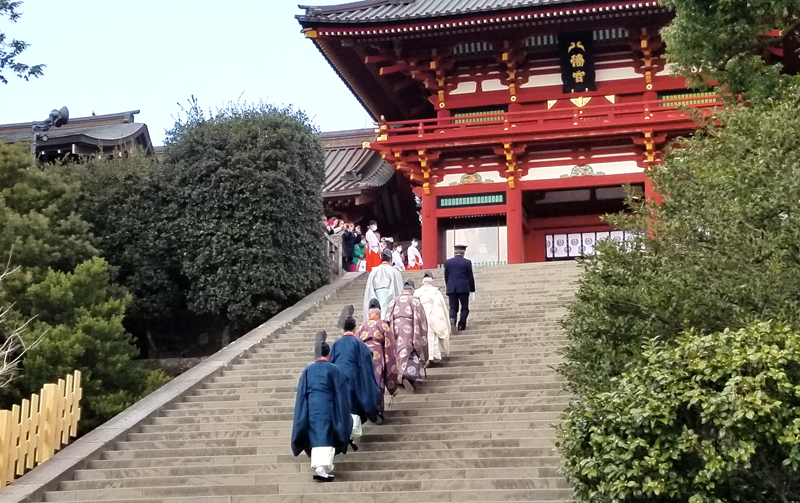
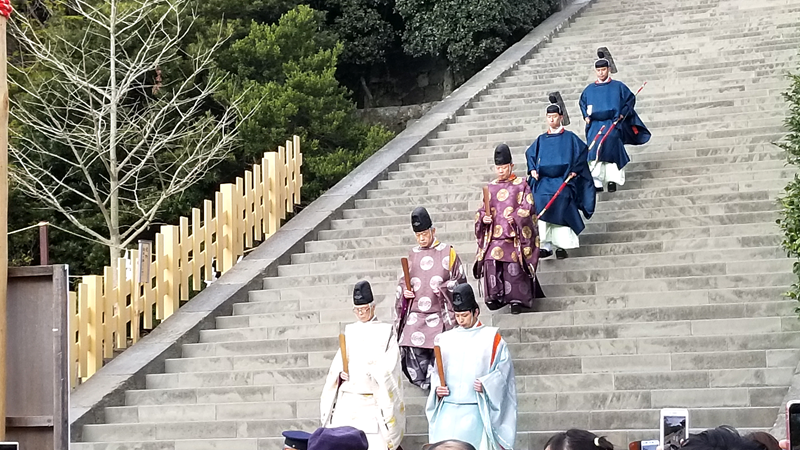
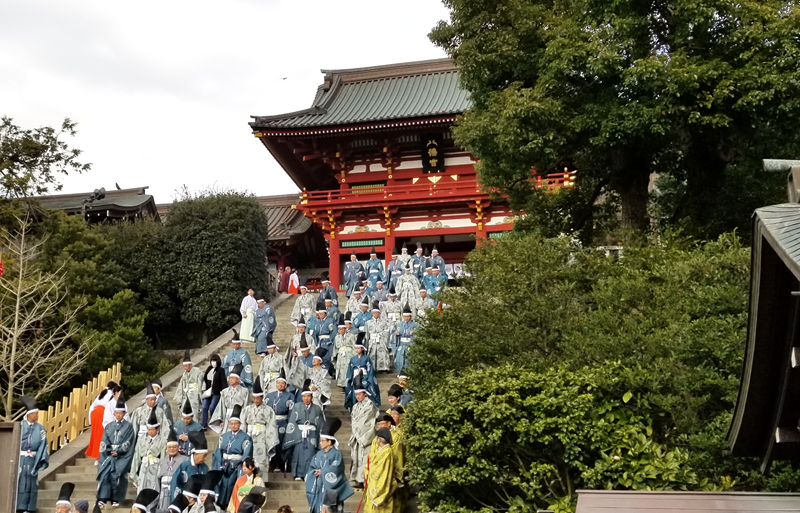
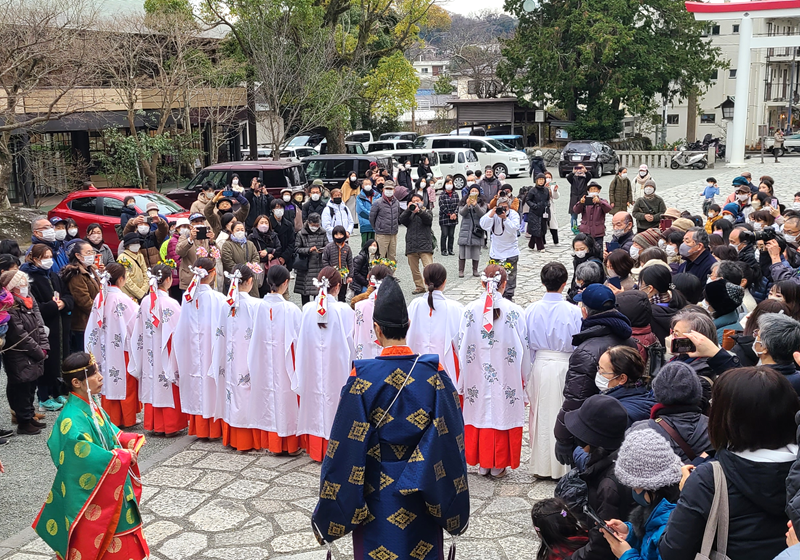
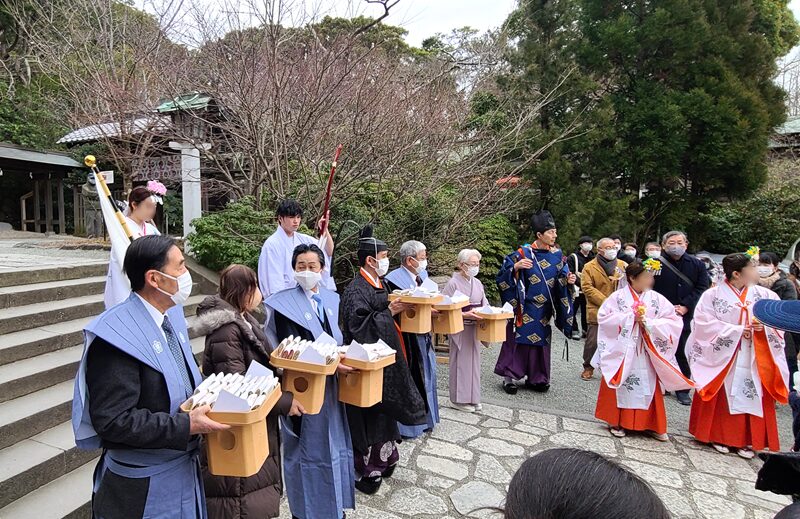
After everyone gathered for a group photo, they went up to the Stage Hall and the bean-throwing began! (In 2020, it started at 2:00 PM.)
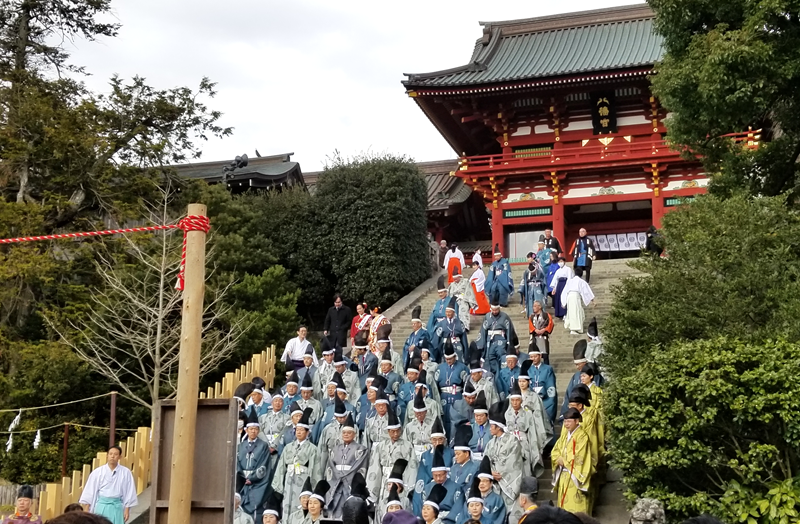
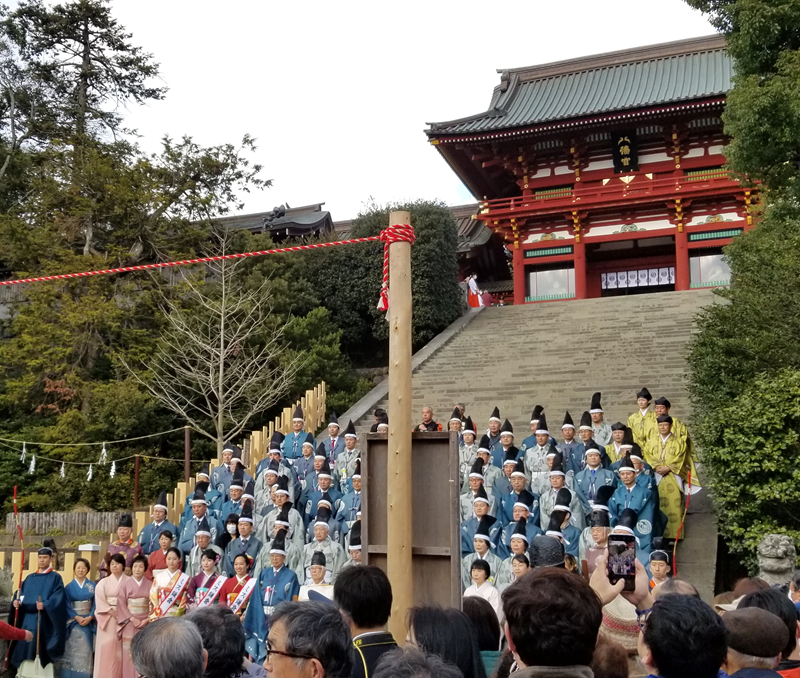
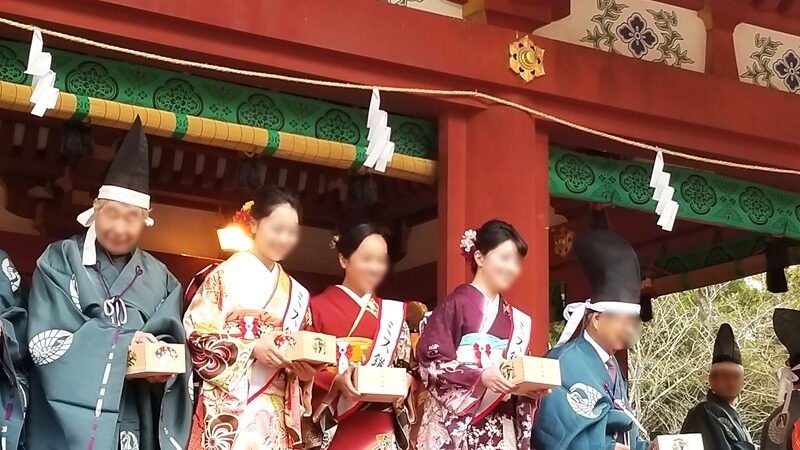
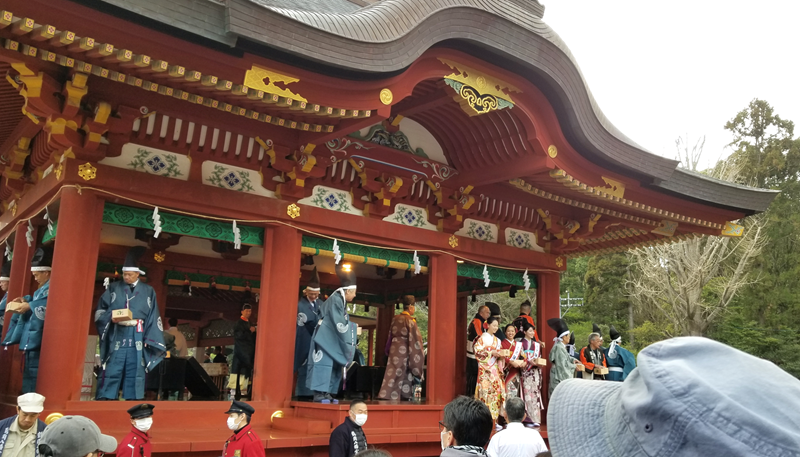
Before the bean-throwing, Shinto priests dressed in formal court attire perform the Meigenshiki ceremony.
In this ritual, they pluck the string of a bow without nocking an arrow, and the sound is believed to drive away evil spirits.
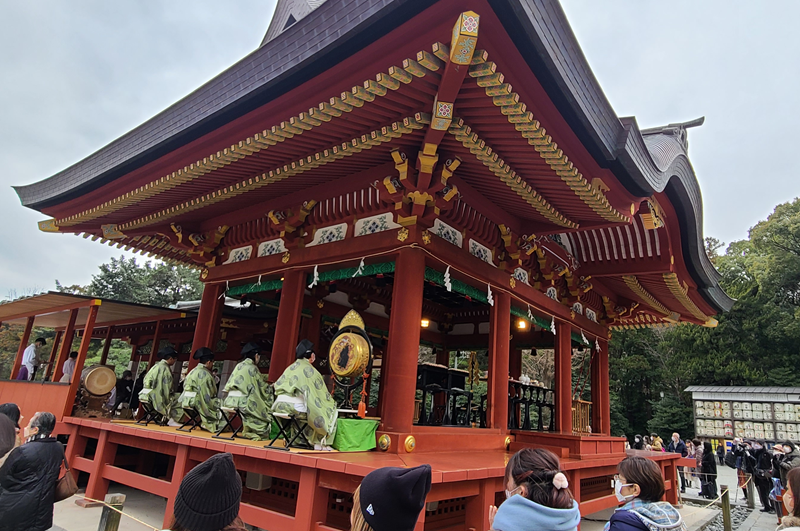
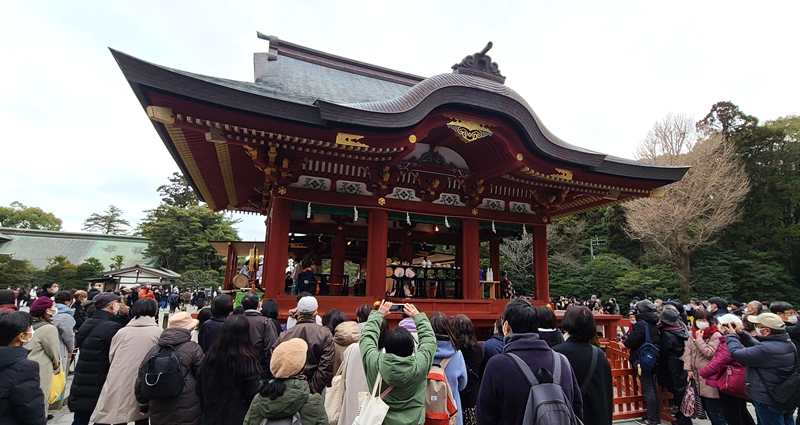
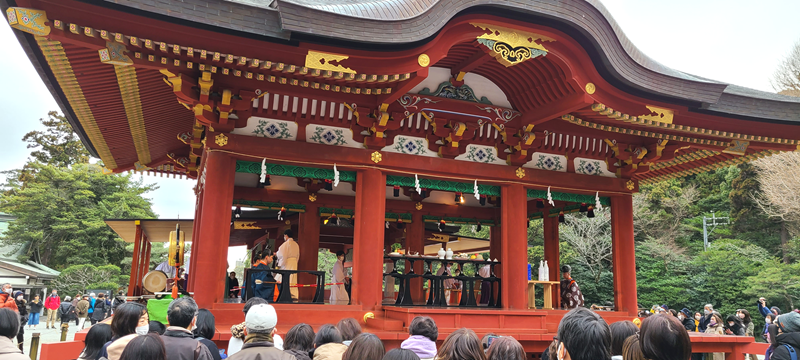
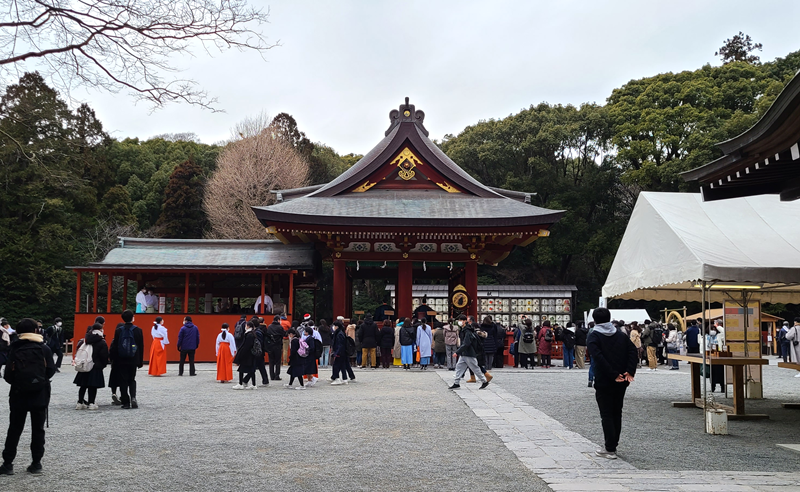
Meigen (鳴弦) is a ritual in which the bowstring alone is drawn and released—without an arrow—creating a sharp sound that is said to startle and repel demons.
👉 Tsurugaoka Hachimangu Shrine English Site
【Kamakuragu】
It seems to vary from year to year, so please check in advance.
👉 Kamakuragu「お知らせ」
Schedule
3:00 PM – Setsubun Festival Ceremony / Oni-Yarai Ritual
Around 3:40 PM – Bean-throwing (Mame-maki)
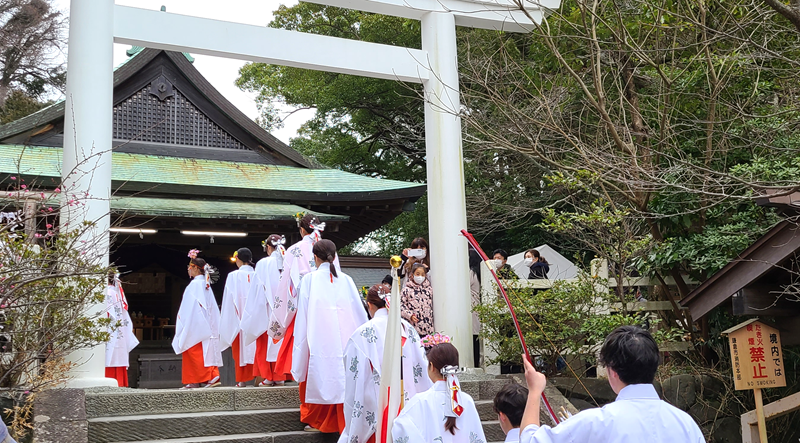
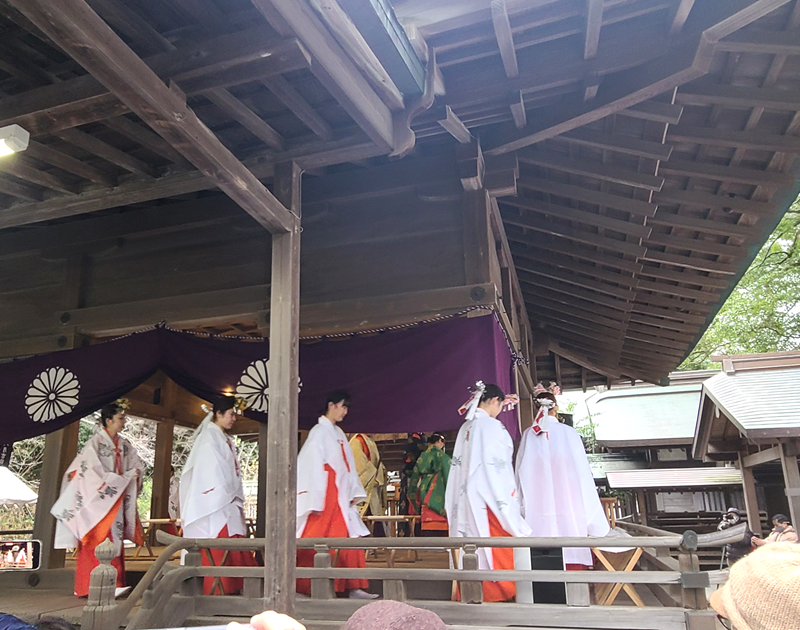
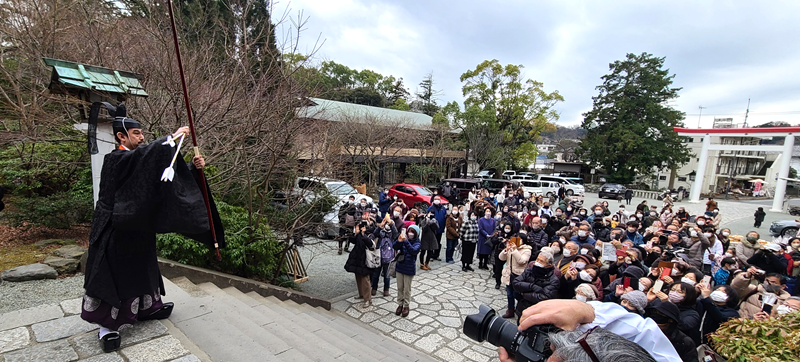
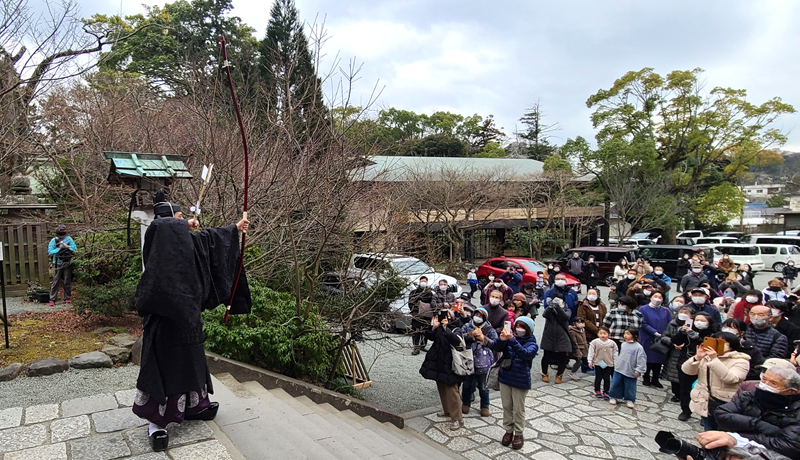
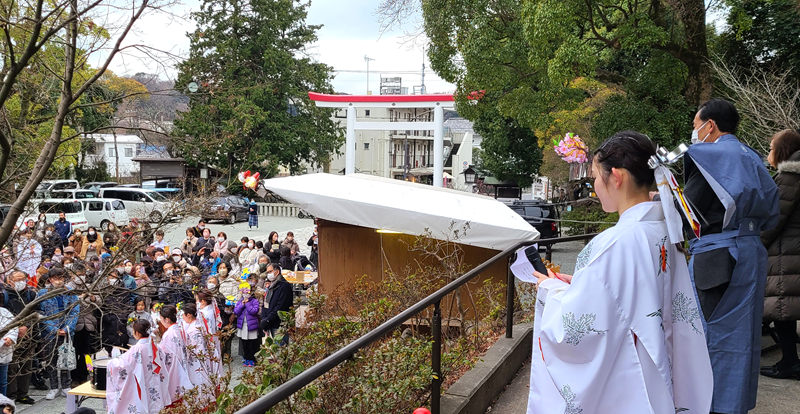
After the ritual was completed, the Meigenshiki ceremony was performed.
Then, in front of the torii gate, the miko (shrine maidens) gathered, walked toward the Main Hall in a single line, and performed music.
After their performance, beans were distributed to the participants.
Suggested route
Since Kencho-ji and Hase-dera overlap in the morning, it might be best to focus on one of them.
Tsurugaoka Hachimangu runs until after 2:00 PM, so it would be difficult to fit in Kamakura-gu Shrine after that.
It takes about 30 minutes to walk from Tsurugaoka Hachimangu to Kamakura-gu Shrine.
So, a good option would be to visit either Kencho-ji or Hase-dera in the morning, and then head to either Tsurugaoka Hachimangu or Kamakura-gu Shrine in the afternoon.
If the events are on different days, you might even consider attending both on two consecutive days.
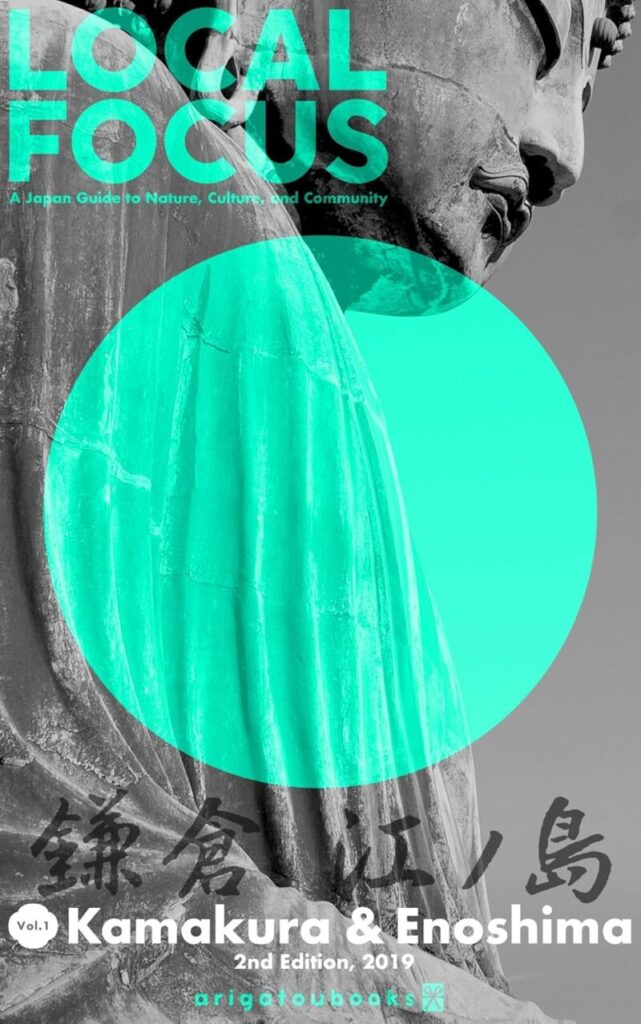
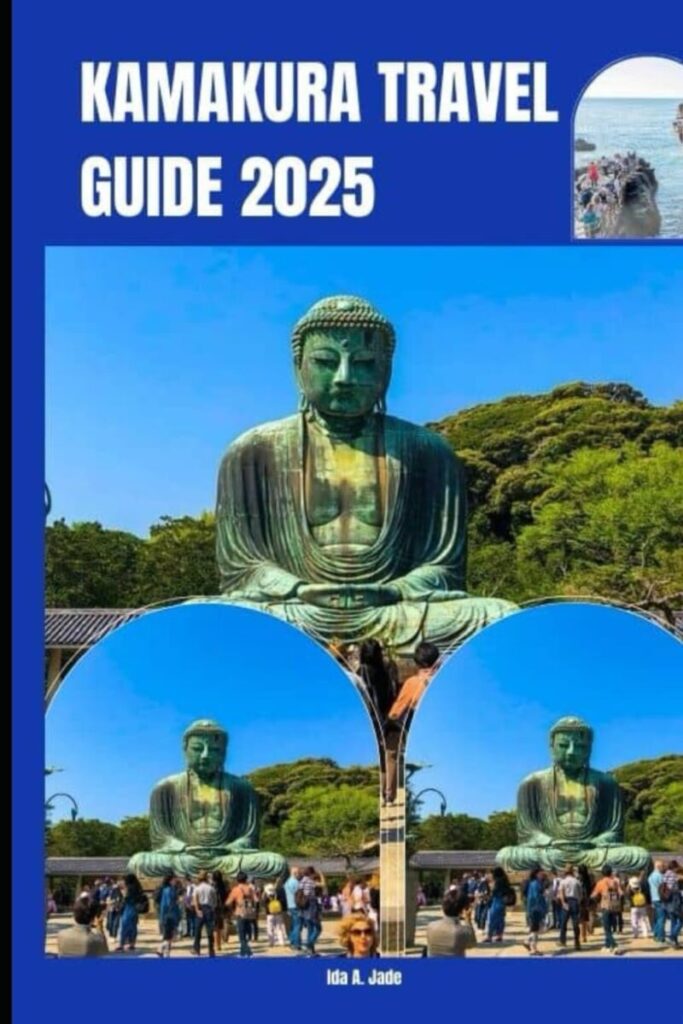
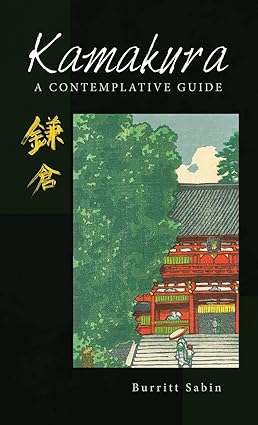
This English guidebook covers Kamakura and Enoshima.
There aren’t many English guidebooks that focus on this area.
It introduces various spots, such as shrines, temples, and restaurants, by area.
We hope you enjoy discovering the beauty and history of Kamakura!
Kamakura & Enoshima: A Japan Guide to Nature, Culture, and Community
The item was purchased through your Amazon website.

Click here if you want to see other blog posts. 👉 Blog
コメント