
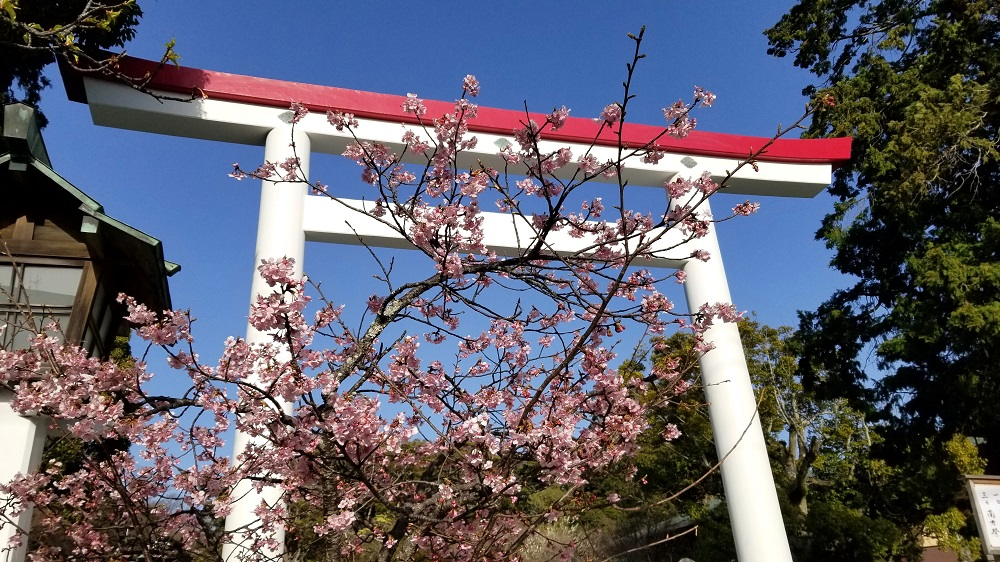
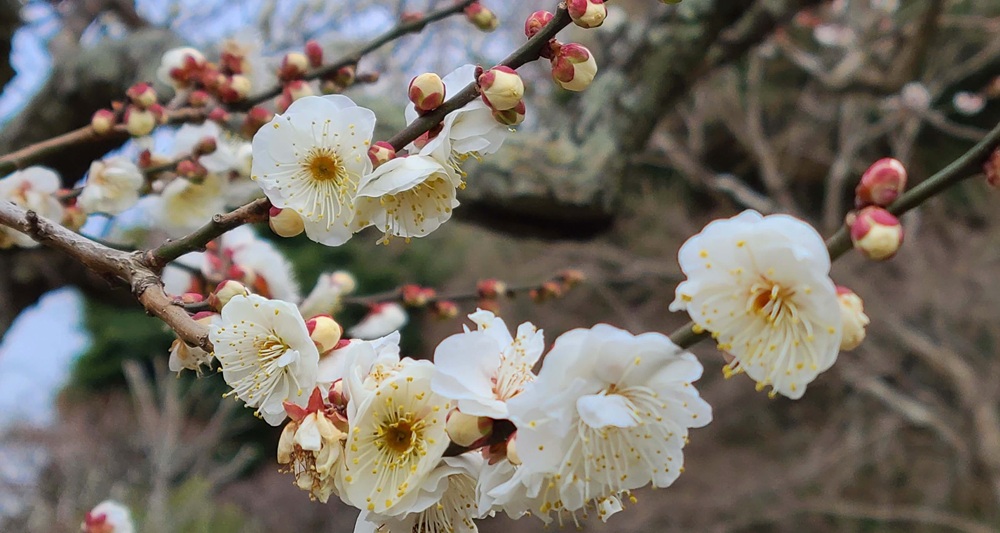
There are many beautiful places to see plum blossoms in Kamakura.
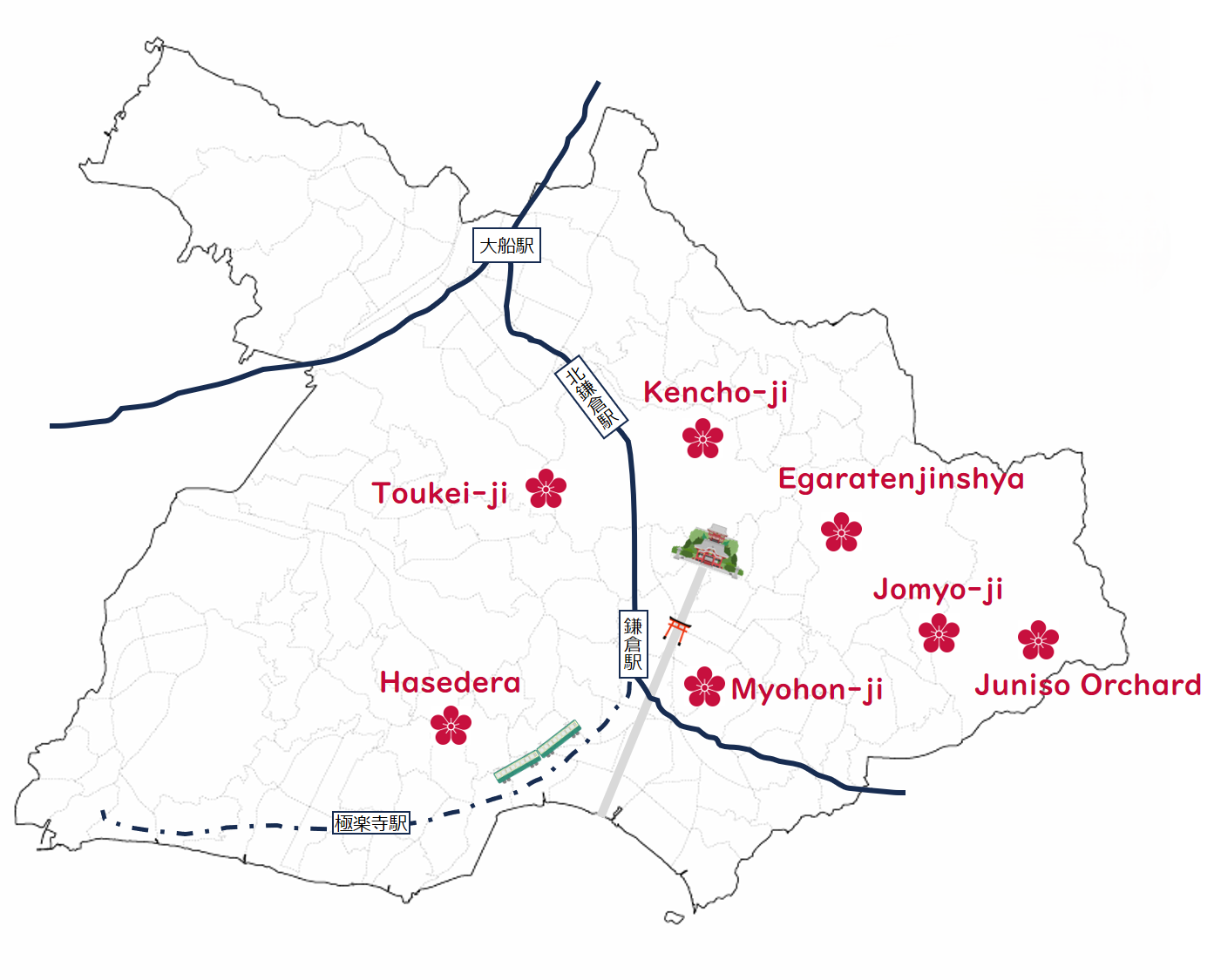
Here are a few of them—please refer to the map.
The best time to see plum blossoms in Kamakura is usually from late January to mid-March.
Many places are at their peak from mid-February to mid-March. Early-blooming plum trees can be enjoyed from late January, while late-blooming ones last until early March.
When I visited Kamakura on February 1st, the plum blossoms were already beautifully in bloom. Now is the perfect time to go!
Kamakura is best explored on foot.
I will also introduce the walking time from Kamakura Station.
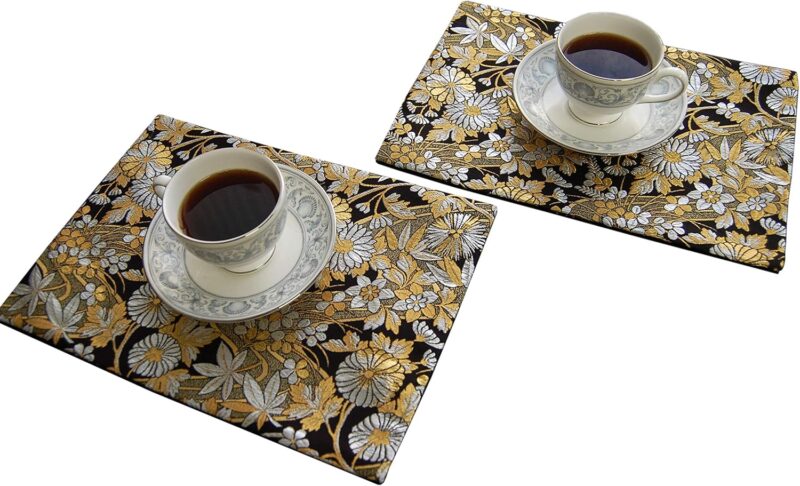
【PR】These coasters are inspired by Japanese kimono patterns.
They use beautiful kinran brocade fabric, like the elegant sash of a kimono, and come as a pair of tea mats.
Packaged in a gift box with Japanese-style washi wrapping paper, they make a perfect gift!
The item was purchased through your Amazon website.

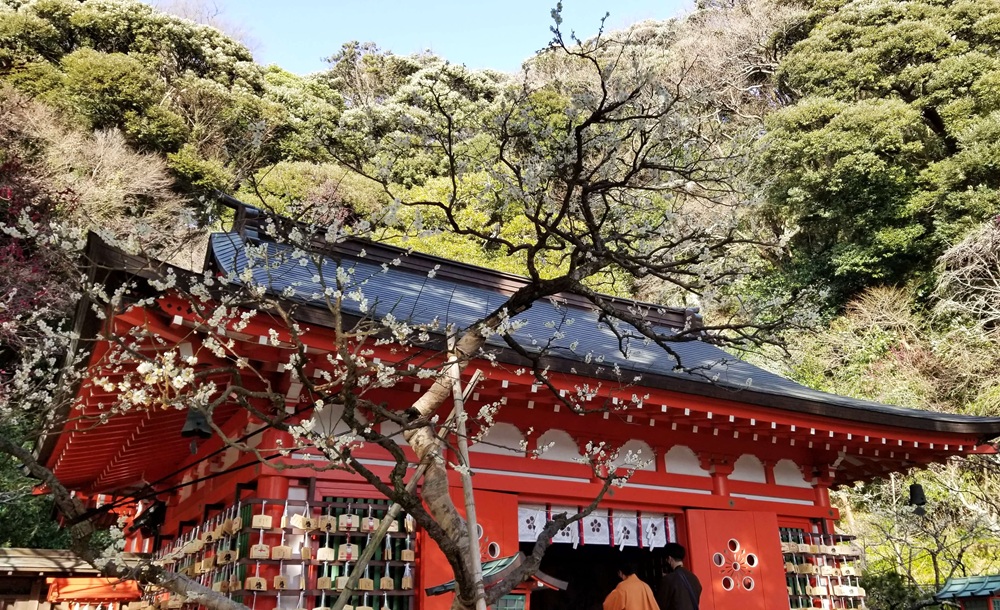
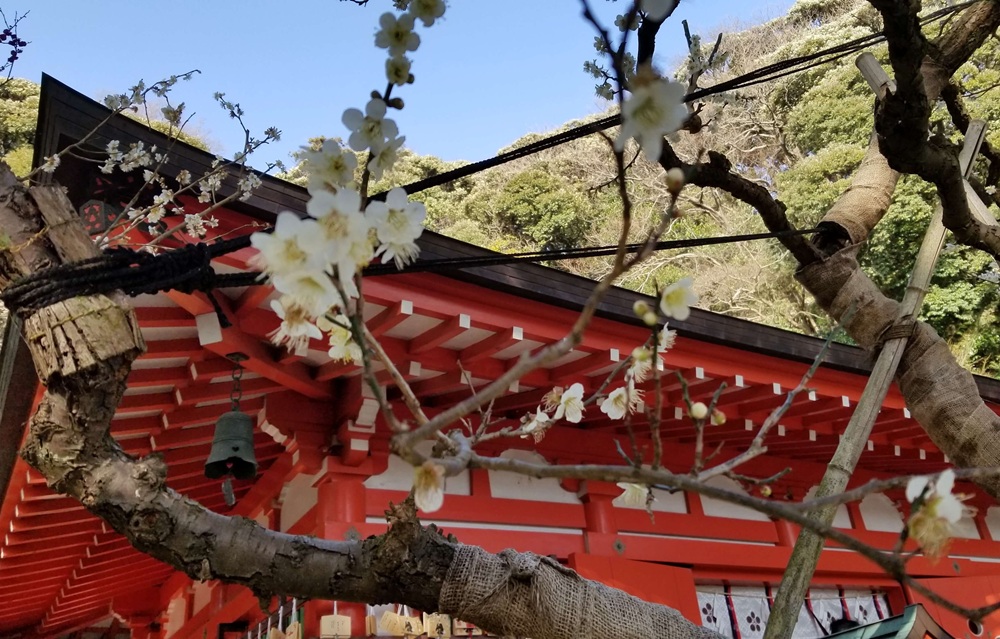
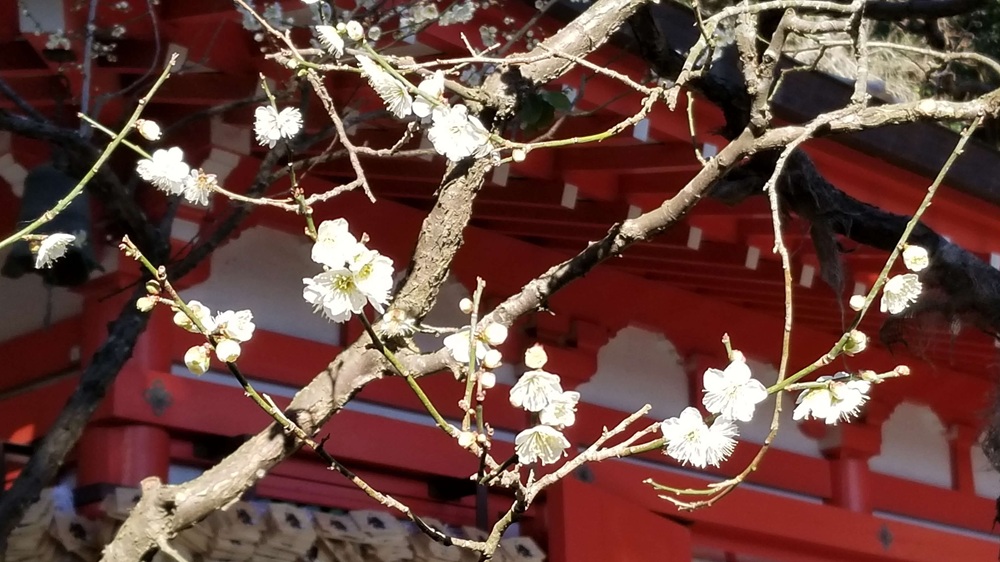
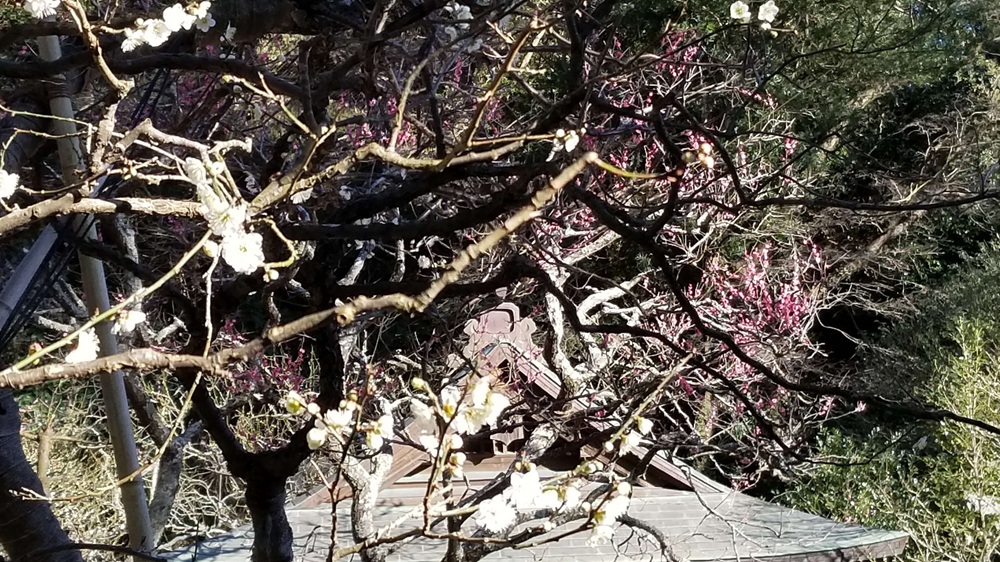
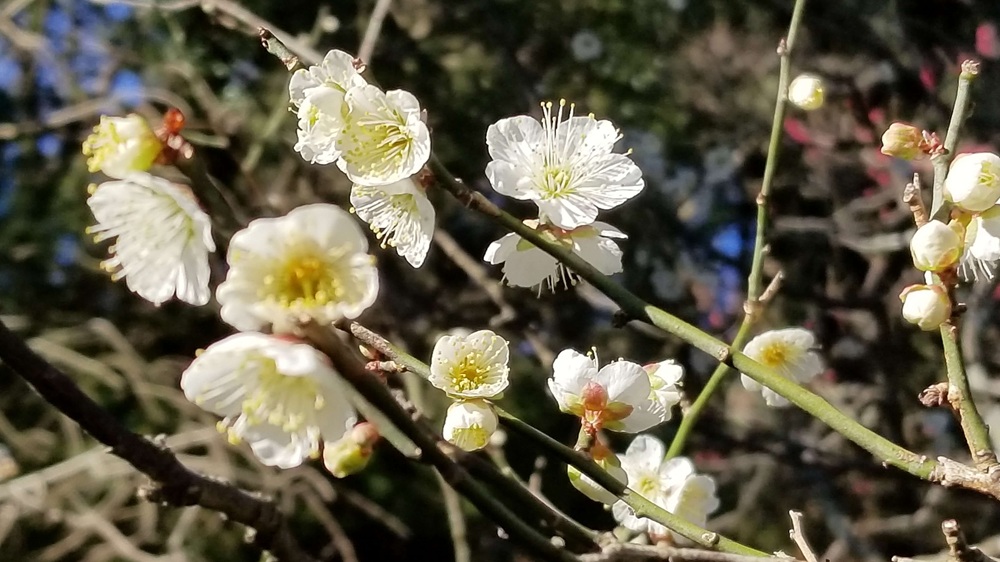
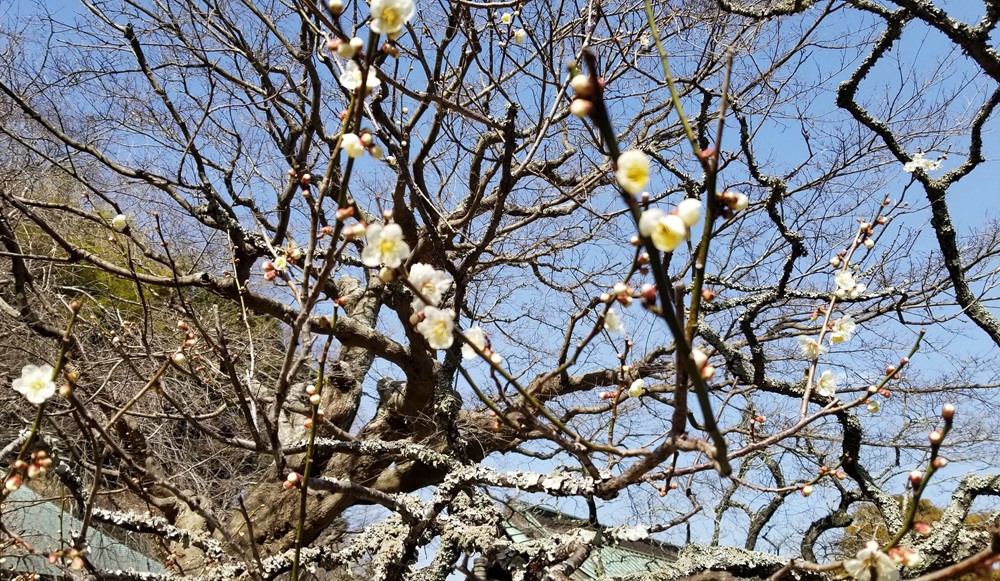
Egaratenjinshya(JP)
Best time to see the blossoms: Mid to late February
Features: This area is home to Kankobai, which is said to be the earliest-blooming plum blossom in Japan. It is one of the earliest places to enjoy plum blossoms in and around Kamakura.
As you can see from the photos, February is the most recommended time to visit.

It’s about a 25-minute walk (1.8 km) from Kamakura Station.
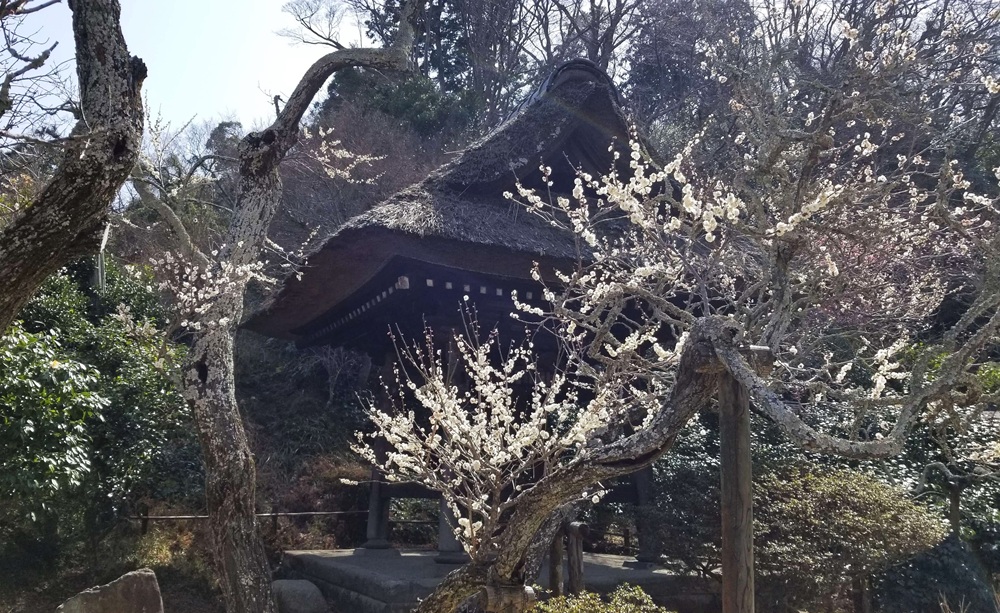
Tokei-ji Temple(JP)
Best time to see the blossoms: Late February to early March
Features: Known as the “Temple of Flowers,” about 120 red and white plum trees are planted along the approach and throughout the temple grounds.
Note: The photos of the temple grounds were taken in 2022.
Photography inside the grounds is currently prohibited.

It’s about a 4-minute walk (300m) from Kita-Kamakura Station.
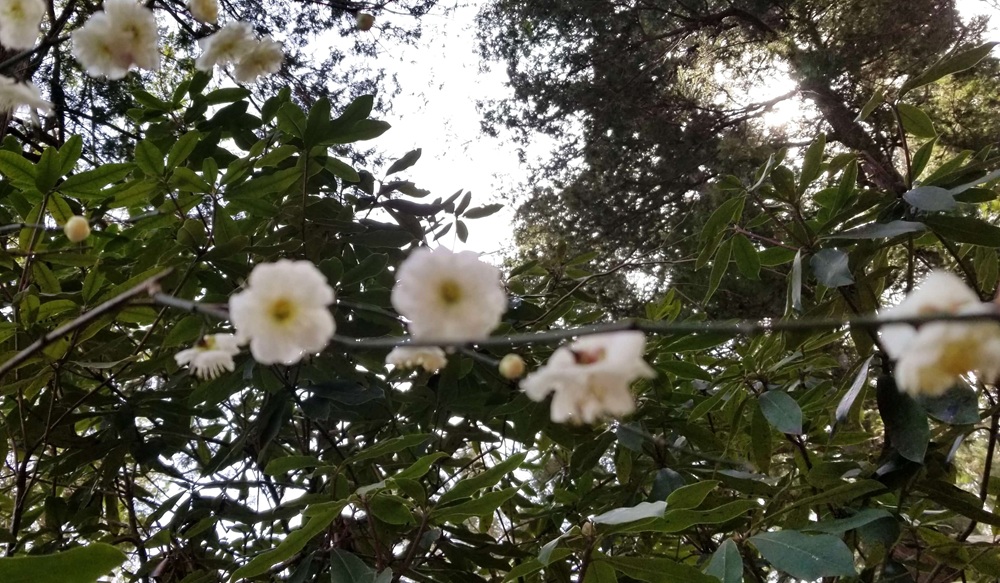
Juniso Orchard (Juniso Kajuen)(JP)
Juniso Orchard is a trust-owned property purchased by the Kamakura Scenic Preservation Society in 2006.
The orchard is home to about 400 plum trees—the largest number in Kamakura.
The orchard is maintained and managed through volunteer activities by members and local residents, including pruning and clearing undergrowth.
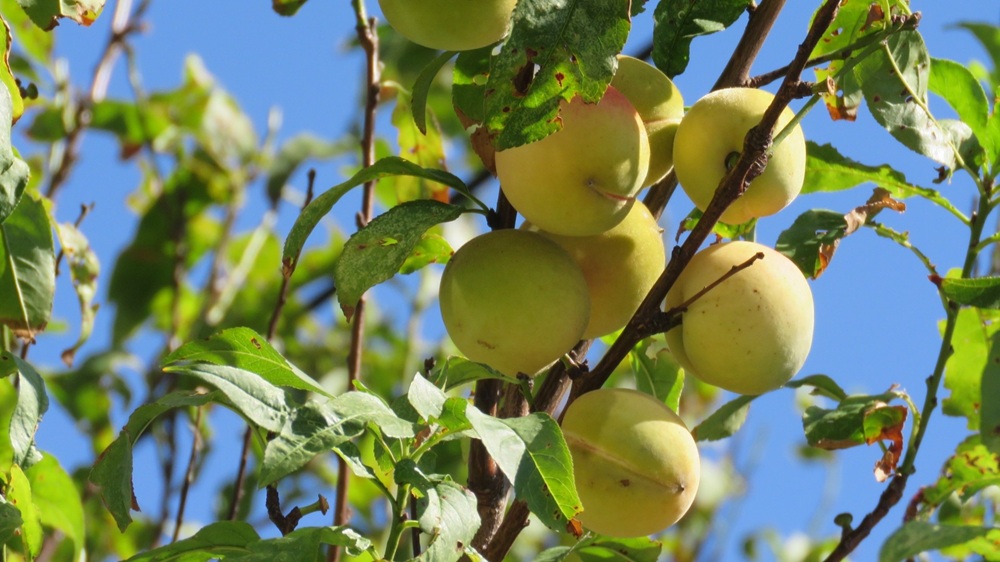
It is also well known as a spot for white plum blossoms. The pesticide-free plums harvested here are sold directly, and during the chestnut harvest season, events such as “Family Chestnut Picking” are held.
In 2025, plums were sold on June 8 in the garden in front of Kamakura City Hall, starting at 10 a.m., at 500 yen per kilogram. Sales continued until they were all gone.
👉 Information「十二所果樹園 梅の開花情報」
How to Get to Juniso Orchard:
From Kamakura Station East Exit, take a bus bound for Kanazawa-Hakkei Station or Kamakura Reien Seimon-mae / Tachiarai.
Get off at the Juniso Jinja bus stop. Follow the signs and walk about 20 minutes to reach the entrance of Juniso Orchard.
Please note: There are no parking lots, water facilities, or restrooms nearby.

It’s about 4.8 km from Kamakura Station, around a 1-hour walk.
There are Jomyo-ji and Koshoku-ji Temples along the route, so feel free to make a little detour!
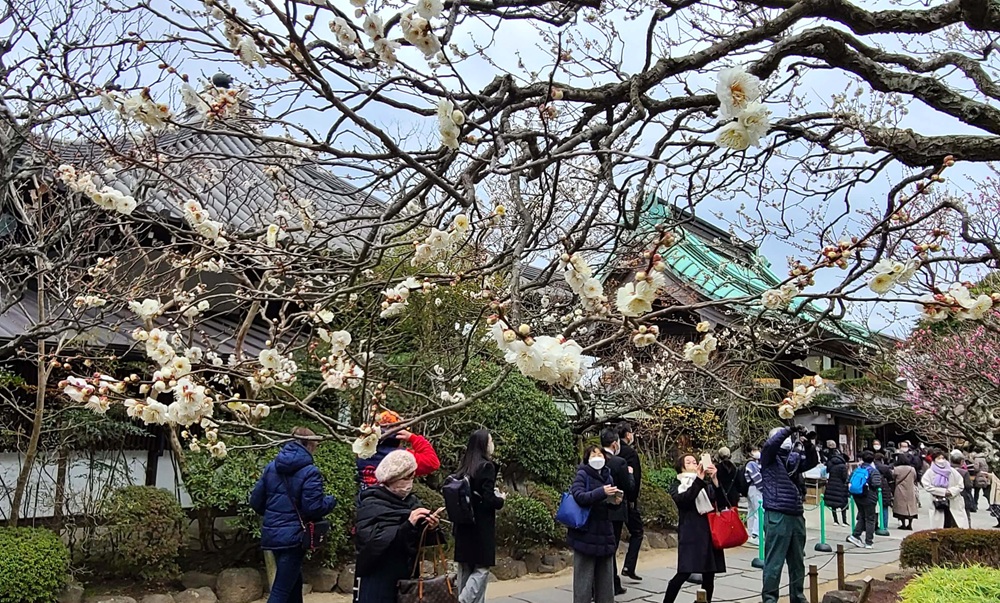
Hasedera Temple(EN)
Best time to visit: Late January to early March
Highlights: Many different types of plum blossoms bloom from winter to spring, and the garden is beautifully lit up at night.
The photos here were taken on February 3, which is also when the Setsubun Festival takes place at Hase-dera Temple—perfect timing for a visit!

It’s about 310 meters, or a 4-minute walk, from Hase Station on the Enoden Line.
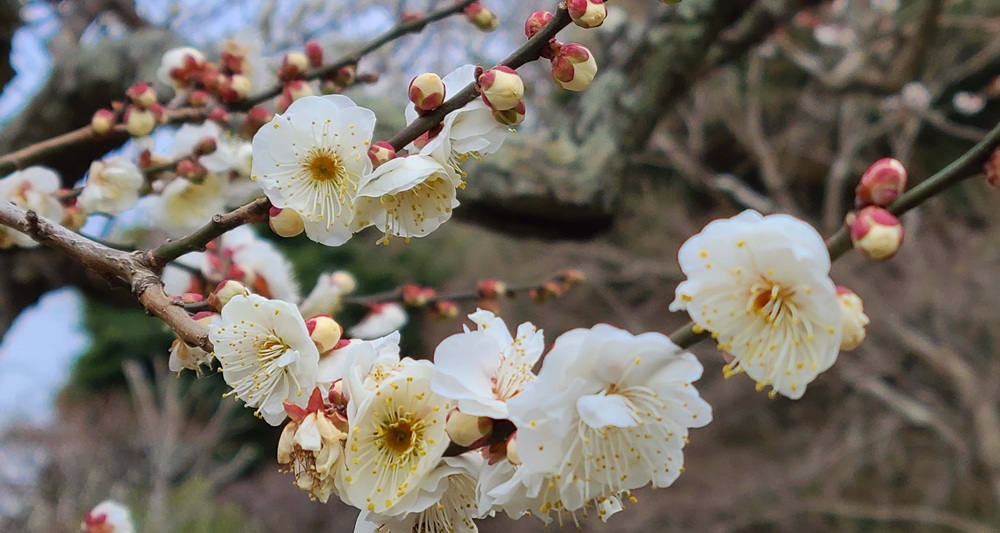
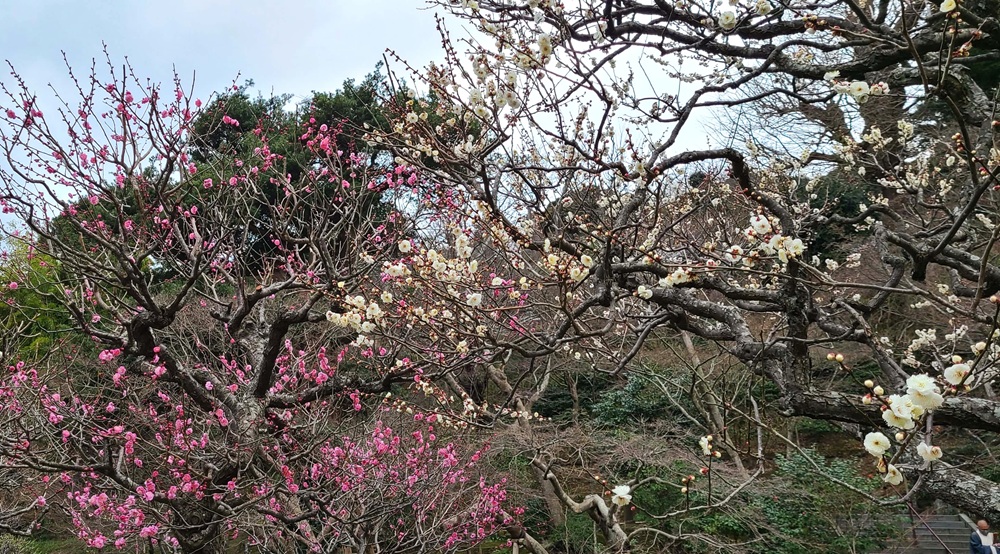
Jyomyo-ji Temple and Kosyoku-ji Temple
Jomyo-ji Temple’s plum blossoms are definitely worth seeing, so you might want to visit here before going to Juniso Orchard!

It’s about 2.3 km (around a 30-minute walk) from Kamakura Station to Jomyo-ji Temple.
From there, Koshoku-ji Temple is about 1 km, or 15 minutes on foot.
That makes a total of 3.3 km (about 45 minutes) from Kamakura Station.
You might as well keep walking and head all the way to Juniso Orchard!
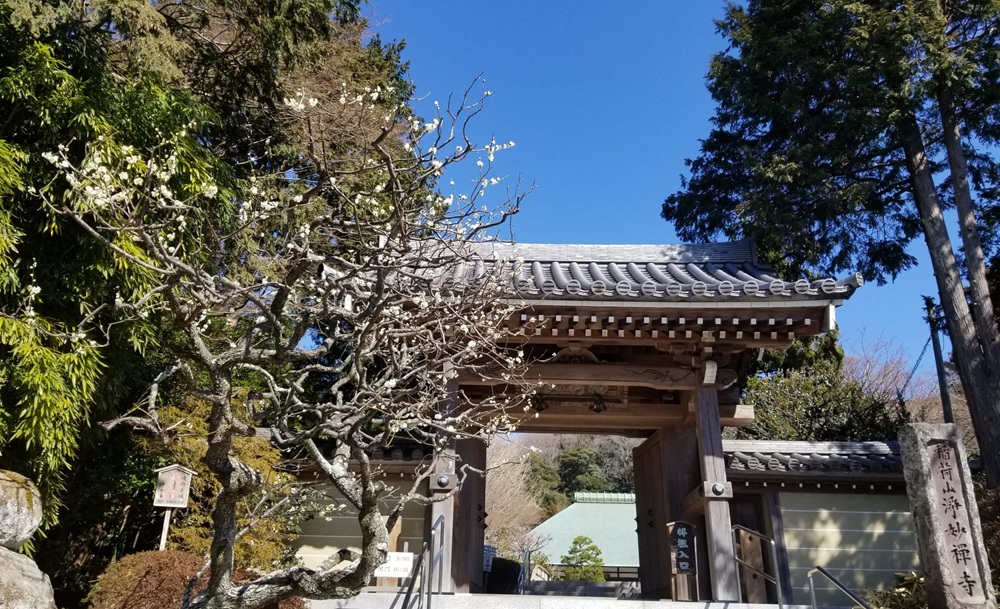
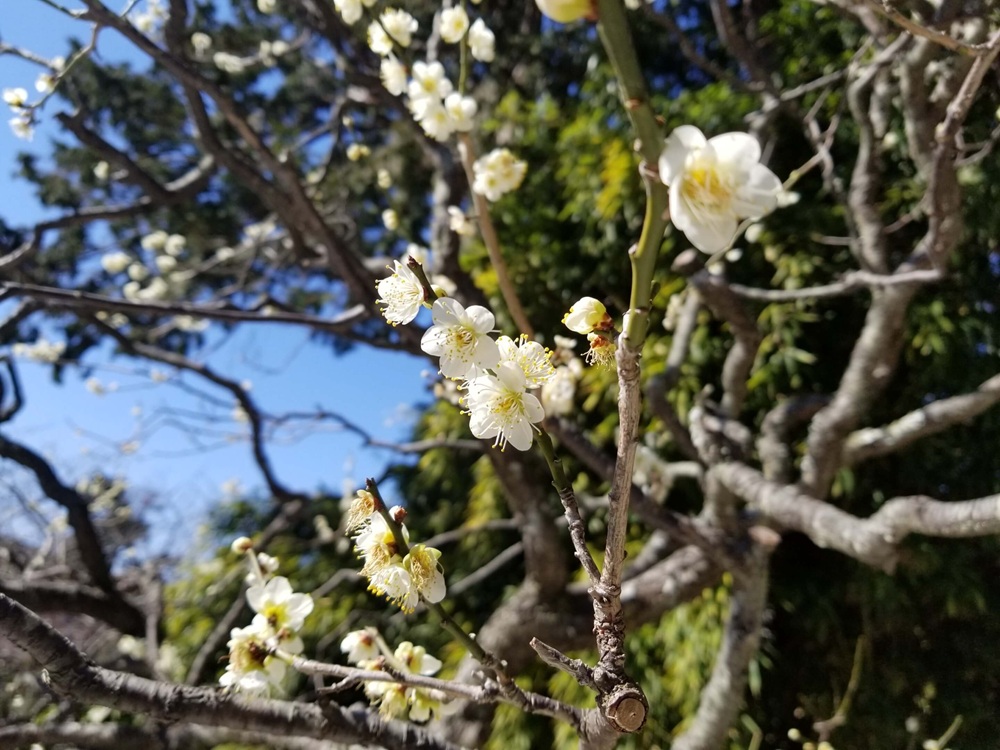
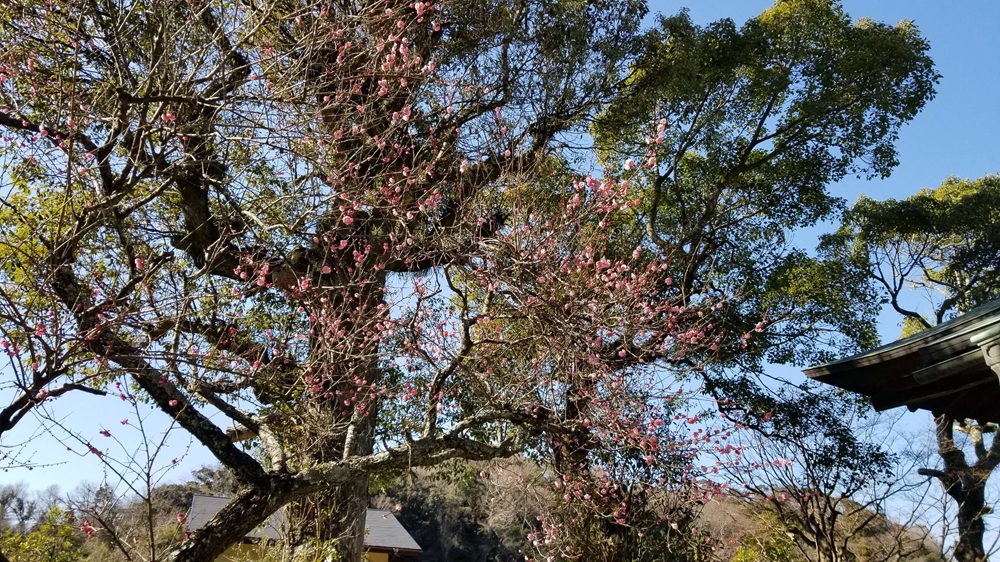
Others
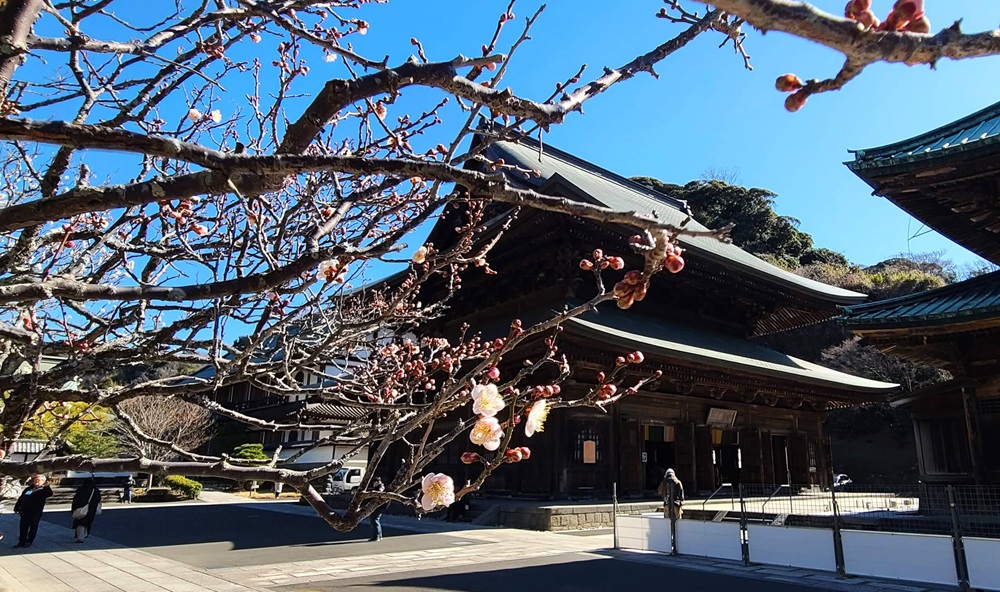
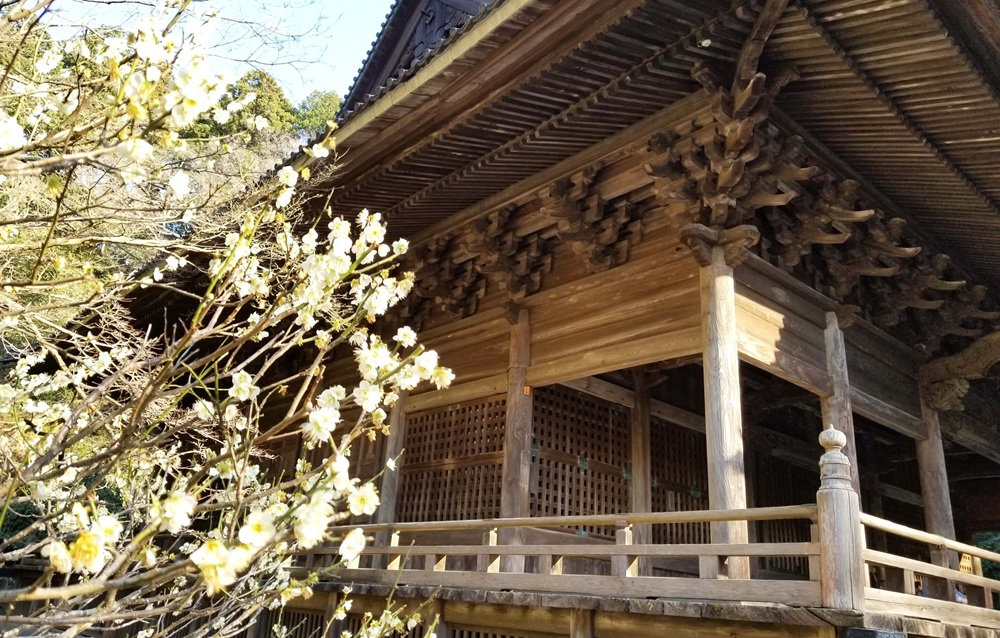
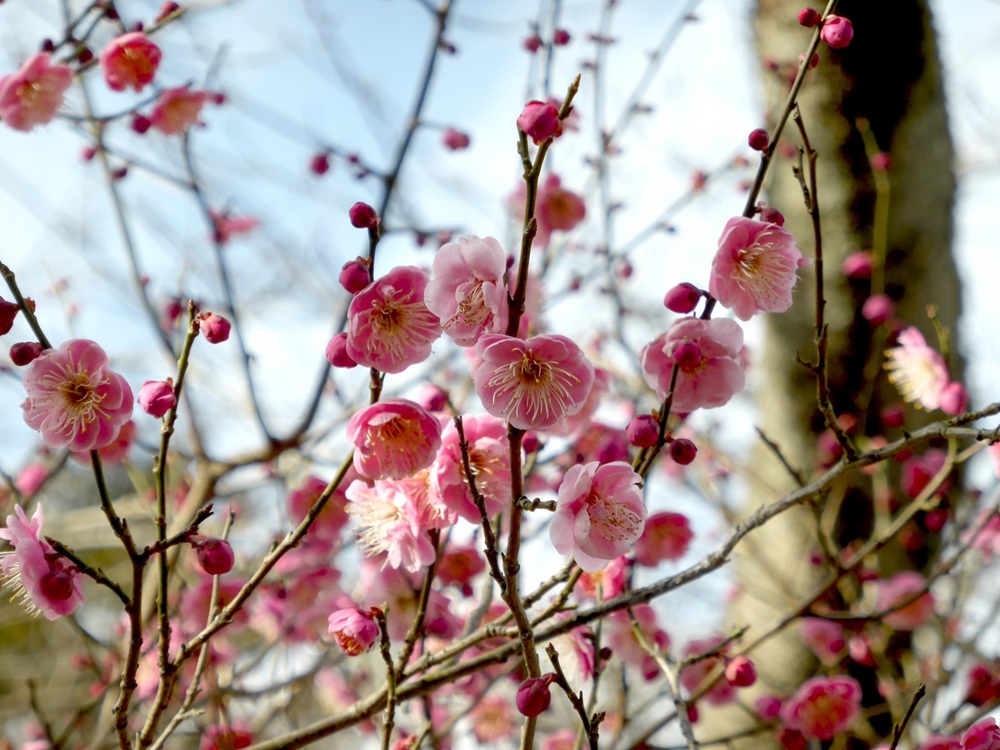
Origin of the Plum
Plums are thought to have originated in central China and were brought to Japan during the Nara period. The word “plum” actually comes from the Chinese pronunciation “mei.”
In Japan, people first fell in love with the plum blossoms rather than the fruit. These early-spring blooms have been celebrated in countless waka poems, including many in the famous Manyoshu. It wasn’t until the Kamakura period that people started eating the fruit more seriously. They were often salted and preserved as a staple food or used as a kind of natural medicine. By the mid-Heian period, the word “umeboshi” (pickled plum) already appears in old documents.
During the Kamakura period, umeboshi were served in monks’ meals and even as a side dish with sake. Later, in the Sengoku period, samurai would carry them as an essential item when going off to battle.
By the Edo period, in the Kishu Tanabe Domain, plums were encouraged to be planted in areas where rice wouldn’t grow, and umeboshi became popular all over Edo (modern-day Tokyo).
Plums have such a long and fascinating history in Japan—they’re not just beautiful flowers, but also a food with a story that stretches over a thousand years!
コメント