
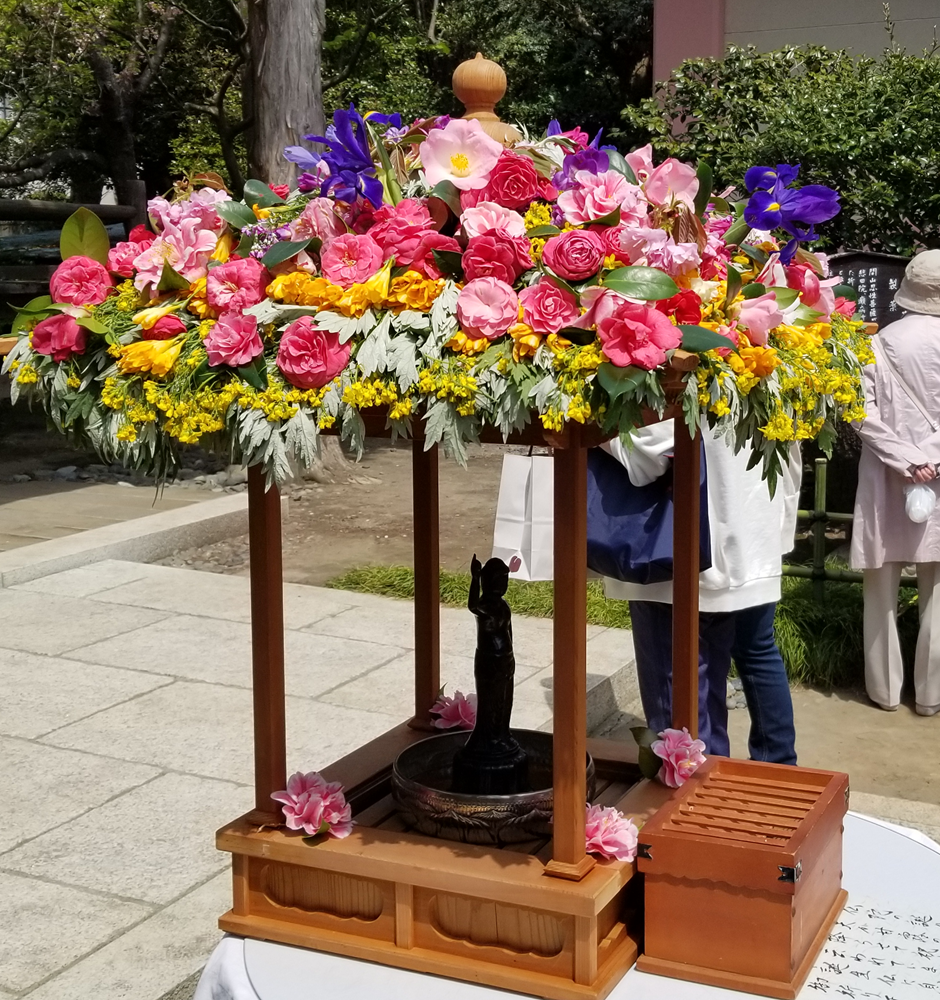
In Japan, Buddhist events are held to celebrate the birthday of Buddha on April 8th.
【PR】【 Taiburo Koubou Official Direct Sales 】 Engraved Dream Pattern Iron Line Ware Three-Piece Set TB4110s, Comes with Presentation Box, Made in Japan
Visit the 太武朗工房 Store
Japanese glassware is truly exceptional. Drinking sake from these glasses is simply amazing.

The item was purchased through your Amazon website.

Hanamatsuri
On this day, statues of Buddha depicting the moment of his birth are displayed and decorated with flowers.
This event is called the Flower Festival, Kanbutsu-e, or Gotan-e.
If you have the opportunity to visit a Buddhist temple in Japan on this day, be sure to take part in this special event.
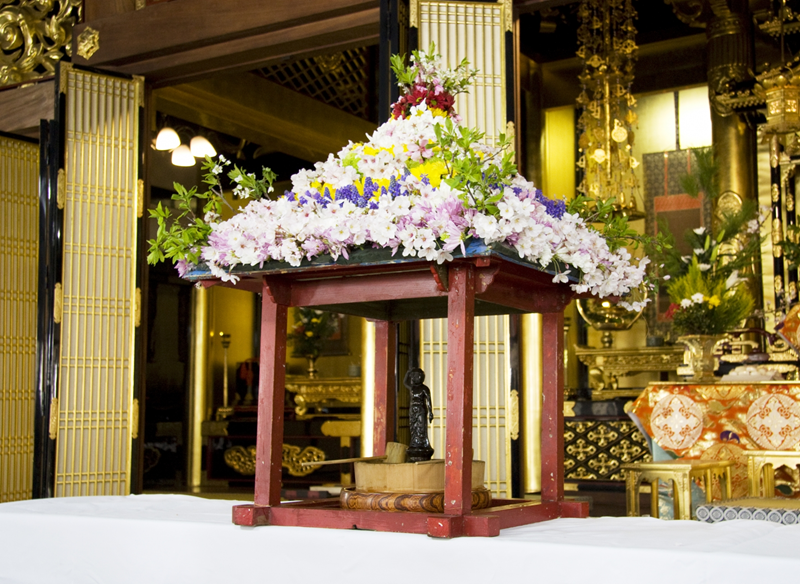
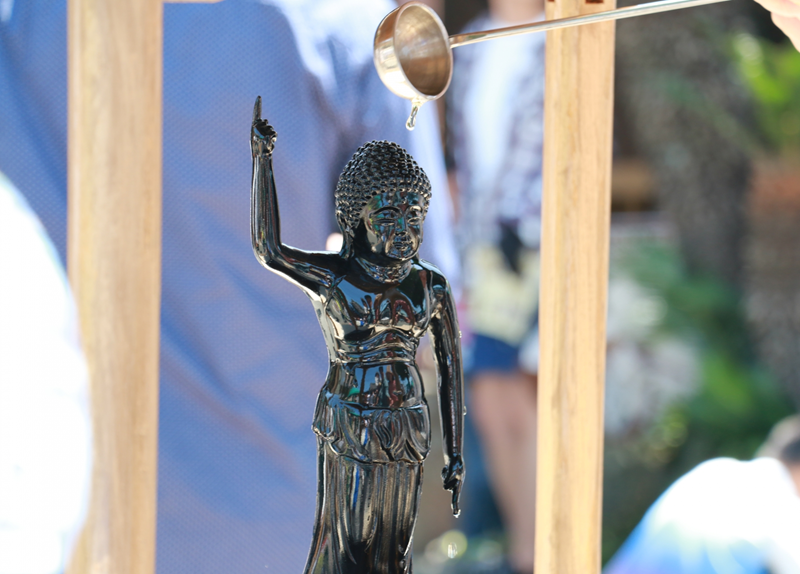
Kanbutsue is a ceremony in which sweet tea (amacha) is poured over a statue of the newborn Buddha placed inside a beautifully decorated floral pavilion called a hanamidō.
The sweet tea is then shared with visitors.
Anyone is welcome to take part in this ceremony, and participation is free of charge.
The origin of Kanbutsue in Japan can be found in the Nihon Shoki (Chronicles of Japan).
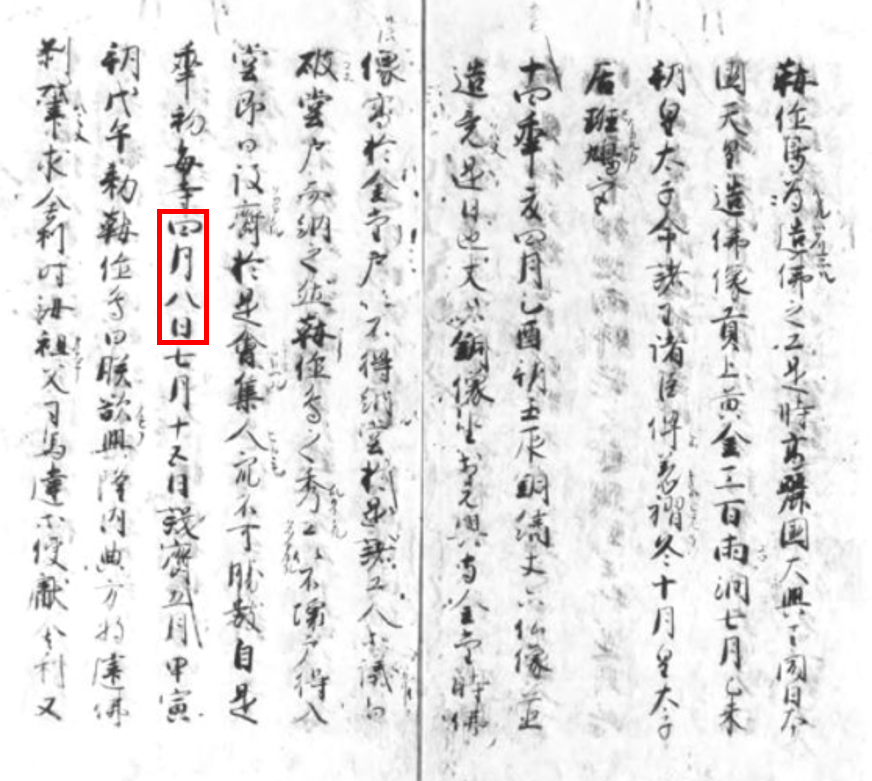
There are two theories about when Buddhism was first introduced to Japan: 538 and 552.
In any case, by 606, Buddhism was widely accepted, so it would not be surprising if Kanbutsue was already being held at that time.
Kanbutsue is a ceremony in which sweet tea (amacha) is poured over a statue of the newborn Buddha placed inside a beautifully decorated floral pavilion, and the tea is also offered to visitors.
This event has traditionally been especially popular with children. For this reason, the name “Hanamatsuri” (“Flower Festival”) has come to be used in recent years.
There are several theories about the origin of the name “Hanamatsuri.”
One theory is that it refers to the Buddha being born in the flower-filled gardens of Lumbini.
Another theory is that in 1901, Jōkan Chikazumi, who was studying in Germany, translated the German “Blumen Fest” as “Hanamatsuri” and introduced it to Japan.Pouring sweet tea on the Buddha statue carries special meaning.
In China, there is a legend that “when a ruler governs wisely and peace prevails, sweet dew falls from the sky.”
In India, there is a legend that sweet tea is a drink of the gods, and drinking it brings immortality.
In other words, pouring sweet tea on the Buddha is a symbolic act of respect and devotion.
There are important days in the Buddhist calendar.
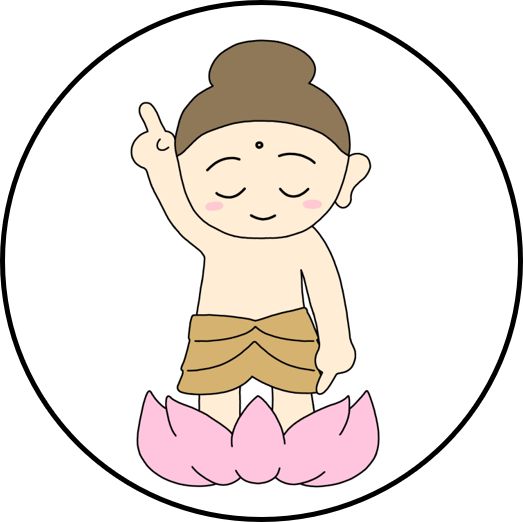
Gōtan-e (Birthday Celebration)
A ceremony to celebrate the birth of the Buddha (April 8).It is also called Hanamatsuri or Kanbutsue.
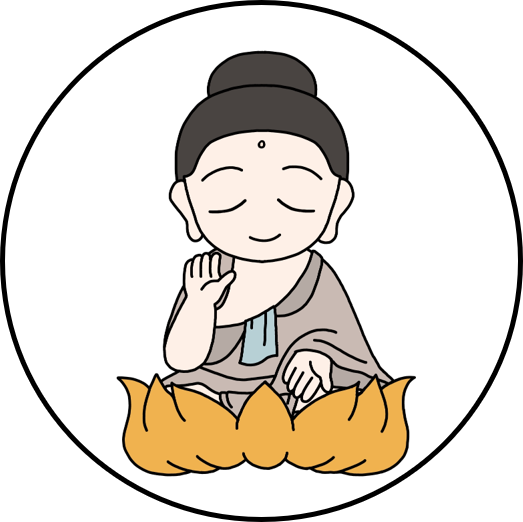
Jōdō-e (Enlightenment Ceremony)
A ceremony to commemorate the day the Buddha attained enlightenment (December 8).
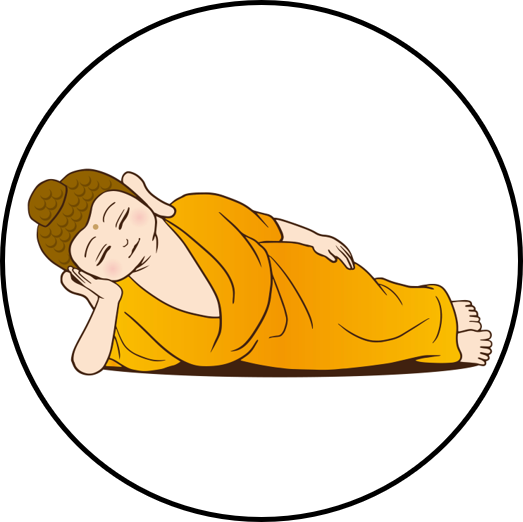
Nehan-e (Nirvana Ceremony)
A ceremony to remember the day the Buddha passed away (February 15).
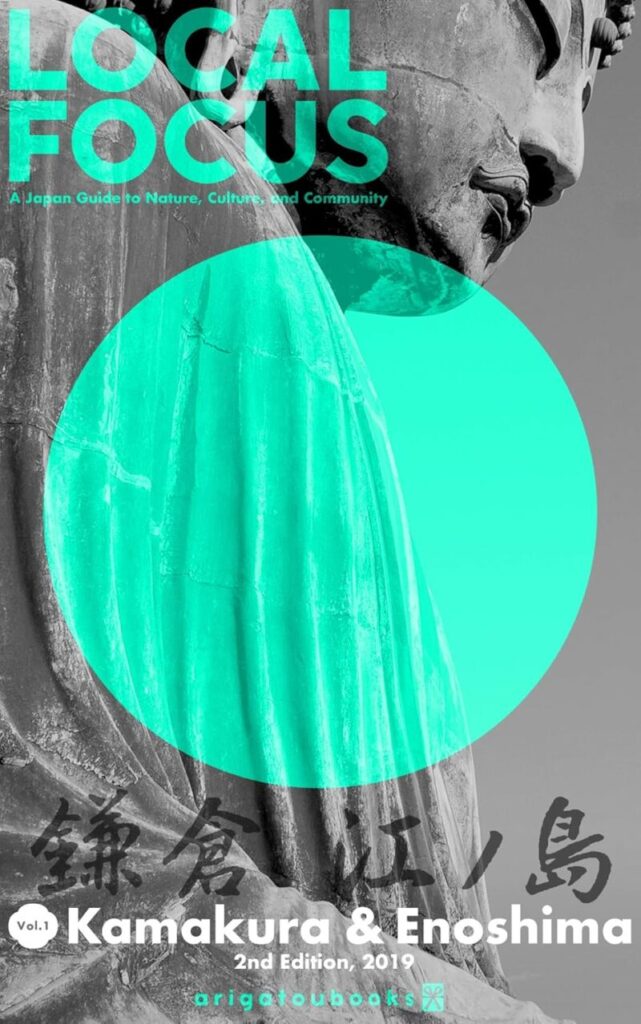
If you’re traveling to Kamakura, Japan, I highly recommend reading this guidebook. It focuses specifically on Kamakura and Enoshima and is sure to be a great help for your trip.

The item was purchased through your Amazon website.

Temples in Kamakura where Hanamatsuri is held
If there are no special events, you can visit and pray during regular visiting hours.
👉 Gokurakuji Temple
A statue of the Buddha is enshrined in front of the main hall, so you can pay your respects and pour sweet tea (amacha) over it.
Sweet tea is also offered to visitors.
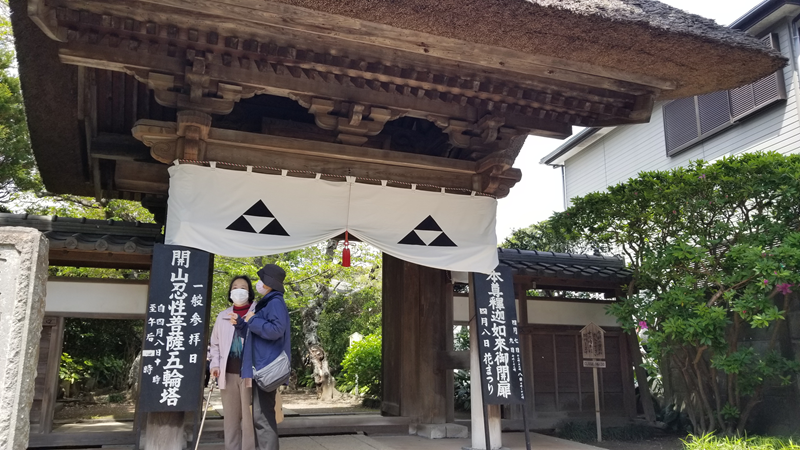
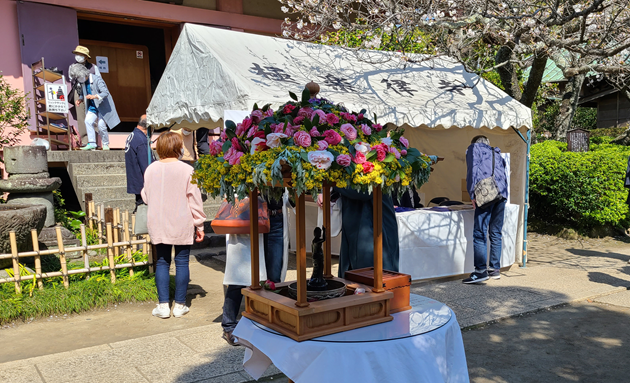
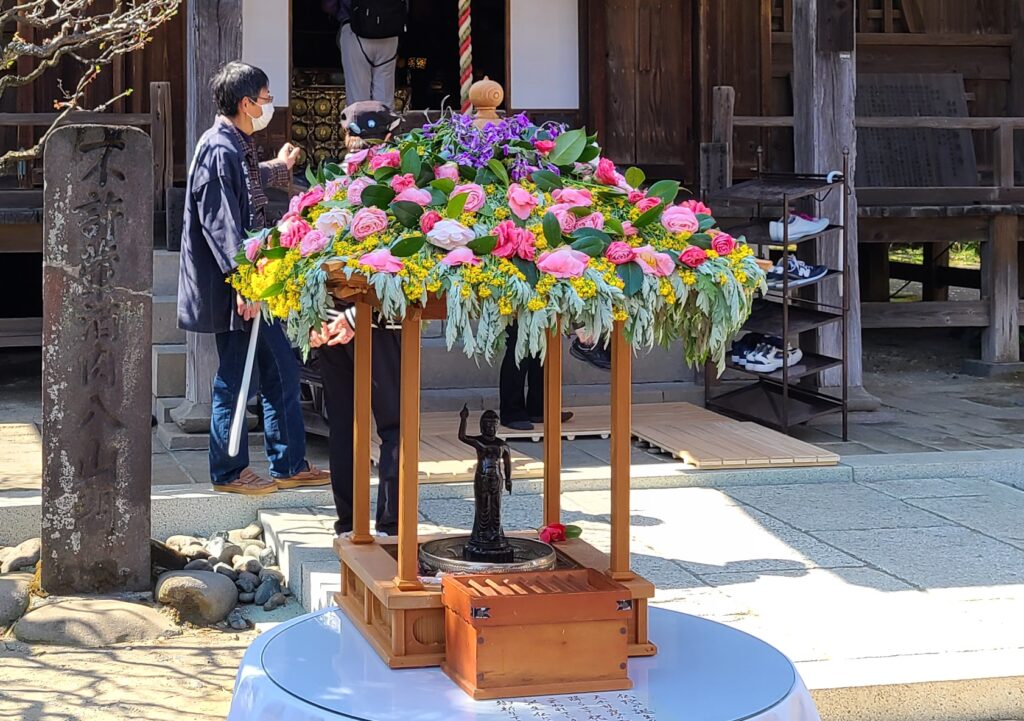
👉Manpukuji Temple
Hanamatsuri is also held at Manpuku-ji Temple in Koshigoe.
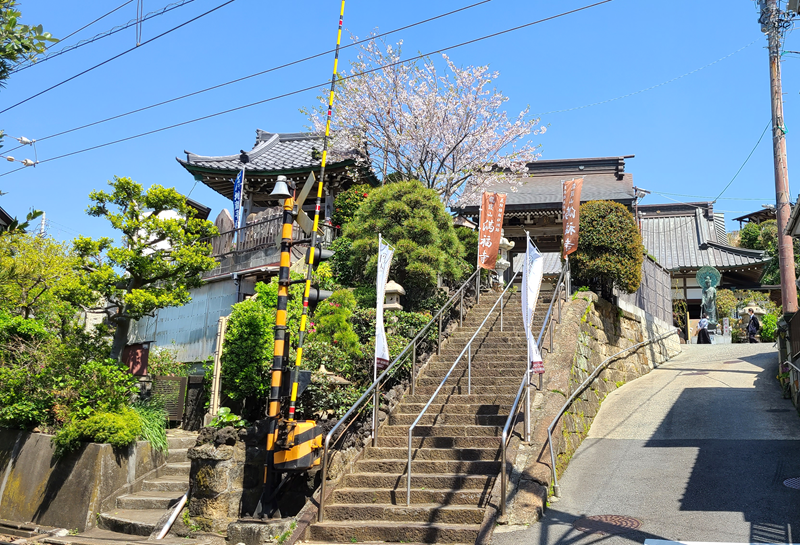
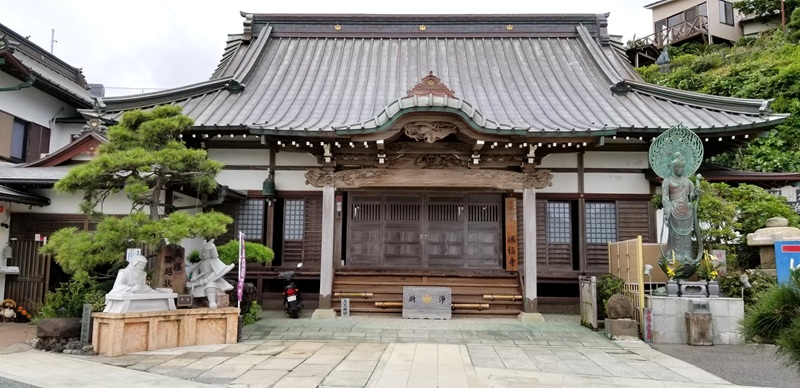
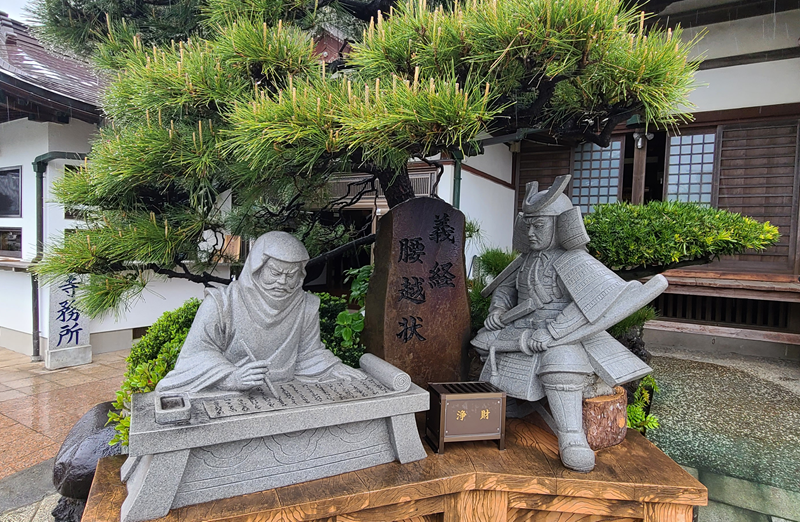
👉 Myōhon-ji Temple
A statue of the Buddha is placed in front of the main hall at Myōhon-ji Temple, so you can pour sweet tea (amacha) over it here.
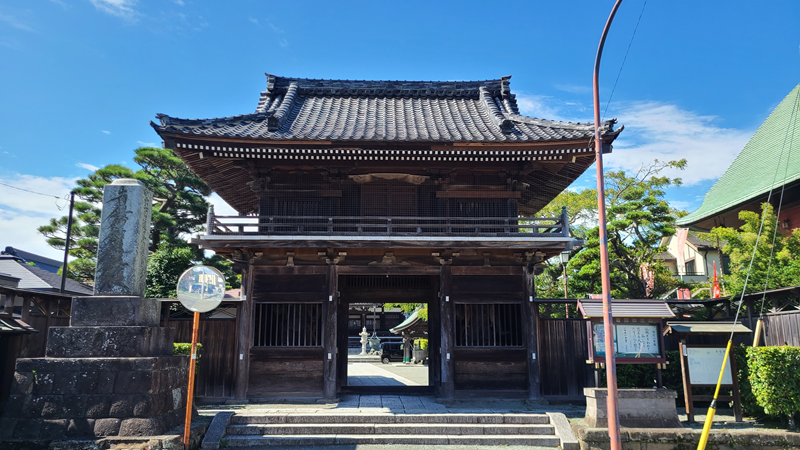
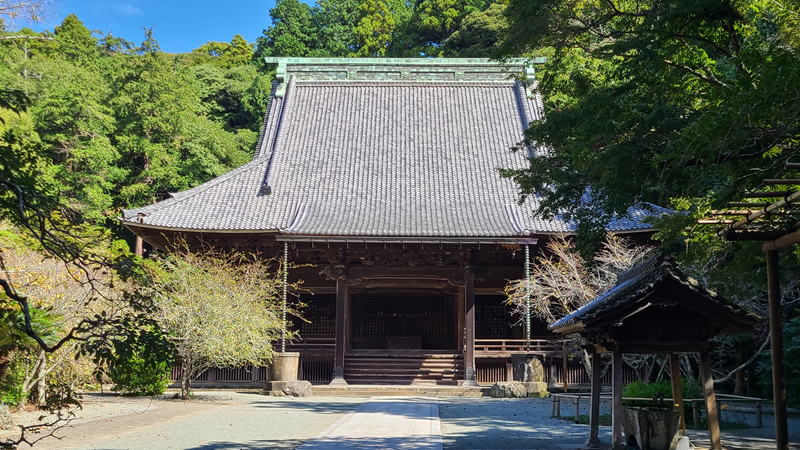
👉Kenchō-ji Temple
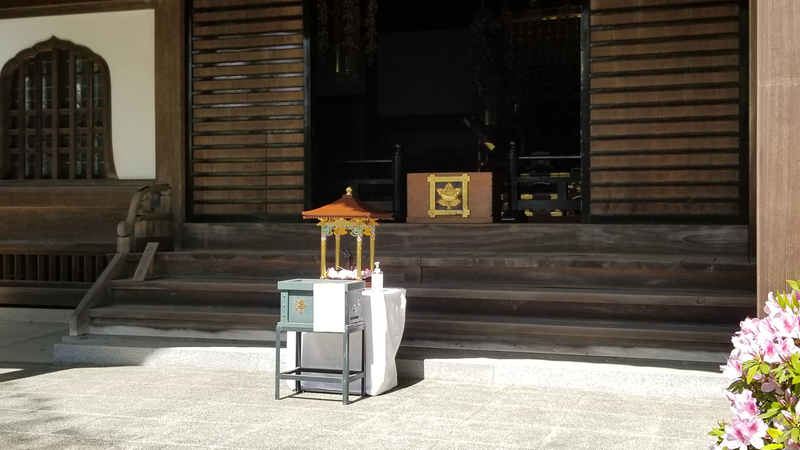
A floral pavilion (hanamidō) is usually placed in the hattō (main hall), and all the monks of the temple gather for the ceremony.
However, when I visited on April 8, 2022, it didn’t seem like anything special was taking place. Maybe it was because of the COVID-19 pandemic.
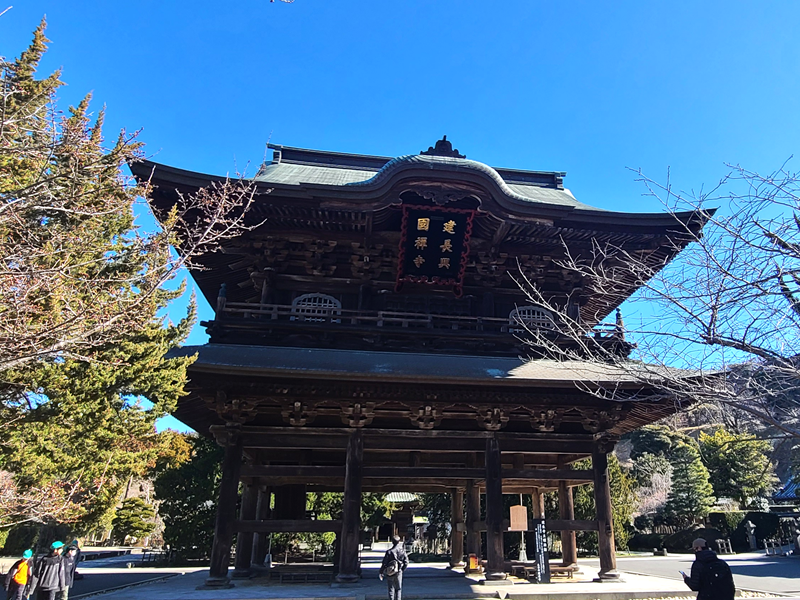
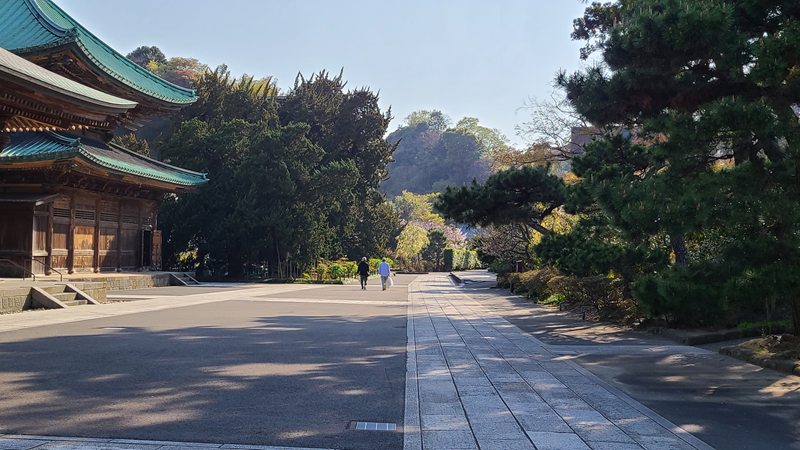
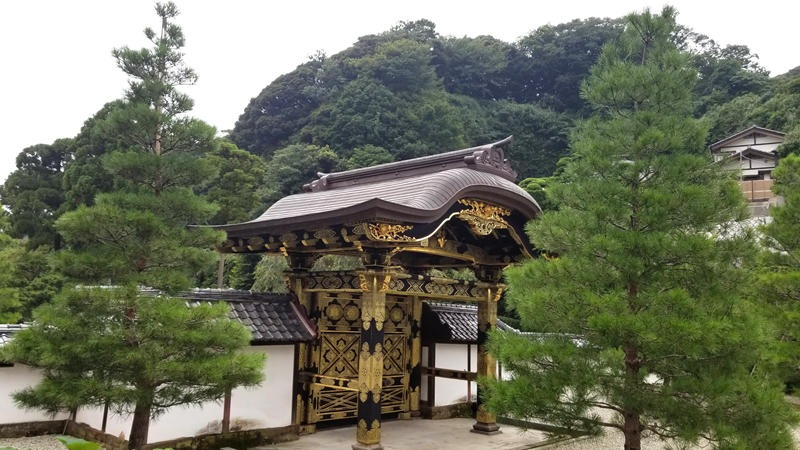
👉 Hasedera Temple
Information for 2025:
Ceremony: From 10:00 a.m., in front of the Buddha statue (next to the Sakura Plaza in the upper temple grounds).
Sweet tea (amacha) will also be offered to visitors.
After the ceremony, a special musical offering is planned, featuring Nobuko Hayashi on the koto and Keisuke Zen’yōji on the shakuhachi.
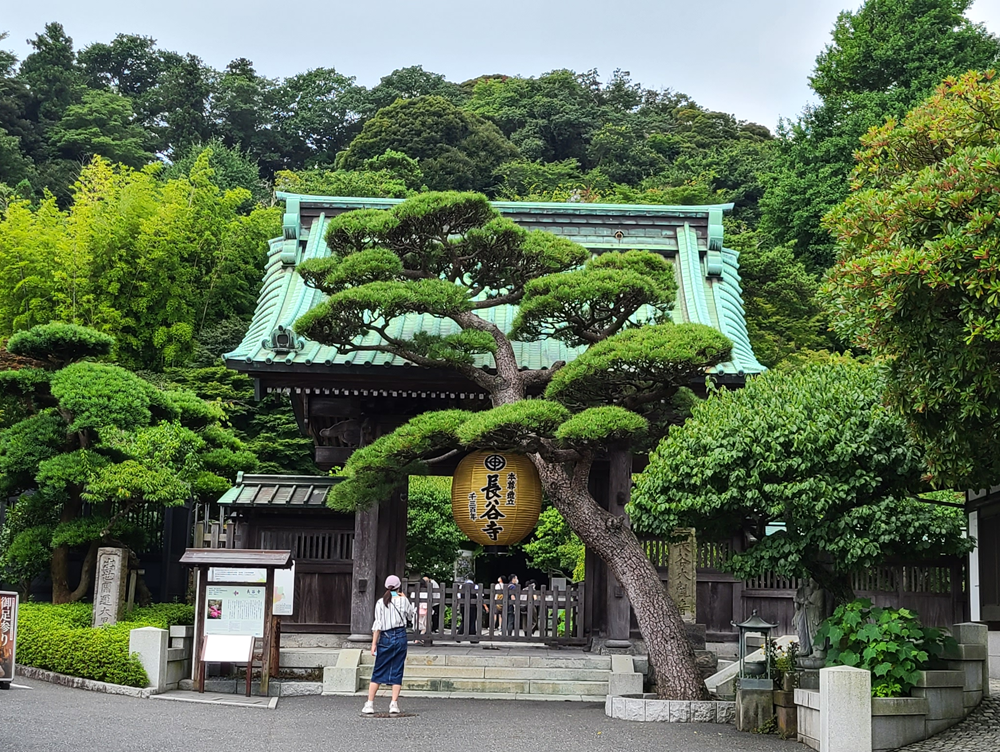
👉 Kōmyō-ji Temple
For 2025, the schedule was as follows:
Sutra copying (Shakyo): from 10:00 a.m.
Dharma talk (Hōwa): from 1:00 p.m.
Ceremony (Hōyō): from 2:00 p.m.
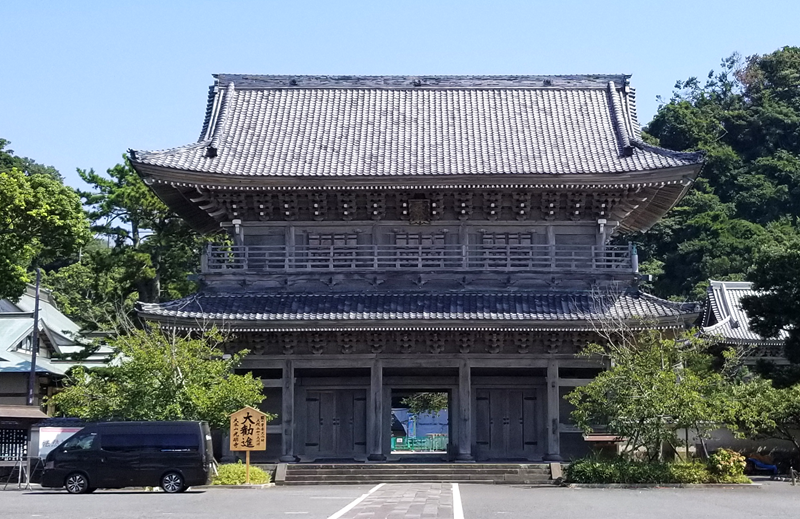
👉Engakuji Temple
Butsuden (Buddha Hall): Open for viewing from 10:00 a.m.
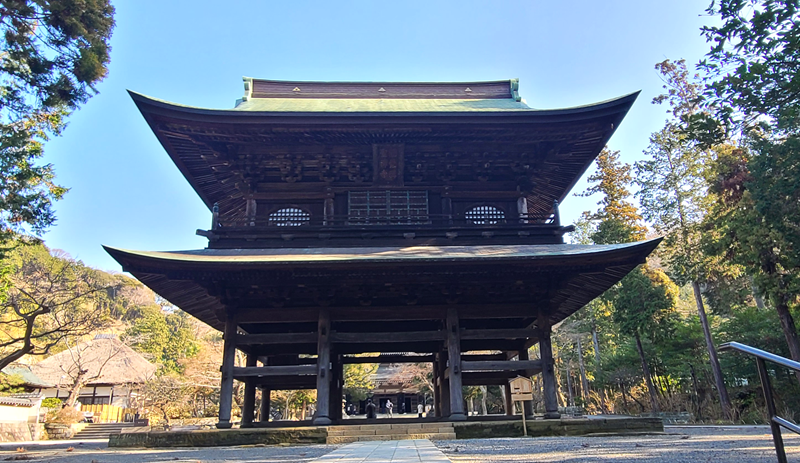
👉 Toukeiji Temple
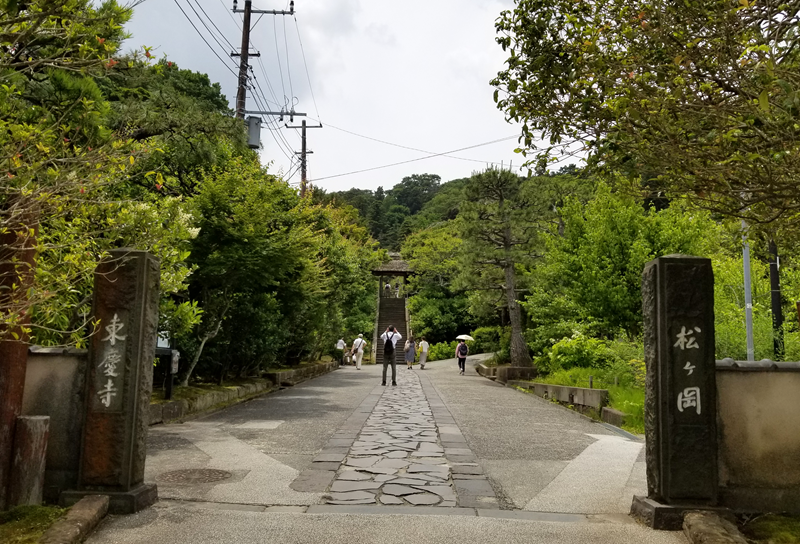
In the past, visitors could pay their respects to the Buddha statue in the hanamidō in front of the main hall, but the information for 2026 does not seem to be available yet.
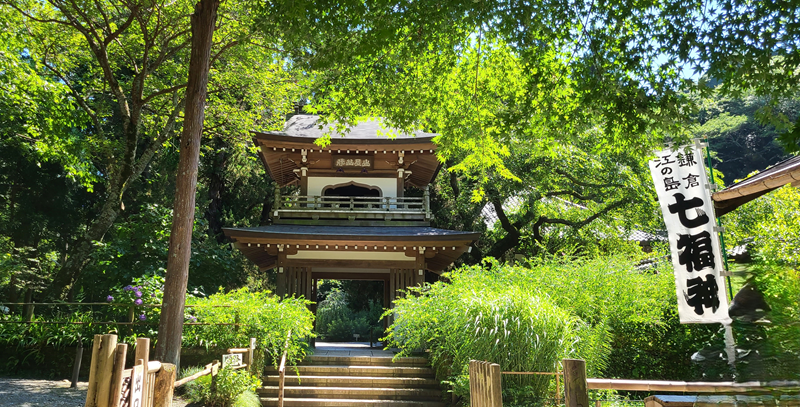
👉Jōchi-ji Temple
The Buddha statue is sometimes placed at the entrance or in the Dōkaden, but its location may change from year to year.
👉 Meigetsu-in Temple
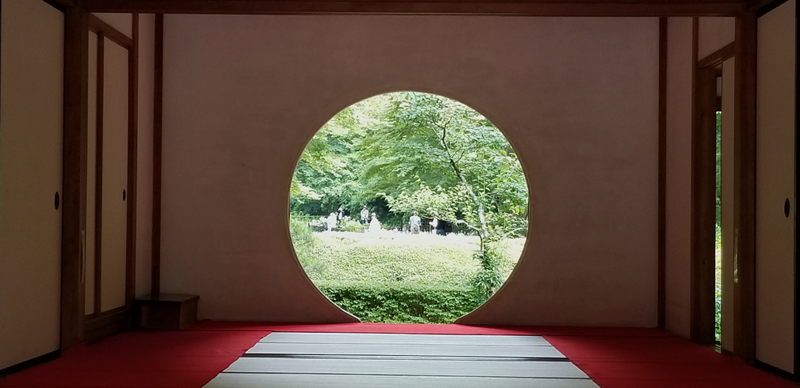
On April 8, the Buddha’s birthday, a hanamidō (floral pavilion) is set up at the “Window of Enlightenment” (the round window of the main hall), and anyone can pour sweet tea (amacha) over the statue.
👉 Sugimotodera Temple
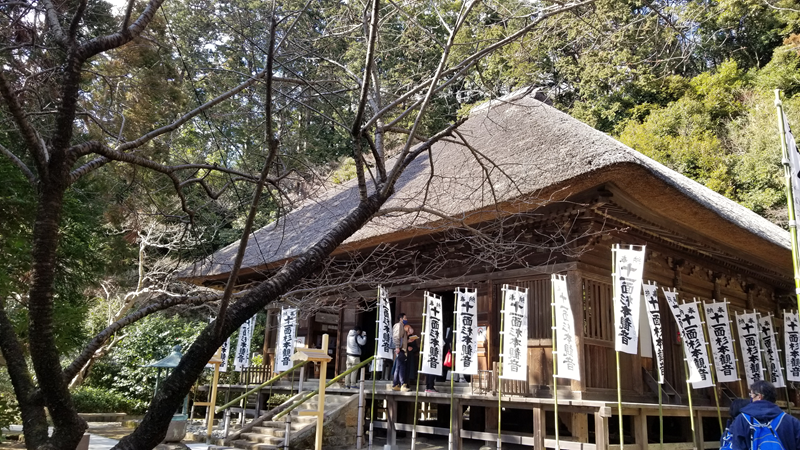
The hanamidō (floral pavilion) is decorated with flowers, and sweet tea (amacha) is poured over the statue of the newborn Buddha to celebrate his birth.
This comes from a legend that when the Buddha was born, nine dragons spouted fragrant water (amrita) from the heavens to bathe him.
If you just want to pour sweet tea on the statue, at most temples you can visit between 10:00 a.m. and 4:00 p.m.
I think there are other temples holding Hanamatsuri that are not listed here.
If you drop by casually, you might find a new and unexpected experience waiting for you.
Click here if you want to see other blog posts. 👉 Blog
コメント