

Shobu festival at Tsurugaokahachiman-gu Event Schedule
Start time: 1:00 p.m.
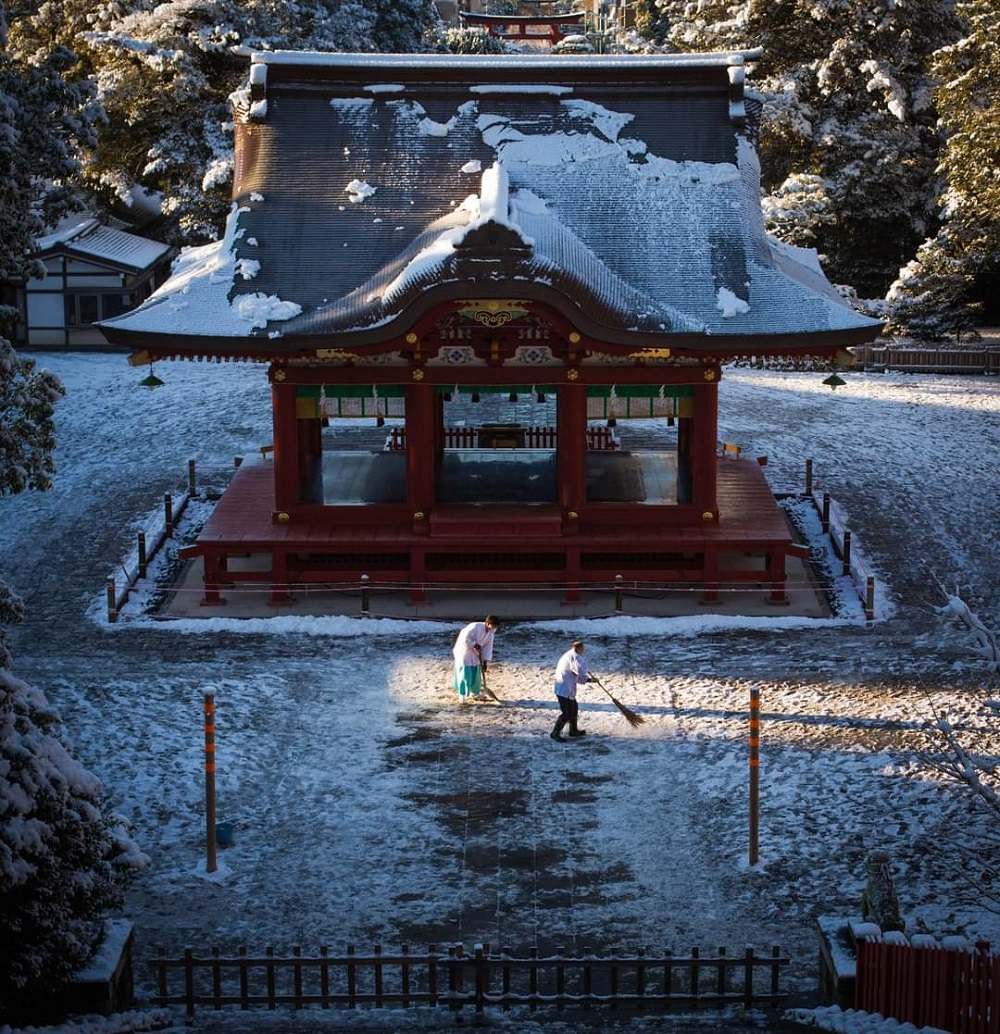
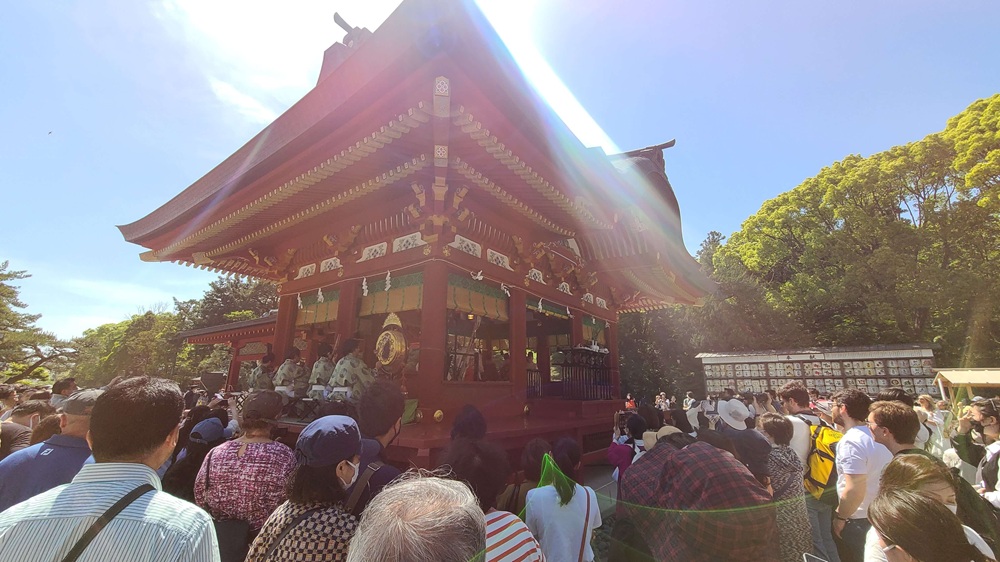
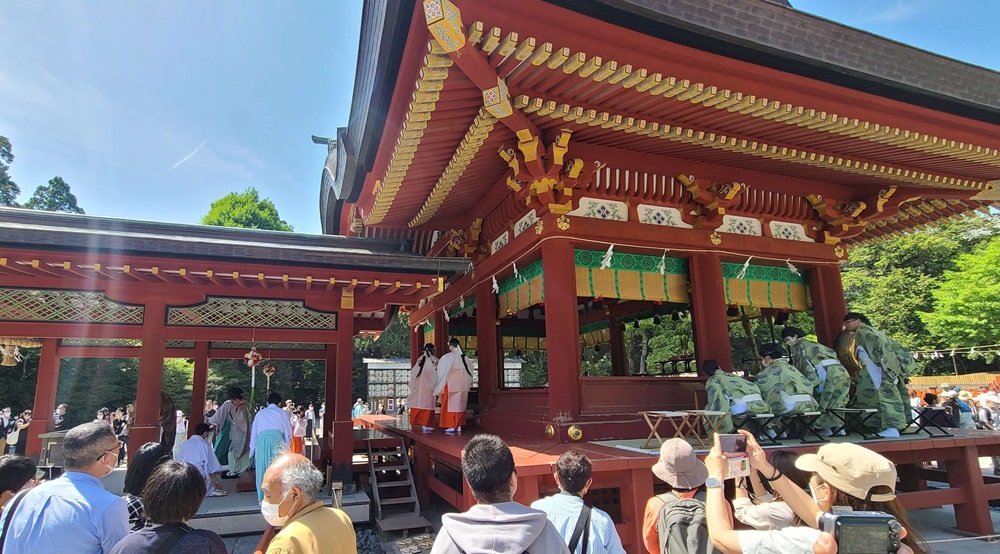
A Shinto ritual is held at the maiden (ceremonial dance stage), followed by the offering of bugaku (traditional court dance).
The event finishes in about 30 minutes. (2023)
By the way, Kusajishi is also performed at Kamakura-gu Shrine, so even after watching the Shōbu Festival, you should have plenty of time to walk over to Kamakura-gu (about a 20-minute walk).
Kusajishi continues until around 2:30 p.m. I’ve written more details about that event on a separate blog as well—be sure to check it out!
👉 2026.5.5 Kusajishi at Kamakura-gu is an amazing traditional event.
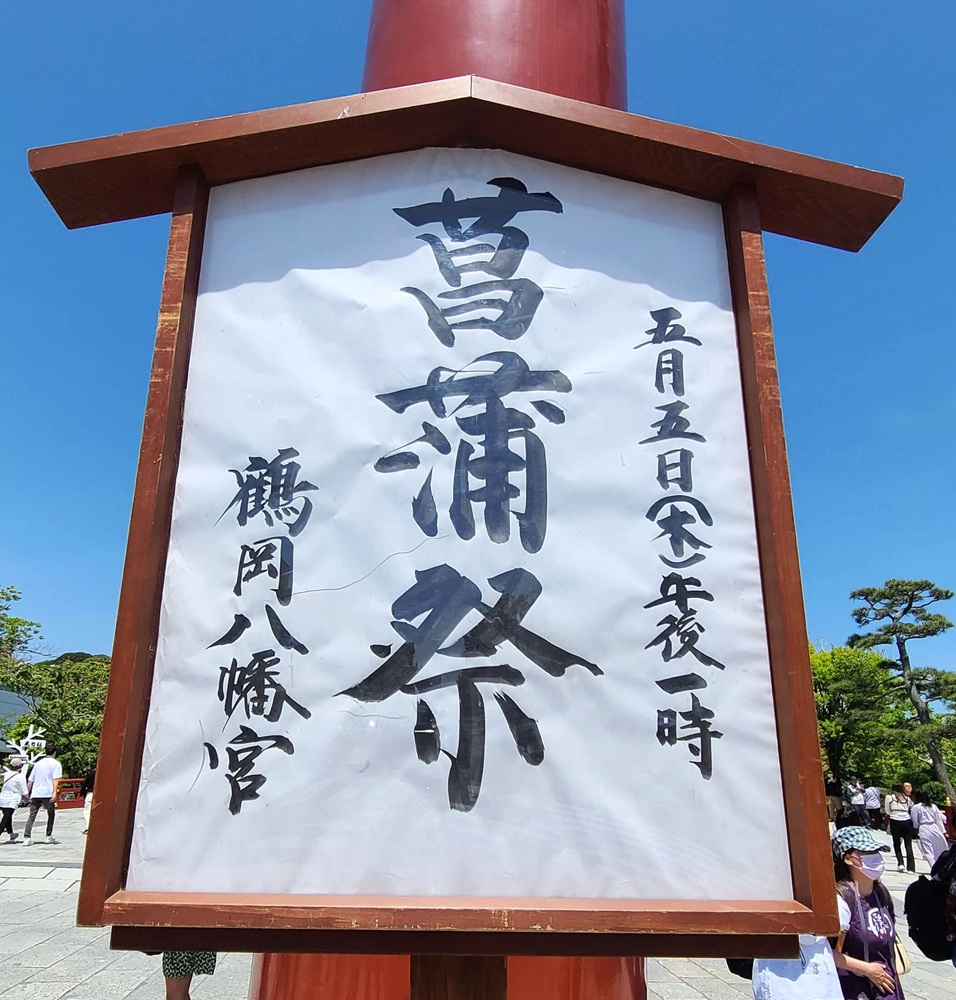
May 5th, Tango no Sekku (the Boys’ Festival), has long also been known as the Shōbu Festival.
During the Heian period, it was observed as an important annual court ceremony in the imperial palace.
Shōbu (iris) was believed to have the power to ward off evil spirits and prevent illness.
In the Sengoku period, samurai used iris as a charm for protection, incorporating it into helmet crests and armor designs.
Additionally, because shōbu shares the same pronunciation as shōbu meaning “to value martial spirit,” it was considered especially auspicious in samurai society.
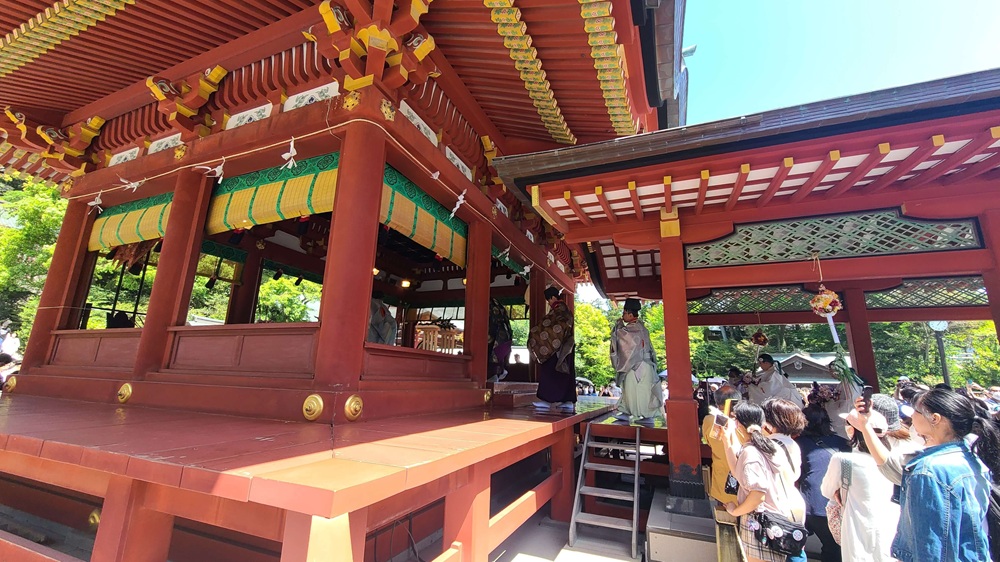
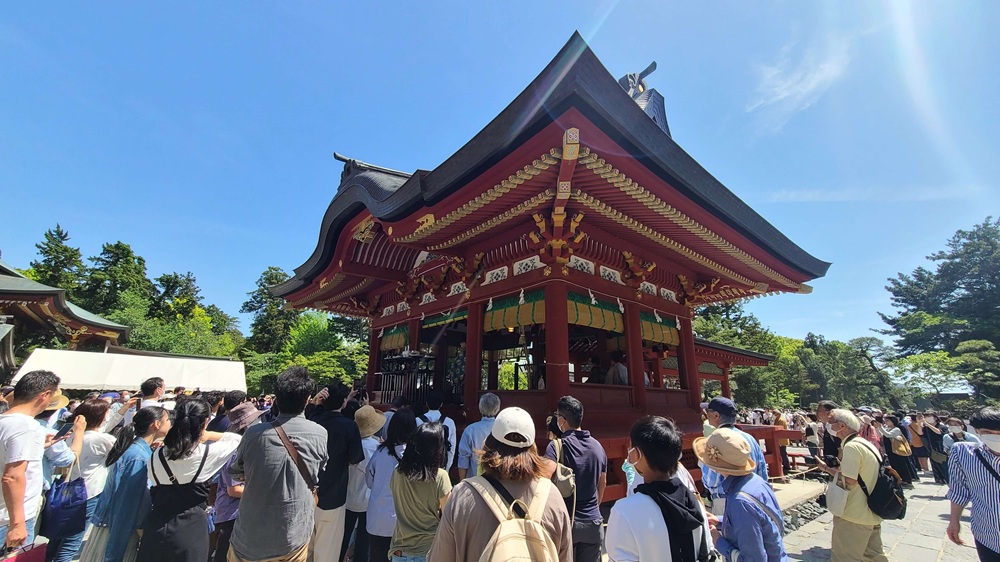
During the Edo period, admiration for martial spirit became closely linked with prayers for the healthy growth of boys.
Even today, traditions like taking a shōbu-yu (iris bath) or eating chimaki are practiced to ward off illness and misfortune, and to pray for good health and a life free from harm.
Source: Tsurugaoka Hachimangū Shrine official website「菖蒲祭」
Kimono dress with vivid and gorgeous flowers printed on it. The obi comes with a cute bowknot ribbon at the back. The colors available are elegant red, bright blue, chic black, neat white, and glossy and colorful purple. You can enjoy the Japan in this kimono.【PR】
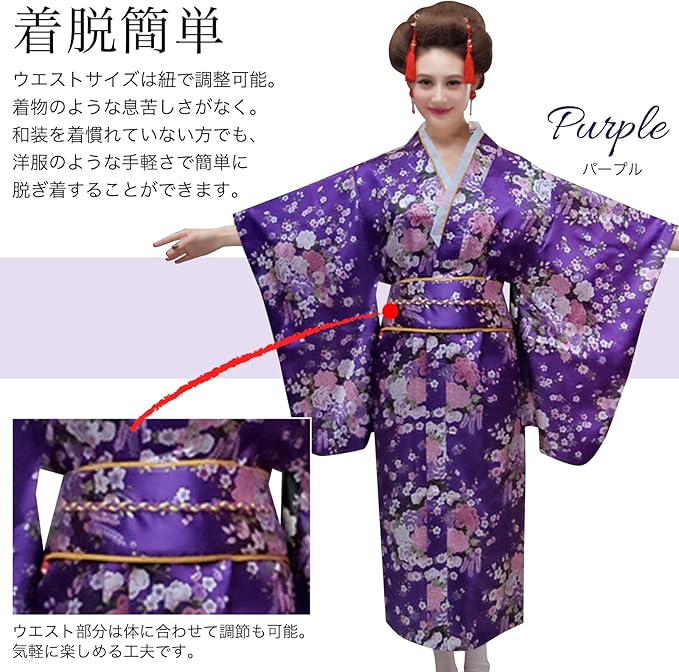
The waist size can be adjusted with a drawstring, and it can be put on and taken off easily, just like regular clothing.
The item was purchased through your Amazon website.


Izure ayame ka kakitsubata
Izure ayame ka kakitsubata” is a Japanese proverb that literally means
“Which will it be—an iris or a rabbit-ear iris?”
Because ayame and kakitsubata look very similar, the expression is used to describe a situation where it is difficult to tell two excellent or similar things apart. It can also imply uncertainty about which choice will ultimately prove better.
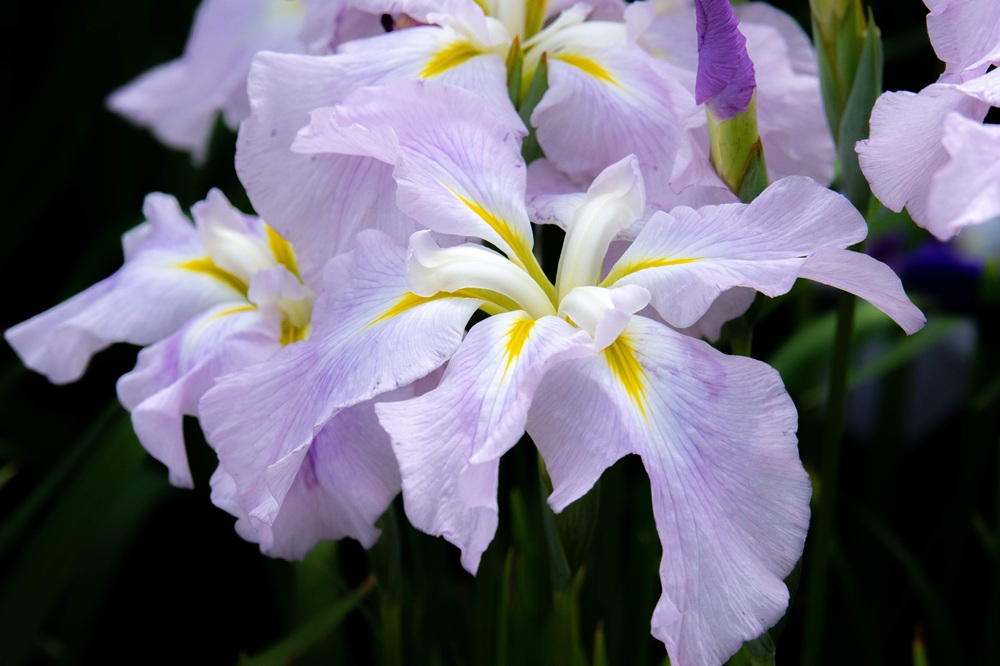
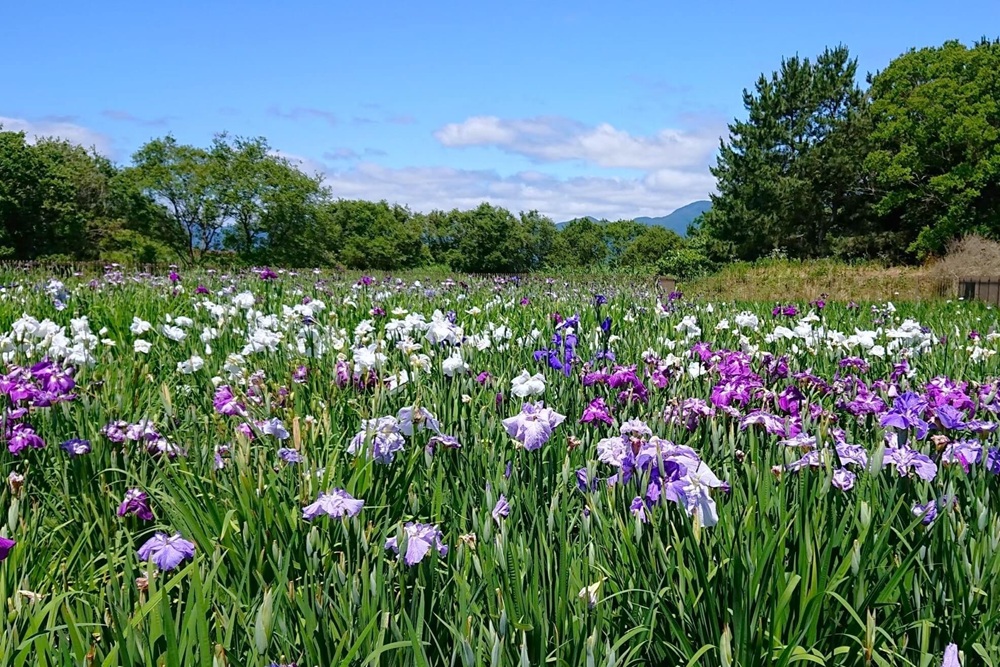
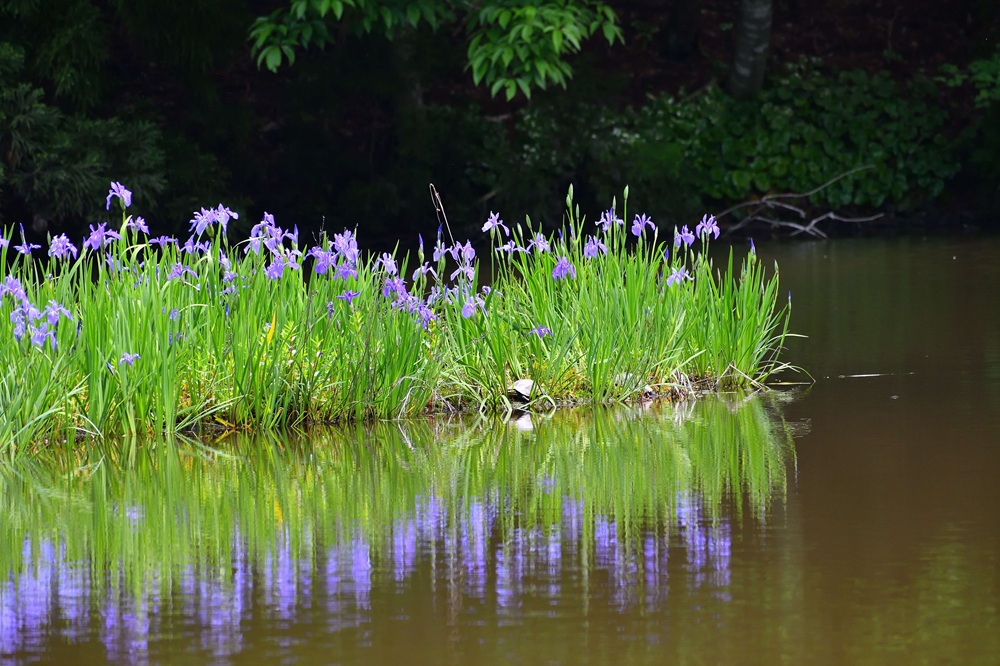
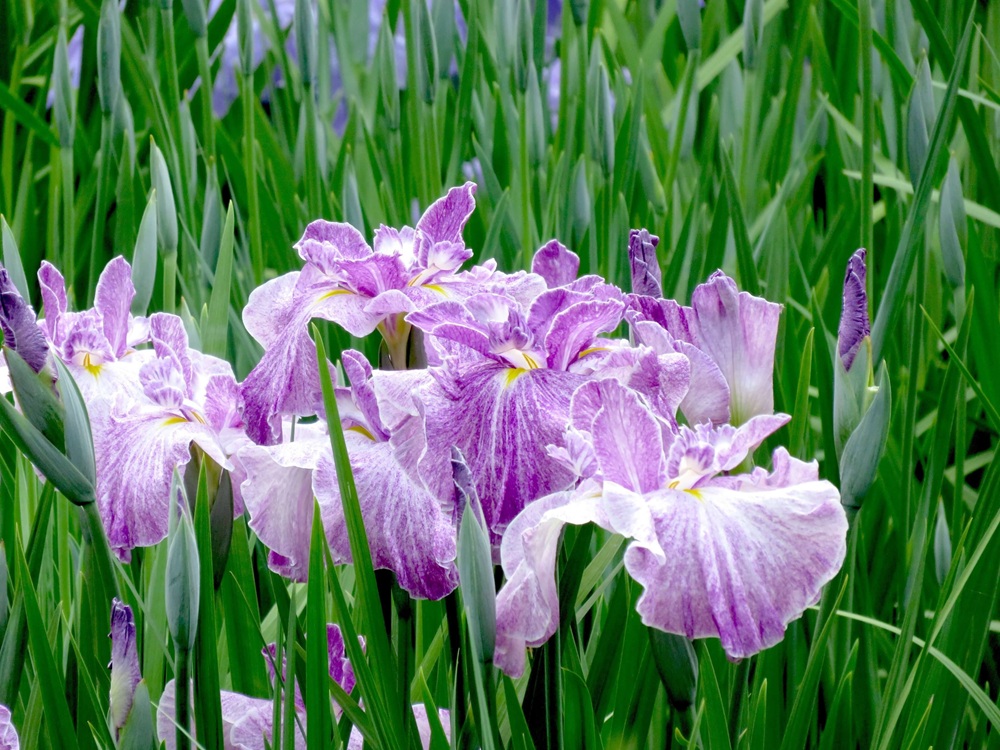
From left to right: ayame, kakitsubata, and hanashōbu.
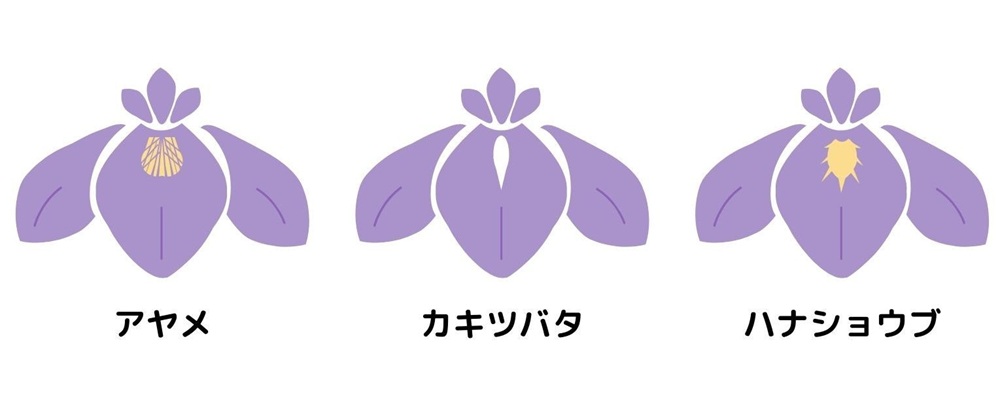
Ayame (Iris sanguinea) belongs to the iris family (Iridaceae). It is a perennial plant that grows naturally in fields and mountains. Its leaves emerge in early spring, it blooms from May to June, and the leaves wither in autumn. Ayame is characterized by tiger-like markings at the base of its petals and prefers dry, well-drained soil. It is written with the kanji 「菖蒲」, though this can be confusing, as the same characters are used for other plants.
Kakitsubata (Iris laevigata) is also a member of the iris family. It has a distinctive white marking shaped like the character “ノ” at the base of its petals. Because it thrives in wetlands and waterside environments, if you see an iris growing near water, it is very likely to be kakitsubata.
Hana-shōbu (Iris ensata) is a perennial iris that blooms around June. It features yellow markings at the base of the petals and prefers moderately moist but well-drained soil, rather than standing water.
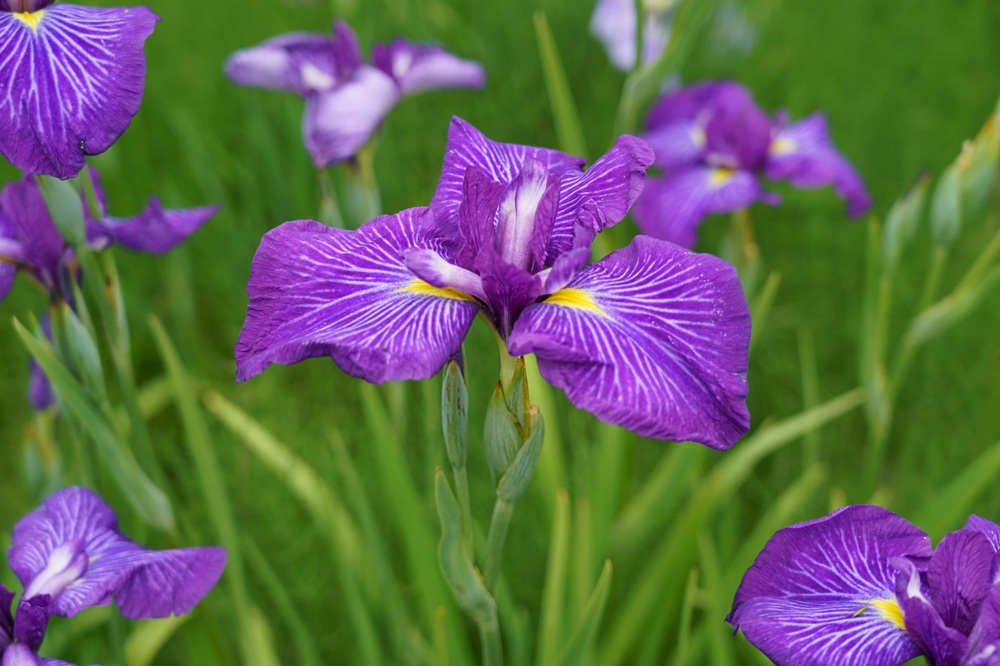
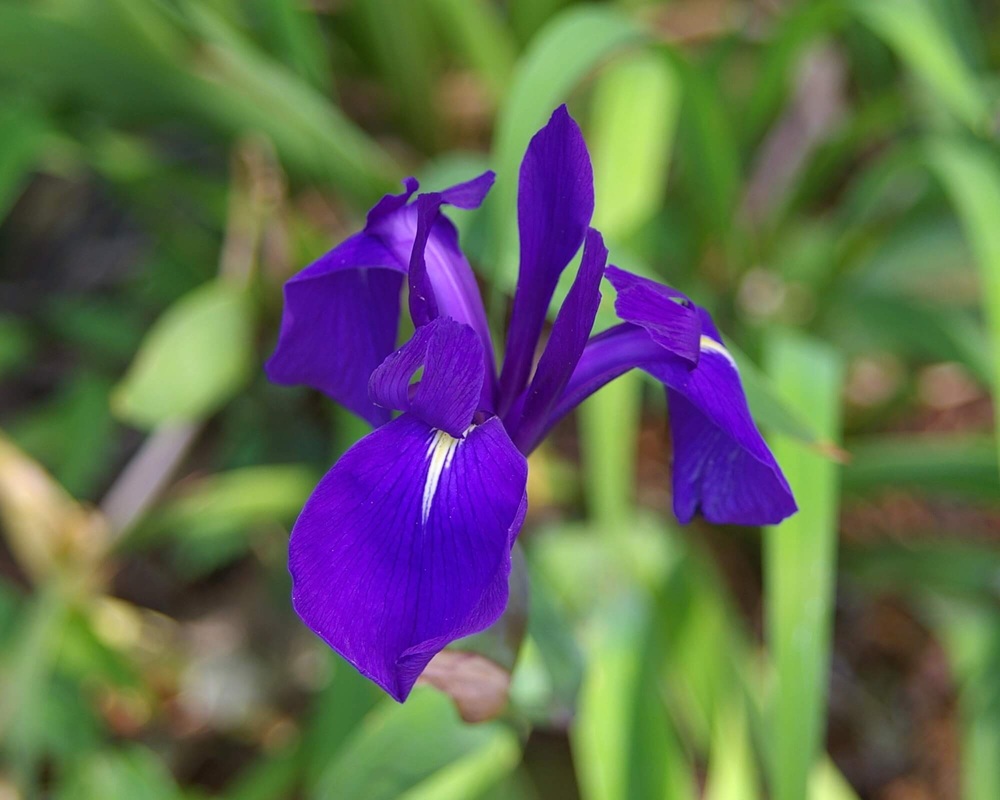
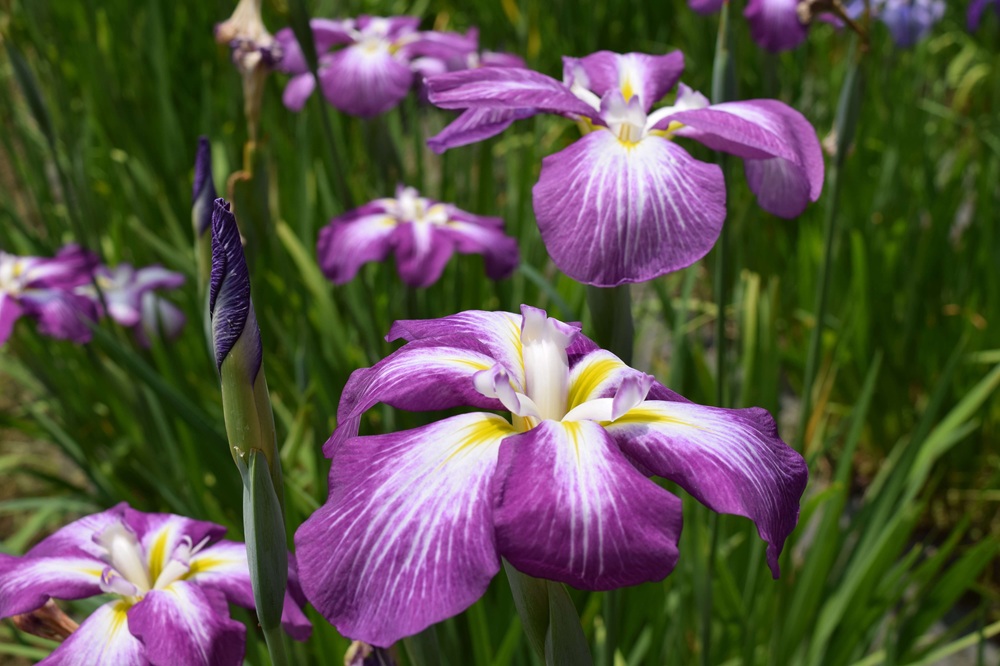
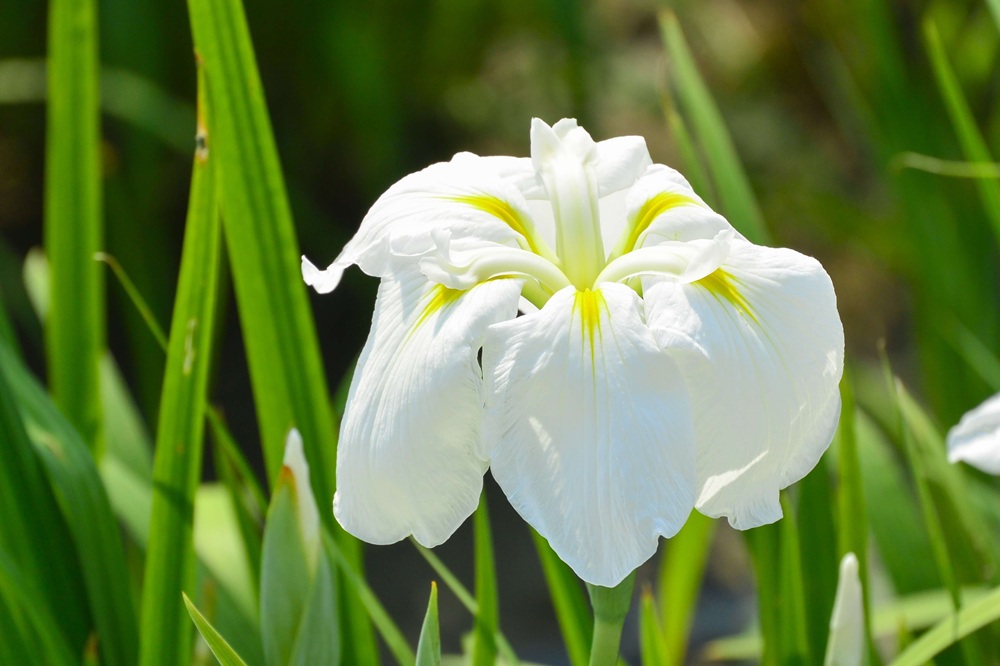
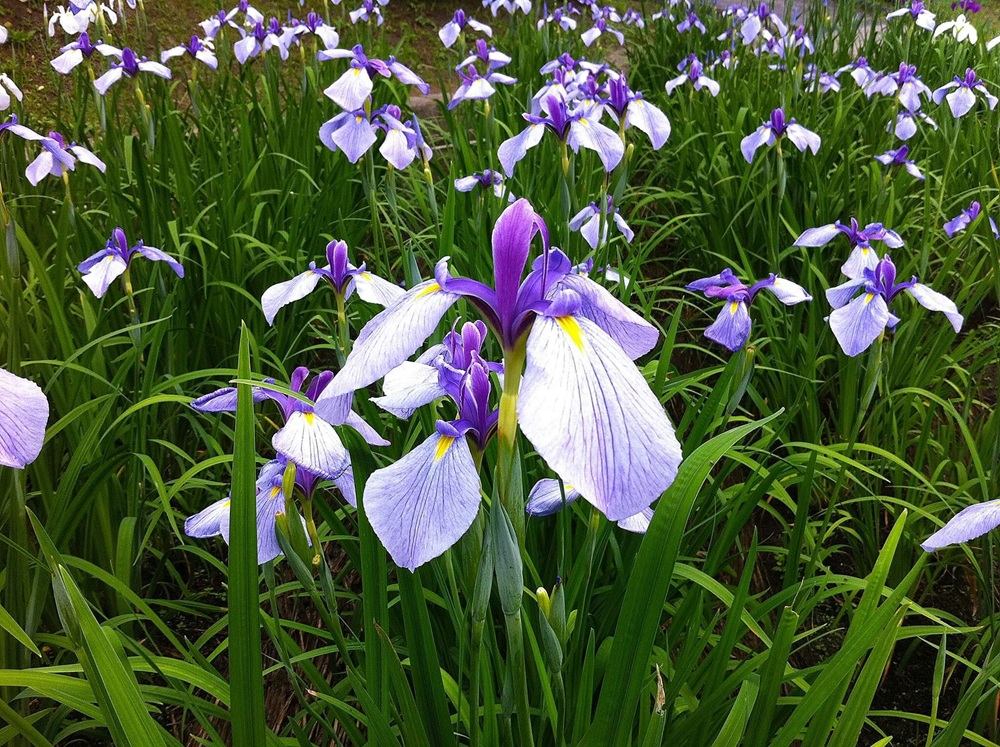
I’ve summarized the differences in a table. Once you remember the key features, it may become easier to tell them apart.
If you rely only on the color yellow, it can be hard to distinguish ayame from hana-shōbu. A helpful way to remember is:
ayame has fine yellow stripe patterns, while hana-shōbu has solid yellow markings.
If the base of the petals is white, it’s kakitsubata—that might be an easy rule of thumb to keep in mind.
| Ayame | Kakitsubata | Hana-shōbu | |
| Chinese characters | 菖蒲 | 杜若 | 花菖蒲 |
| feature | if it has a net-like pattern | if it has thin white markings | if there is yellow at the base |
| blooming period | from early to late May | from early to late May | from late May to late June |
| other | prefers dry soil | prefers wetlands | blooms in wetlands |
Let’s take a close look at the table above and compare it with the photos again.
On the other hand, shōbu belongs to the genus Acorus in the family Acoraceae (order Acorales) and is different from hana-shōbu. Its leaves are glossy and strongly fragrant, with the base of the leaves showing a pale reddish tint. Shōbu typically grows in dense clusters near ponds, marshes, and other waterside areas. Its flowers are pale yellow-green and oval-shaped.
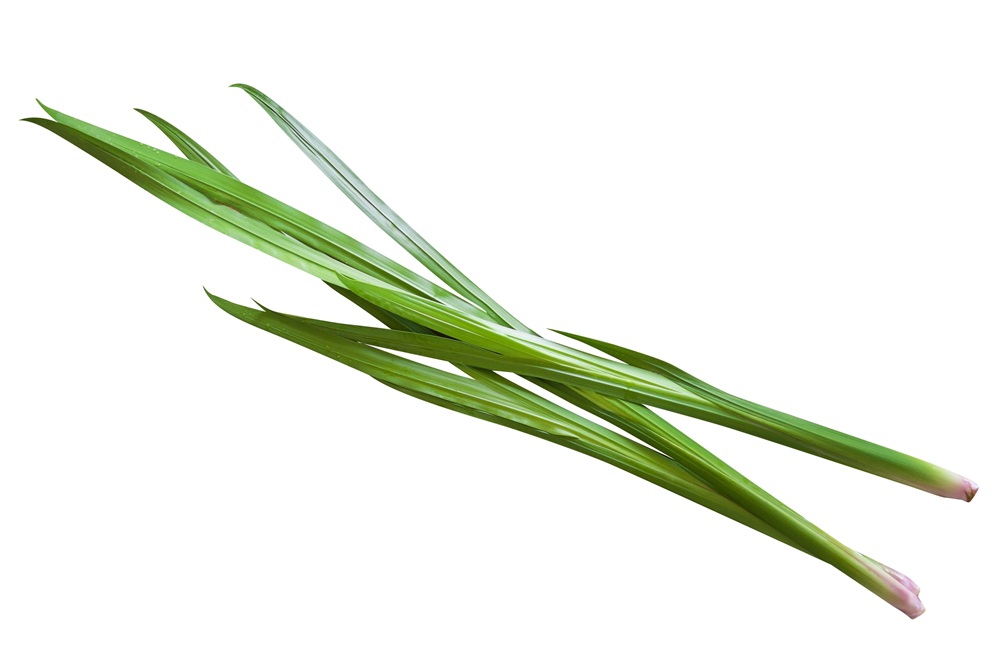
Shōbu is a plant whose leaves and stems contain aromatic compounds. When the leaves are broken or crushed, they release a fresh and powerful fragrance.
This scent has long been believed to ward off misfortune, and since ancient times, on May 5th—Tango no Sekku—shōbu was displayed with mugwort at the entrances or eaves of houses as a prayer for health and safety.
In some regions, there was even a custom of placing it on rooftops.
From the Kamakura period onward, during the era of the samurai, Tango no Sekku took on a special significance for warrior families.
The word shōbu sounded like “shōbu” (尚武), meaning “to honor martial valor,” and the plant’s long, narrow leaves resembled swords.
For these reasons, the festival came to be especially meaningful in samurai households.
参考
👉 丸茂慎一『鎌倉 花の歳時記』山と渓谷社 1991
👉 婦人画報「初夏の花「しょうぶ(菖蒲)」と「あやめ(菖蒲、文目、綾目)」の見分け方」
👉 潮来市「花の見分け方」
Why is shōbu (iris) associated with Children’s Day on May 5th?
Children’s Day on May 5th comes from Tango no Sekku, a festival introduced from China during the Nara period. In China, May was seen as a time when illness and misfortune were likely, so fragrant shōbu (iris) was used to ward off evil—hung at doorways or added to baths.
In Japan, the Heian court held Tango no Sekkai, using shōbu to purify the body and avoid misfortune.
Later, during the samurai era, the festival became associated with boys’ growth and strength, because shōbu leaves resemble swords and the word shōbu sounds like “honor martial valor” (尚武) or “contest/victory” (勝負).
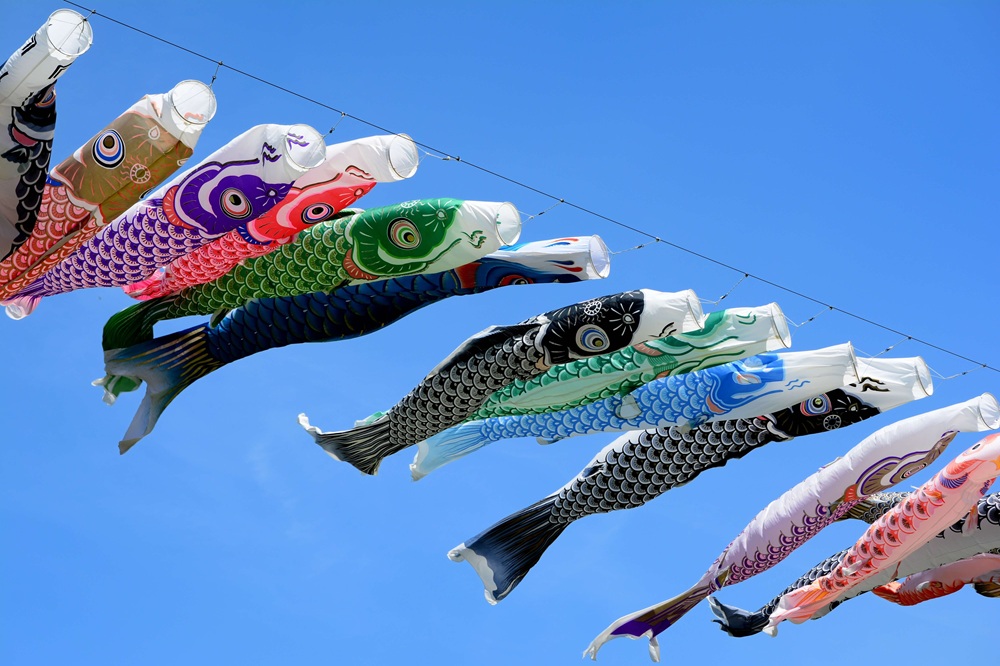
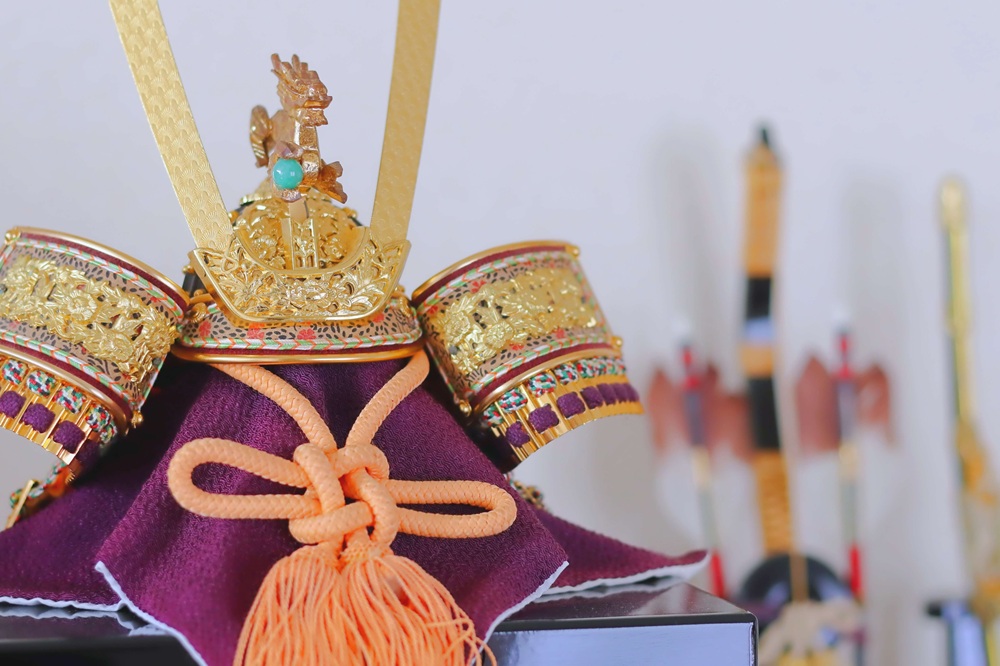
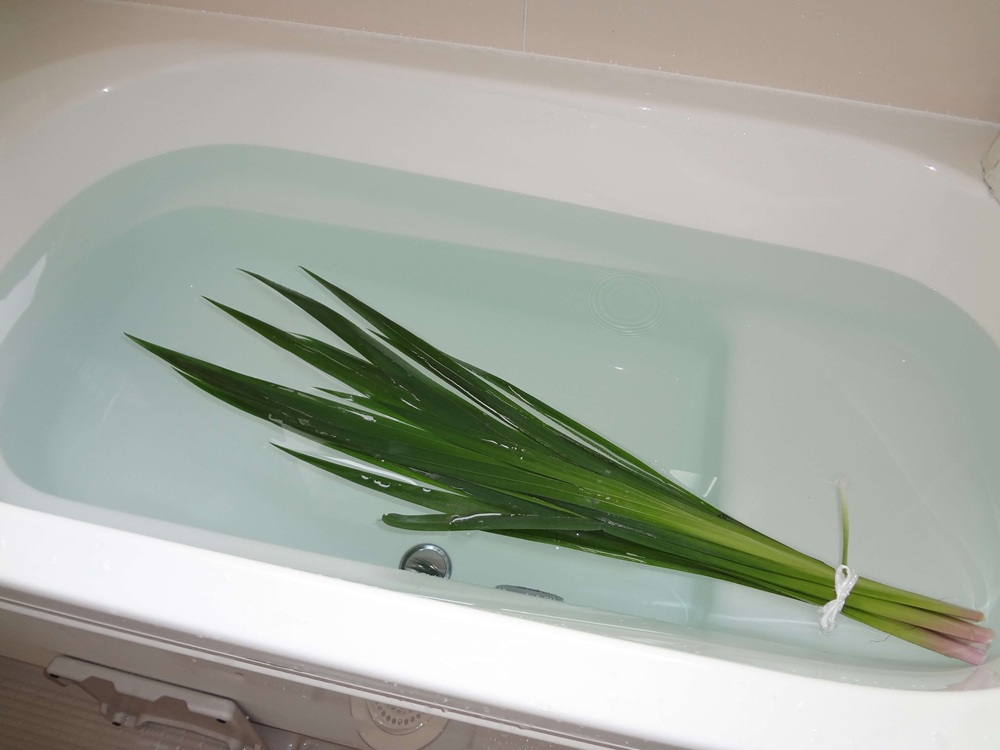
By the Edo period, these traditions had spread among the general public.
Families began displaying koinobori (carp streamers) and warrior dolls, and taking shōbu-yu (iris baths) to pray for good health and safety.
Today, the custom of bathing in shōbu on Children’s Day continues as one of Japan’s cherished long-standing traditions.
アクセス
Tsurugaoka Hachiman-gu
From the East Exit of Kamakura Station, we recommend either walking through Komachi Street or going straight ahead along Wakamiya Ōji and passing through Dankazura.
It’s about a 10-minute walk.
Opening / Closing Hours:
Open year-round: 6:00 a.m. – 8:00 p.m.
(Worship inside the main shrine is available from 8:00 a.m.)
Address:
2-1-31 Yukinoshita, Kamakura City, Kanagawa Prefecture
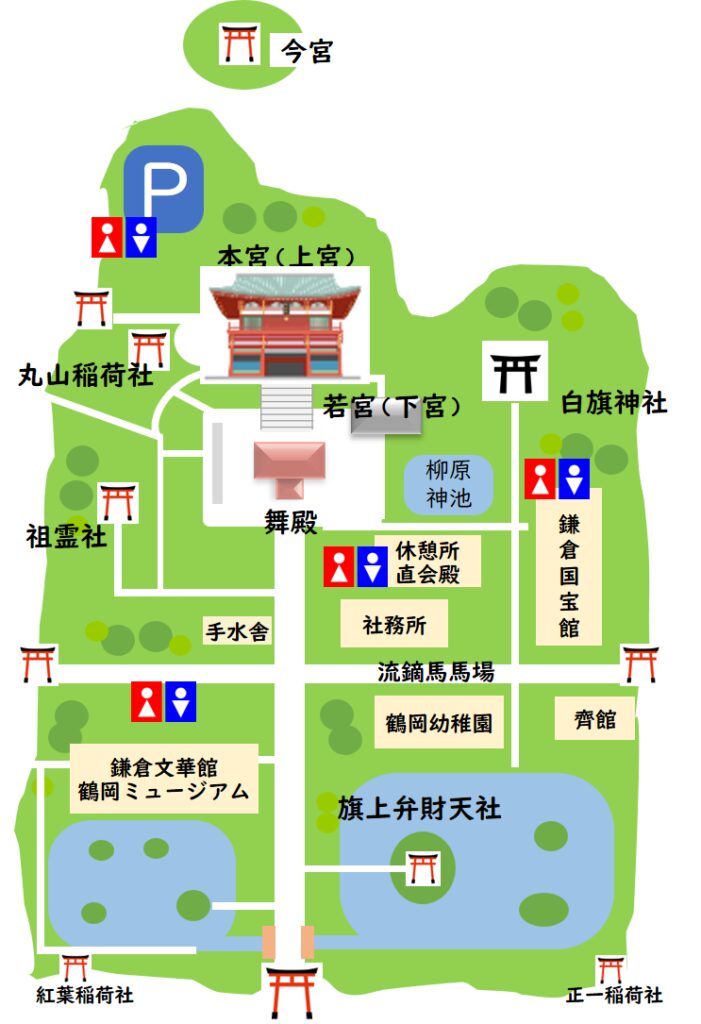
These are the locations of restrooms within the grounds of Tsurugaoka Hachimangu Shrine.
The restrooms at the rest area next to the Maidono (Dance Pavilion) tend to be quite crowded.
Personally, a hidden gem is the restroom at the Treasure House (National Treasures Museum). Since it’s not widely known, it usually feels less crowded; however, it is only available to visitors who use the museum.
コメント