Will it be held this year? To see a great, time-honored Shinto ritual
春
2026.02.20
When I asked at the Tsurugaoka Hachimangu Shrine office on February 1, I was told that it is not included in this year’s schedule, so it appears that it will not be held. Please contact them directly for further details. 👉 Tsurugaoka Hachimangu Shrine「お問い合わせ」
【PR】This folding fan features prints of “The Great Wave off Kanagawa” and “Red Fuji” from Thirty-Six Views of Mount Fuji, created by Katsushika Hokusai, one of Japan’s most internationally famous artists. It makes a perfect souvenir!
The item was purchased through your Amazon website.
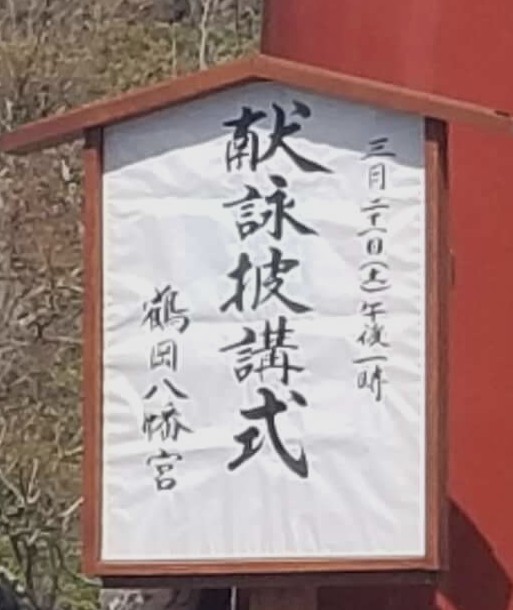
献詠披講式とは
献詠(けんえい) ken’ei: the dedication of waka poetry to the deities / a poetic offering
Hikō is a traditional style of chanting poetry with a melodic rhythm, passed down since the Heian period. Historical records show that it was performed at court banquets during the Kamakura period, including cherry blossom gatherings hosted by Minamoto no Yoritomo. His son, Minamoto no Sanetomo, was a noted waka poet, often called a “poet shogun.”
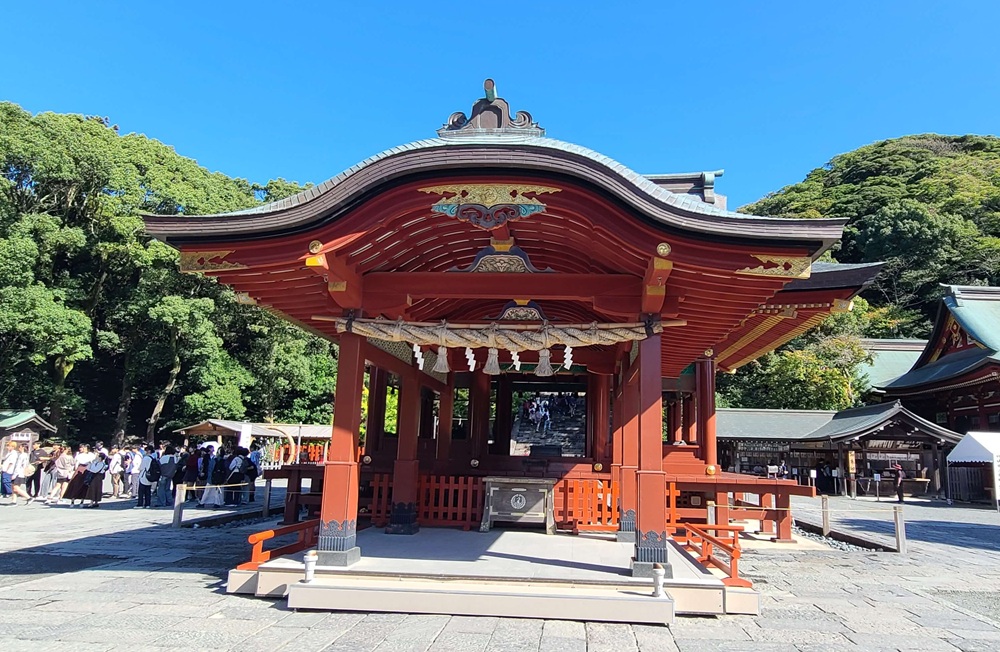
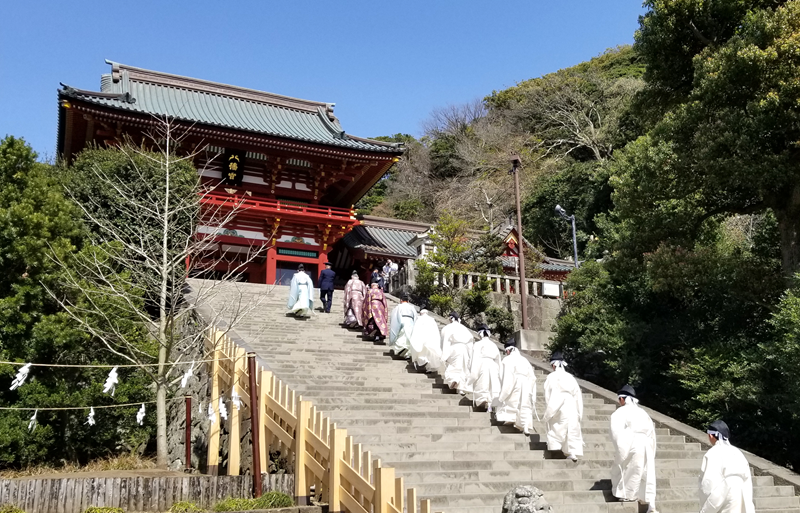
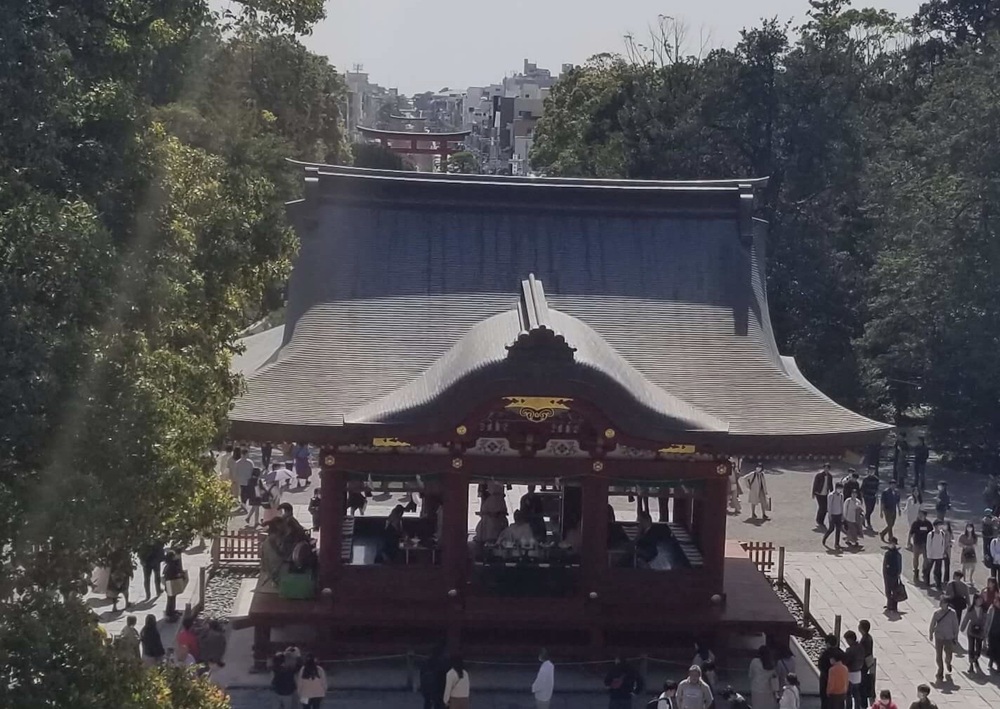
Based on these traditions, our shrine holds the Ken’ei Hikō Ceremony each spring in late March at the Maidono stage. During this ritual, waka poems are offered to the deities and chanted in a classical style. The ceremony is performed by shrine priests in traditional Kamakura-style attire. Each year, one poem by Minamoto no Sanetomo is recited, along with selected poems submitted by the public. 👉 Tsurugaoka Hachimangu Shrine
Event Schedule
It is usually held in late March starting at 1:00 p.m., but it is not scheduled for 2026.
Based on past information: The ceremony begins at 1:00 p.m., with shrine priests first proceeding to the main sanctuary. The offering and chanting of waka poems then take place at the Maidono stage.
13時04分
13時17分
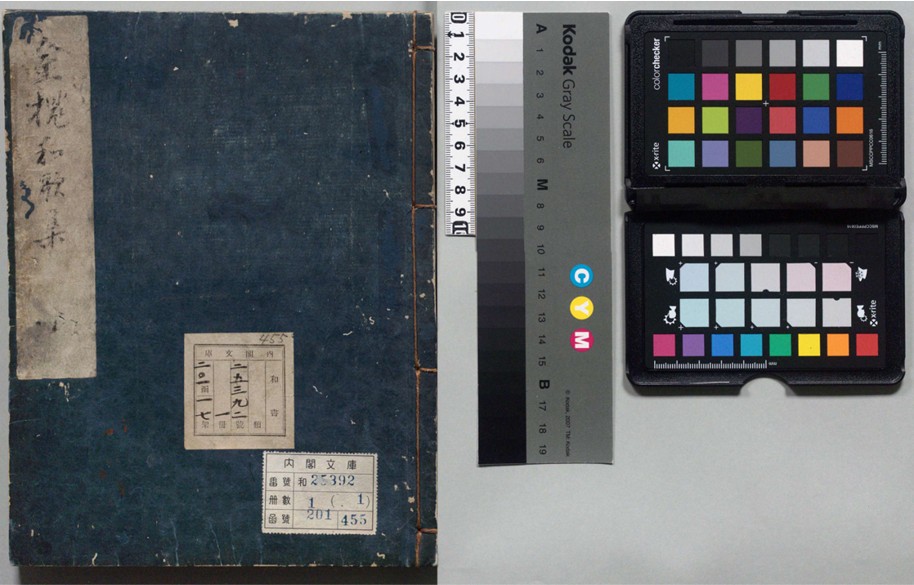
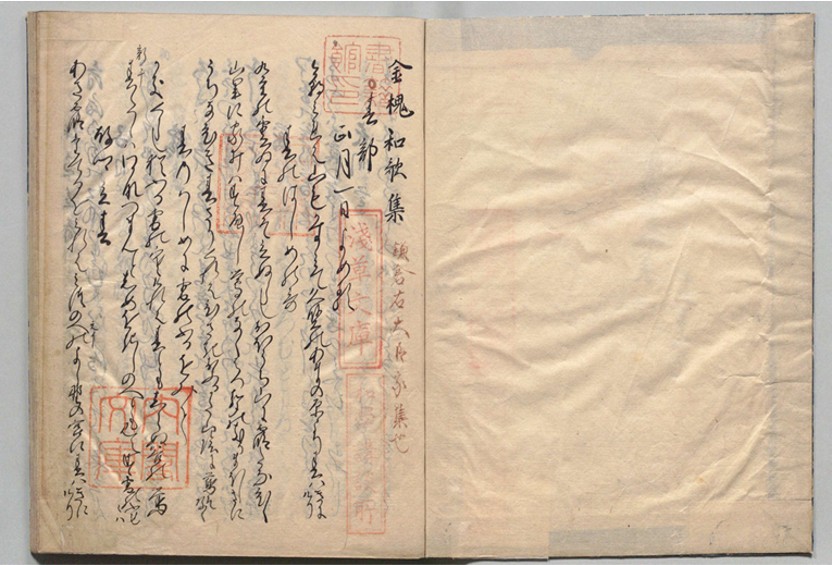
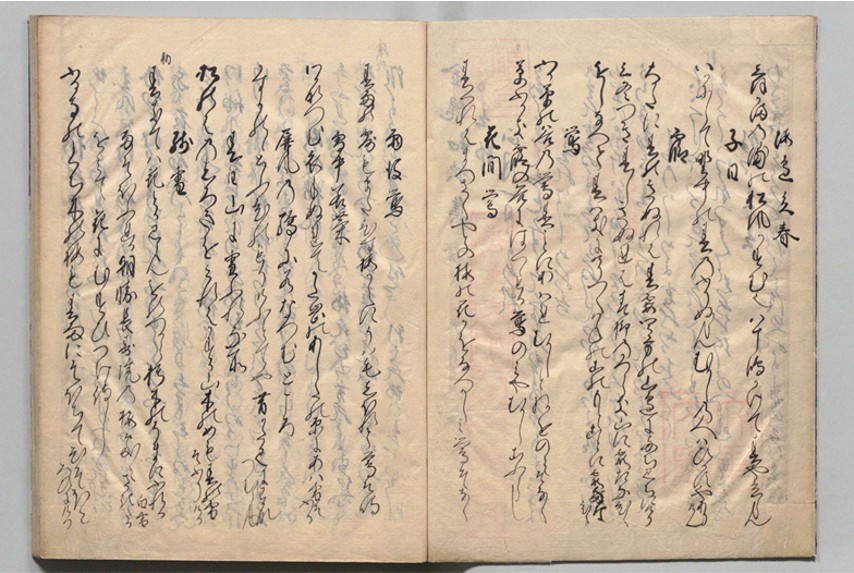
Kinkai Wakashū
Kinkai Wakashū is a personal collection of waka poems by Minamoto no Sanetomo, the third Kamakura shogun.
The title Kinkai Wakashū is said to have a special meaning: the character “Kin” (金) comes from the kanji for “kama” (sickle), symbolizing Kamakura, while “Kai” (槐) refers to the “Kaimon” gate, representing the rank of a minister.
In 1213 (Kenryaku 3), Fujiwara no Teika presented Sanetomo with the Manyoshu, and it is believed that the Kinkai Wakashū was compiled around this time.
The Kinkai Wakashū consists of a single volume and contains 663 waka poems, though some manuscripts, such as the Jōkyō edition, include 719 poems.
The collection is organized by themes: spring, summer, autumn, winter, celebratory poems, love, travel, and miscellaneous.
Even if I leave and the house stands without its master, O plum blossoms under the eaves, do not forget to bloom in spring.
One of Sanetomo’s most famous poems seems almost prophetic: written shortly before his assassination, it asks the plum blossoms under the eaves to keep blooming in spring, even if the house stands without its master.
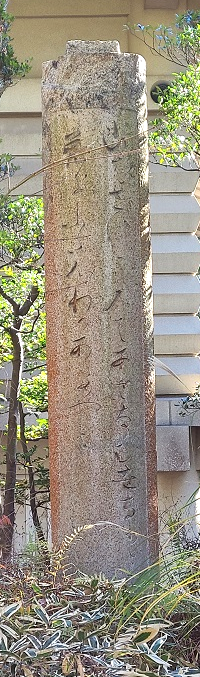
Even if mountains split or the seas dry up, I will not waver in my loyalty to you.
One of Sanetomo’s poems is engraved on a stone in the Tsurugaoka Hachimangu grounds, right in front of the National Treasure Hall. The poem expresses his deep respect and loyalty to Emperor Go-Toba, saying that even if mountains fall or the seas dry up, he will remain devoted and wait for the emperor’s grace. You can really feel how much he cared about Kyoto and the emperor—probably a bit “over the top” from the point of view of the Kamakura samurai!
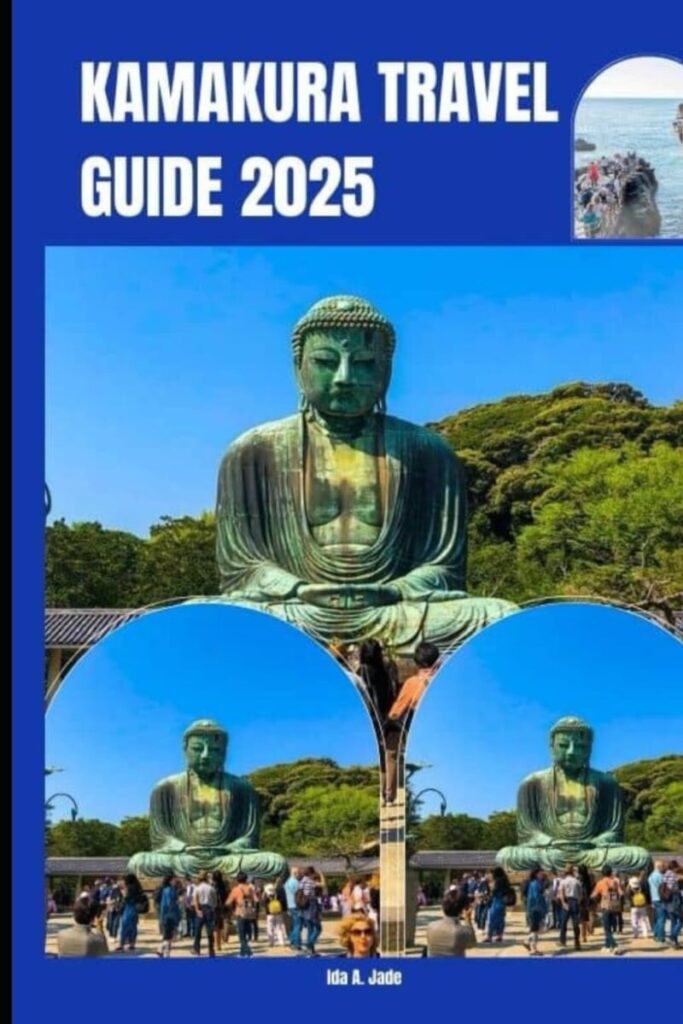
【PR】Kamakura Travel Guide 2025: Discover Japan’s Ancient Samurai City by the Sea! Step into the past and explore Kamakura, Japan’s historic samurai capital and coastal retreat! Just a short trip from Tokyo, Kamakura offers a stunning mix of ancient temples, breathtaking coastal scenery, and vibrant local culture. Whether you’re drawn by the iconic Great Buddha, the tranquil bamboo forests, or the picturesque beaches, this ultimate 2025 travel guide ensures you experience the very best of Kamakura!
The item was purchased through your Amazon website.

コメント