
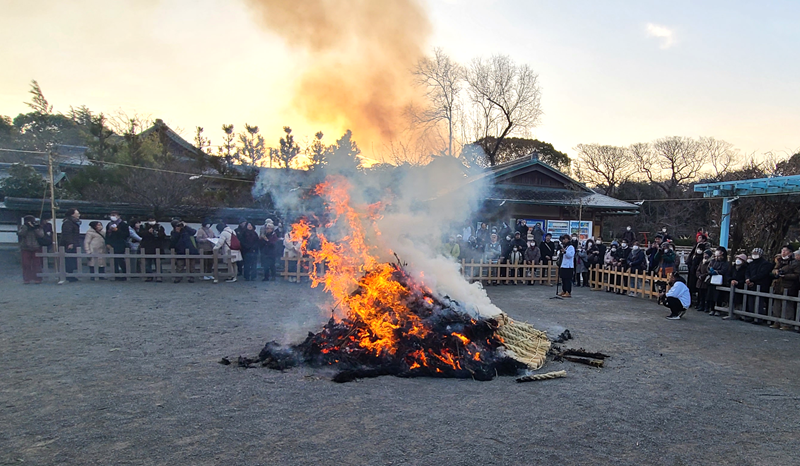
Event Schedule
★Around 6:30, everything was ready.
★At 6:40, the cover was removed.
★At 6:59, after a prayer by the shrine priests, the fire was lit.
★After 7:30, the structure gradually started to collapse.
★It probably took around 40 to 50 minutes, I’d say.
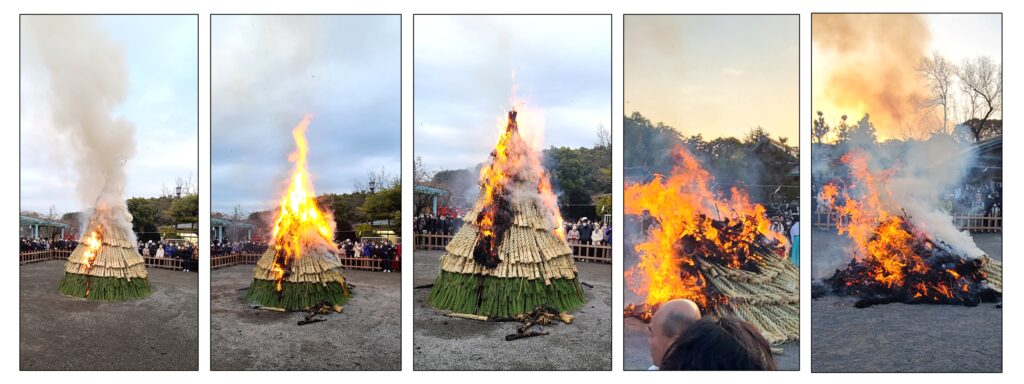
Around 6:30, everything was ready. At 6:40, the cover was removed. After a prayer by the Shinto priest at 6:59, the lighting ceremony began.
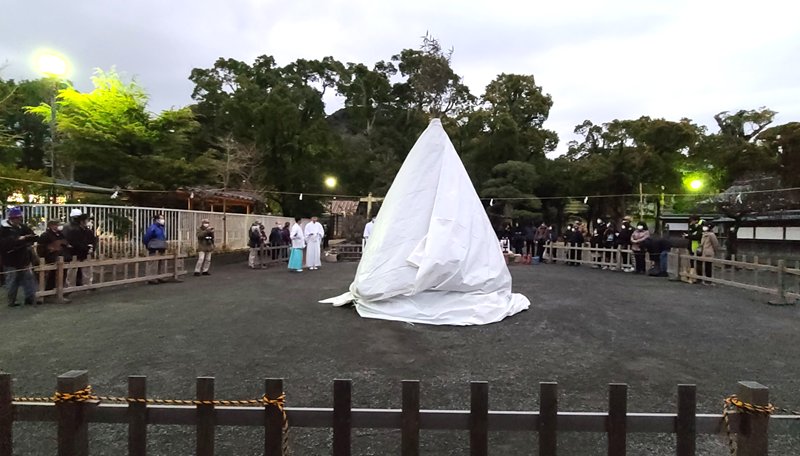
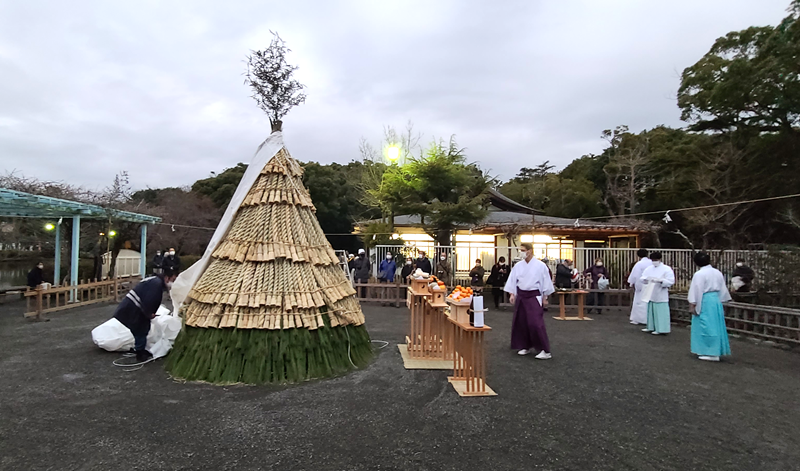
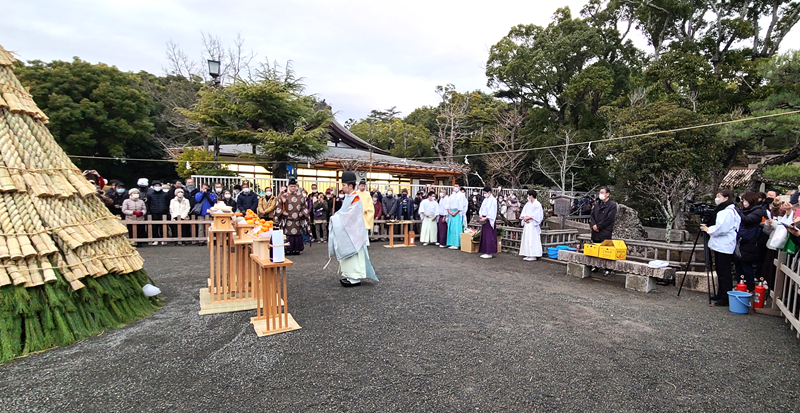
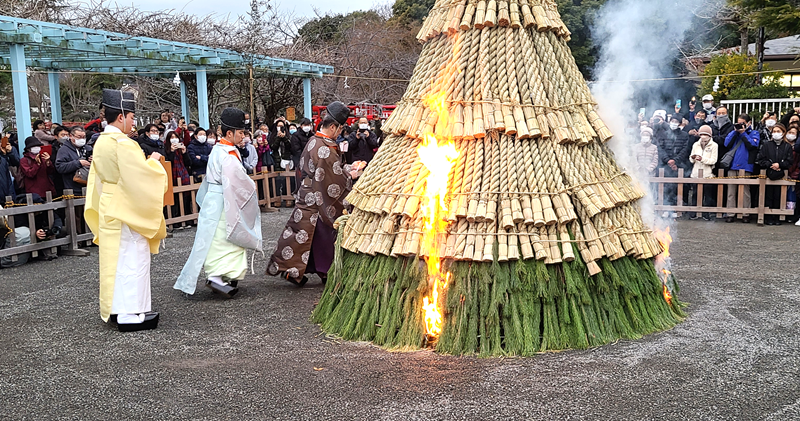
After 7:30, it gradually started to lose shape. It will finish in about 40 to 50 minutes.
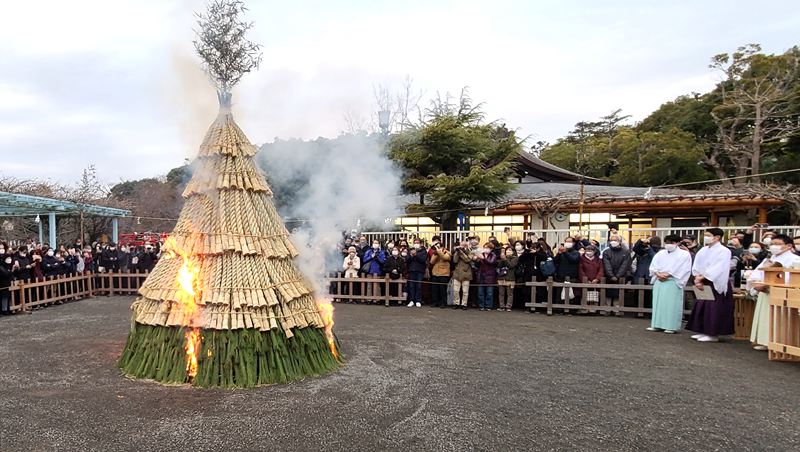
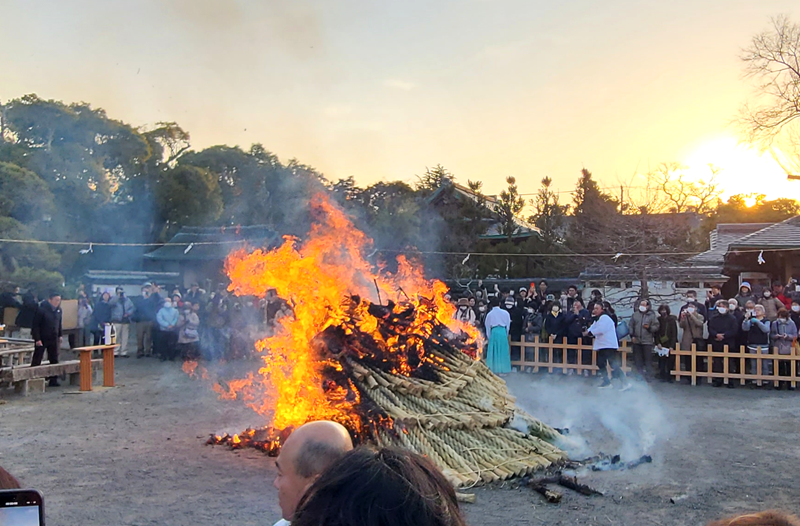
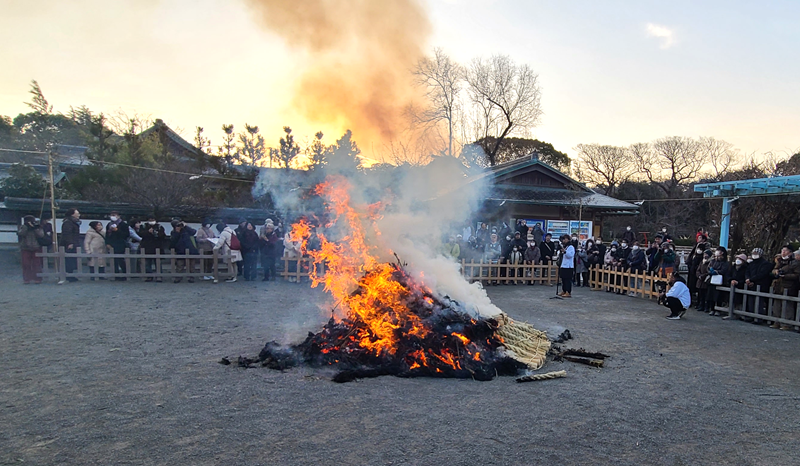
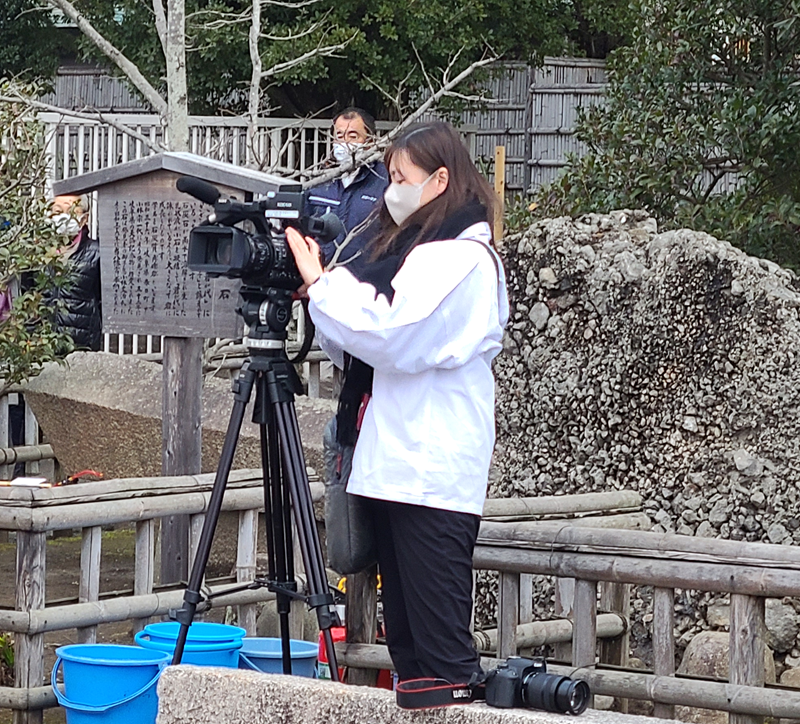
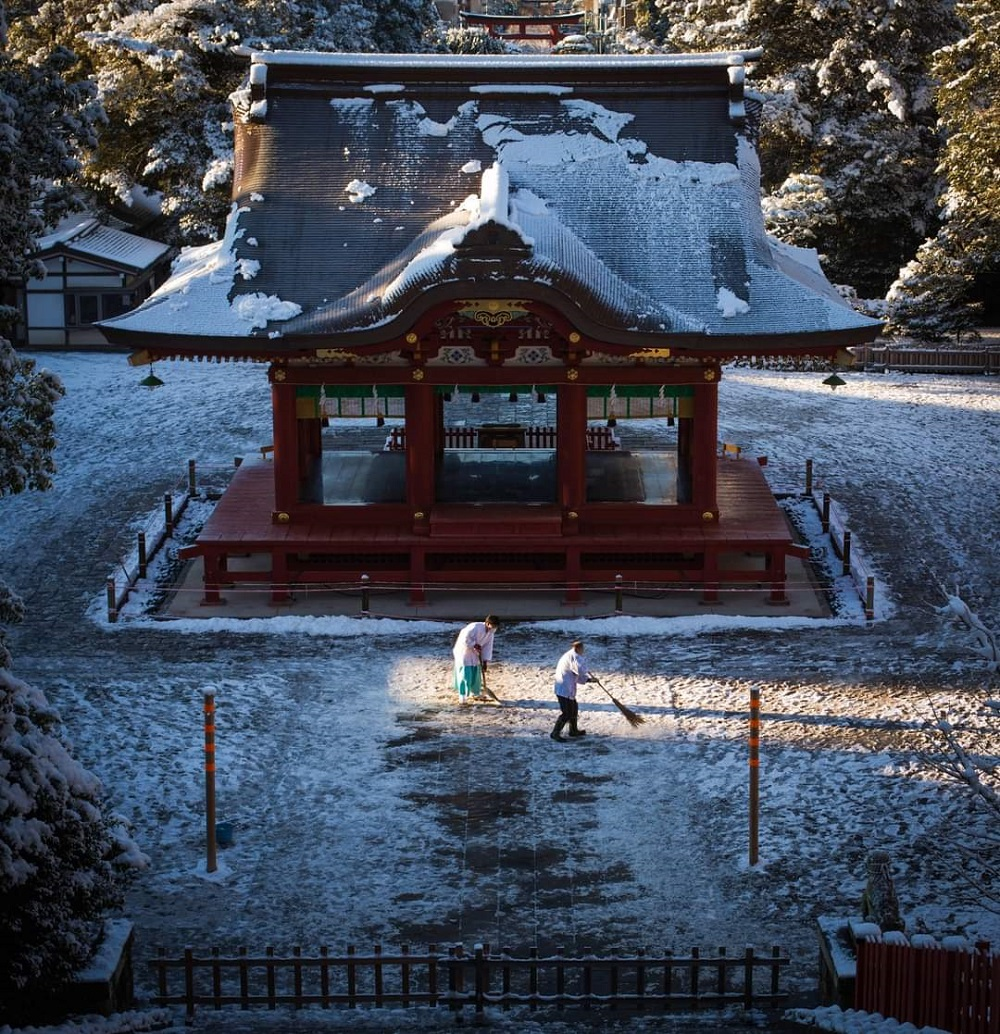
During the burning ceremony, Shinto priests from Tsurugaoka Hachimangu start handing out mandarins. Although it’s still cold on January 15, the warmth from the fire feels nice. The people managing the fire have a tough job, and the fire truck was on standby.
In 2025, since it was a weekday, there were elementary school kids who went to school after participating in the Sagi-cho Ceremony.
Be sure to bring your New Year decorations like kadomatsu, shōkadari, shimenawa, and kumade to have them burned.
In some regions, people roast mochi or even marshmallows, but that doesn’t seem to be the case at Tsurugaoka Hachimangu. Even after the Sagi-cho Ceremony ends, it’s only about 8:00 PM, so why not take a peaceful stroll around the quiet Tsurugaoka Hachimangu?
Finally, please enjoy the video. You’ll also hear the crackling sound of the fire.
Things to Keep in Mind for the Don-dōyaki (New Year’s Bonfire Ceremony)
At many locations, plastics (including plastic bags) and metals (even small items like wires) are often prohibited. This is to prevent environmental issues like dioxin emissions. These materials are banned at most places, so be sure to check your New Year decorations to make sure they don’t contain any small plastic or metal parts.
Sagichō Ritual: A Traditional Japanese Ceremony
It is a traditional Japanese event that has been held since ancient times.
It is a fire festival held at the beginning of the year to purify and cleanse away impurities, while praying for the arrival of a warm spring and a bountiful harvest in the year ahead.
This ritual involves setting New Year’s decorations of ablaze.These declarations are placed at the entrance of homes in order to welcome the New Year’s Kami.
With the completion of the New Year’s celebrations, the decorations are given to the shrine, placed on a pile and burned in a bonfire as a thanks and farewell to Kami. 「Tsurugaoka Hachimangu official Visitors Guidebook」
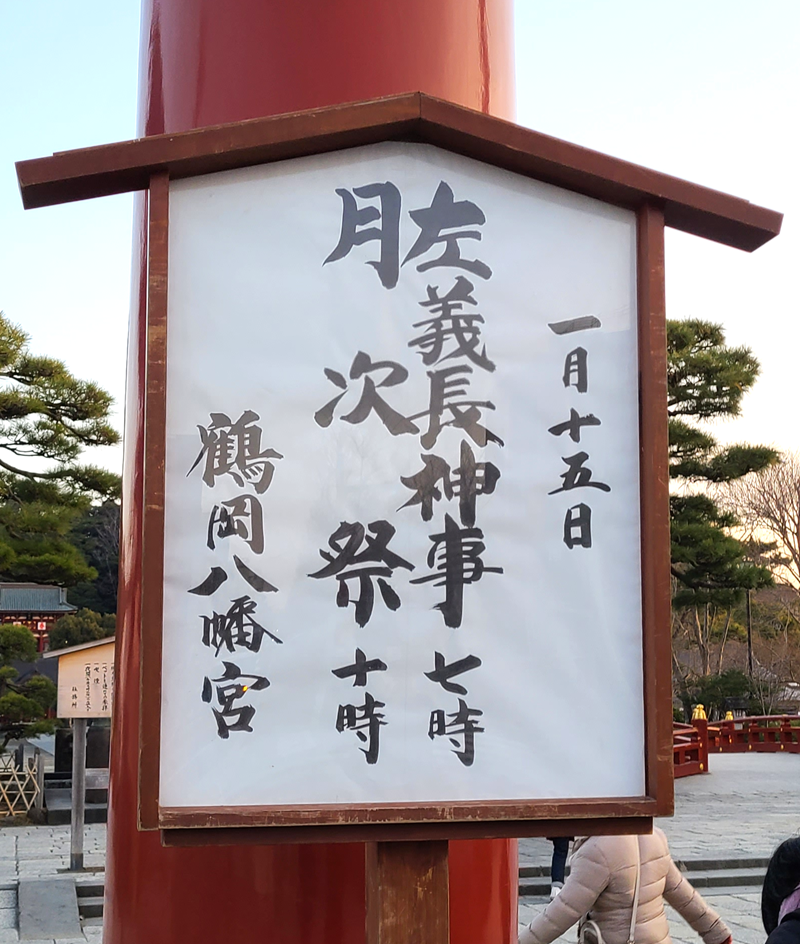
Under the guidance of Onmyoji (masters of Japanese esoteric cosmology), the Sagi-cho Ceremony became an important fire ritual and became widely practiced after the Middle Ages, spreading among both the samurai and common people. Today, it is still celebrated in various regions as “Tondo”, “Sankuro-yaki”, “Saitou-yaki”, and “Onbe-yaki”, as a fire festival around Little New Year (Koshogatsu), especially involving children.
As for the name “Don-dōyaki”, it is said to have originated from the chant “Tō-to, Tō-to” (meaning “respected” or “honorable”), which was used when starting the fire, eventually evolving into “Don-dōyaki”. Another explanation is that it comes from the sight of the fire burning fiercely and continuously.
While the name Don-dōyaki is widely used throughout Japan, in the Tohoku region, it’s called “Donto,” and in the Kansai region, it’s referred to as “Tondo.”
👉 Please chek the Tsurugaoka Hachimangu Official 「Serving the Kami Wholeheartedly」
Access
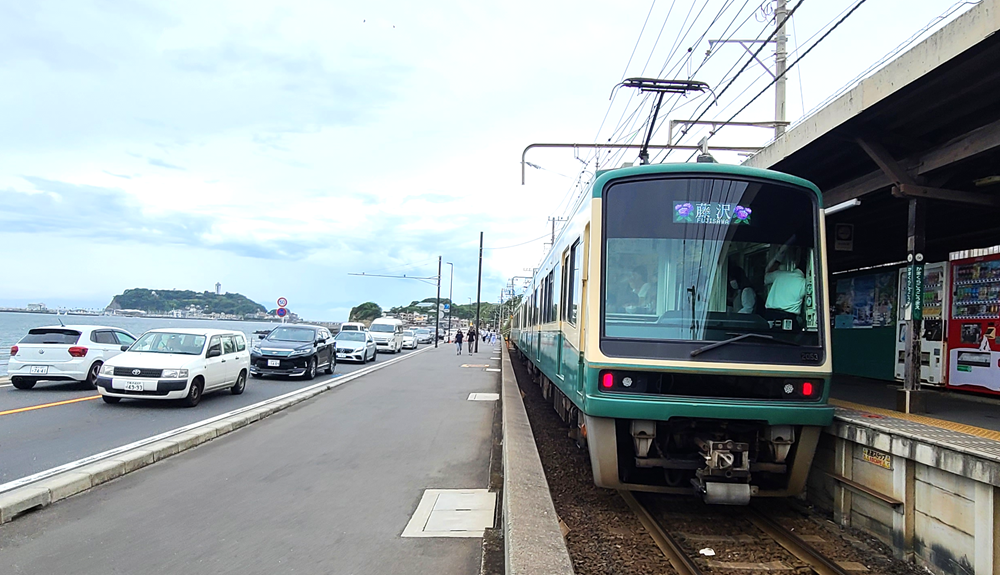
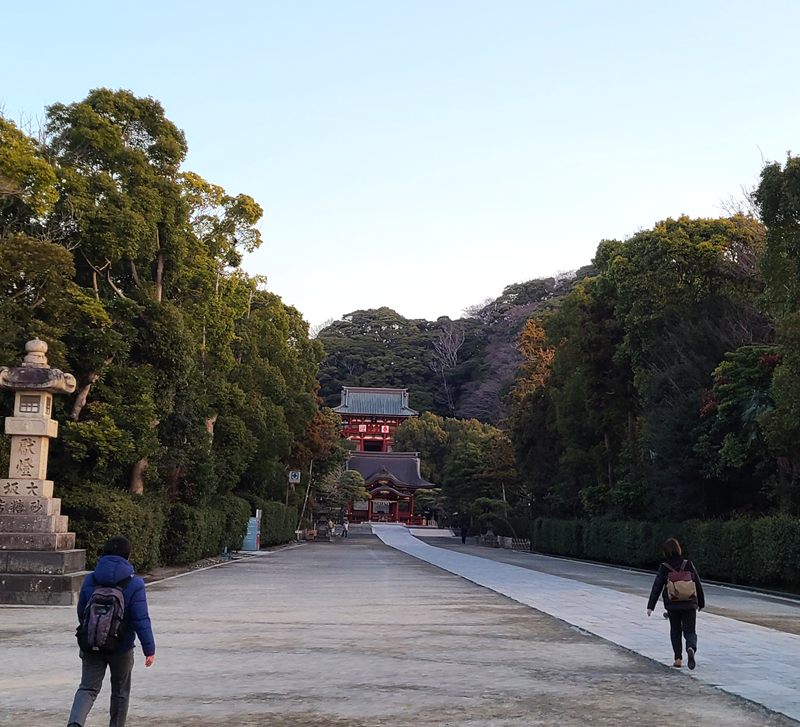
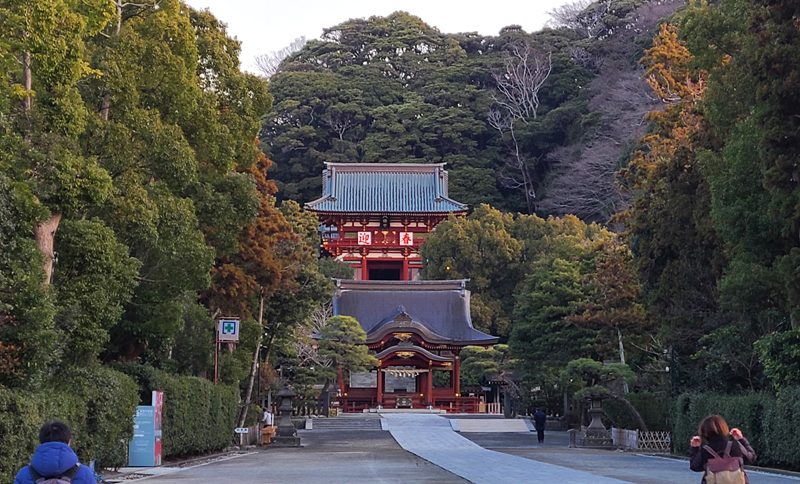
From Kamakura Station West Exit, we recommend either walking through Komachi Street or going straight to Wakamiya Ōji and passing through Dankazura.
It takes about 10 minutes on foot.
Opening Hours: Year-round, 6:00 a.m. – 8:00 p.m.
Address: 2-1-31 Yukinoshita, Kamakura, Kanagawa Prefecture, Japan
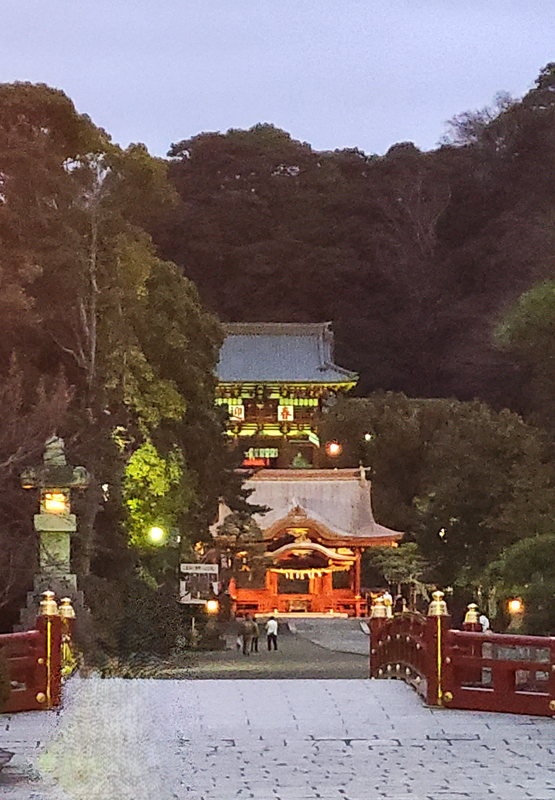
Other Places in Kamakura City Where You Can See the Sagicho Ceremony
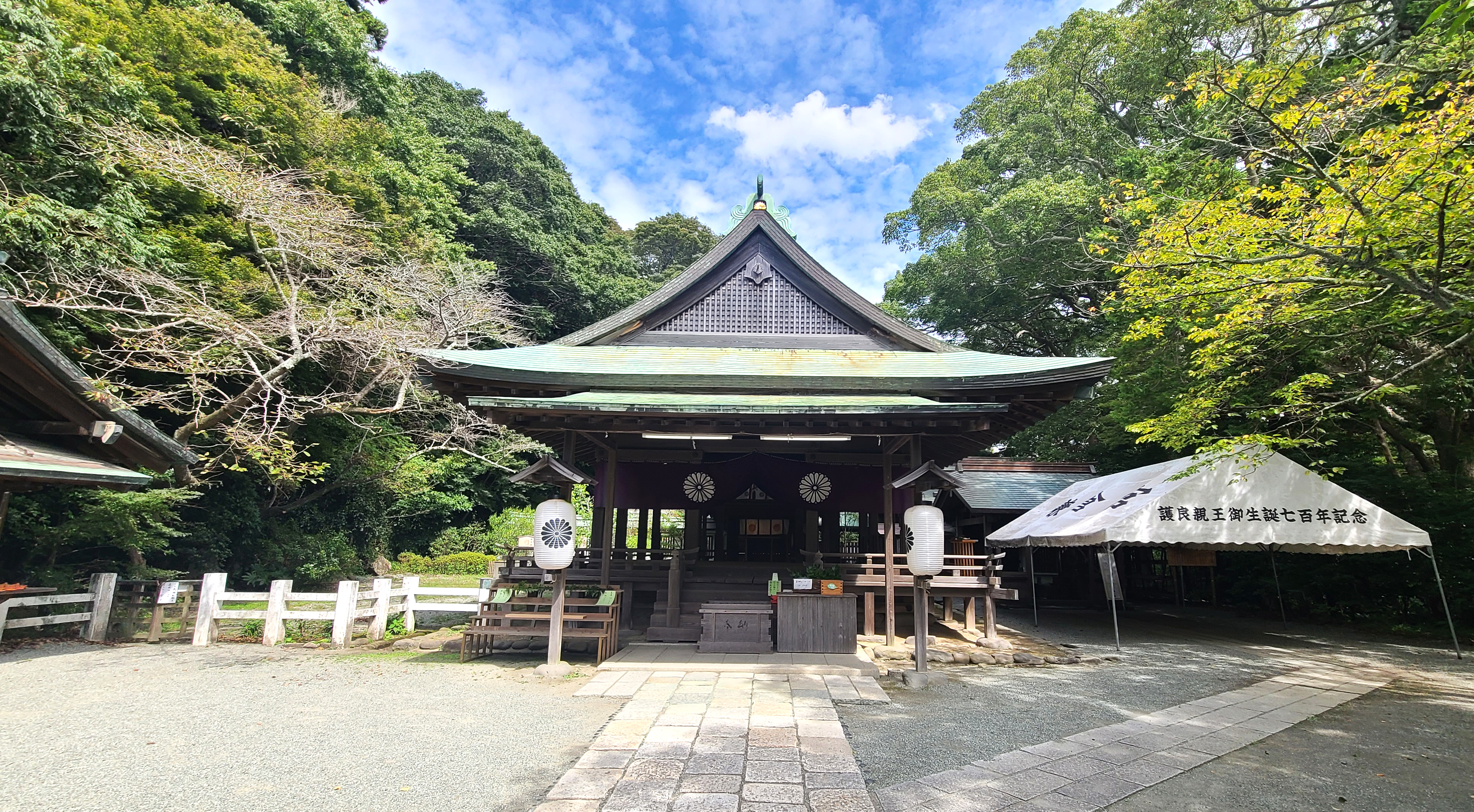
★The “Sagichou Ceremony (Old Amulet Burning Festival)” will also be held at Kamakura-gu on January 15th at 6:30 AM.
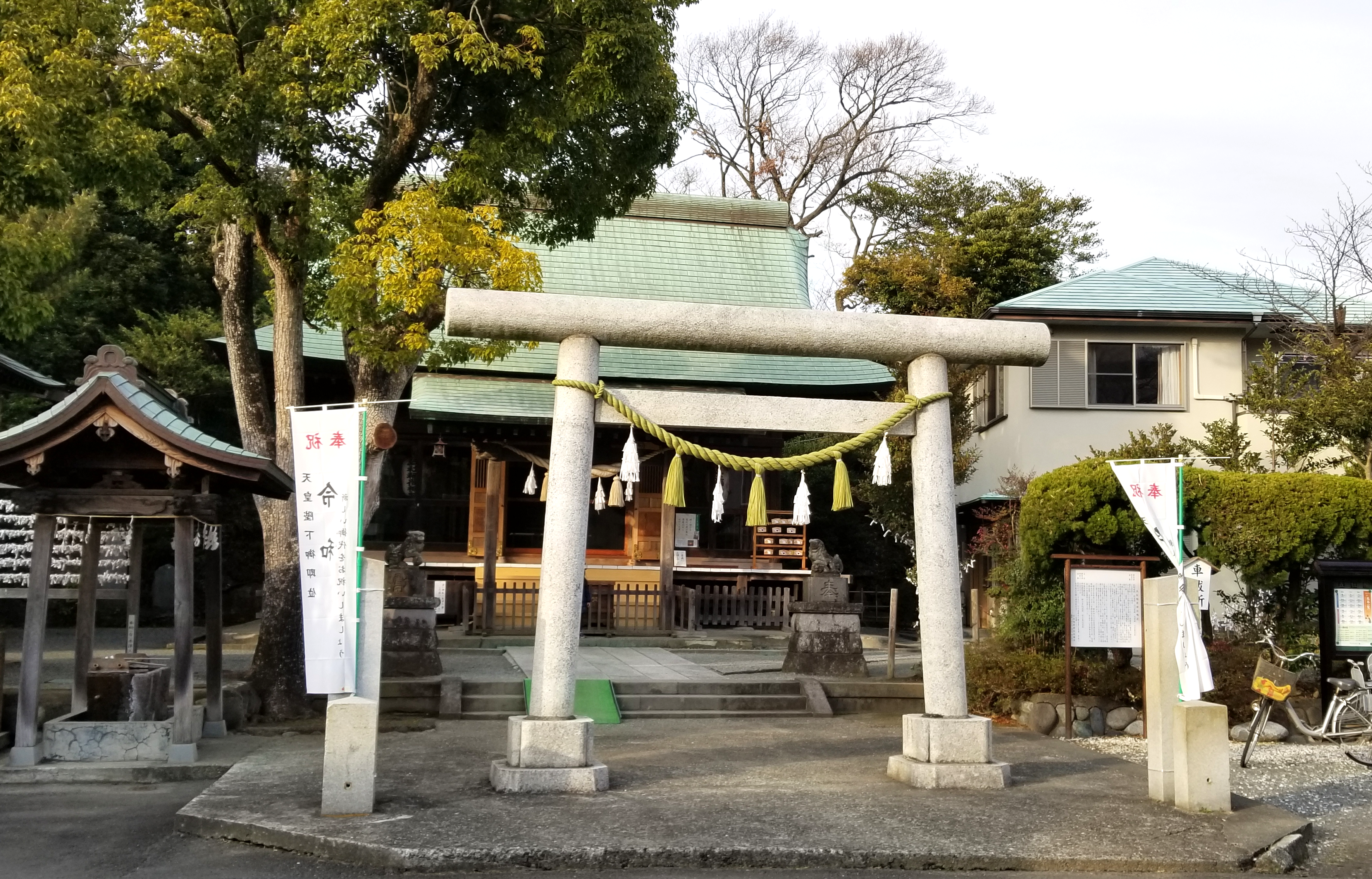
★It seems that the “Sagichou Ceremony” will also take place at Iwase’s Gosho Shrine.
★At Iwase’s Hakusan Shrine, during the “Shimenawa Festival” on January 8th, old amulets and other items are burned. You can also have pine decorations and other New Year’s items offered to the fire during this time.
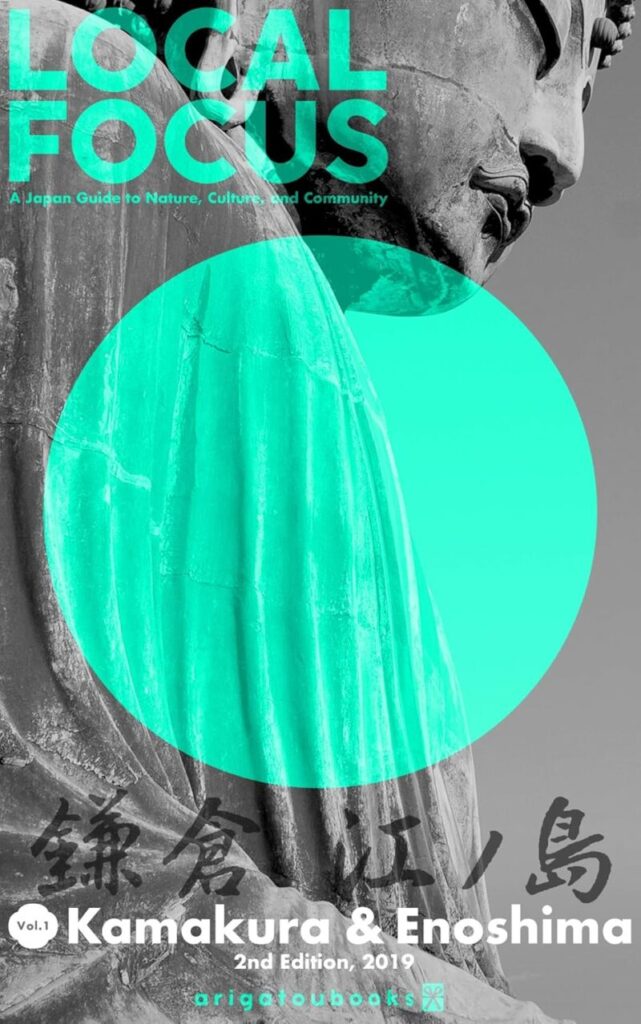
Information Kamakura & Enoshima Guide Book
This English guidebook covers Kamakura and Enoshima.There aren’t many English guidebooks that focus on this area.It introduces various spots, such as shrines, temples, and restaurants, by area.
We hope you enjoy discovering the beauty and history of Kamakura!
Kamakura & Enoshima: A Japan Guide to Nature, Culture, and Community

The item was purchased through your Amazon website.

コメント