
Event Schedule
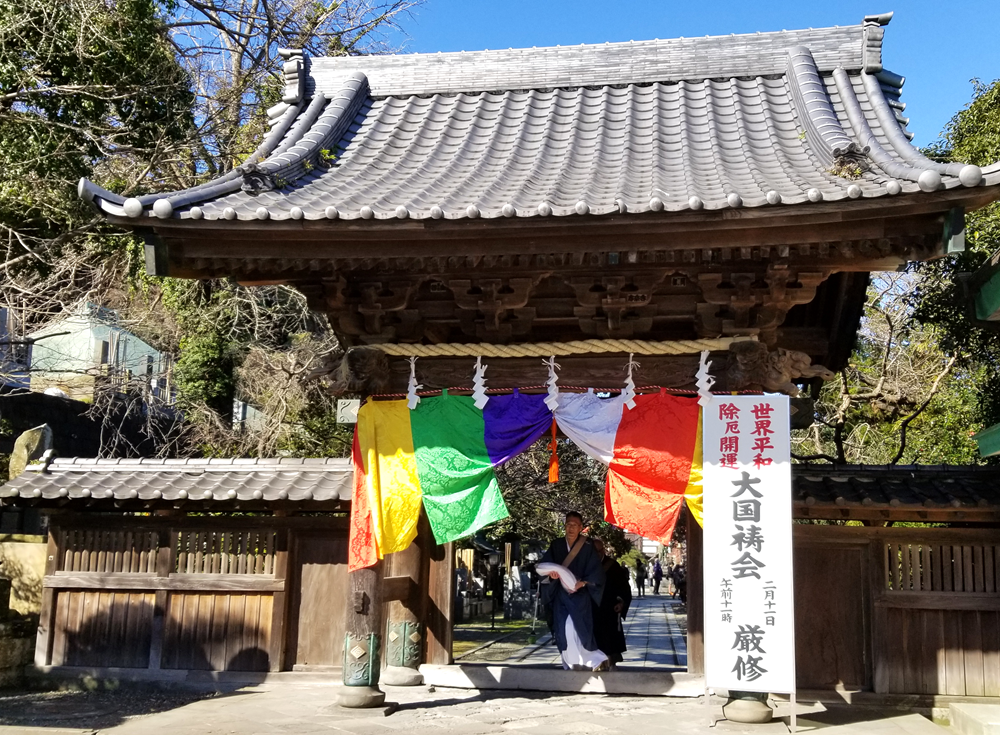
Place:Choshoji Temple
Start time: Around 10:00–10:30 a.m.
End time:Shortly after 11:00 a.m.
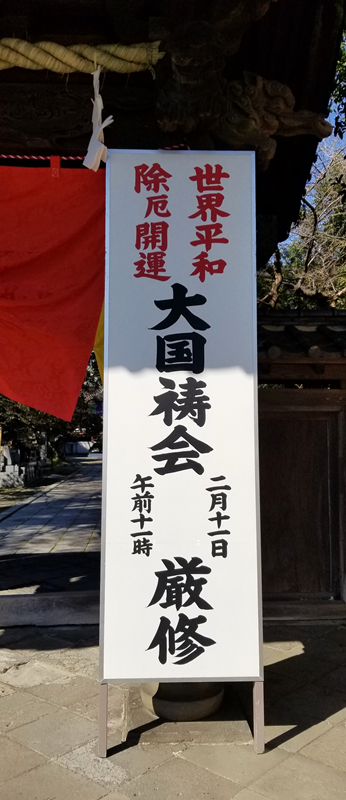
Although the ceremony is officially scheduled for 11:00 a.m., it usually begins sometime between 10:00 and 10:30 a.m., so please be careful not to arrive at the wrong time.
By around 11:00 a.m., a crowd has already formed around the water purification area at the venue, so if you want to take photos or watch from up close, it’s recommended to arrive early.
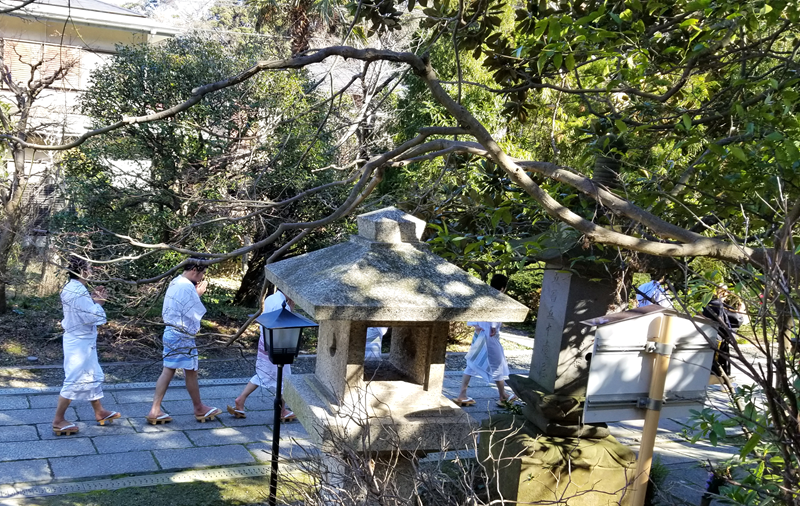
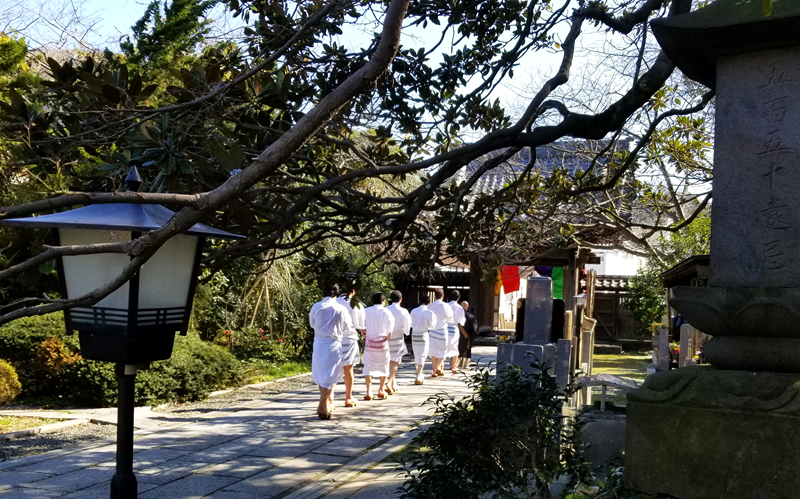
The ascetic monks, dressed in white practitioners’ robes, are led by the rhythm of handheld drum fans as they make their way to the water purification site.
As expected, their hair is not shaved and has grown quite long.
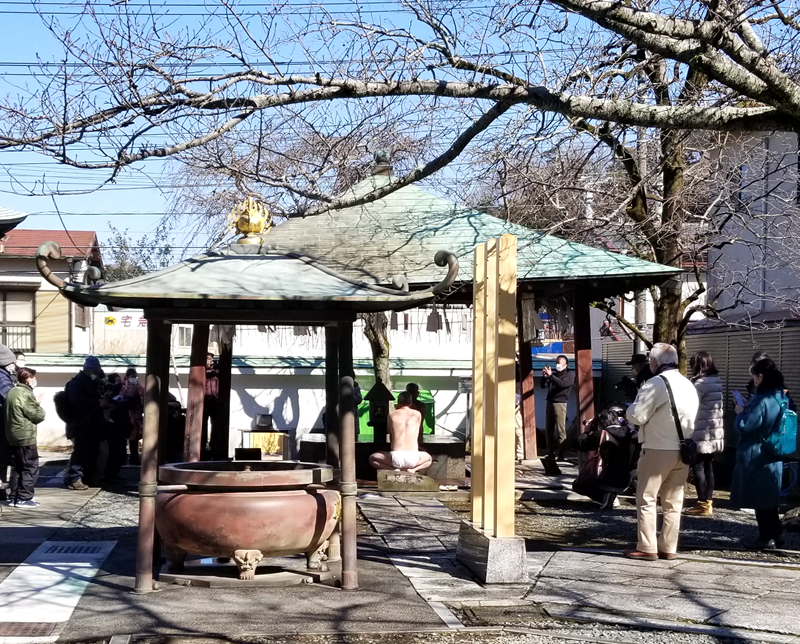
When the monks arrive in front of the water purification area, attendants take charge of their garments, collecting the clothes they remove.
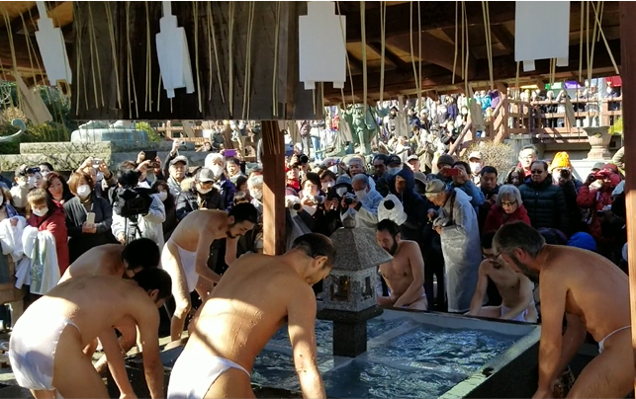
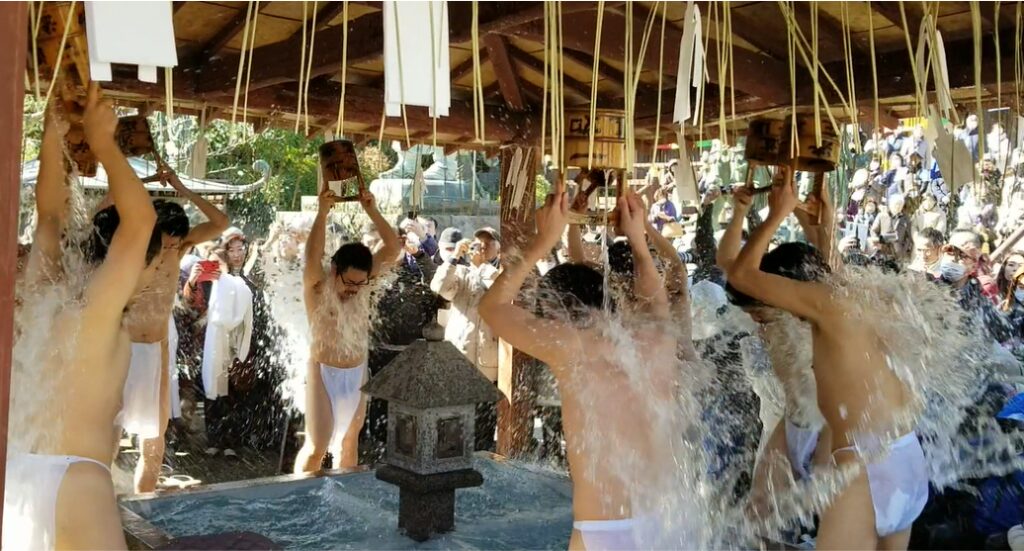
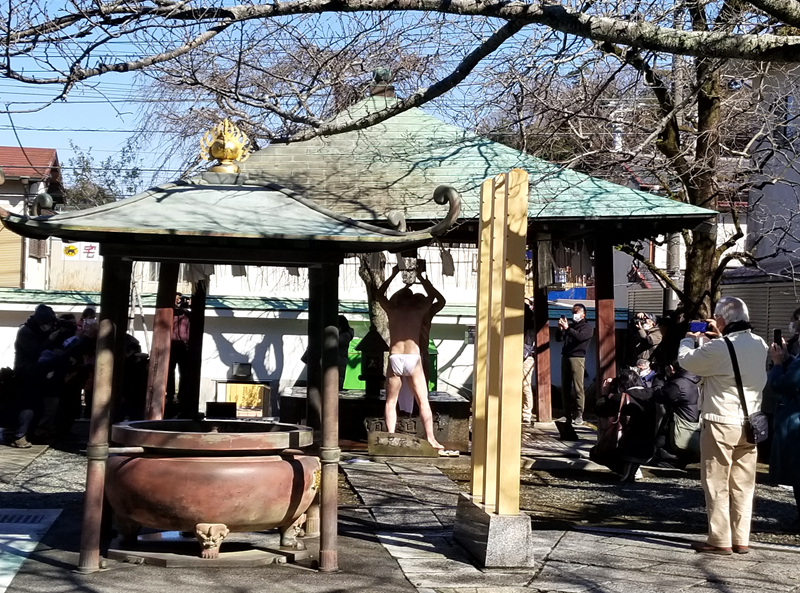
Wearing only a traditional loincloth, they chant Buddhist sutras while pouring ladles of water over their heads.
If you stand too close, you may get wet, so please be careful.
Be sure to check out the powerful video as well!
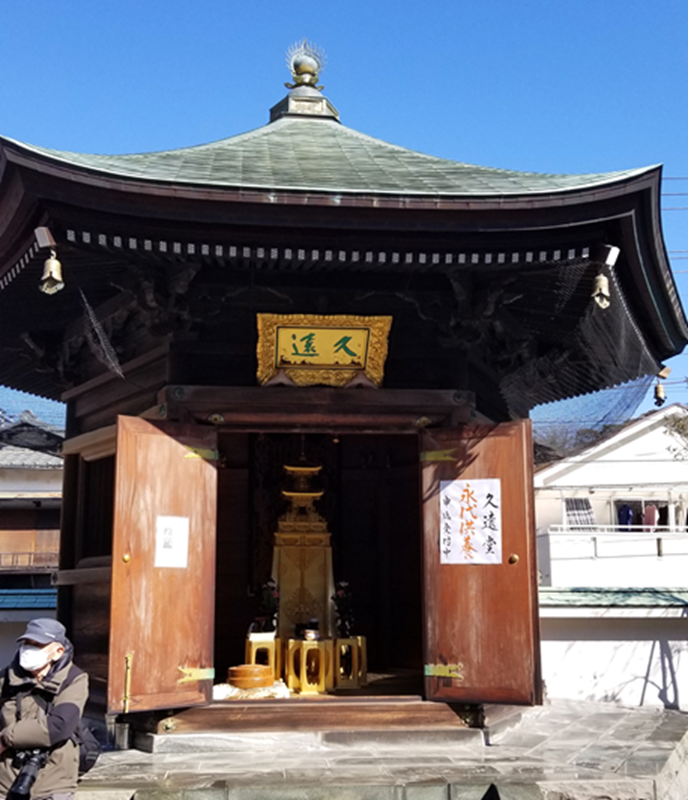
This is the water purification area after the completion ceremony of the Daikokutōe Jōman-sai;the wooden slats are wet from the water ritual.
The event concluded shortly after 11:00 a.m.
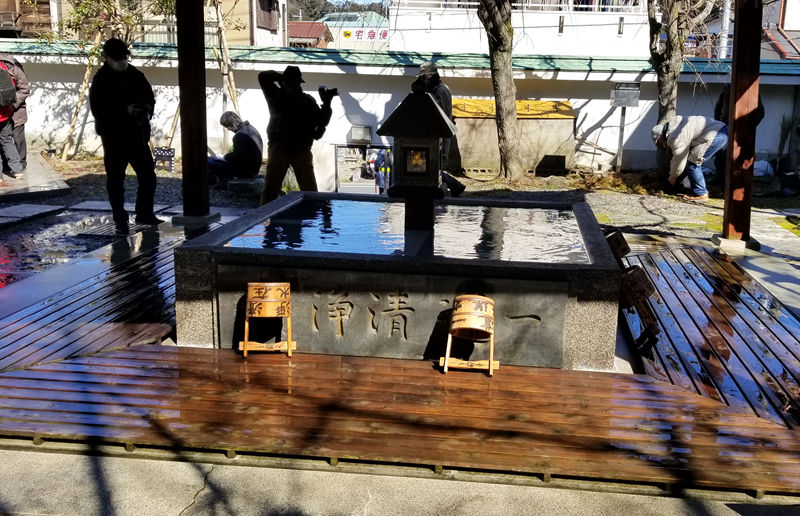
I also observed it in 2022, but when I arrived thinking it would be at 11:00 a.m., it was already almost over (I believe it was the final group). The number of monks undergoing the training varies from year to year, so the timing can differ slightly as well.
STEADY EMS Beauty & Release Gun — Highly Recommended [PR]
Enjoy an esthetic-style treatment without leaving your home.Feeling tired after a long day of walking? How about a relaxing massage at home?Weighing just 272 g, it’s lightweight and easy to use—making it an ideal care item for people who work hard in sports or at their jobs, and for anyone looking to fit self-care into a busy daily routine.
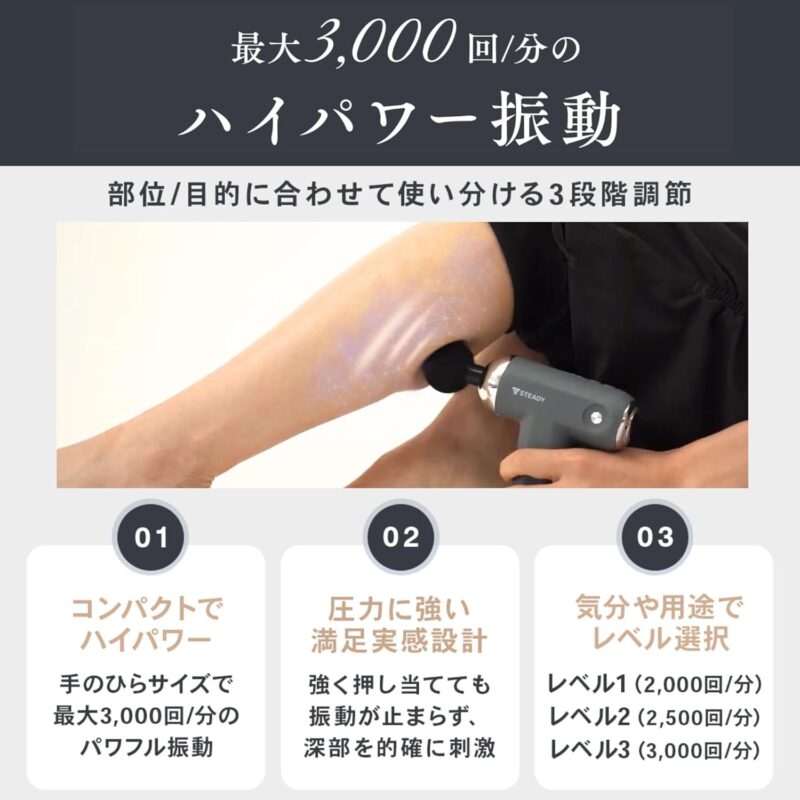
The item was purchased through your Amazon website.

Daikokutoue jomansai
The Daikoku Tōe Jōman-sai is a traditional Nichiren Buddhist ceremony held every year on February 11 at Chōshō-ji Temple in Kamakura.
This ceremony is known as the final water purification ritual performed by monks who have successfully completed the 100-day severe winter ascetic training (Kanno Aragyō) at Hokekyō-ji Temple in Chiba Prefecture.
Dressed in white ascetic robes, the training monks proceed to the purification site, led by the rhythmic sound of handheld drums.
There, wearing traditional attire, they pour cold water over their heads while chanting Buddhist sutras in loud voices amid the winter cold.
Through this water purification ritual, the monks report the completion of their training to the Buddha and pray for the peace and stability of the nation, as well as for world peace.
Sekiseisan Choshoji Temple
Founded in 1263
Founder: Saint Nichiren
Patron Founder: Ishii Nagakatsu
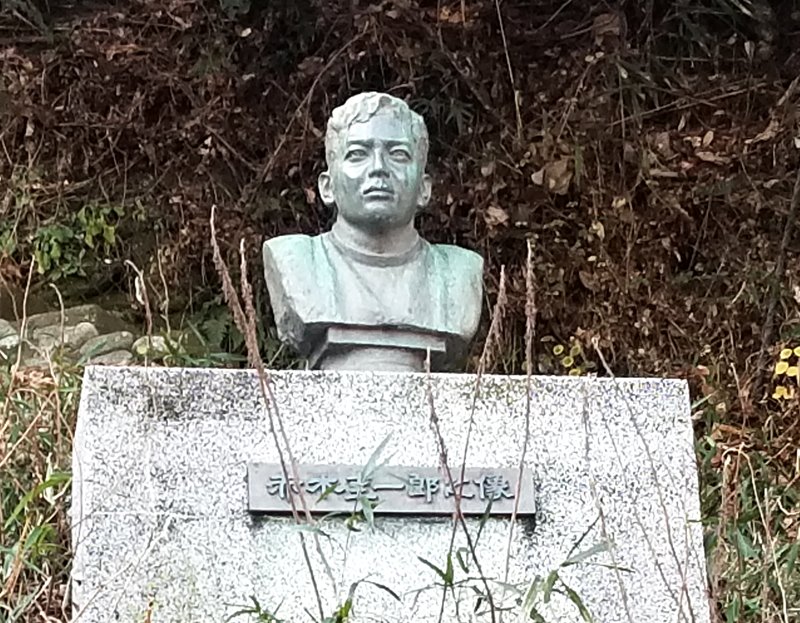
The origin of the temple dates back to when Ishii Tōgorō Nagakatsu, a devout follower of Nichiren, donated a hermitage he had built for Nichiren upon the monk’s return from exile in Izu to Kamakura.
Ishii Nagakatsu is believed to have been a member of the Miura clan, a powerful family of gokenin (vassals) of the Kamakura shogunate, and to have served as the local steward (jitō) of the Matsubagayatsu area.
After the Miura clan was destroyed by the Hōjō clan in the Battle of Hōji in 1247, he is thought to have renounced secular life and devoted himself here.
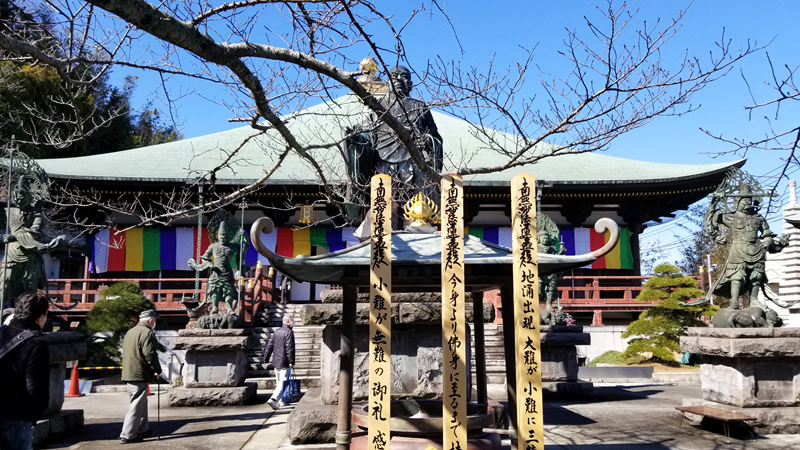
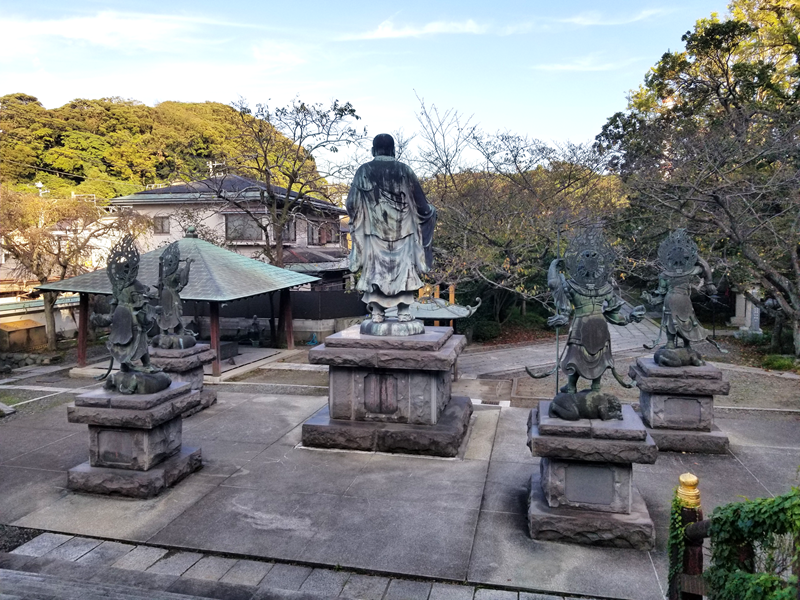
Saint Nichiren faced what are called the “Four Great Persecutions,” one of which is known as the Izu Persecution.
The Izu Persecution refers to the event on May 12, 1261 (Kōchō 1), when Saint Nichiren was arrested by the Kamakura shogunate and exiled to Izu (present-day Itō City in Shizuoka Prefecture).
The background of this incident involves Nichiren’s work Risshō Ankoku Ron (“On Securing the Peace of the Nation through the Propagation of True Buddhism”), which he submitted to the Kamakura shogunate.
In this text, he strongly criticized the widely practiced nembutsu teachings of Hōnen’s Pure Land Buddhism.
It is said that followers of the nembutsu, angered by these criticisms, attacked Nichiren’s hermitage in Matsubagayatsu and even attempted to take his life.
Following complaints made to the shogunate, Nichiren was arrested and ultimately exiled to Izu.
Access
From Bus Stop No. 3 at the East Exit of JR Kamakura Station, take a bus bound for the Nagoe area and get off at “Chōshō-ji Temple.” The temple is a 1-minute walk from the bus stop.
It is also about an 18-minute walk (approximately 1.5 km) from Kamakura Station.
Reading a Kamakura guidebook before your trip will definitely make your visit more meaningful and amazing.
Rather than using general guidebooks that cover all of Japan, I recommend choosing one that focuses specifically on Kamakura.You can purchase it from the link below.
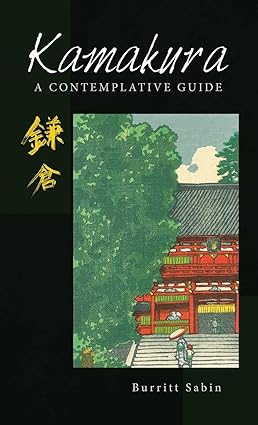
The item was purchased through your Amazon website.

コメント