
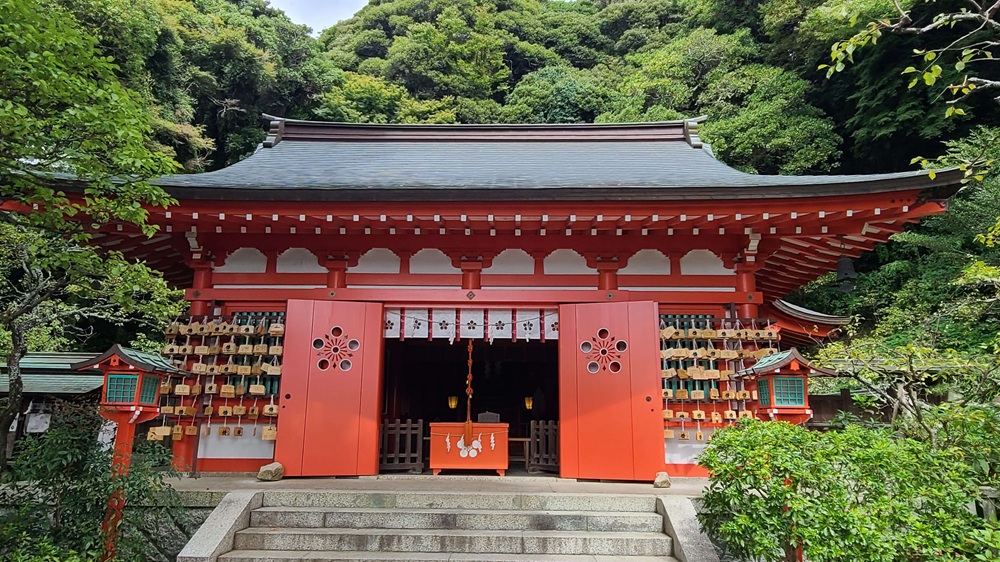
Event Schedule
Start:10:30 AM
The “Hatsutenjin” ceremony will begin at 10:30 a.m., followed by the brush memorial service (Fude-Kuyo) and ritual burning starting at 11:00 a.m.
The year I went, I arrived at 10:15, and it seemed the Shinto ritual was already underway. It’s safer to arrive a little earlier.
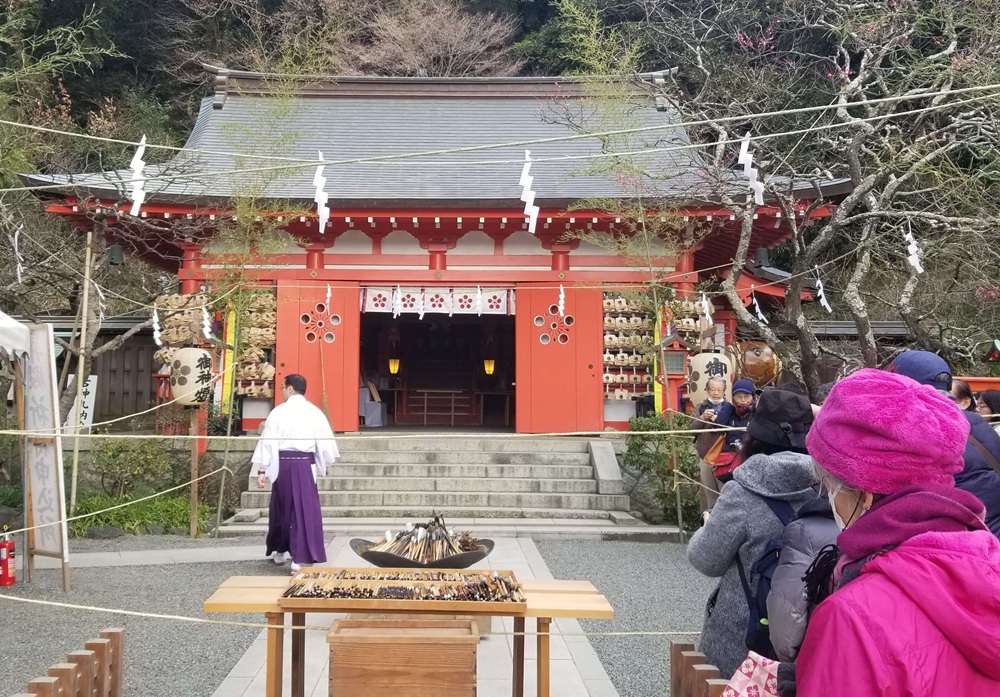
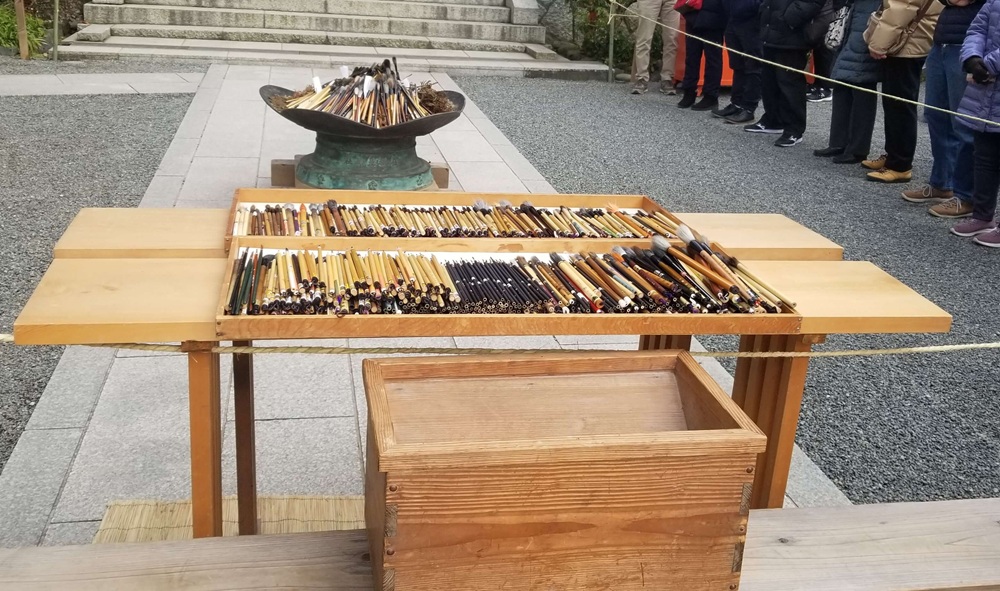
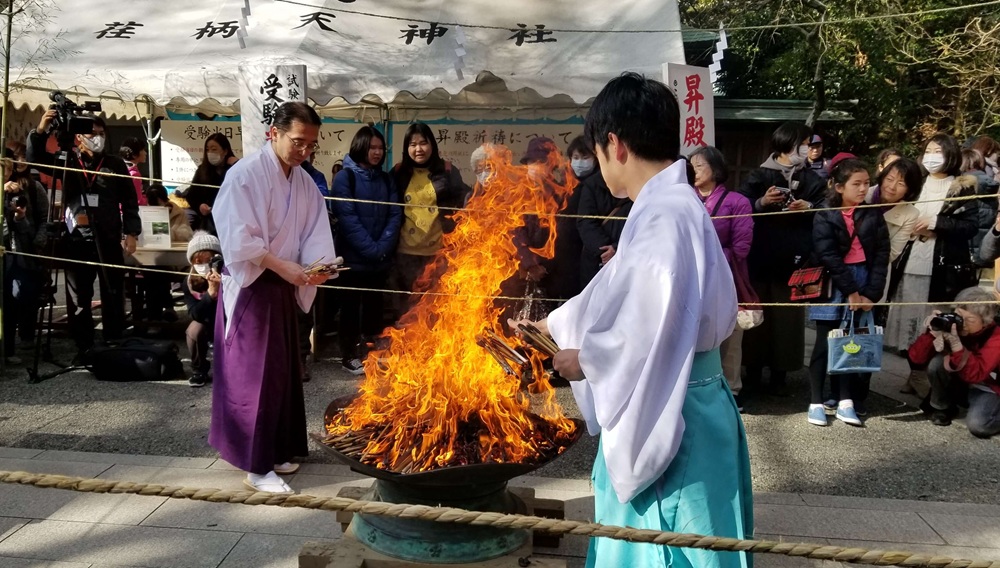
The Fude-Kuyō (brush memorial service) is held twice a year: during the Hatsu Tenjin Festival in January and the Efude Festival in October (👉 see the blog post about the October festival).
Brushes can be brought in at any time of the year and are accepted at the “Fude Nōsho” (old brush offering box) to the left of the main hall, as well as at the shrine office.
There is no limit to the number of brushes you can offer, and there is no fixed fee for the ritual, making it easy for anyone to participate.
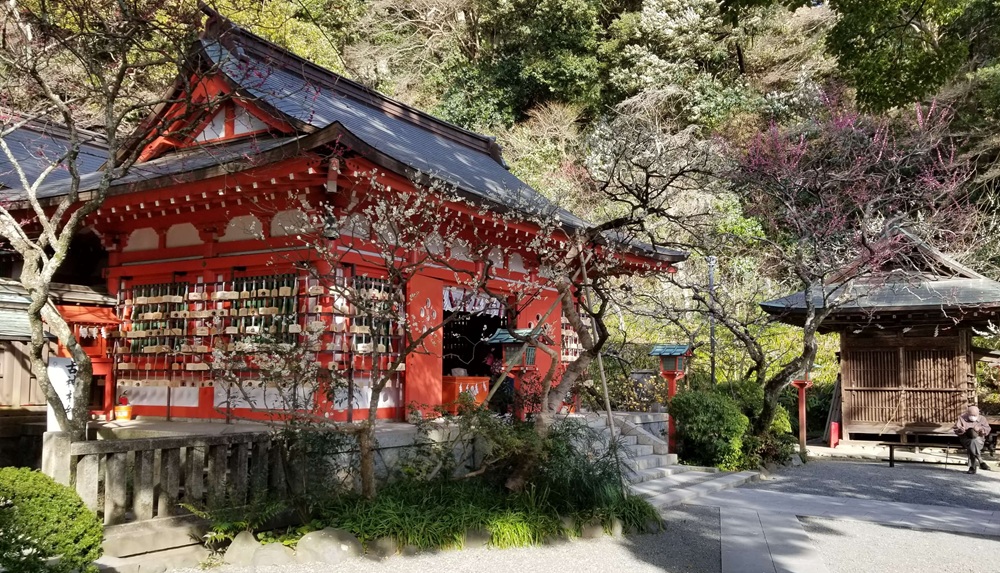
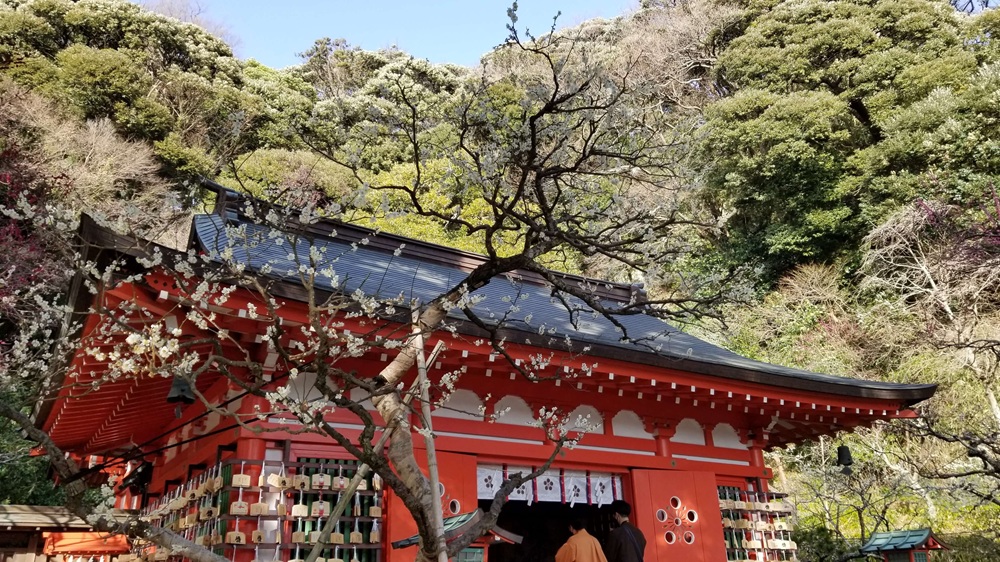
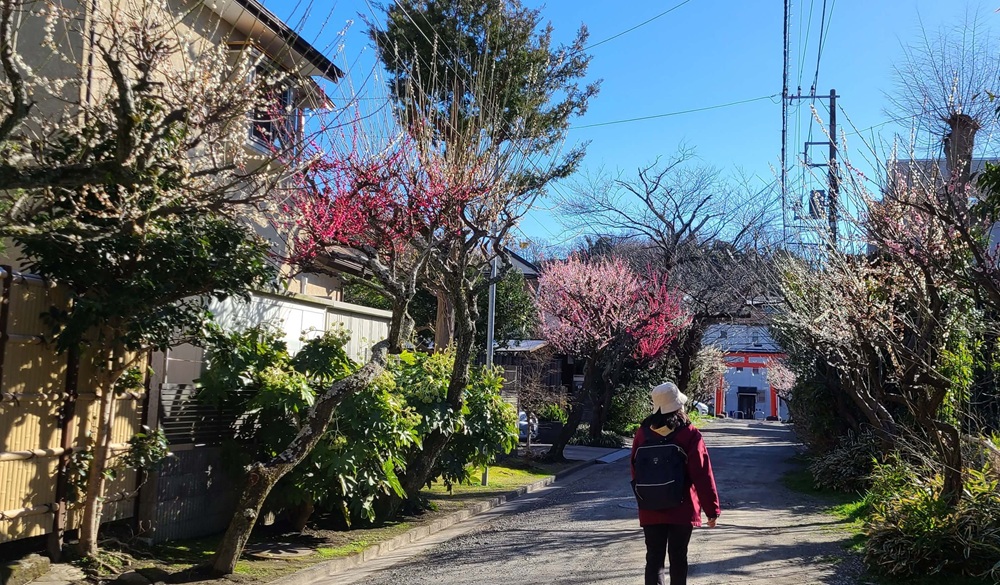
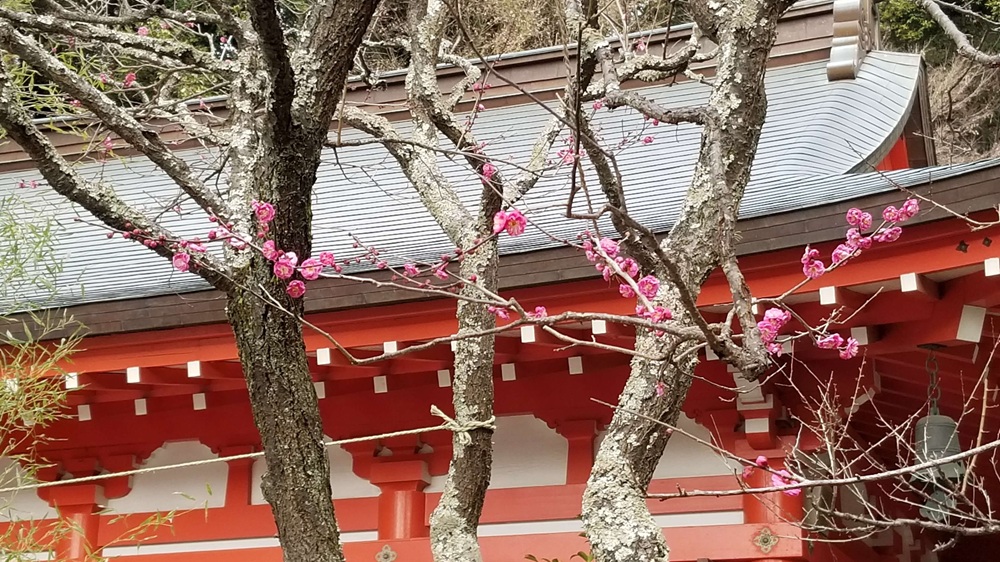
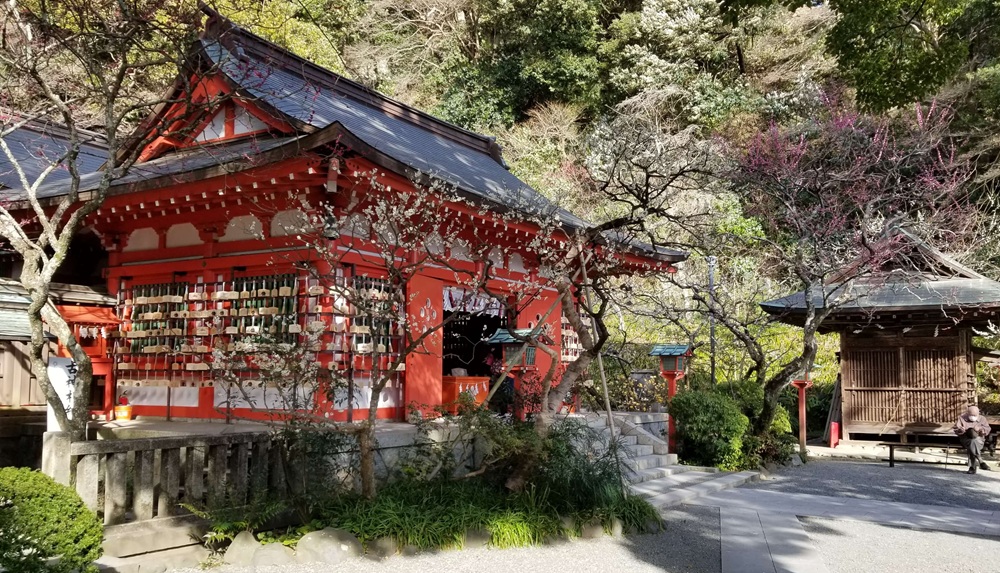
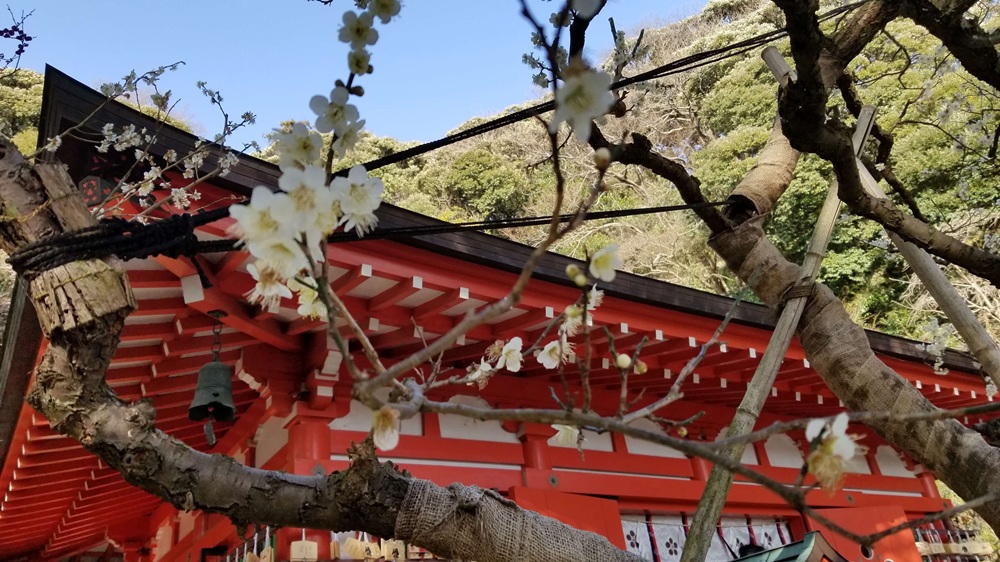
In early March, the plum blossoms also begin to bloom, so be sure to enjoy them as well!
Hatsutenjin・Efudetsuka
The 25th of every month is Tenjin-sama’s ennichi (day with a special spiritual connection), and January 25 is the first Tenjin Day of the year.
After the ritual is conducted in the main sanctuary, the Brush Memorial Service is held in the center of the shrine approach.
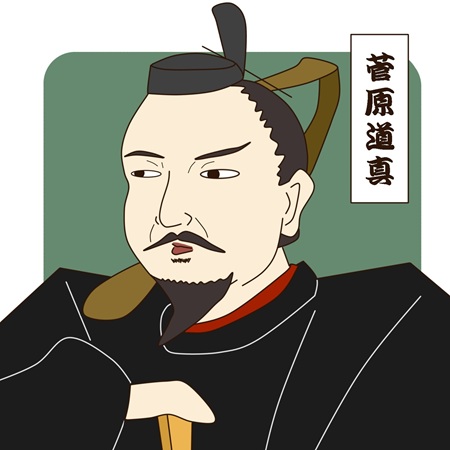
According to tradition, in a village once known as Egaya-go, dark clouds suddenly gathered and an image of Tenjin was said to have descended from the sky.
Today, there are said to be approximately 12,000 shrines across Japan dedicated to Sugawara no Michizane, known as “Tenjin-san,” and many of them are shrines that received a divided spirit from this shrine.
(Source: Kitano Tenmangū official website)
The plum blossom crest is associated with Sugawara no Michizane, who was fond of plum trees, and it is said that Tenmangū shrines throughout Japan use the plum blossom as their sacred emblem. When you visit Tenmangū shrines around the country, why not compare their crests?
I looked into it a bit—they’re all different!

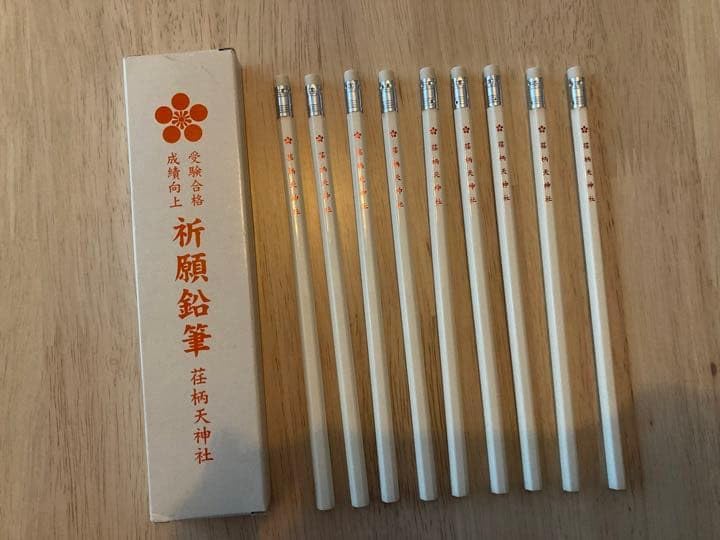
Egara Tenjin Shrine also sells “success pencils” for students preparing for entrance exams.
What is Egaratenjinshya?
Founded: 1104 (Heian period)
Enshrined Deity: Sugawara no Michizane
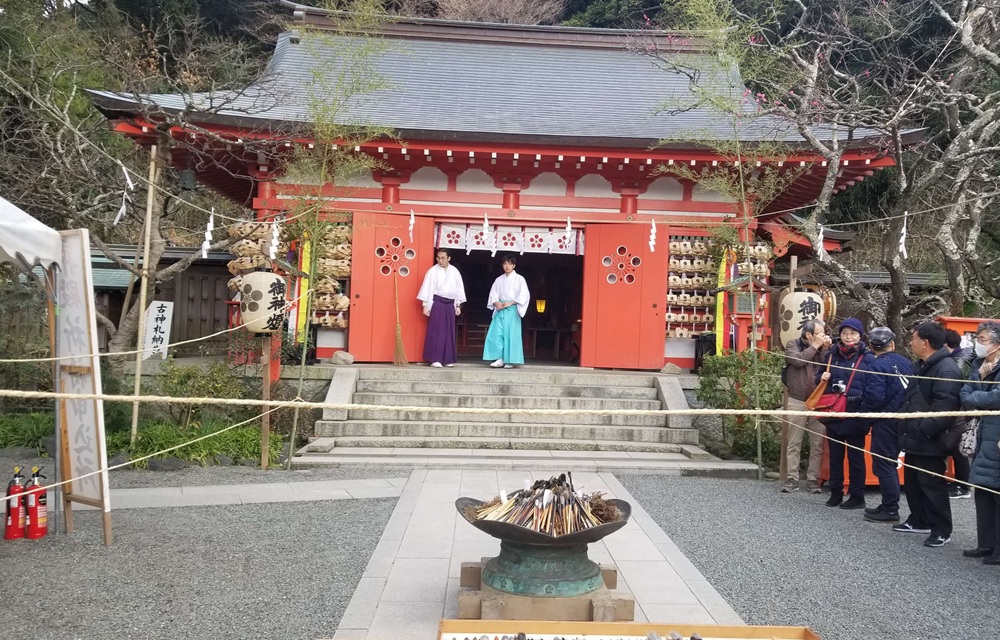
Along with Kitano Tenmangū in Kyoto and Dazaifu Tenmangū in Fukuoka, this shrine is regarded as one of Japan’s Three Great Tenjin Shrines.
The origins of Egara Tenjin Shrine date back to a mysterious event that occurred in 1104 . According to legend, although the sky had been clear, it suddenly grew dark, and amid thunder and heavy rain, an image of Tenjin dressed in a black ceremonial court robe descended from the heavens. In awe of this divine manifestation, the local people built a shrine hall and enshrined the image. This event marks the beginning of the shrine’s history.
Egara Tenjin Shrine has many branch shrines, mainly in the Kantō region, and together with Dazaifu Tenmangū in Fukuoka and Kitano Tenmangū in Kyoto, it is known as one of the “Three Ancient Tenjin Shrines,” reflecting its long history and high prestige. In the past, it was called Egara-yama Tenmangū. The place name Egara is believed to have evolved from Egaya (荏草郷), which appears in documents dating back to 735.
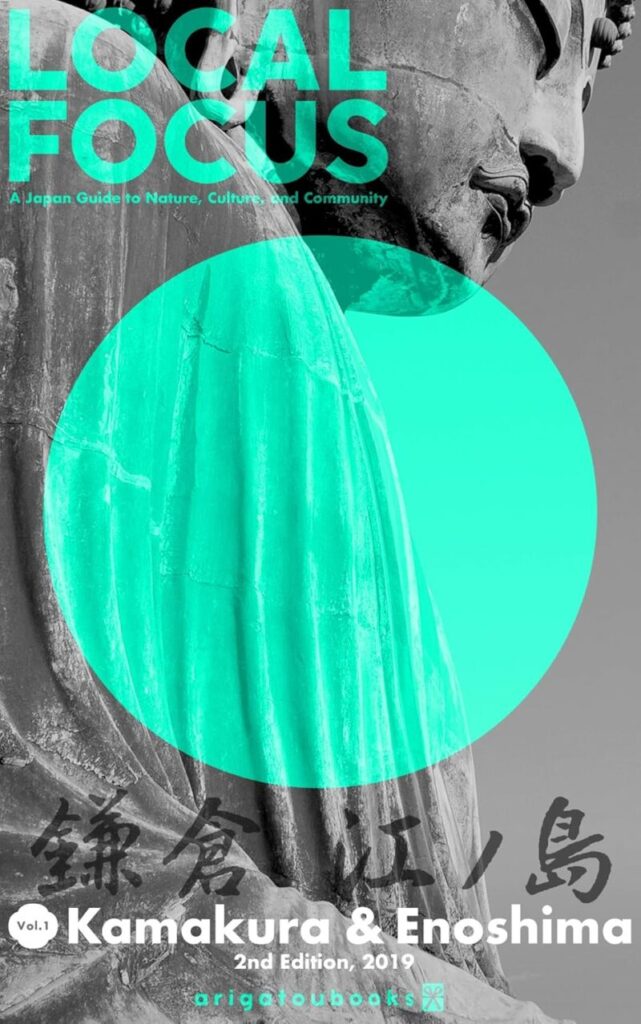
This English guidebook covers Kamakura and Enoshima.There aren’t many English guidebooks that focus on this area.It introduces various spots, such as shrines, temples, and restaurants, by area.We hope you enjoy discovering the beauty and history of Kamakura!
Kamakura & Enoshima: A Japan Guide to Nature, Culture, and Community
Access
From JR Kamakura Station, take a Keikyu Bus from Bus Stop No. 5 bound for “Kamakura 20 – Daitōnomiya.”
Get off at “Tenjin-mae” bus stop; the shrine is a 3-minute walk from there.
It is about a 34-minute walk (approximately 1.8 km) from JR Kamakura Station.
In early March, the plum blossoms begin to bloom, so be sure to enjoy them as well! (Photo taken on March 5, 2022)
コメント