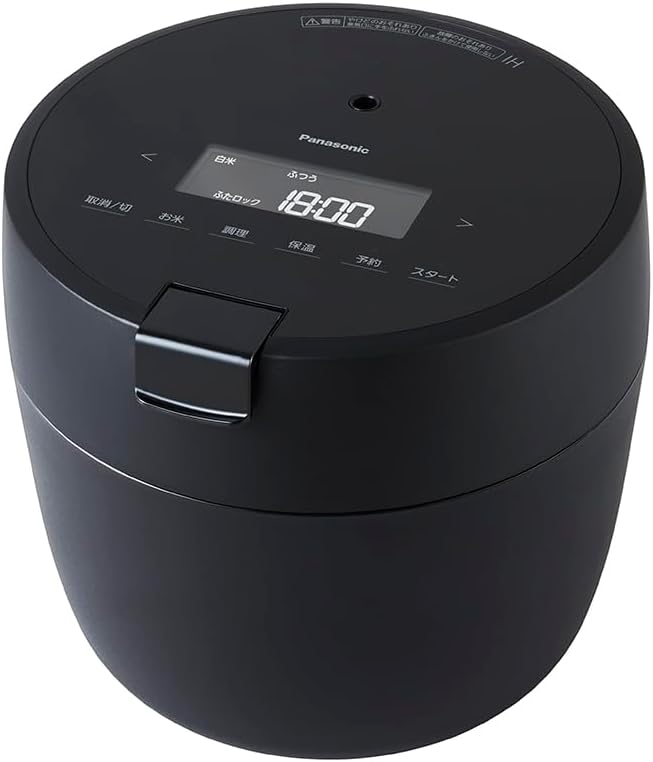
【PR】This is a compact Panasonic rice cooker made in Japan.
It can cook up to 5 cups of rice and also works as a multi-function cooking pot.
You can use it for pressure cooking, no-water cooking, low-temperature cooking, and automatic recipes.
The lid can be washed in a dishwasher, making it easy to clean.
Ideal for travelers looking for high-quality Japanese home appliances.

The item was purchased through your Amazon website.

I took a walk along the Enoden tracks
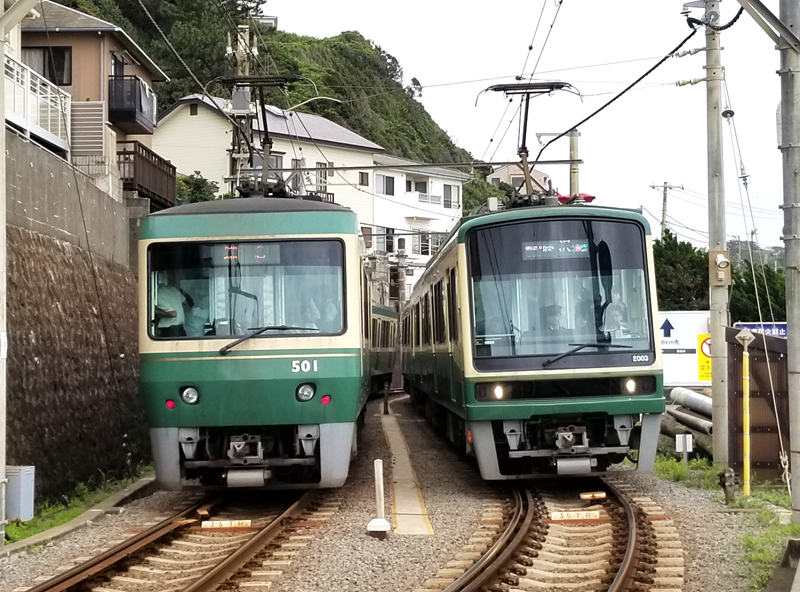
The Enoden is a local train that runs between Kamakura Station and Fujisawa Station.
It connects 15 stations and covers a total distance of 10.1 km in about 37 minutes.
Walking along the Enoden Line (although you cannot walk directly beside the tracks the entire way) is about 12 km in total.
At a normal walking pace, it takes roughly 3 hours.

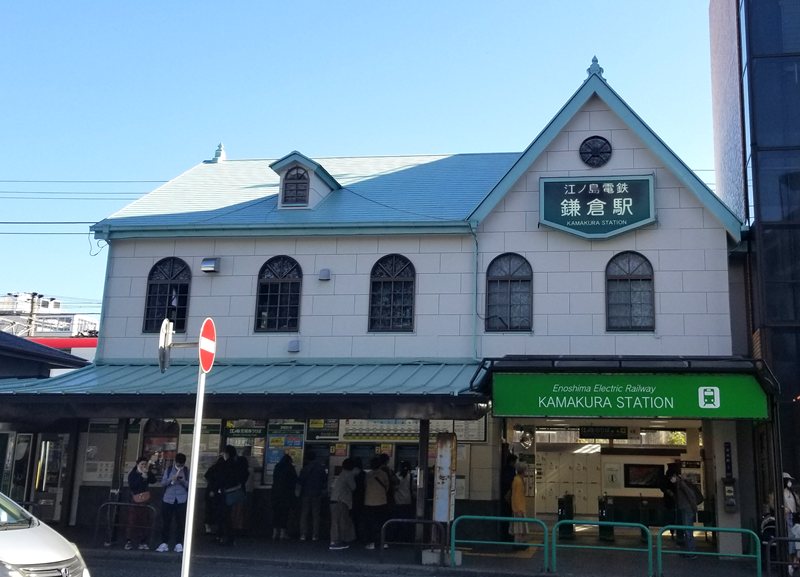
Walking from Kamakura Station to Fujisawa Station (2020)
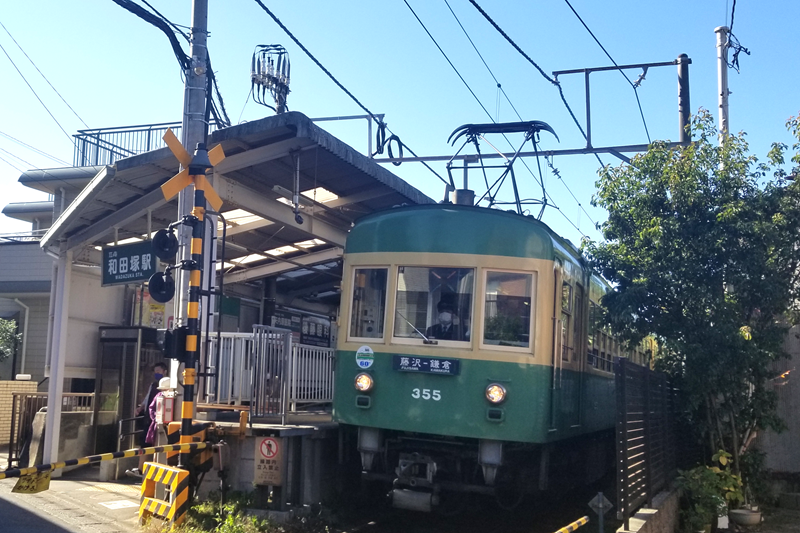
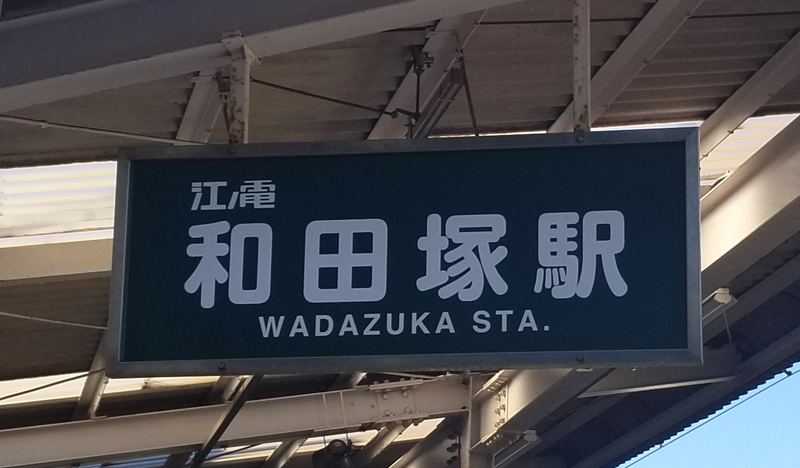
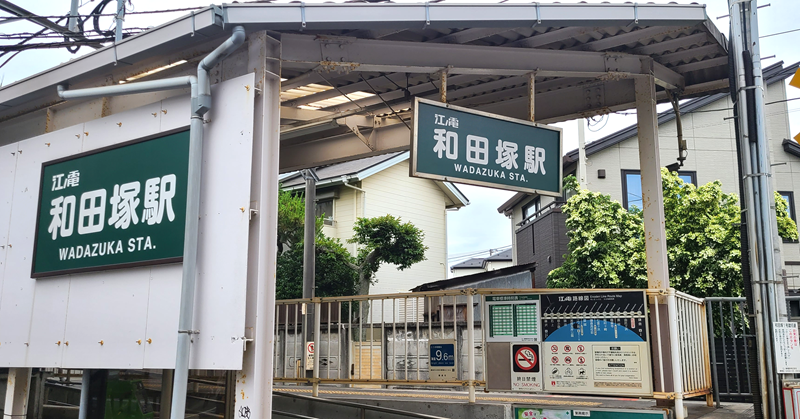
We left Kamakura Station at 10:55 a.m. and arrived at Wada-zuka Station at 11:08 a.m.
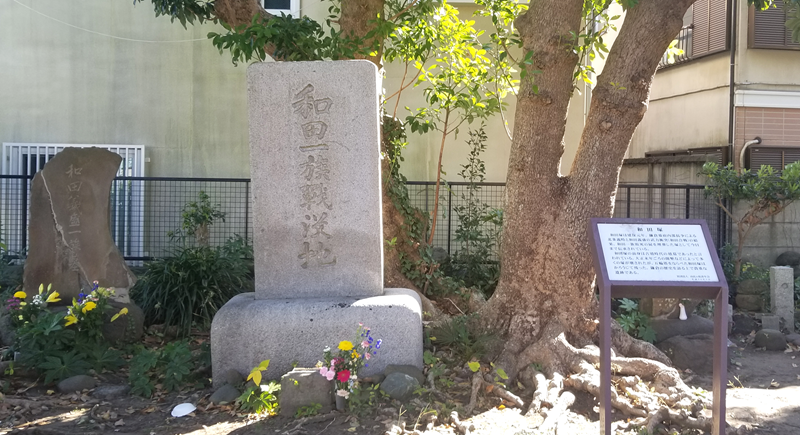
Near Wada-zuka Station, there is a historic site called Wada-zuka.
It is said to be a burial mound where members of the Wada clan were laid to rest after they were defeated in a military conflict between Hōjō Yoshitoki and Wada Yoshimori, known as the Wada Battle.
The site is located only about 50 meters from Wada-zuka Station, so it is well worth a short stop during your walk.
👉 For more details about Wada-zuka, please refer to the Official Kamakura Tourism Guide. 鎌倉観光公式ガイド
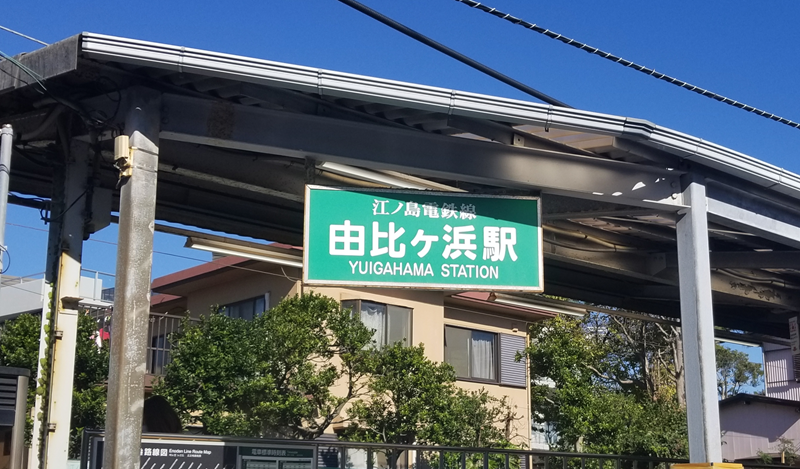
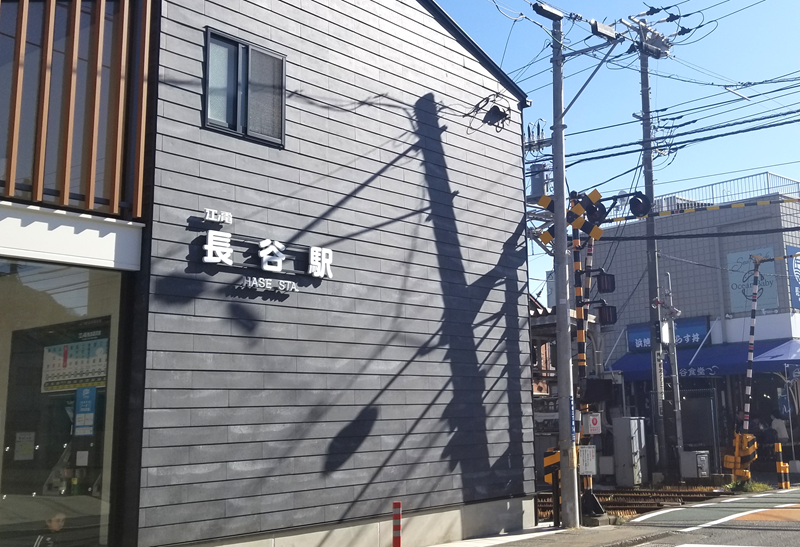
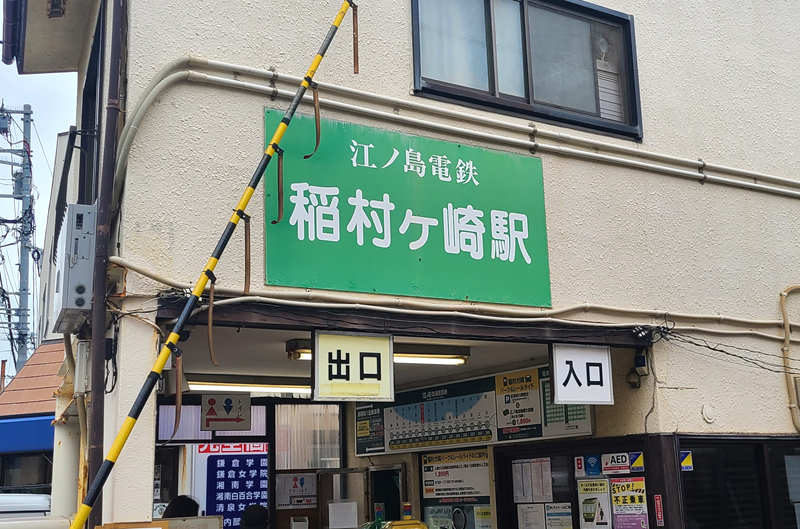
We reached Yuigahama Station at 11:20 a.m. and Hase Station at 11:38 a.m., but didn’t arrive at Gokurakuji Station until 1:23 p.m.
You might wonder, “What were we doing for over an hour?”
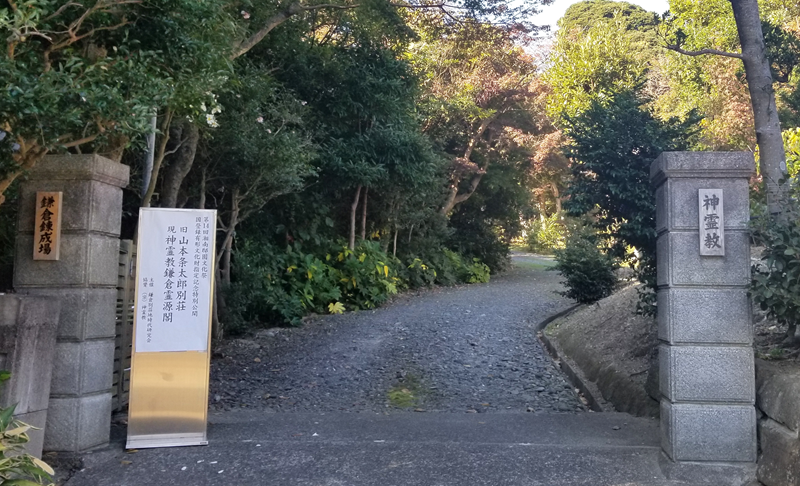
It turns out that day was a special open house for the former Jotaro Yamamoto Villa, so we took the opportunity to visit it.
If you’re interested in touring the former Jotaro Yamamoto Villa, be sure to check out this blog:
👉 Architecture in Kamakura | Former Jotaro Yamamoto Villa in Hase – Open to the Public (Nov. 29–30, 2025) 鎌倉にある建築物|長谷にある旧山本条太郎別荘 一般公開 2025.11.29/30
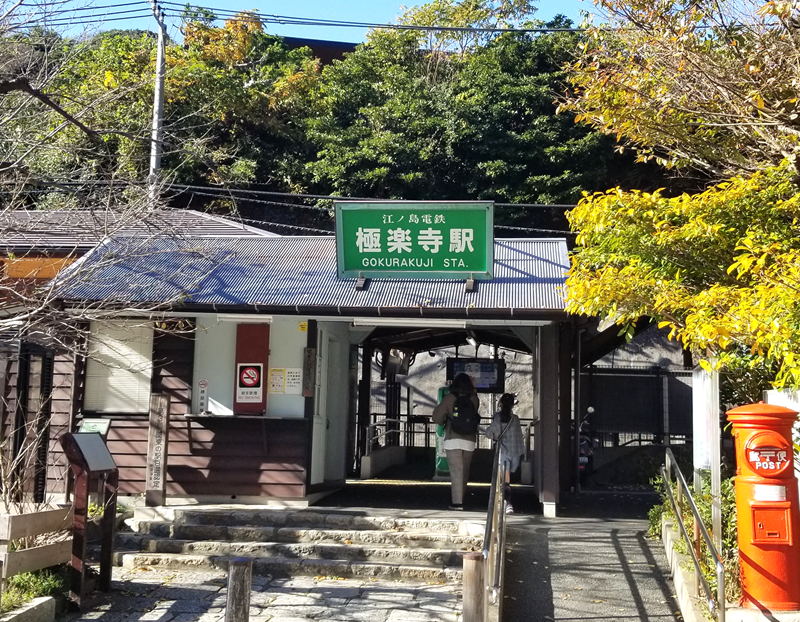
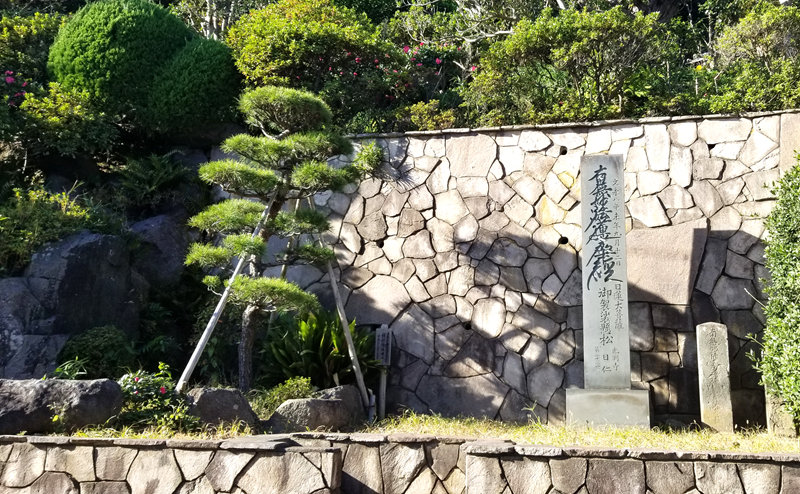
After passing Gokurakuji Station, we head toward Inamuragasaki.Along the way, you’ll find Nichiren Kesa-Gake Pine Tree.
According to legend, when Saint Nichiren was being taken to the execution grounds at Tatsunokuchi, he hung his kesa (Buddhist robe) on a pine branch so it would not be stained with blood.(The original tree has since died.)
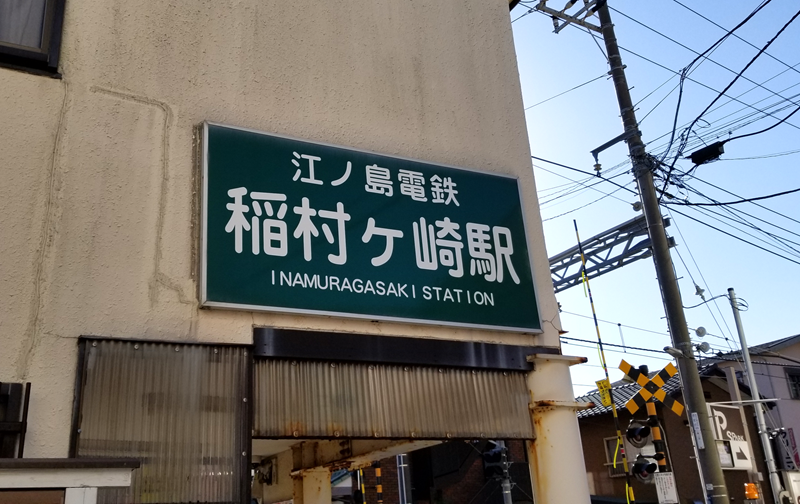
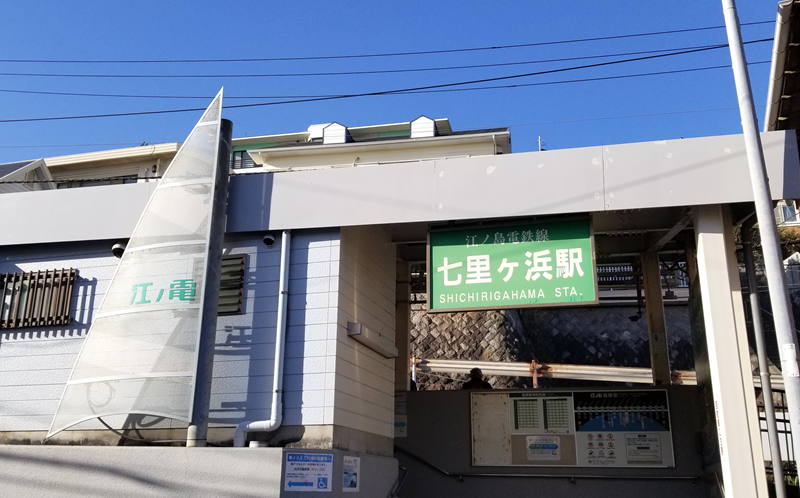
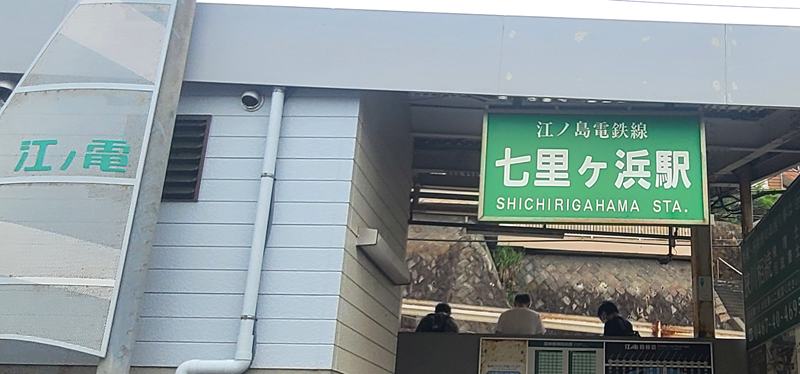
We arrived at Inamuragasaki at 1:36 p.m. and Shichirigahama at 2:14 p.m.Inamuragasaki is also home to Inamuragasaki Park (officially called Kamakura Seaside Park – namuragasaki Area).
The views from the park are spectacular, so it’s definitely worth a visit.The park is located about 350 meters from Inamuragasaki Station.
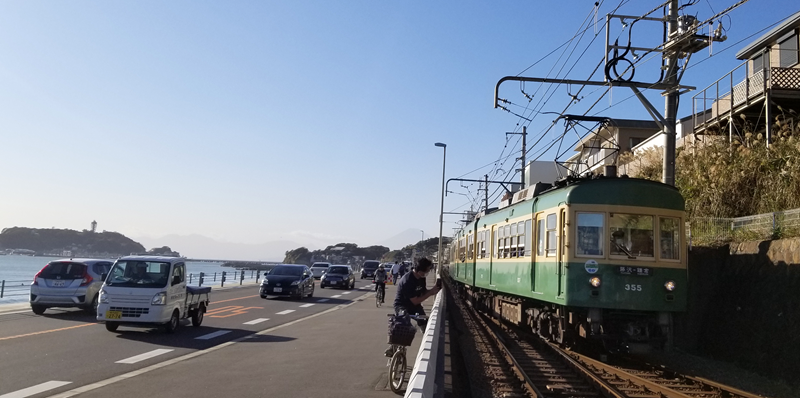
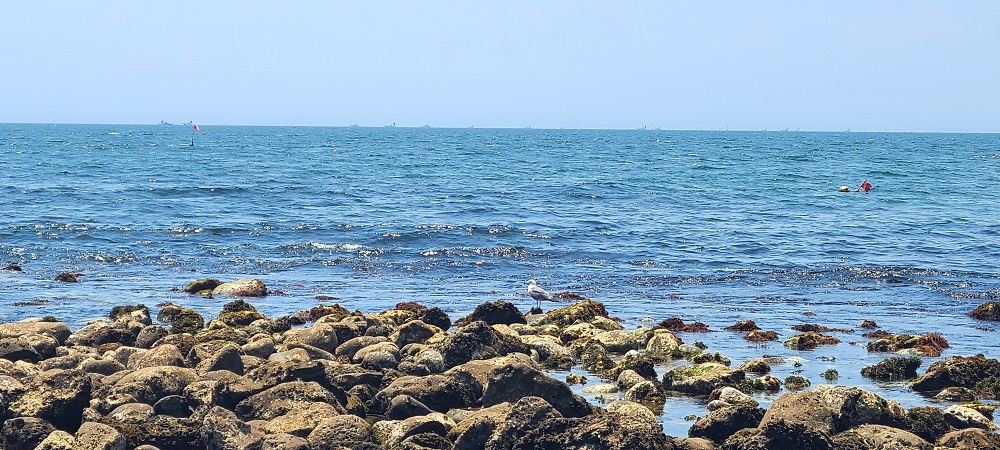
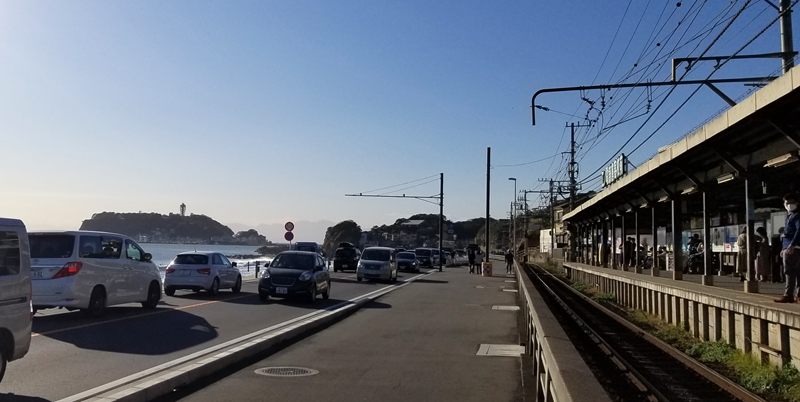
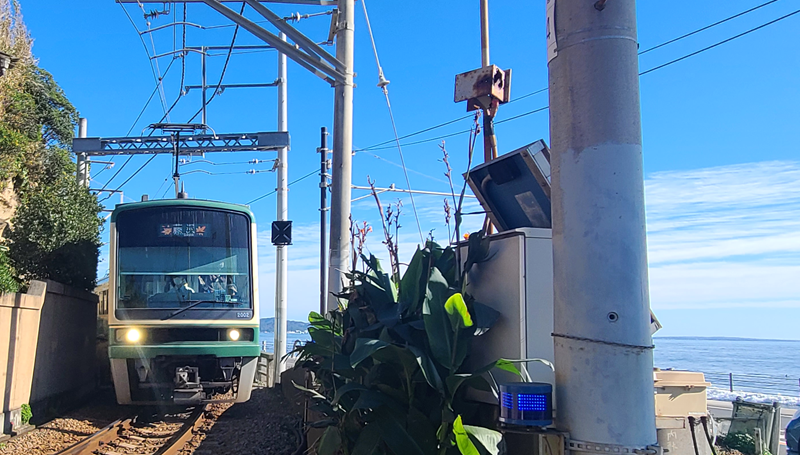
When you head from Inamuragasaki toward Shichirigahama, the route opens up to the sea, and the scenery is absolutely stunning.
On a clear day, you can see Mount Fuji in the distance, and to your left, Enoshima Island stands out clearly across the water.
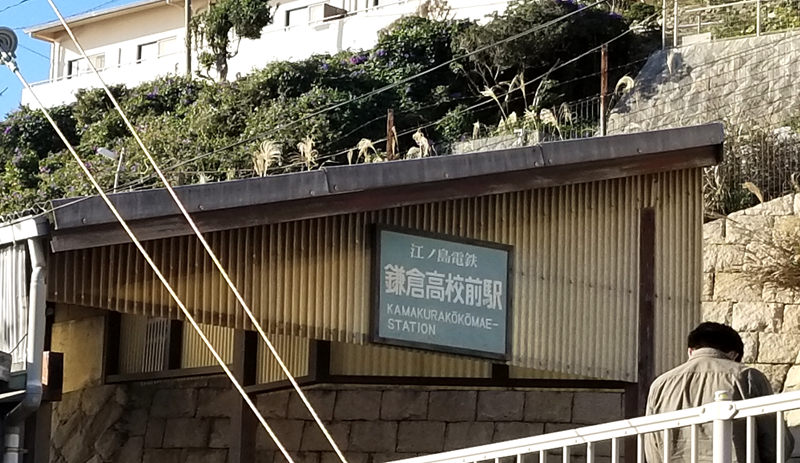
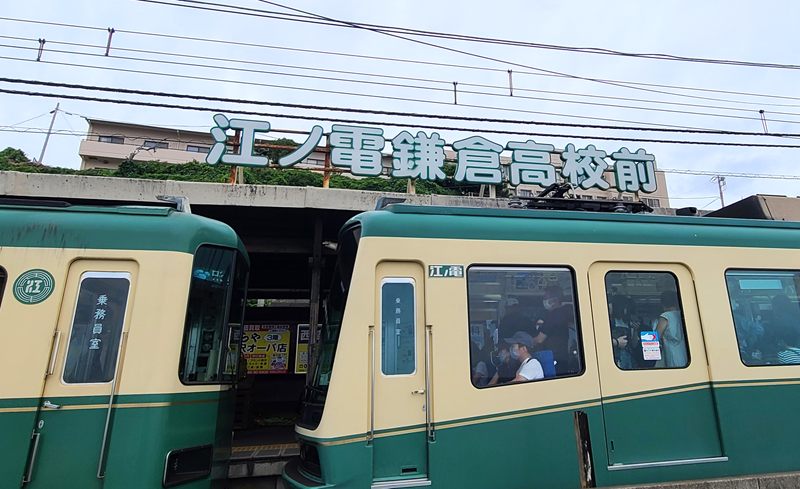
The next station is the famous Kamakurakōkō-mae Station.It’s known as a “holy site” for fans of Slam Dunk, so you’ll often find large crowds there.Kamakura High School itself is one of Kanagawa Prefecture’s most prestigious public high schools—and it’s known for its high academic standards as well.
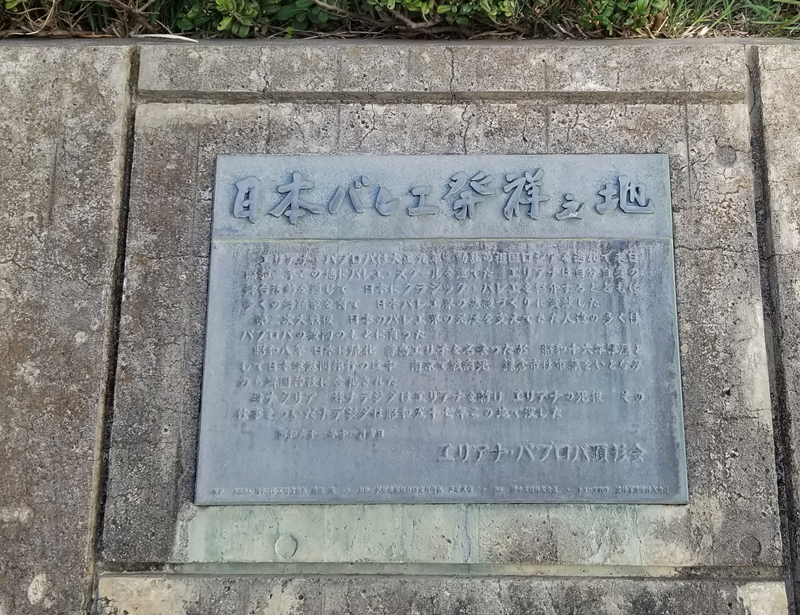
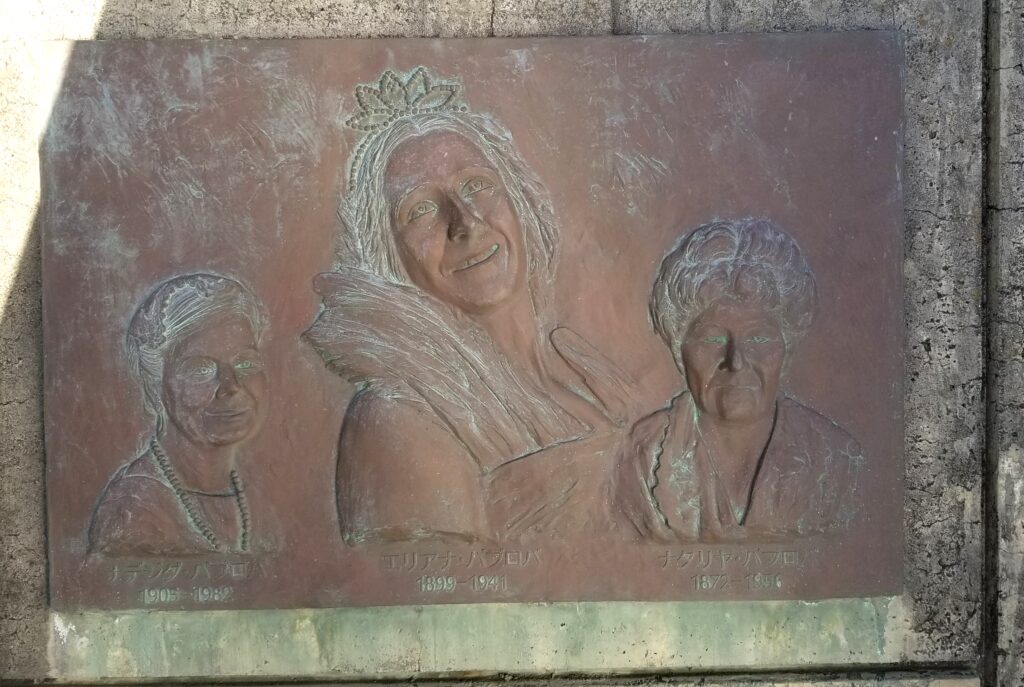
Along the way, you’ll pass Sangosho, (👉Sangosho「珊瑚礁」) a restaurant famous for its curry, as well as monuments marking the birthplace of ballet in Japan, including a relief of Elena Pavlova and her mother and sister.
These monuments are easy to miss unless you carefully watch the right-hand side of the road as you walk.
By the way, did you know that Kamakura is considered the birthplace of ballet in Japan?
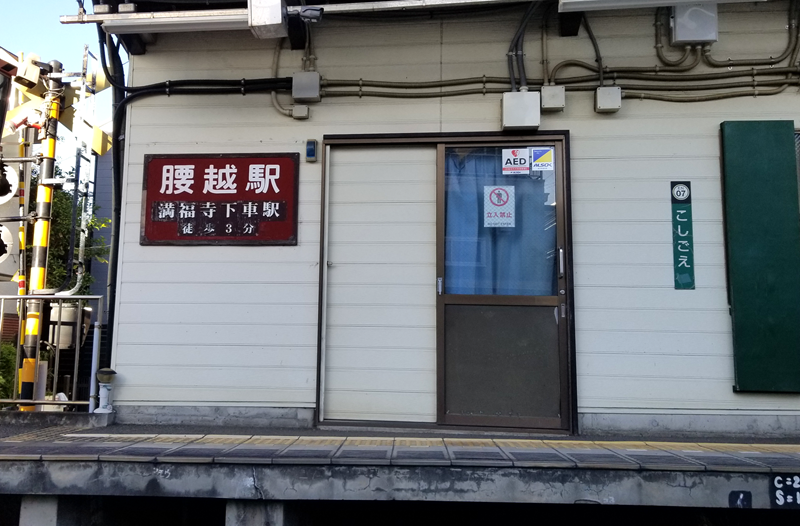
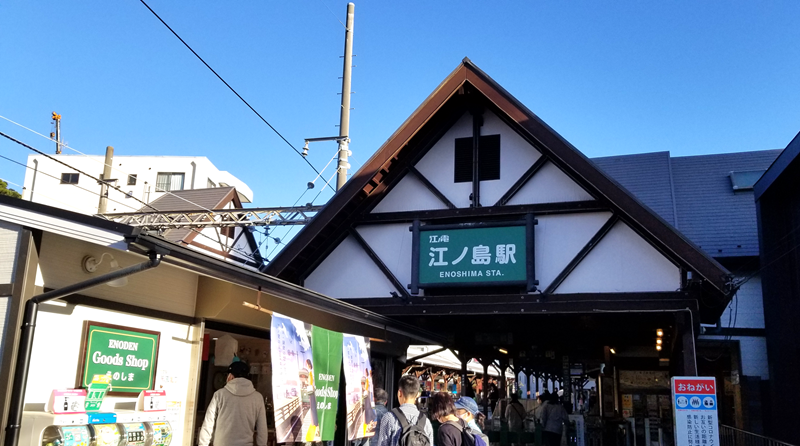
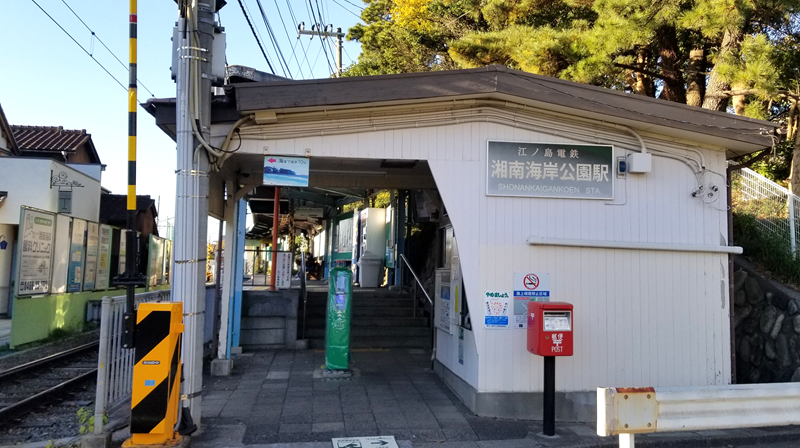
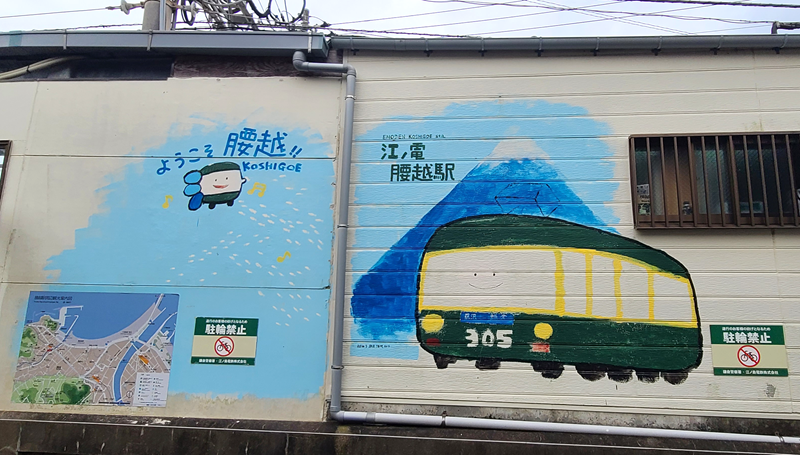
After leaving the coast, we reached Koshigoe Station at 2:46 p.m., entered Fujisawa City from Kamakura, arrived at Enoshima Station at 2:56 p.m., and Shonan-Kaigan-Koen Station at 3:05 p.m.
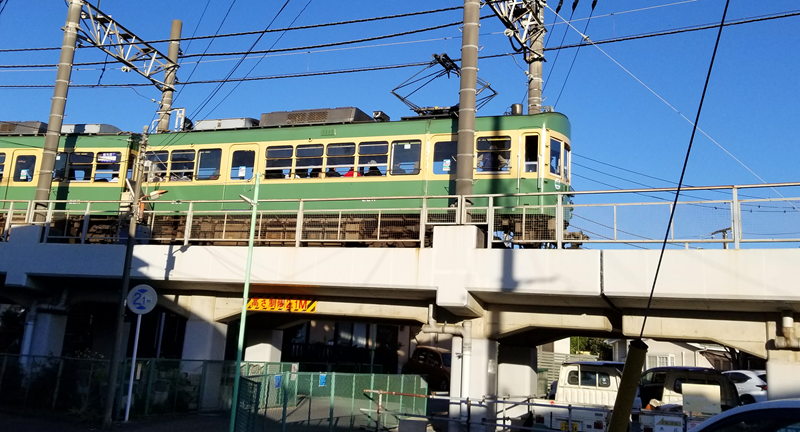
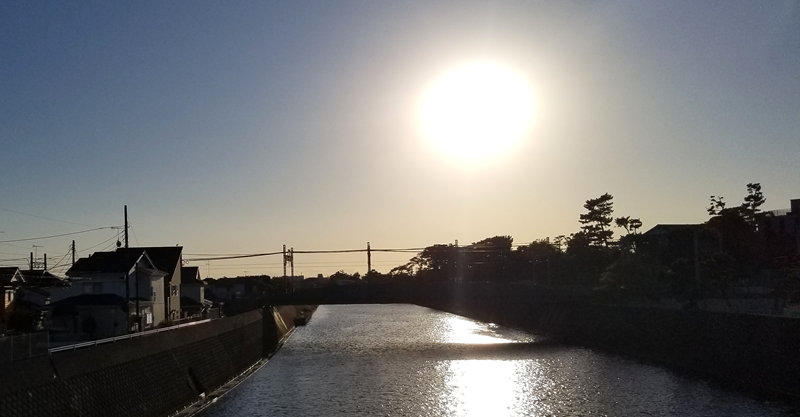
The sunset over the Enoden railway bridge is also beautiful.
We crossed the Sakai River, and on this day we saw people practicing canoeing.
They’ve been doing this here for many years.
overpass
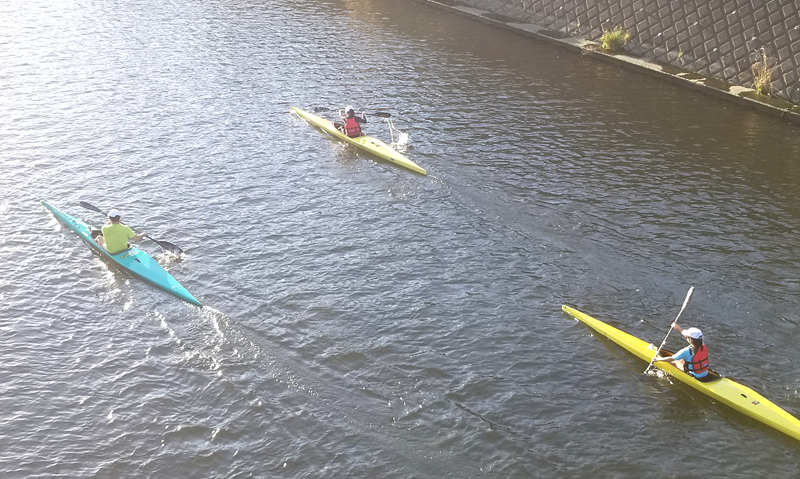
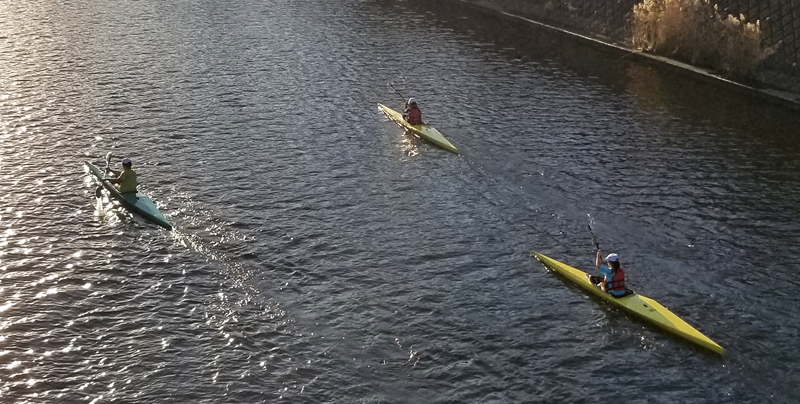
Enjoy the video of the Enoden crossing the railway bridge.
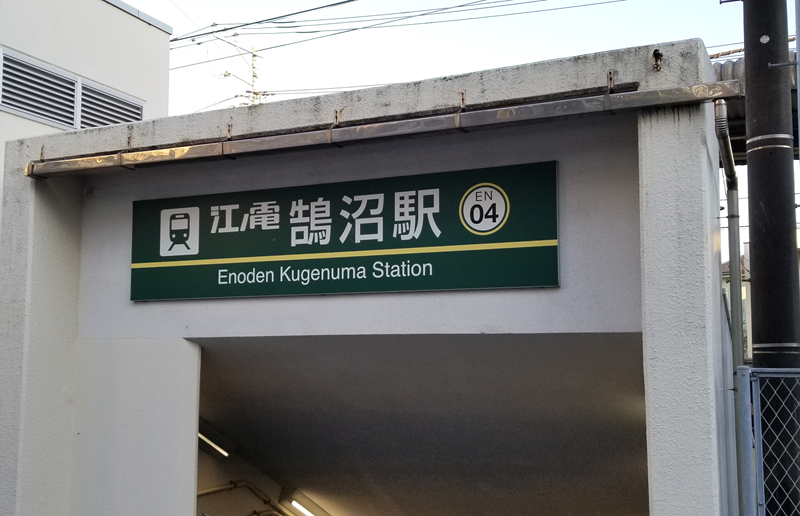
Walking from Kugenuma to Yanagikoji, you stay right alongside the Enoden tracks.With nothing much in the way, you really feel close to the trains.We also got to see lots of different Enoden train models along the way.
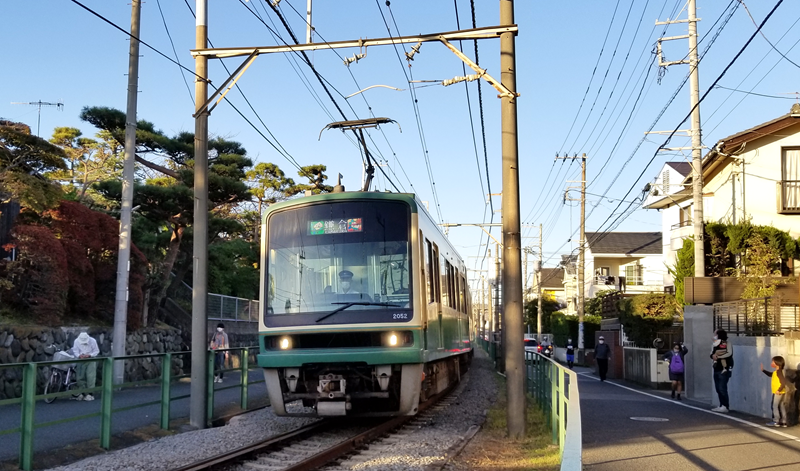
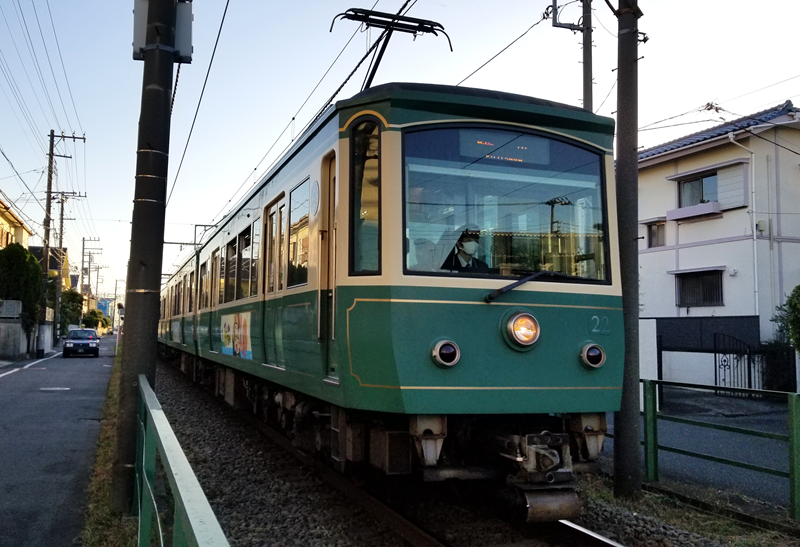
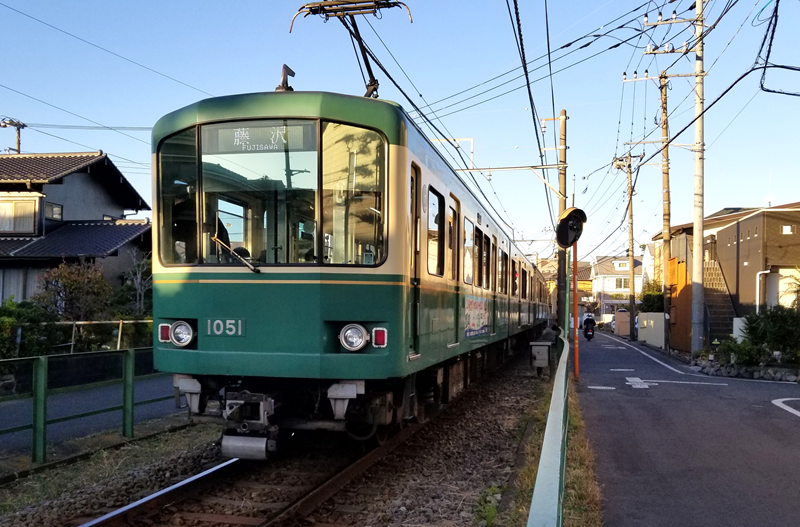
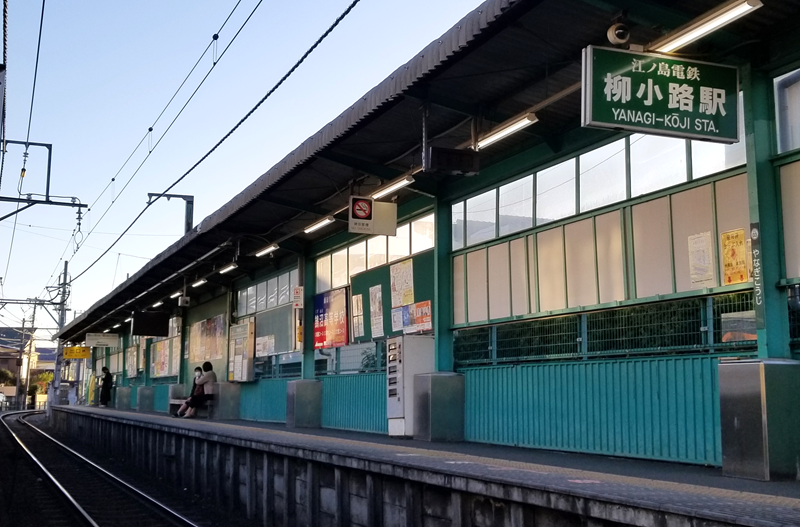
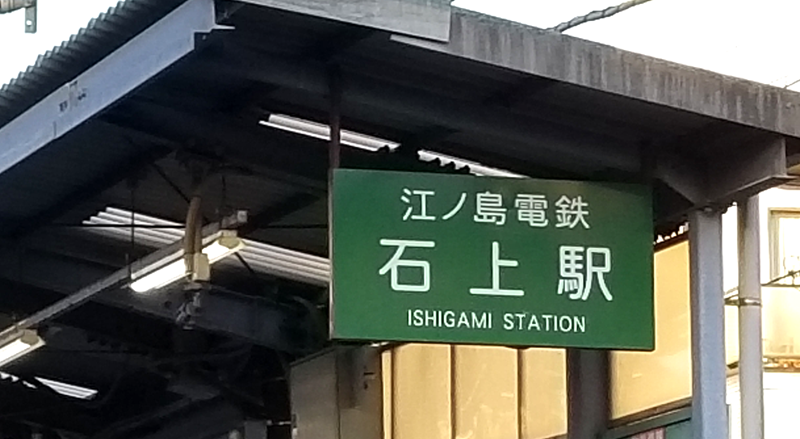
At last, we reached the final stop—Ishigami Station at 3:51 p.m., and then Fujisawa Station at 4:00 p.m.
It took about five hours to walk from Kamakura Station, but the detours and sightseeing along the way made it really enjoyable.
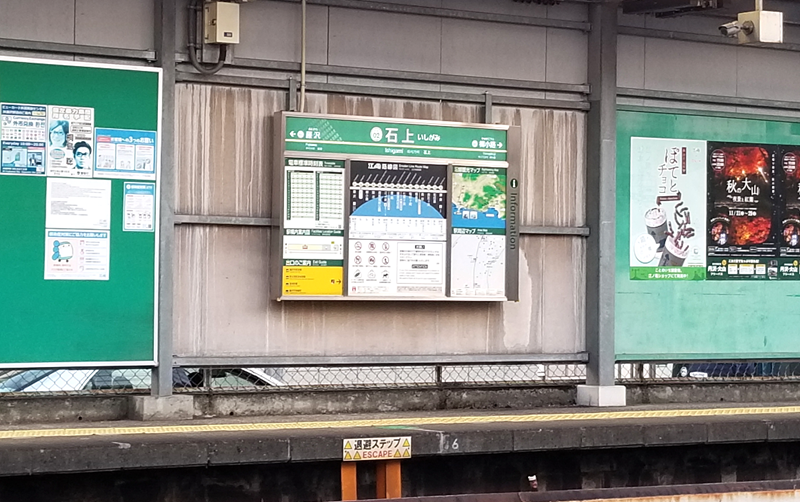
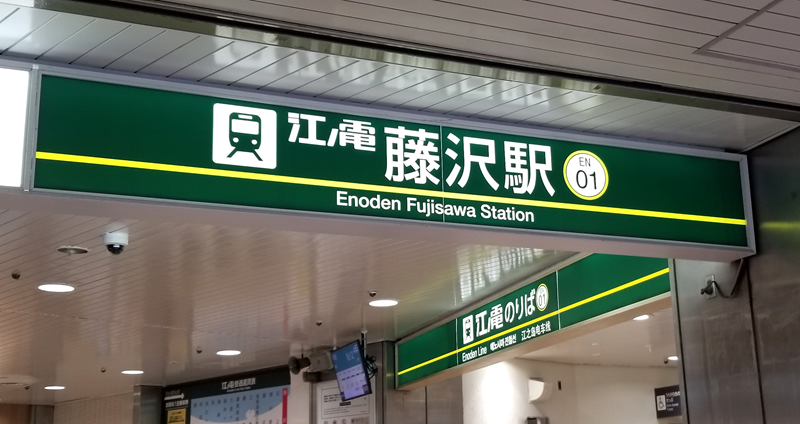
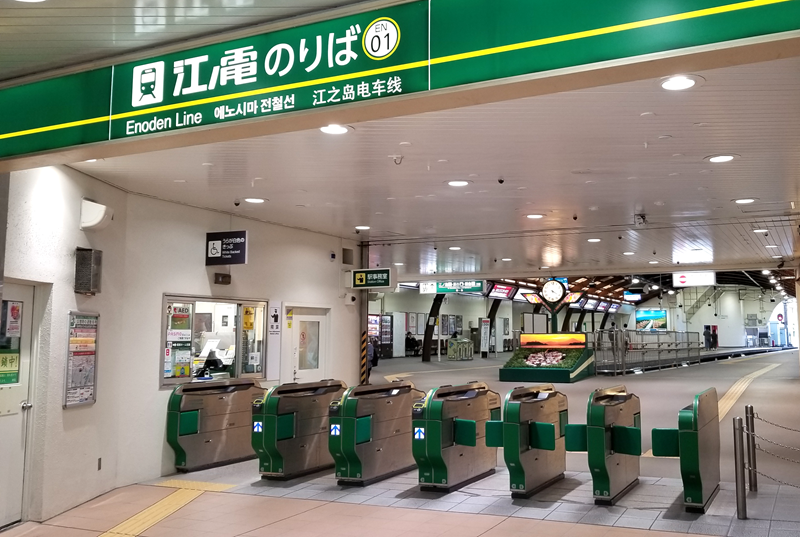
You can find Enoden goods at Kamakura and Fujisawa Stations—perfect souvenirs for kids or grandkids!
I even got myself an Enoden Tomica.
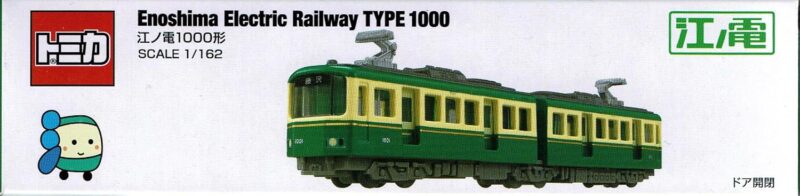
The item was purchased through your Amazon website.

Walking from Fujisawa Station to Kamakura Station (2022)
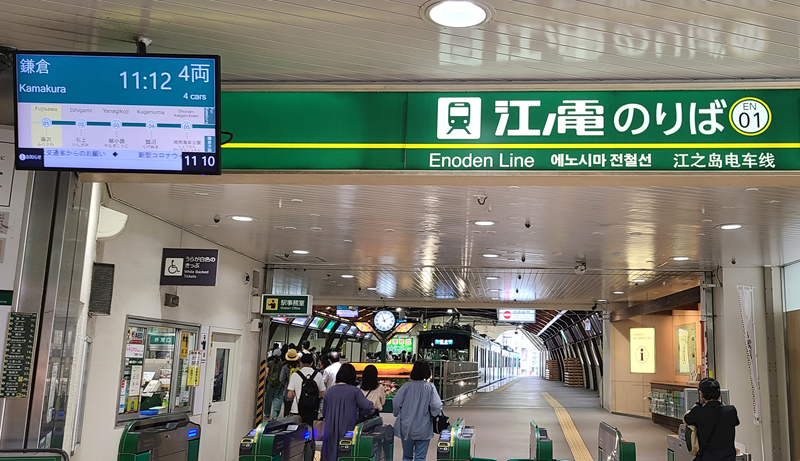
In 2022, we reversed the route from last time and started from Fujisawa Station.
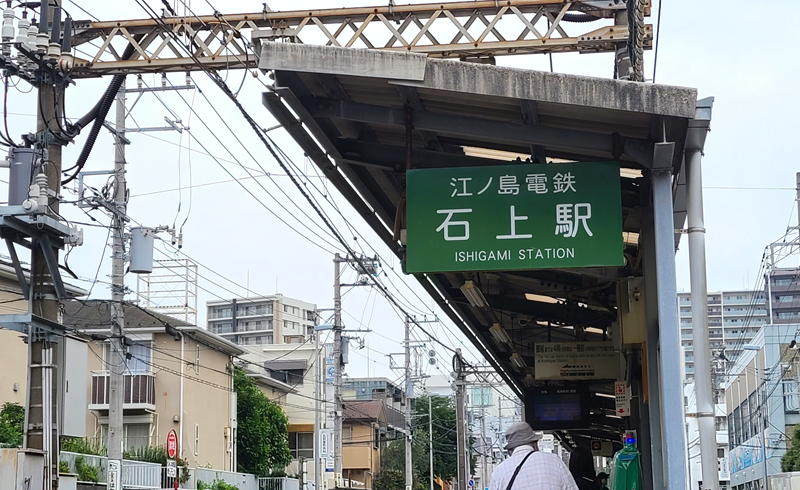
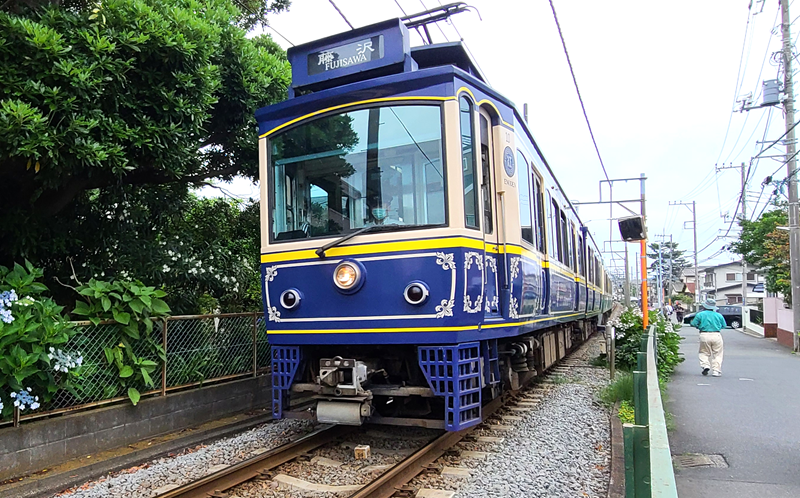
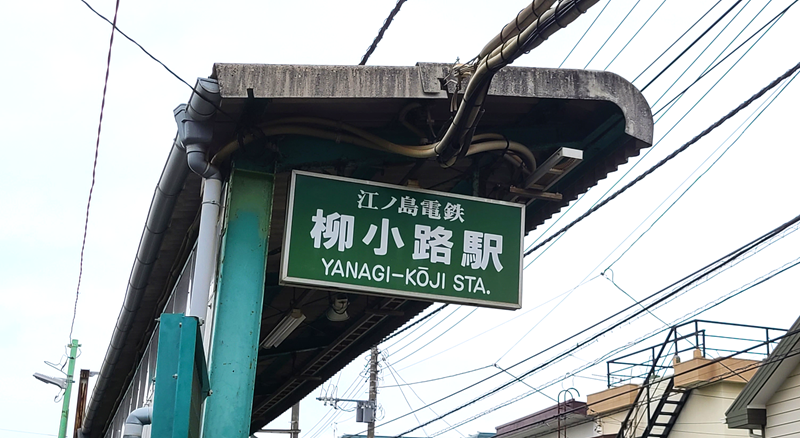
We left Fujisawa at 11:10 a.m., reached Ishigami at 11:19 a.m. and Yanagikoji at 11:33 a.m.
On the way, we spotted an Enoden Type 10 train.
Video
After leaving Kugenuma Station at 11:44 a.m., we crossed a railway bridge and arrived at Shonan-Kaigan-Koen Station.
Here’s a photo of the station from the other side, different from last time.
We reached Enoshima Station at 12:17 p.m.
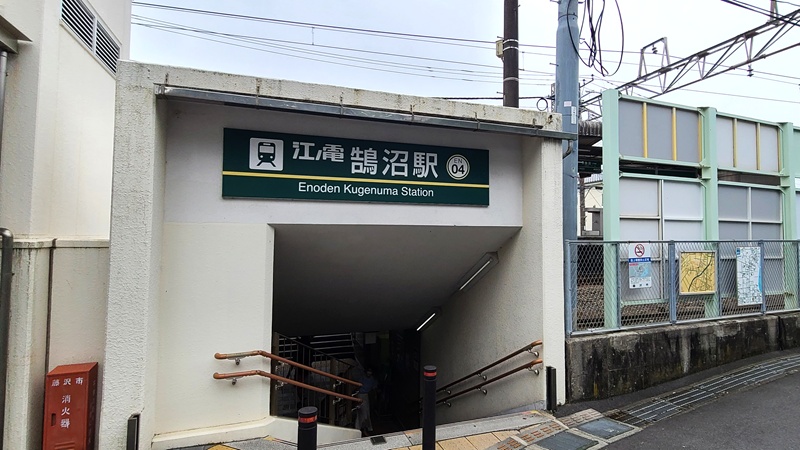
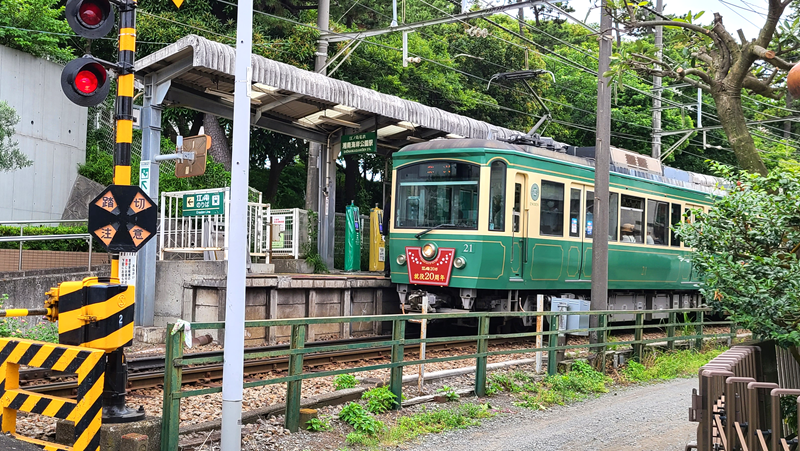
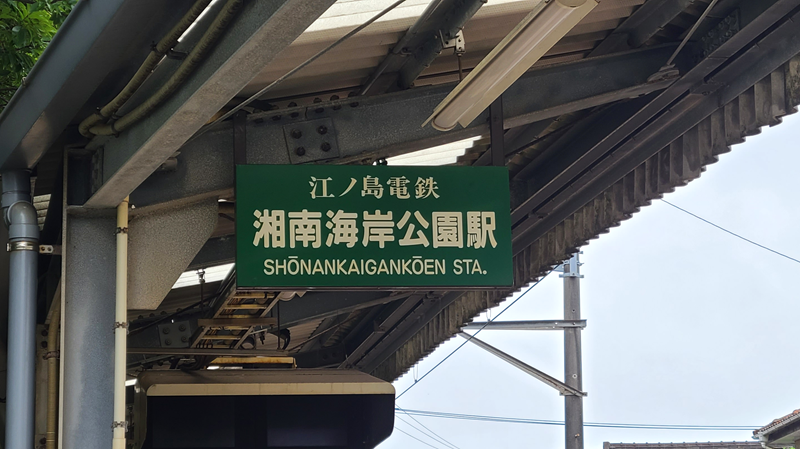
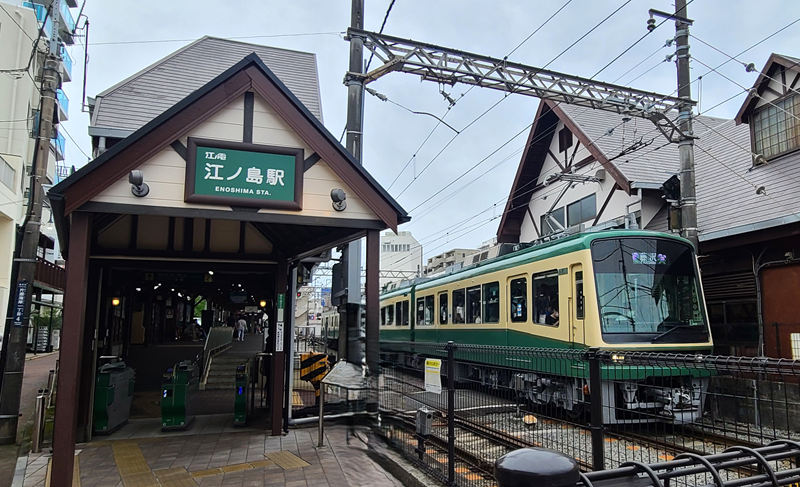
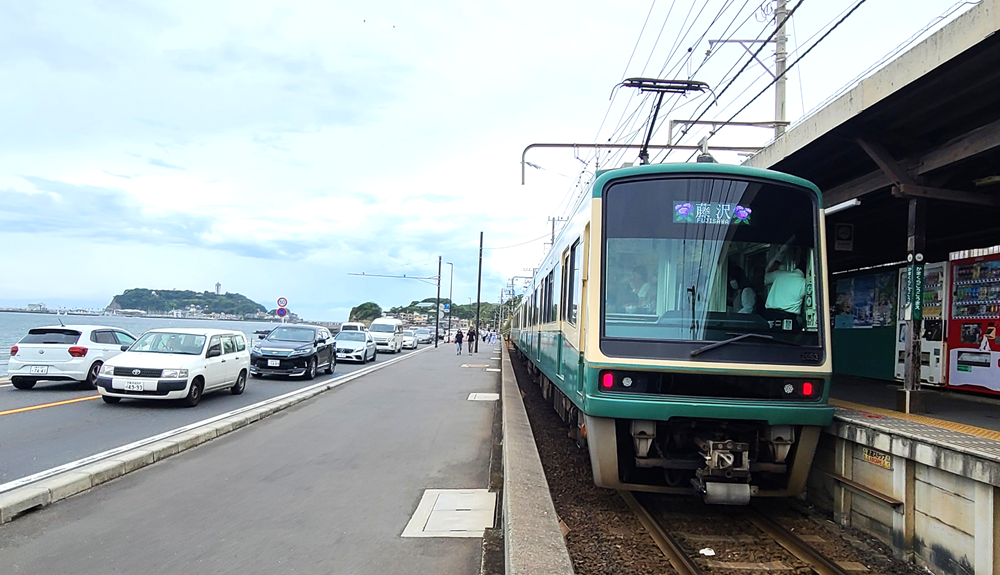
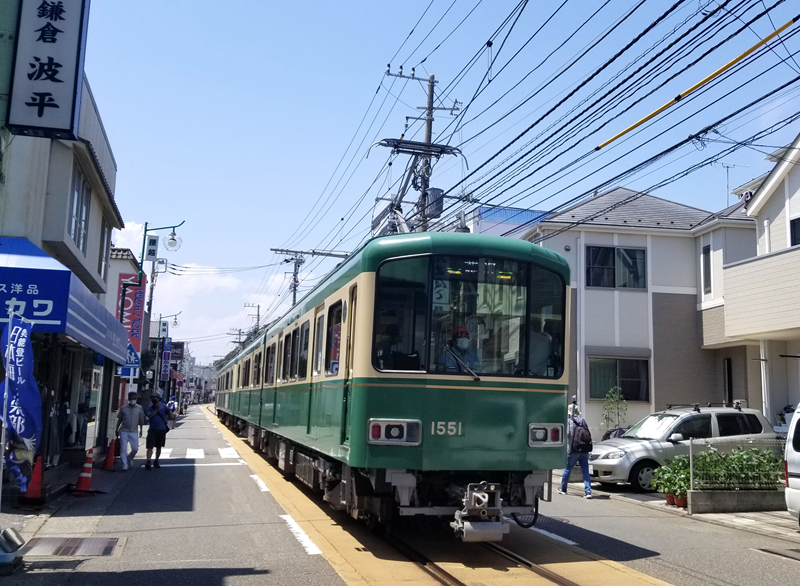
From Enoshima Station to Koshigoe Station, the Enoden runs right above the road—like a streetcar.
Cars move out of the way when the train comes.
During local festivals, like the Yoshitsune Festival and Tenno-sai, the Enoden winds its way through crowds of people—definitely a sight to see!
The Yoshitsune Festival happens in April, and the Tenno-sai Festival is in July.
After leaving Koshigoe Station at 12:26 p.m., you finally reach the coast—and the view at that moment is truly amazing.
There’s also Kozu Shrine near Koshigoe Station, so it’s worth a quick visit.義経まつりは4
After Kamakurakōkō-mae Station, we made it to Shichirigahama at 12:46 p.m. and Inamuragasaki at 1:01 p.m.
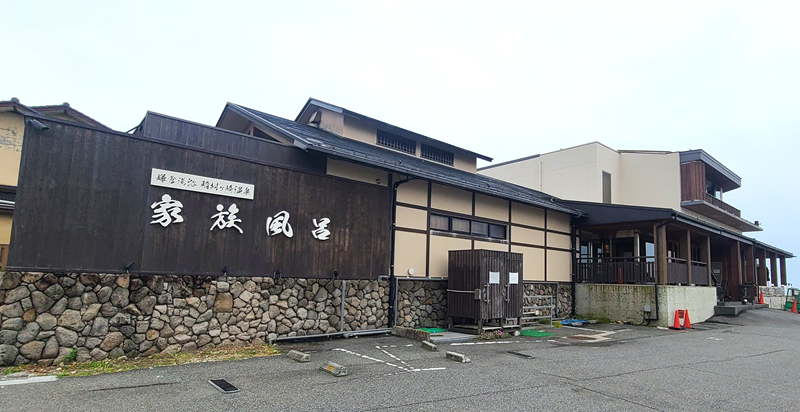
We stopped at Inamuragasaki Onsen nearby. The bath had an amazing view of Mount Fuji, and it felt so refreshing! (No photos of the bath, of course.) 👉 稲村ケ崎温泉
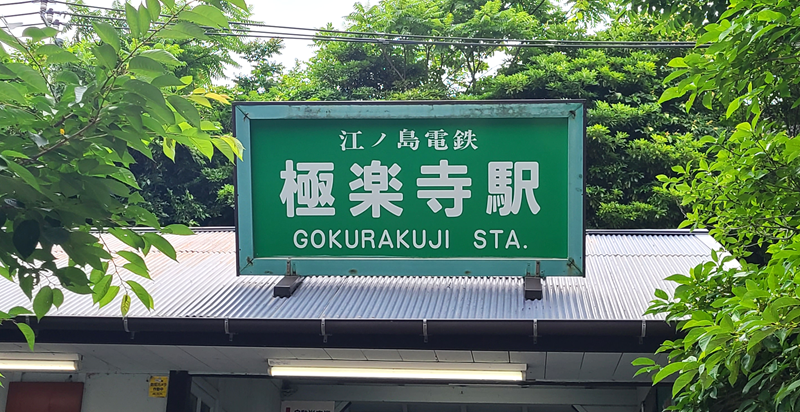
Feeling recharged and enjoying a beer, we headed toward Kamakura, arriving at Gokurakuji Station at 1:59 p.m.
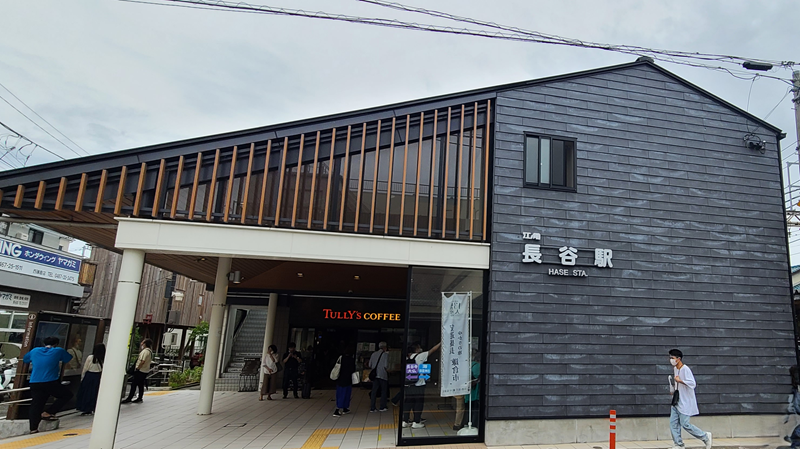
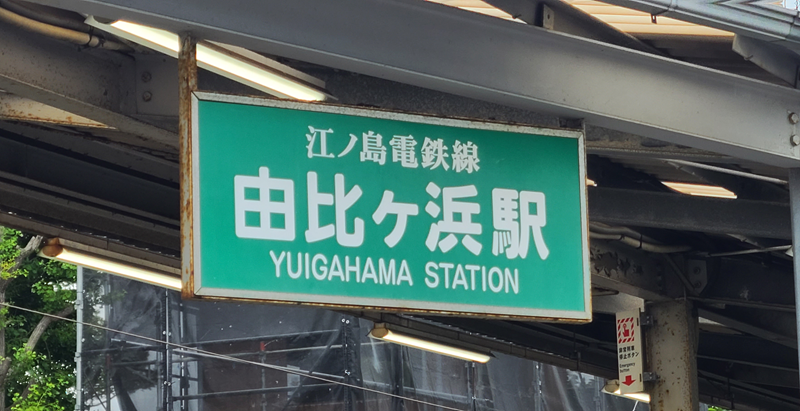
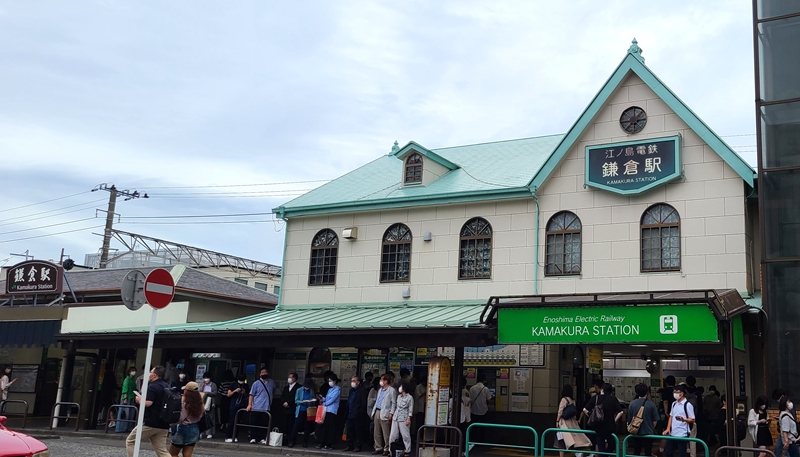
After going up and down the slopes near Gokurakuji, we made it to Hase Station at 2:12 p.m., Yuigahama Station at 2:22 p.m., and Wada-zuka Station at 2:30 p.m., arriving at Kamakura Station at 2:39 p.m.
The walk took about 3.5 hours in total (around 2.5 hours if you skip the hot spring).
What did you think?
Walking from Kamakura or Fujisawa gives you different views along the way, so both routes are really fun.
It’s a unique and enjoyable way to explore Japan!
【PR】Local Focus is a series of guidebooks featuring the charming towns of Japan and highlights their unique natural environments and one-of-a-kind cultures and communities. It is a convenient and handy all-in-one English guidebook to make non-Japanese possible to explore Japan more efficiently and meaningfully as if they had a local guide with them.
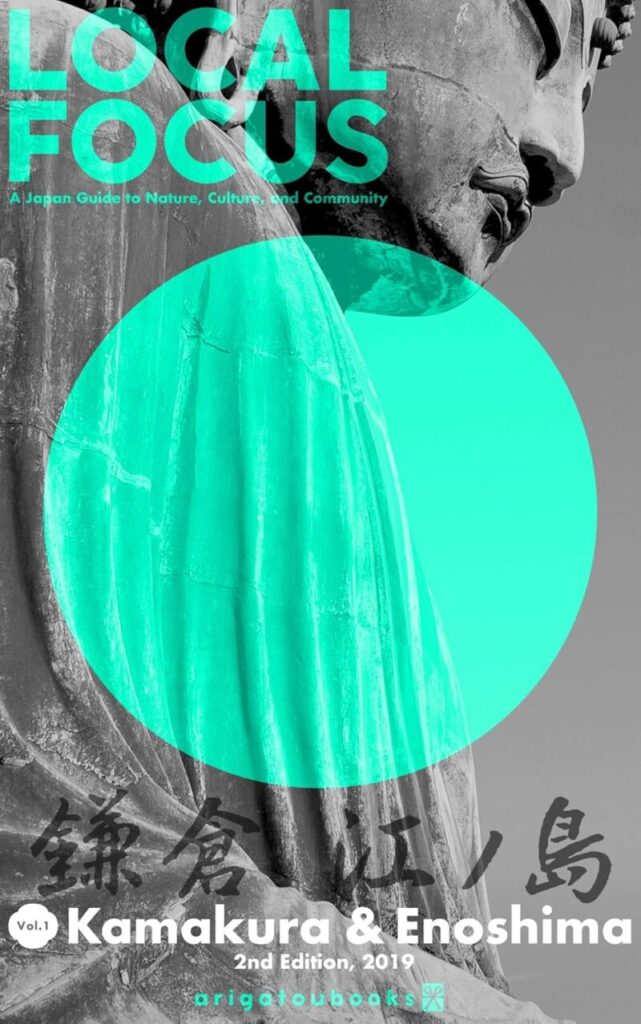
The item was purchased through your Amazon website.

コメント