Event Schedule
May 5, from 1:00 PM
The ending time varies by year, but it’s usually sometime after 2:30 PM, around 3:00 PM.
Free to observe
When I visited in 2020, I arrived at Kamakura-gū Shrine a little after noon.
The archers were practicing at that time.
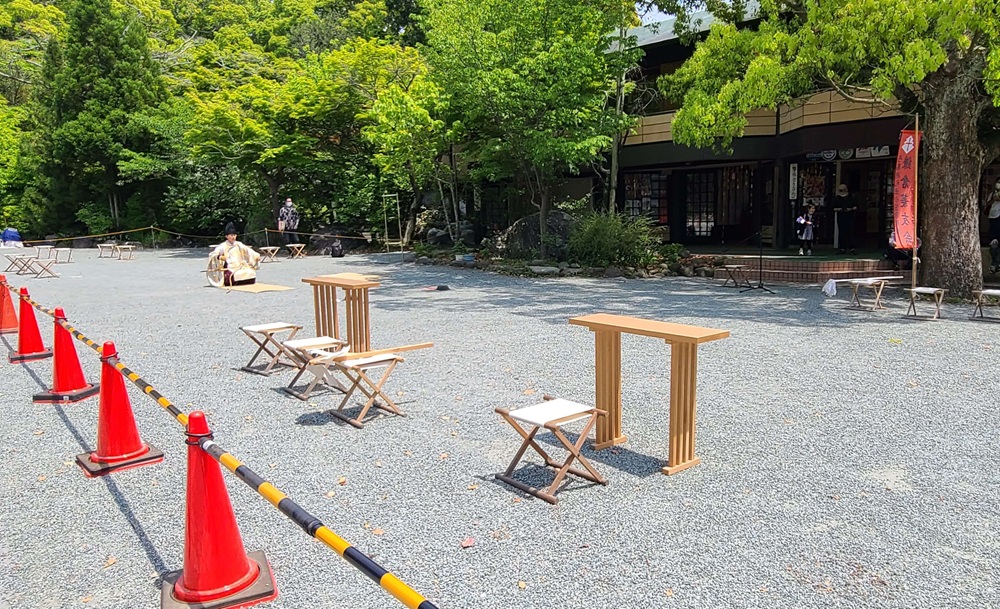
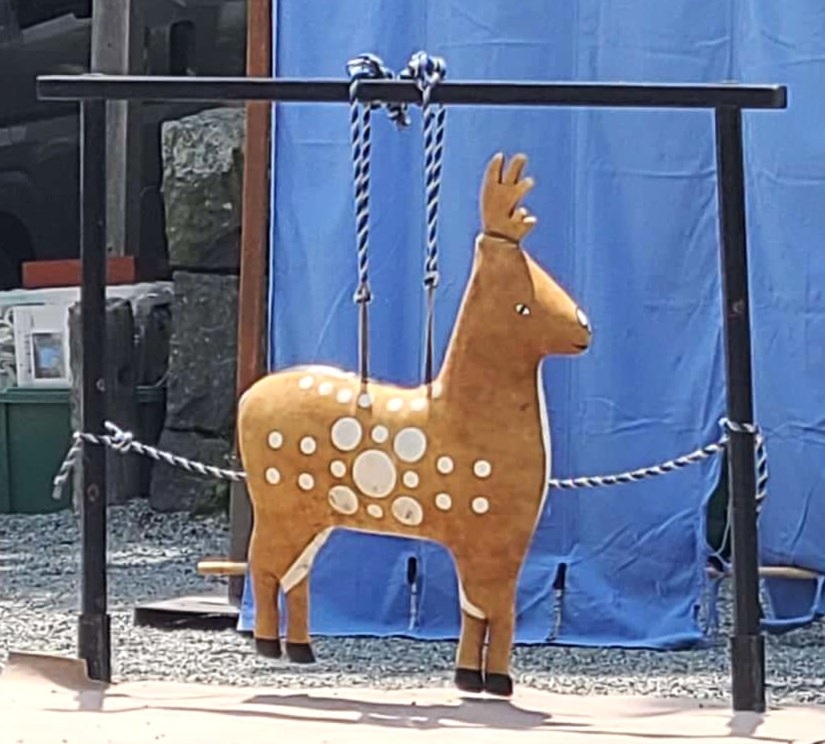
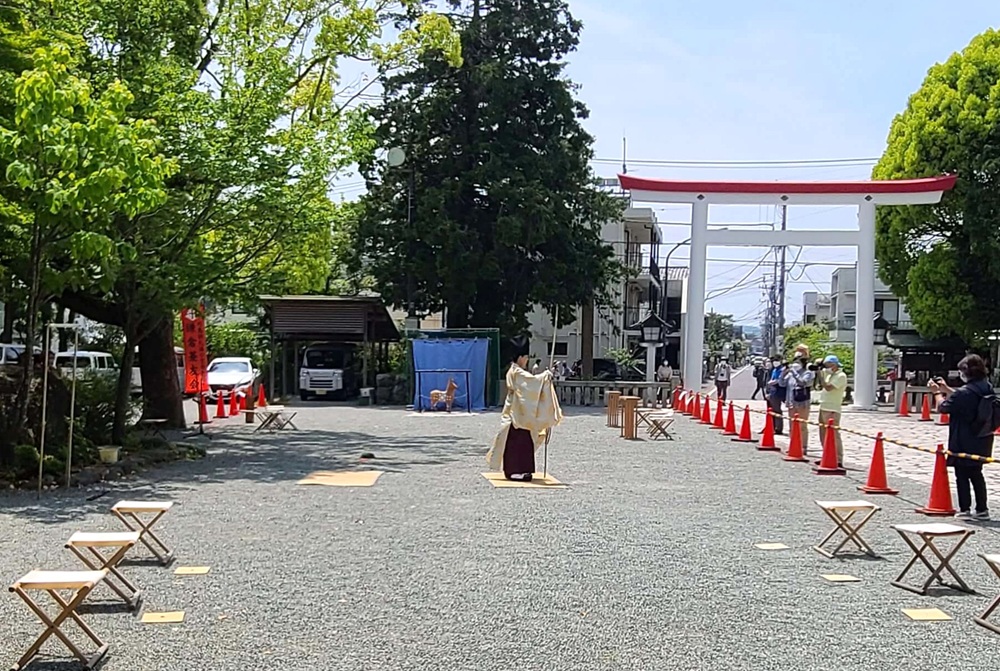
Just before 1:00 PM, the Kusajishi (Grass Deer) ritual begins with the sound of a conch shell.
In 2022, it started at around 12:50 PM.
First, a Shinto ritual is held at the main shrine, lasting around 10 minutes.
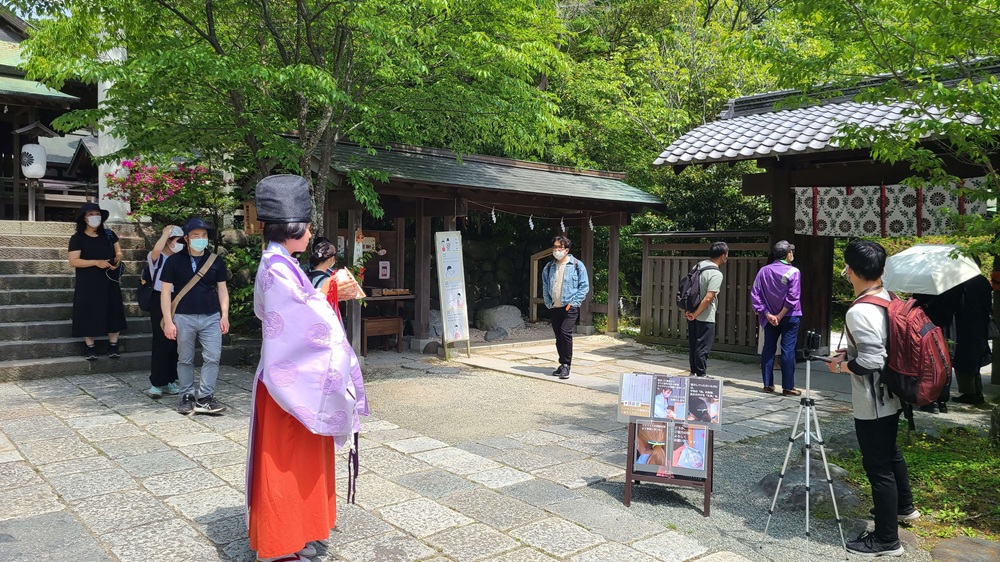
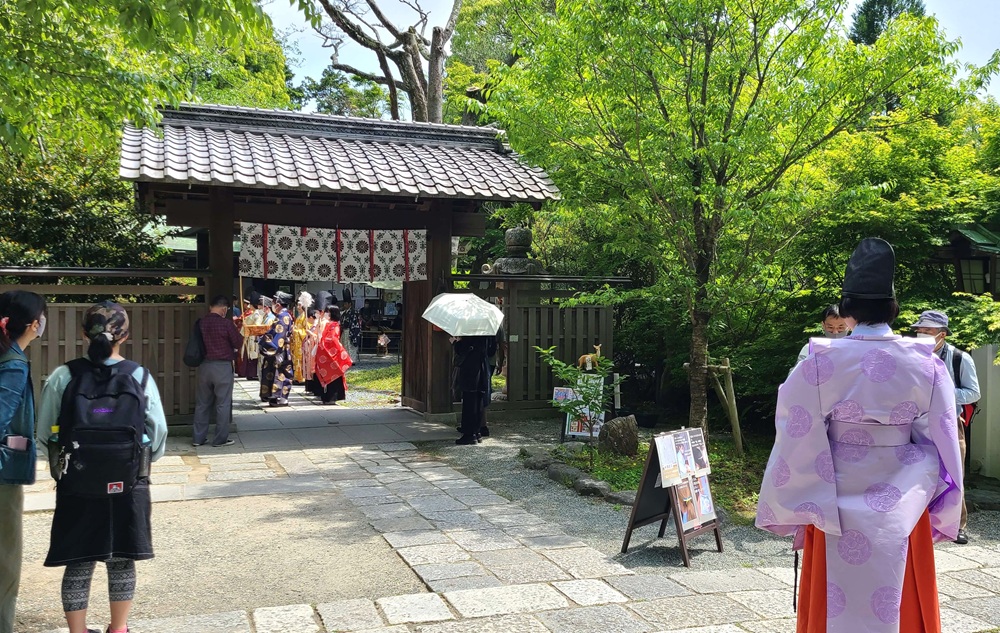
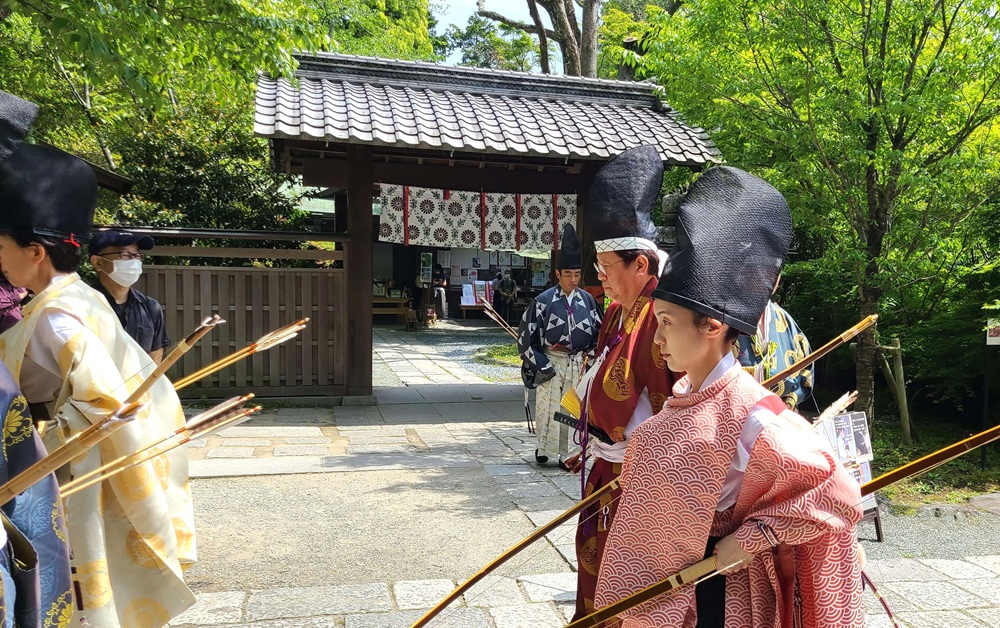
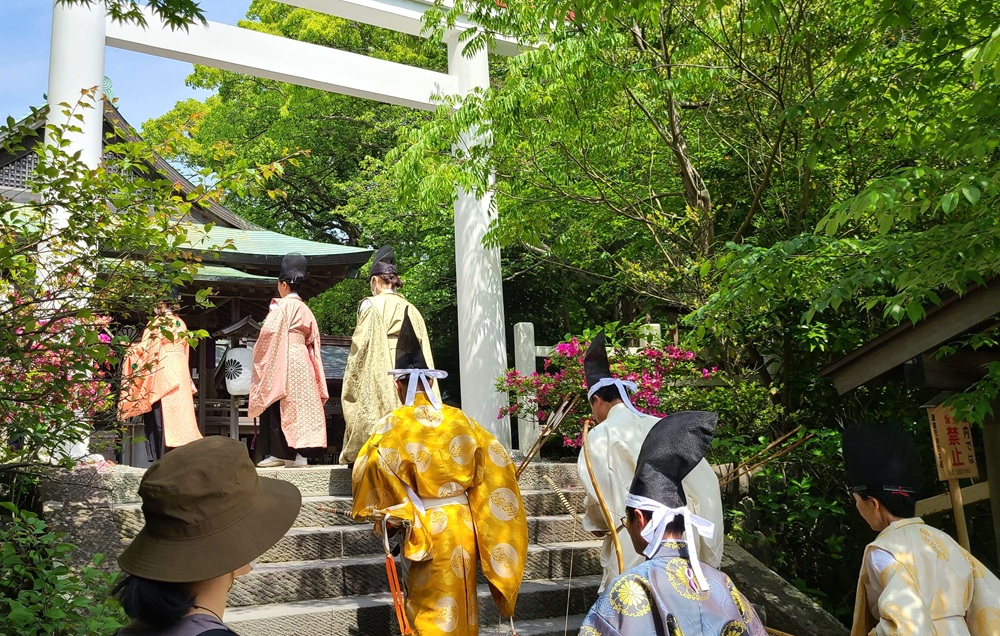
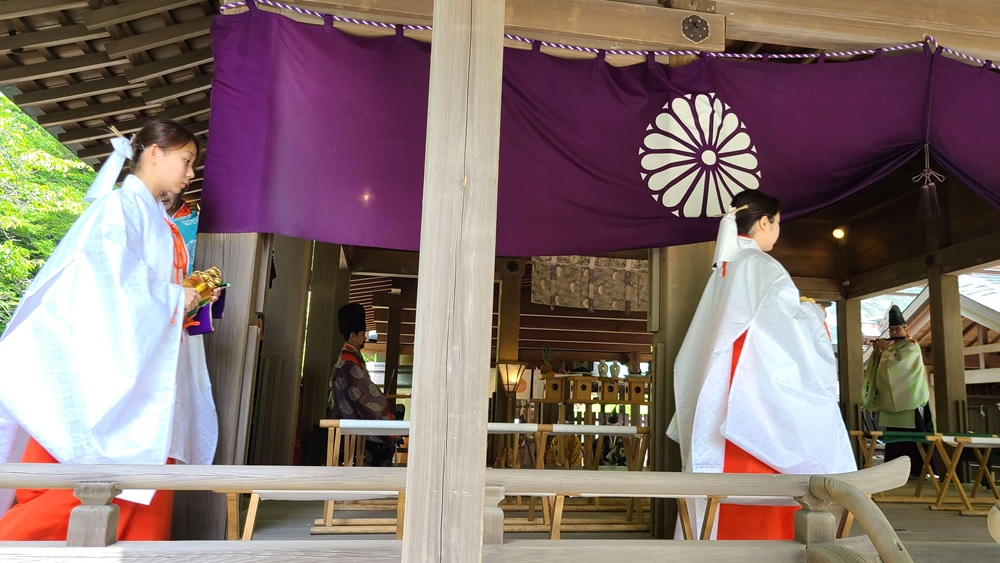
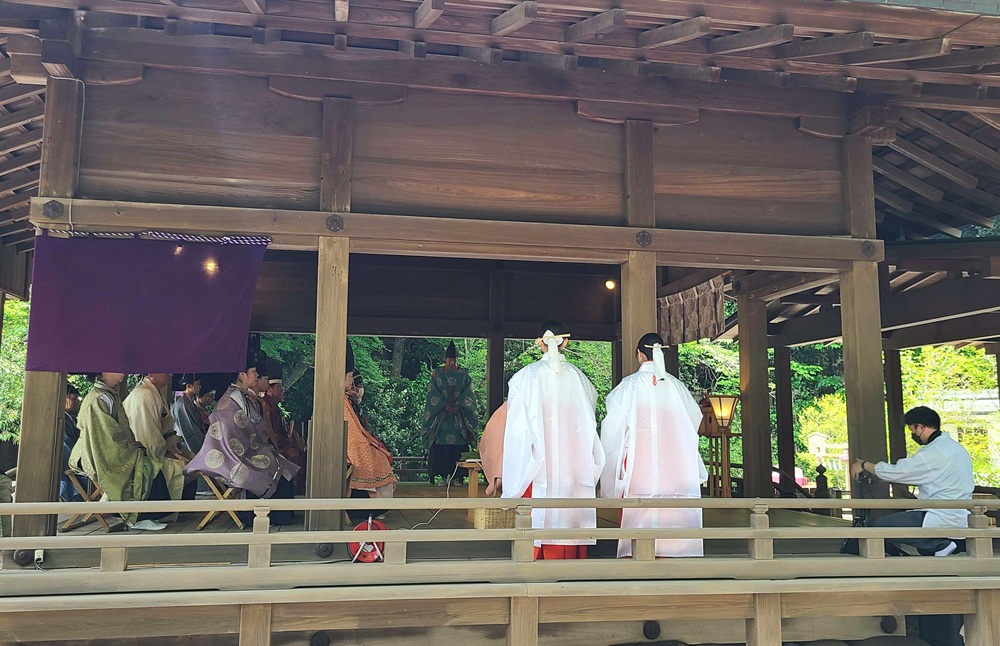
After the ritual at the main shrine, the event begins.
Before the start, the Mato-bugyō (the official in charge of the targets) recites an oath to the gods of heaven and earth, pledging to judge fairly and without bias.
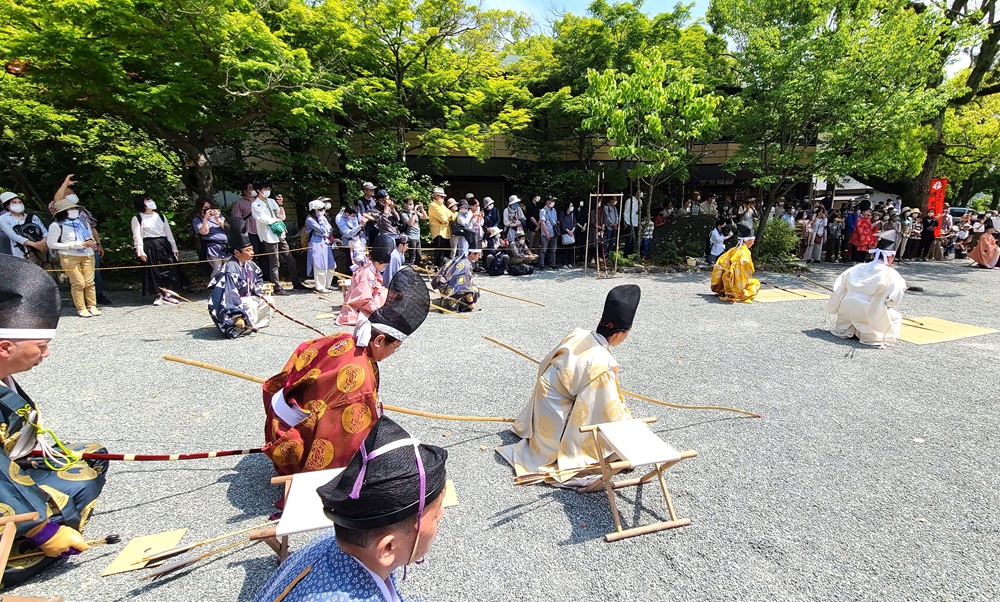
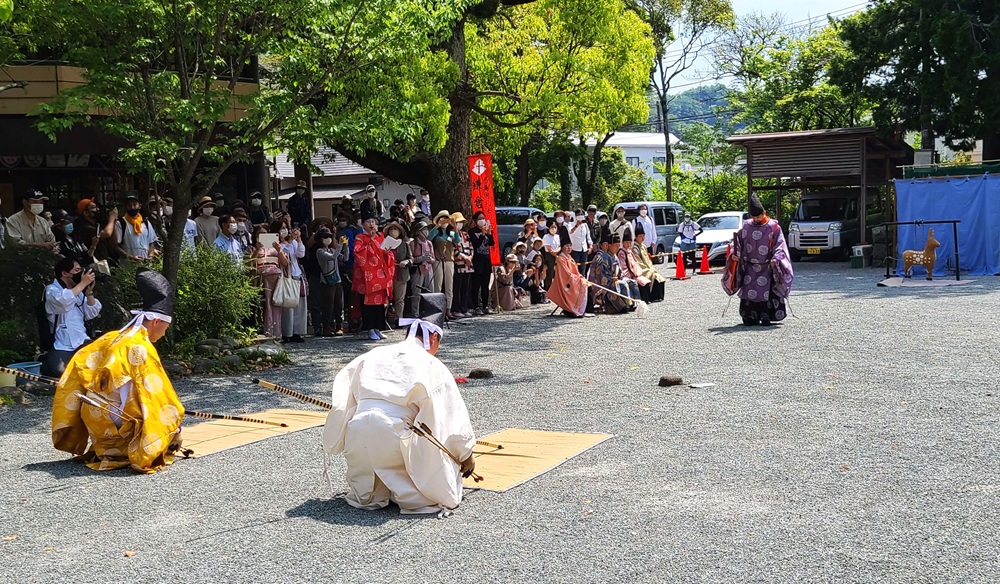
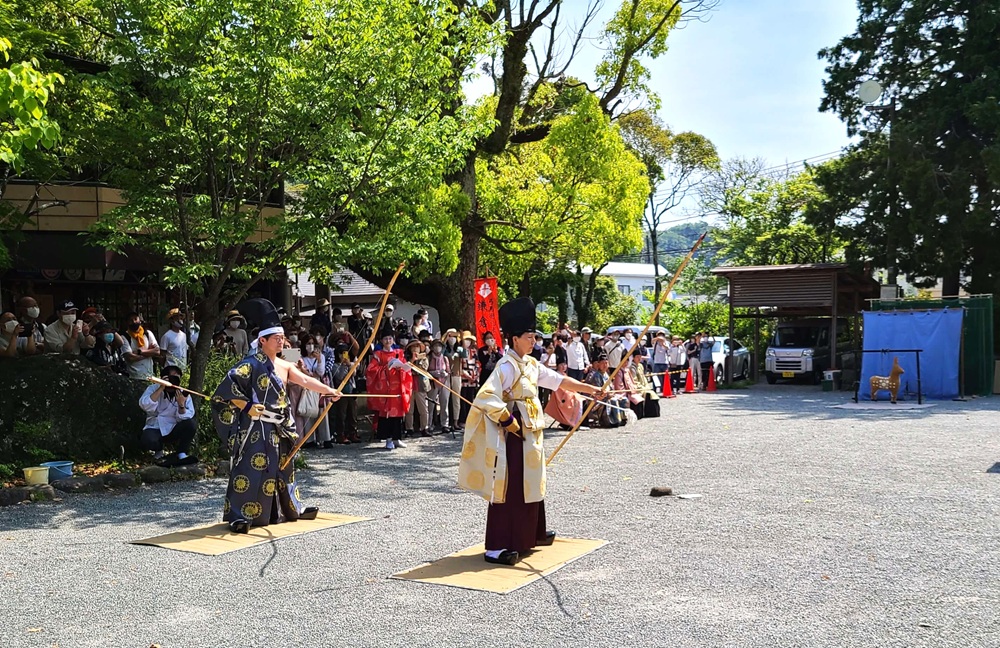
After that, the first group of archers takes their turn.
13:28 2022y
Then the second group follows.
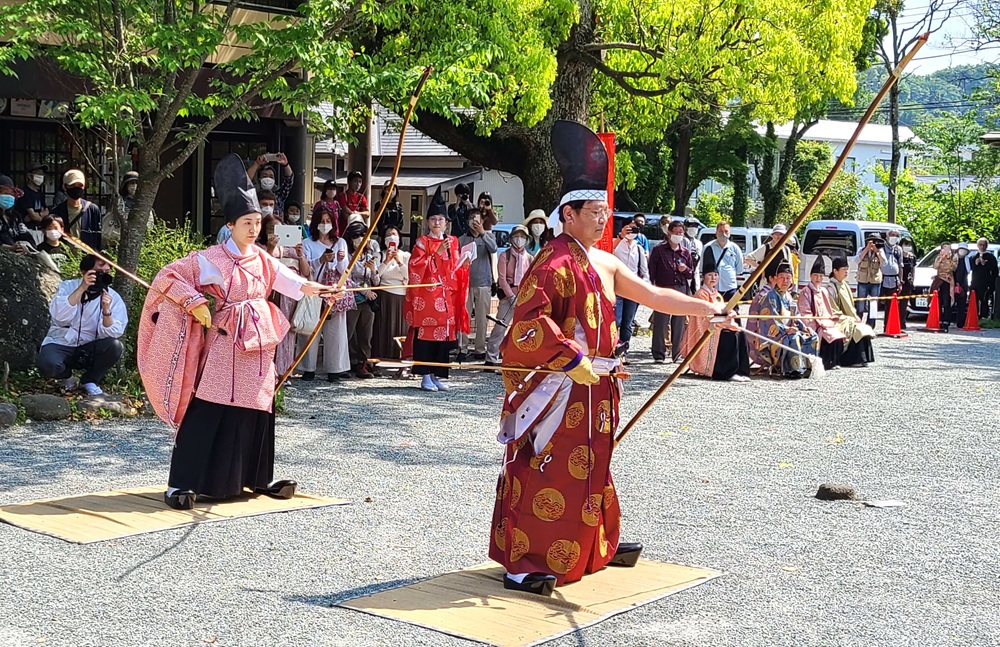
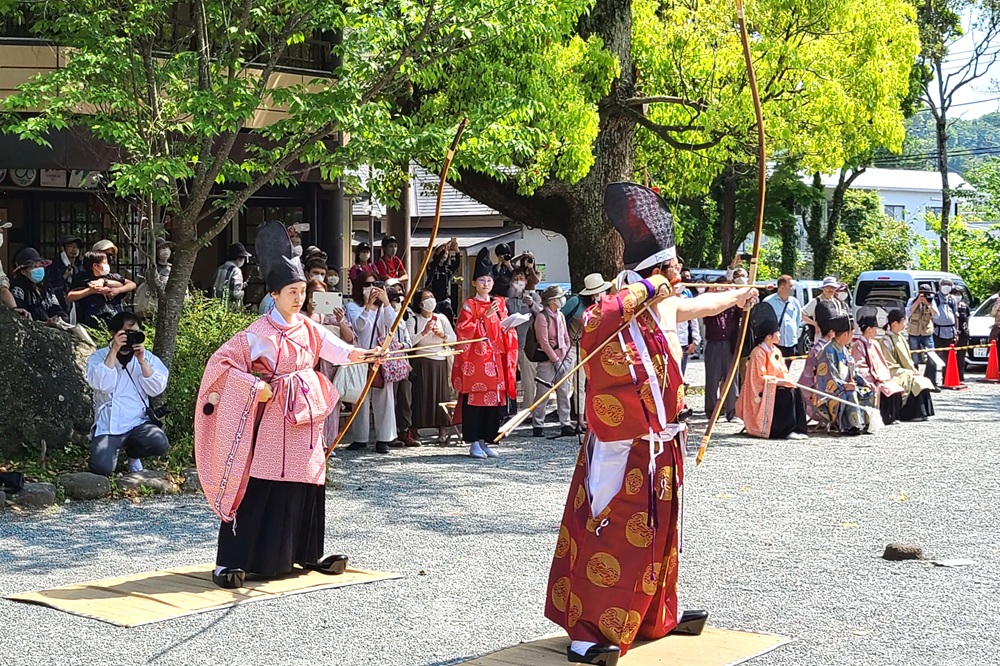
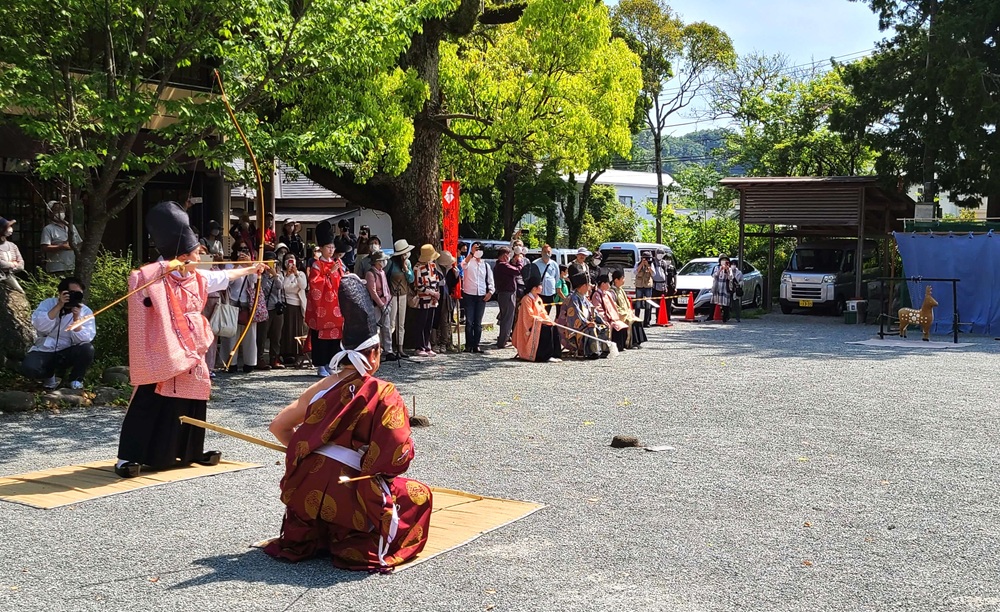
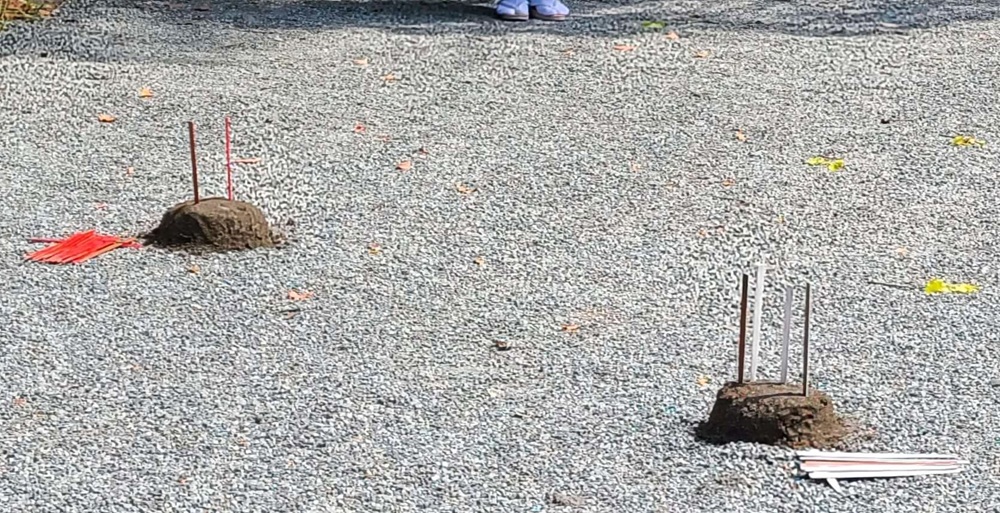
The Yami observes the point of impact, the arrow’s flight, and how it falls to determine the result.
The number of successful hits is indicated by placing arrows to mark the count.
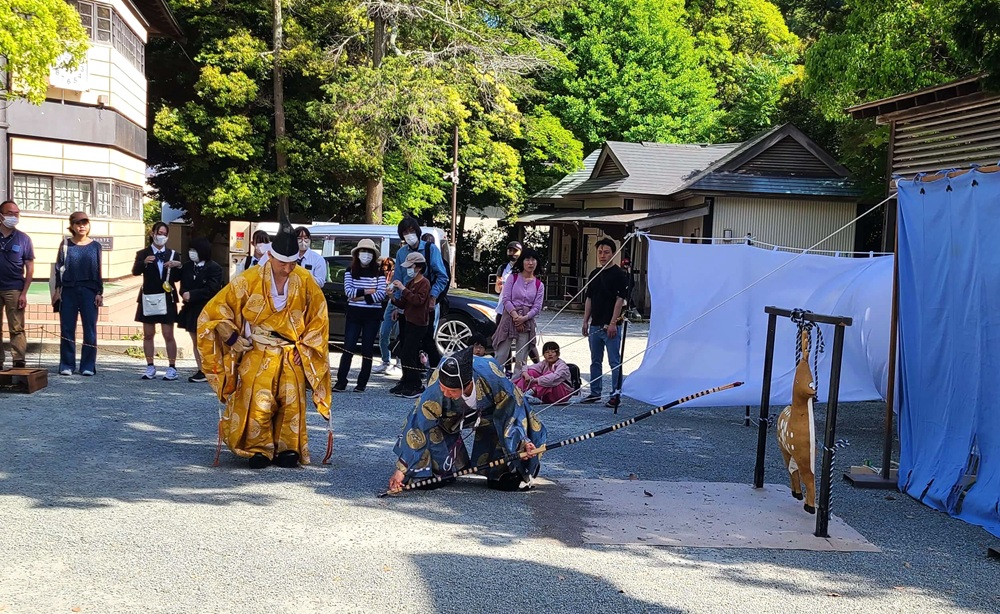
After the four archers in each group compete for points, the captain of each group appears at the end.
If the winner cannot be decided in the regular round, a captain’s match is held, and a hit by the captain counts as two points.
The captain of the winning group is awarded shōbu (iris) as a prize.
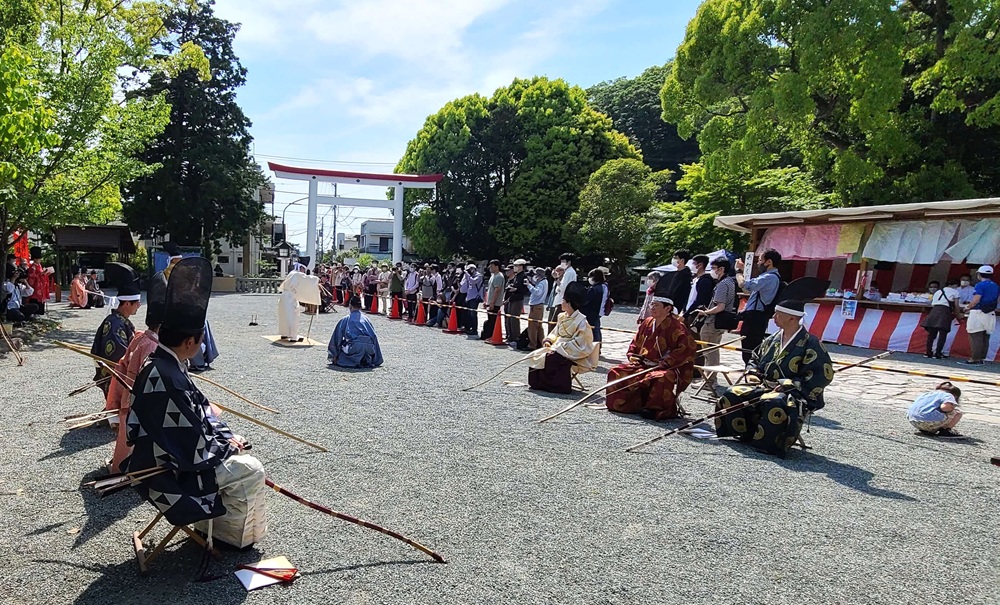
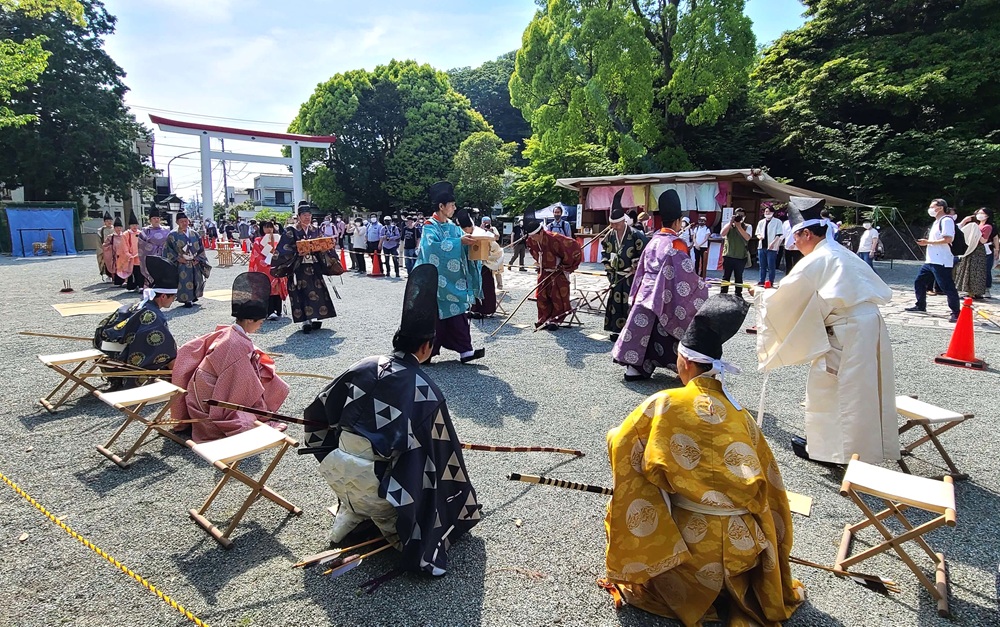
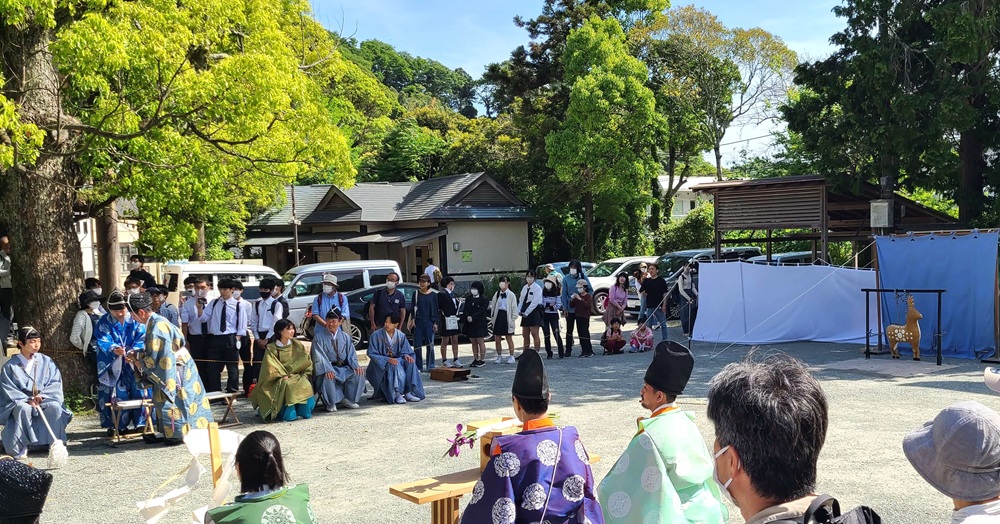
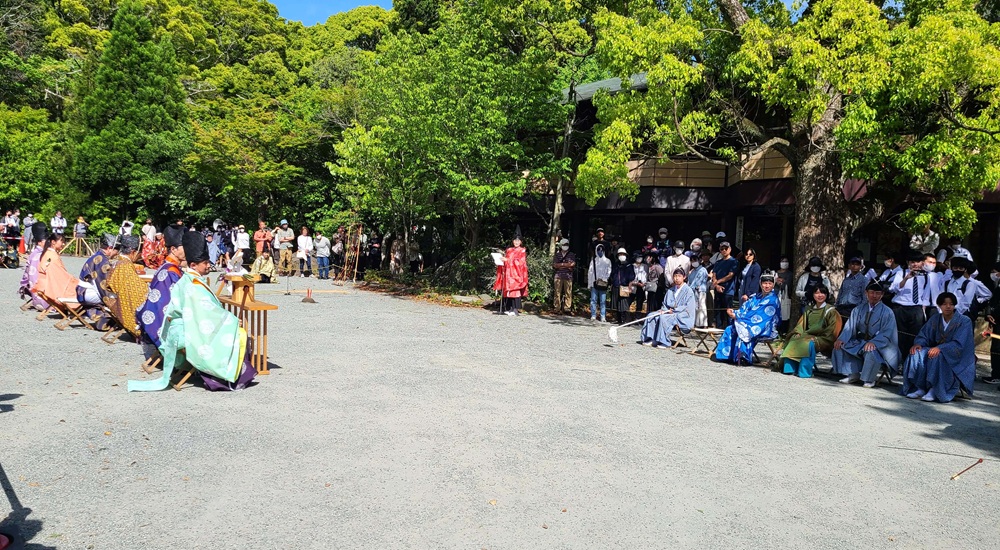
In 2022, it seemed to end around 2:30 PM, and in 2023, around 3:00 PM.
Even though it’s May, it was quite hot at that time of year. Standing and watching the entire event can be tiring, so I think it’s important to stay hydrated and take breaks by sitting down in a spot a little away from the crowd.
You might want to use a parasol, but umbrellas can get in the way of other spectators, so it’s best to avoid them.
The event could be seen clearly even from a fairly distant spot.
👉Kusajishi-shinji 「Kamakura City Tourist Association(Japanease only)」
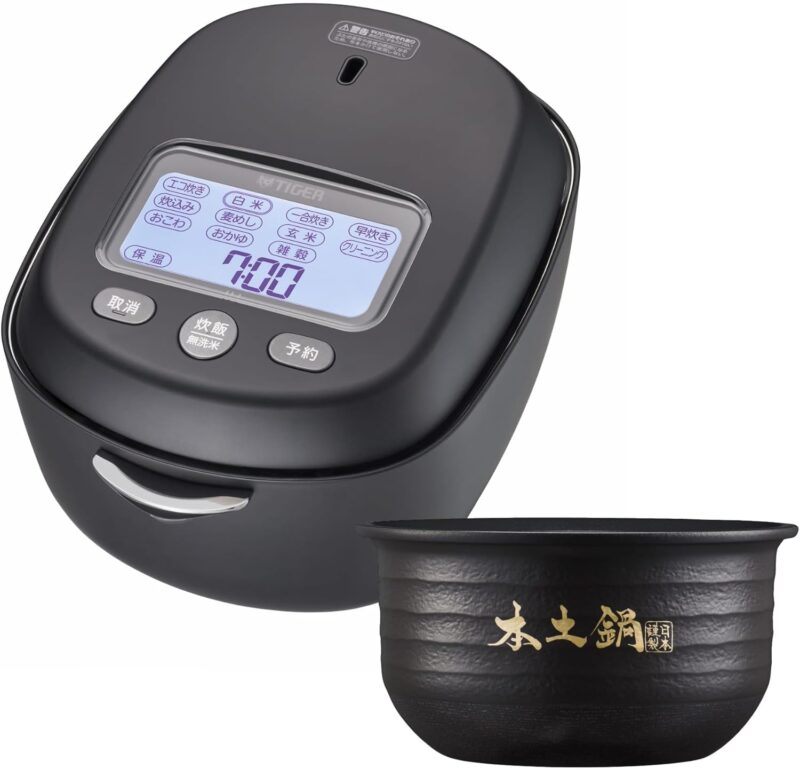
【PR】[Tiger Corporation Official Shop Exclusive]
Tiger (TIGER) Rice Cooker, 3.5-Cup Capacity, Earthenware Pot Pressure IH Type (Top-of-the-Line Model), Made in Japan
“Donabe Gohōbi-daki” (Earthenware Pot Foamy Fire Cooking)
Eco-Friendly Packaging
Black (JRX-S060K)
Visit the Tiger (TIGER) Store
[Authentic Earthenware Pot]
Uses the traditional craft of “Yokkaichi Banko-yaki” from Yokkaichi City, Mie Prefecture. Carefully selected clay is fired at a high temperature of around 1,250°C, going through a unique “triple firing” process at different temperatures. This labor-intensive process takes about three months to complete.
The rice cooker features a specially developed glaze that enhances far-infrared effects, combined with a heat-retaining element that efficiently transfers heat to the rice, bringing out its natural sweetness and giving each grain a perfect, distinct texture.
The item was purchased through your Amazon website.

Kusajishi
In 1194 (Kenkyū 5), when Minamoto no Yoritomo and other Minamoto warriors held a hunting event at the foothills of Mount Fuji, their retainers often missed the deer they aimed at.
They asked an experienced elder samurai for advice on practicing archery, and it is said that he taught them to make deer shapes by bundling grass and use them for training. This is considered the origin of this ritual.
Originally practiced as mounted archery, it came to be performed as foot archery in the early modern period.
Kusajishi (Grass Deer) Archery Ritual – Overview
Competition Format:
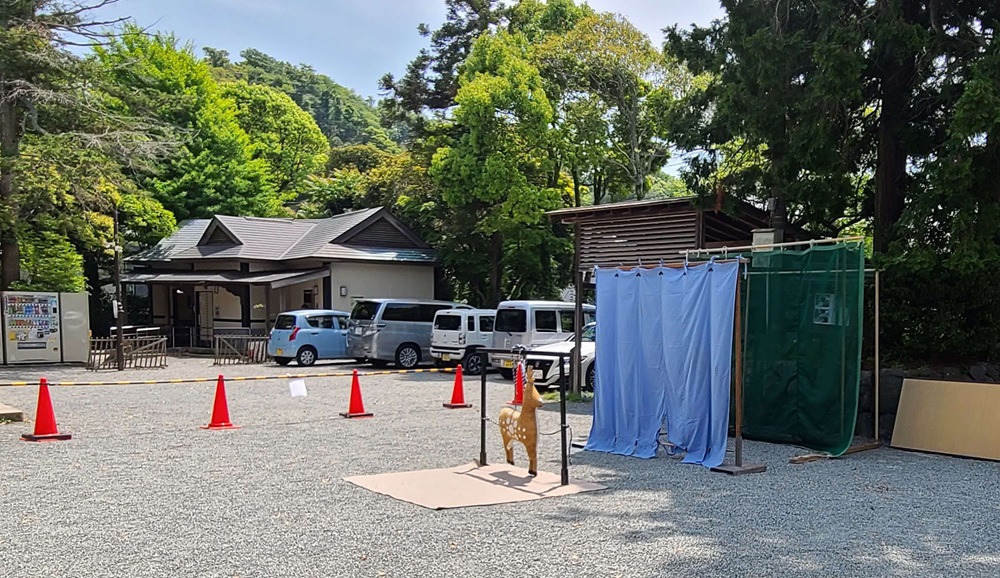
Archers are divided into two groups (Maeyumi – Front Bow, Atoyumi – Rear Bow) and compete by shooting at deer-shaped leather targets. The number of hits generally determines the winner.
Attire and Procedure:
Archers wear traditional ceremonial clothing (eboshi headdress and hitatare robe). The judge (Mato Bugyō) evaluates not only hits, but also posture, bow and arrow sound, arrow flight, landing position, and trajectory. During the event, formal questions and answers in classical language (sōrō) are conducted.
Targets and Arrows:
Target: Deer-shaped leather
Arrow: Wooden ceremonial arrow (Jintōya) with a rounded tip that does not pierce
Roles:
Mato Bugyō (Judge): Swears an oath to the gods before the event, promising fair judgment.
Yami (Arrow Observer): Checks hits, arrow flight, and landing.
Archer: Shoots according to proper form and procedure.
A proper shot with correct form is marked as a “hit” by a signal (sai).
Even if the arrow misses, excellent form, bow sound, and arrow flight can still earn a hit.
Archers may question the judge, but the final decision is always respected.
Unique Features:
The ritual includes detailed rules about how arrows land and their trajectory. Captains and judges engage in precise questioning, and archers must accurately report where the arrow hit to have it counted.
Scoring:
The total number of successful arrows determines the winning group.
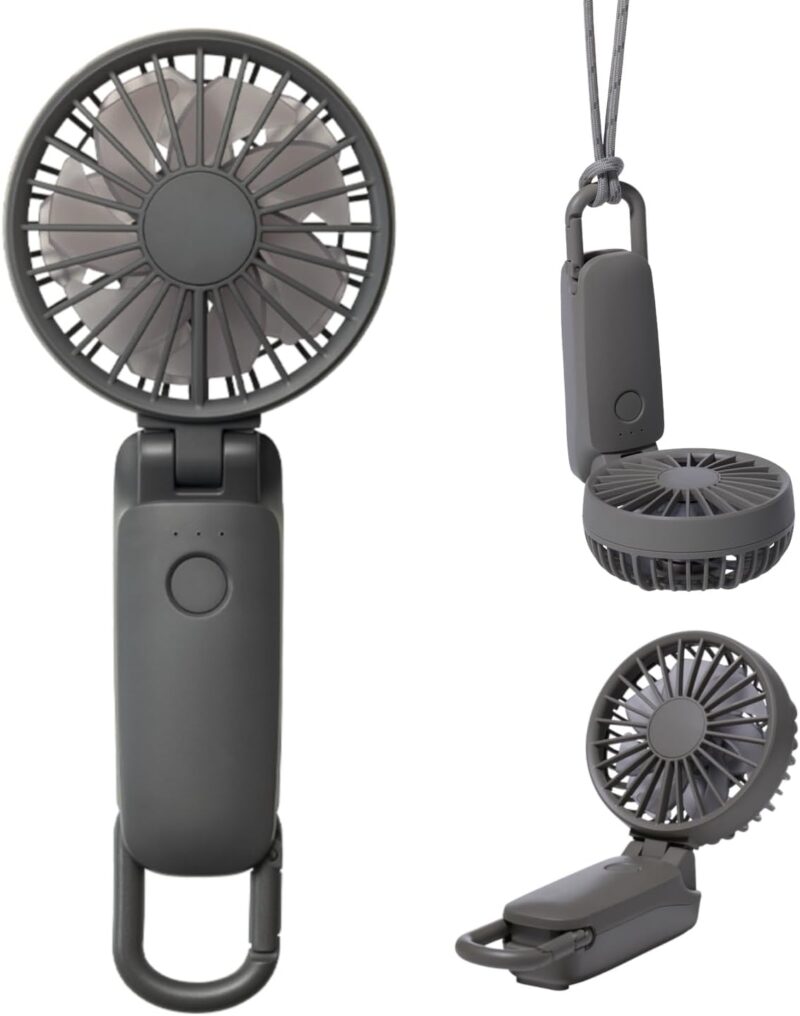
【PR】Looks like it’s going to be a hot summer again! Neck fans are tempting, but they can still feel a bit big.
I’d recommend a portable fan you can hang around your neck. When you walk, hold a parasol for shade and let the fan blow on your face—it works together with the parasol and can make you feel a lot cooler. Probably by a couple of degrees!

The item was purchased through your Amazon website.

Kamakura-gu
Deity of the Shrine: Prince Morinaga (Ōtō-no-miya)
Prince Morinaga was a key figure in the anti-shogunate movement during the Nanboku-chō period. He entered the Buddhist clergy at a young age, serving as the Tendai Chief Abbot at Mount Hiei’s Enryaku-ji Temple, while also supporting Emperor Go-Daigo’s efforts to overthrow the Kamakura Shogunate.
After the fall of the Kamakura Shogunate, Prince Morinaga was entrusted with important positions due to his military achievements. However, amid political turmoil, he came into conflict with Ashikaga Takauji and was imprisoned in Nikaidō, Kamakura. On the 23rd day of the 7th month in Kenmu 2 (1335), he is said to have met an untimely death at Kamakura-gū at the age of 28.
Later, Emperor Meiji deeply recognized Prince Morinaga’s dedication and tragic fate. In Meiji 2 (1869), a new shrine was established in his honor, officially designated as Kamakura-gū. In Meiji 6 (1873), the emperor paid a formal visit, and the shrine was elevated to the status of a Kanpei-chūsha, receiving national recognition and reverence.
👉 Other Festival at Kamakura-gu blog
アクセス
Address: 154 Nikaidō, Kamakura City, Kanagawa Prefecture
Take the Keikyu Bus bound for Kamakura-gū from JR Kamakura Station and get off at the last stop—right in front of the shrine.
By bus: 7–8 minutes
コメント