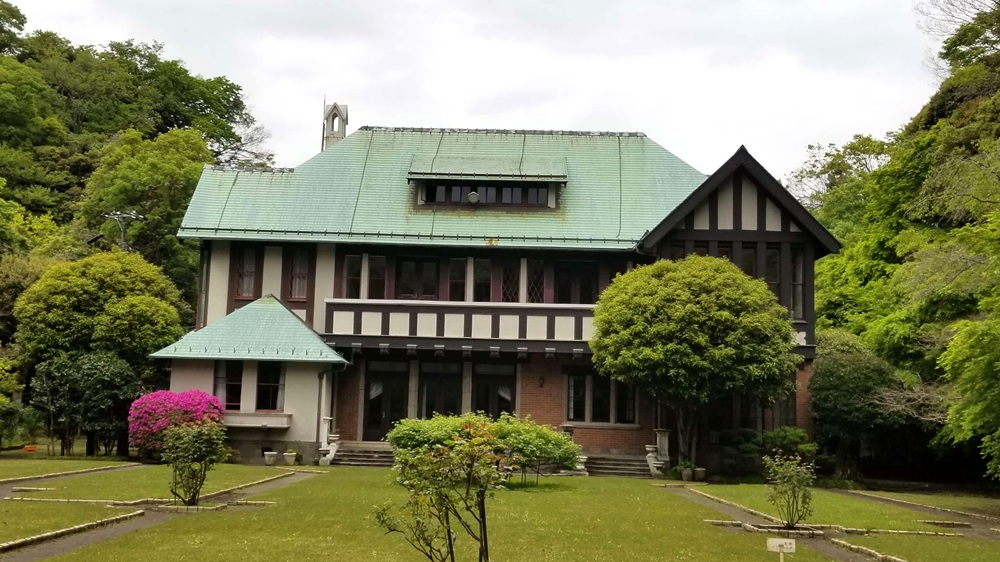
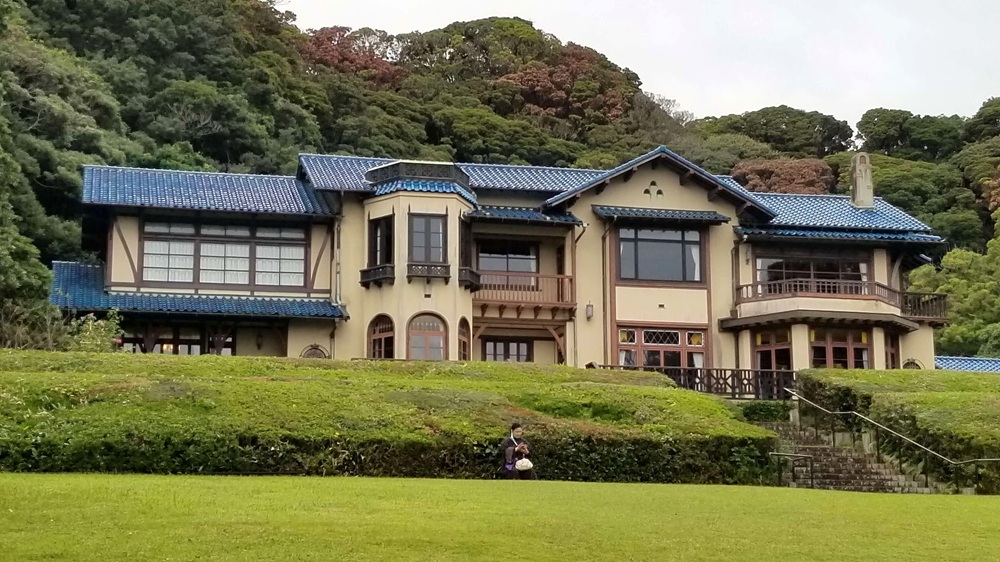
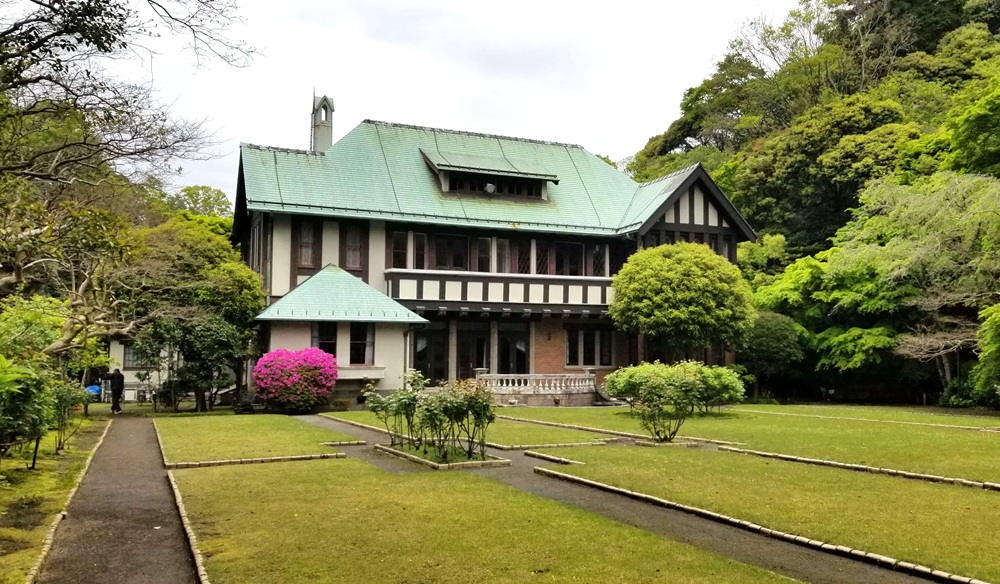
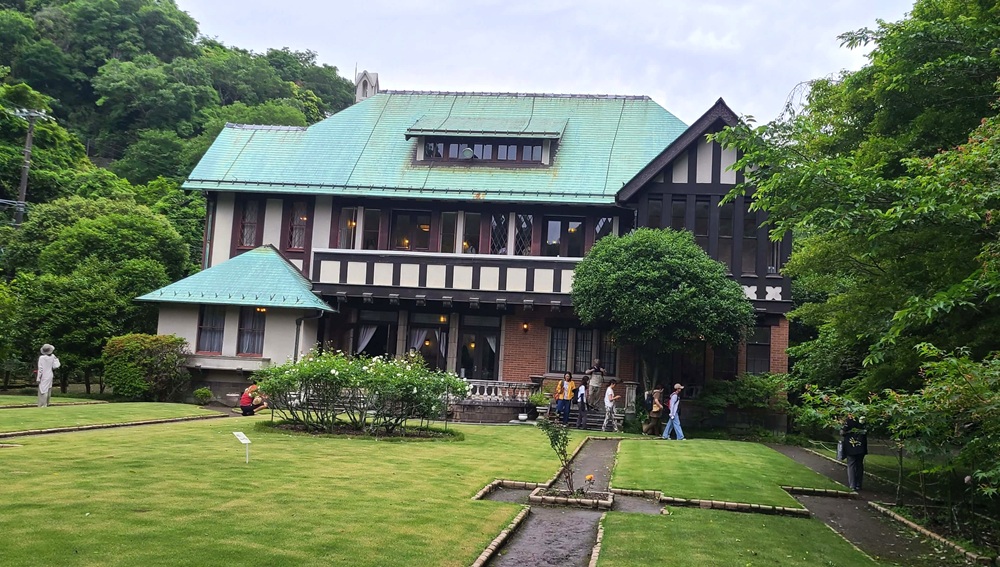
The Former Kachō-no-miya Residence, built in 1929 (Shōwa 4) as the residence of Marquis Hironobu Kachō, will be open to the public.
The garden on the grounds is open year-round and can be visited at any time (closed on Mondays, Tuesdays, and Wednesdays—if these fall on a national holiday, the following weekday—as well as during the year-end and New Year holidays).
However, the interior of the building is open to the public only twice a year, for a total of four days.If you’re visiting Kamakura during this season, please be sure to stop by.
【PR】【 Tai Takuro Koubou Official 】 Edo Kiriko Mt. Fuji with Cherry Blossom Chilled Sake Glass TB0050-33 in Paper Box Made in Japan
Visit the 太武朗工房 Store

The item was purchased through your Amazon website.

Event Schedule
Open to the public : April, 2026, 8 and 9
Hours: 10:00 a.m. – 11:00 p.m.
You may visit at any time during the hours listed above. Admission is free.
👉 Kamakura City「旧華頂宮邸」
About the Kachō-no-miya Residence
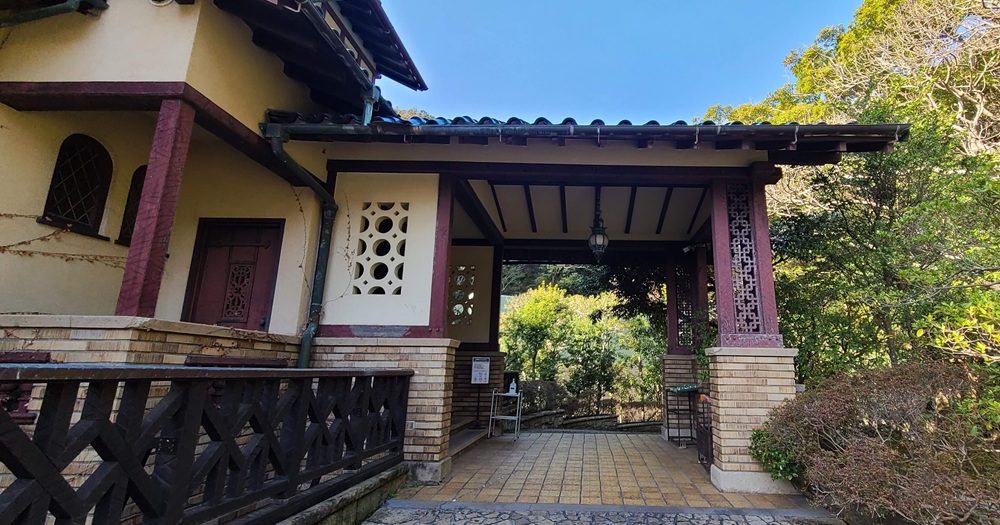
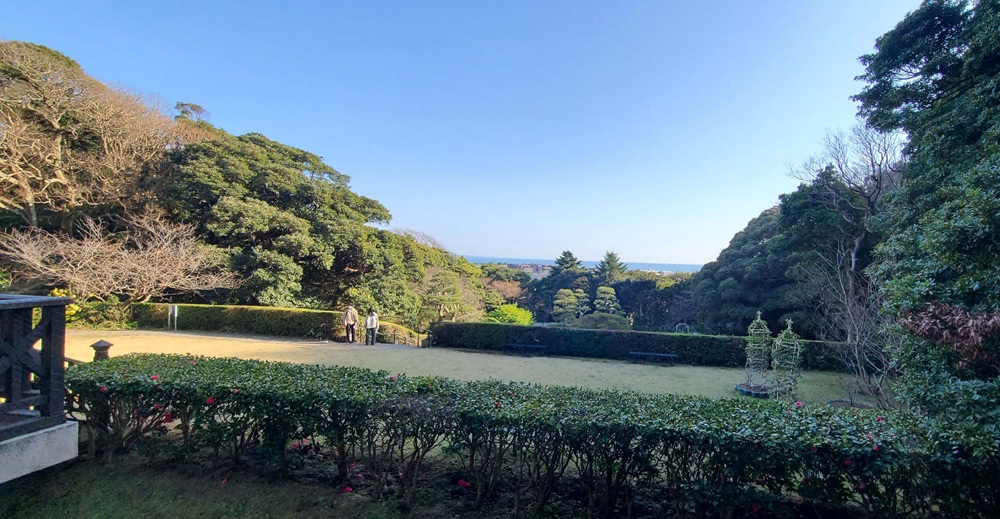
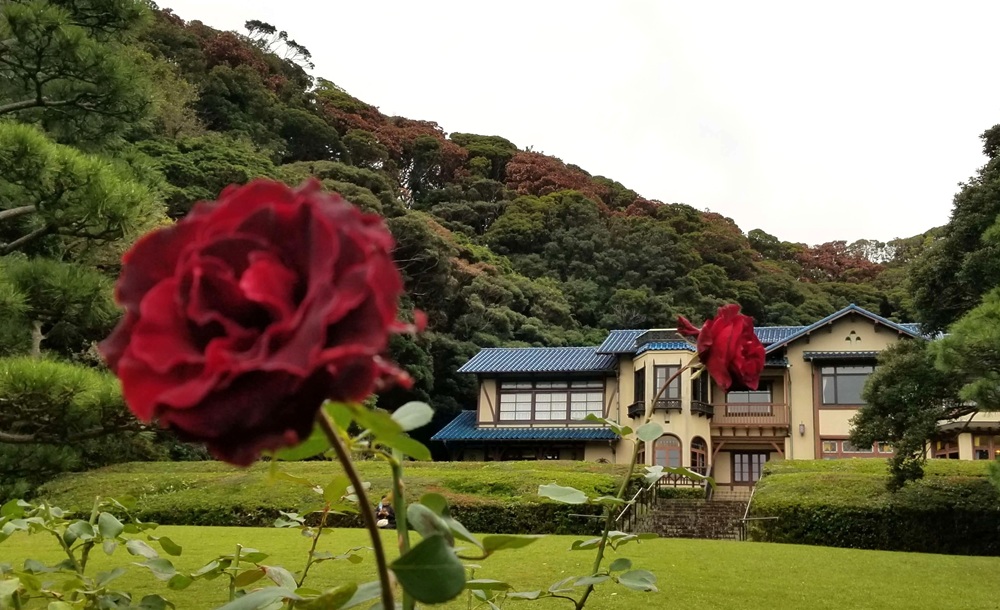
The distance from the gate to the main building is not very far, and behind the main building spreads a French-style garden.
Viewing the garden from the main building is wonderful, and the view of the building from the garden is equally stunning.
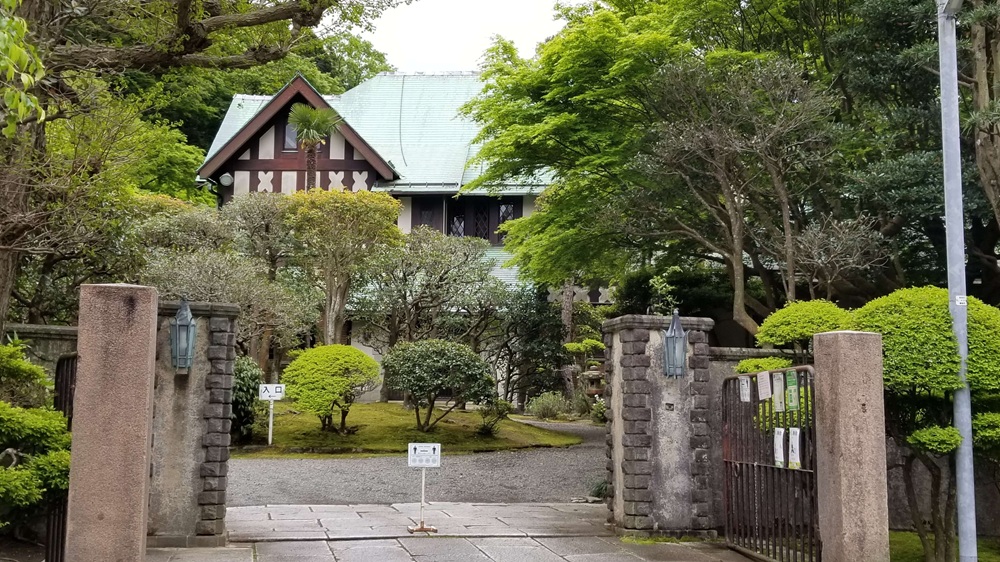
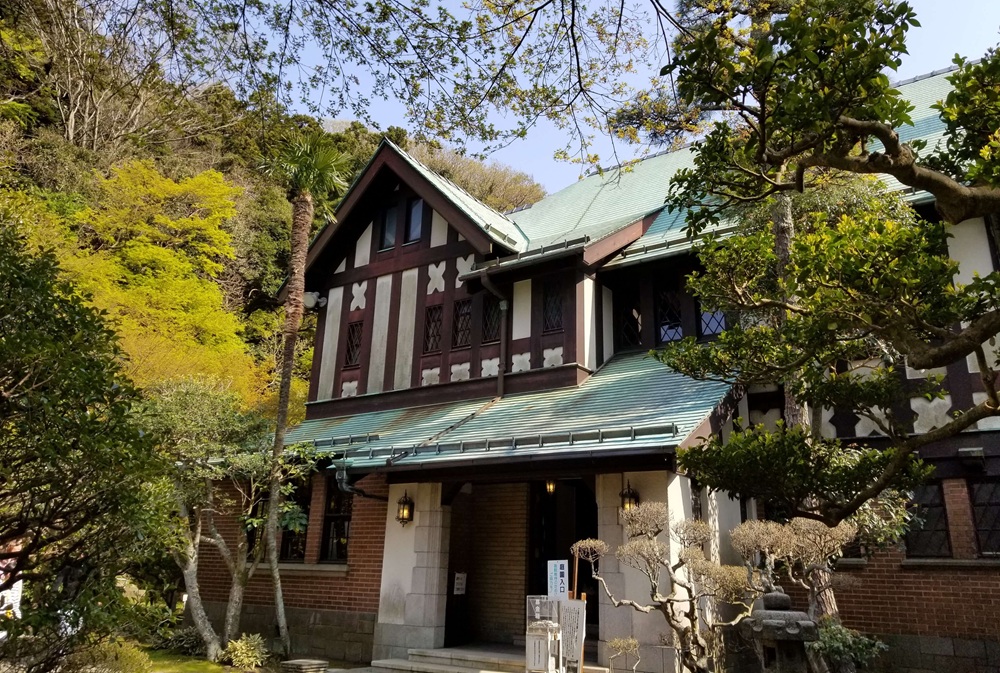
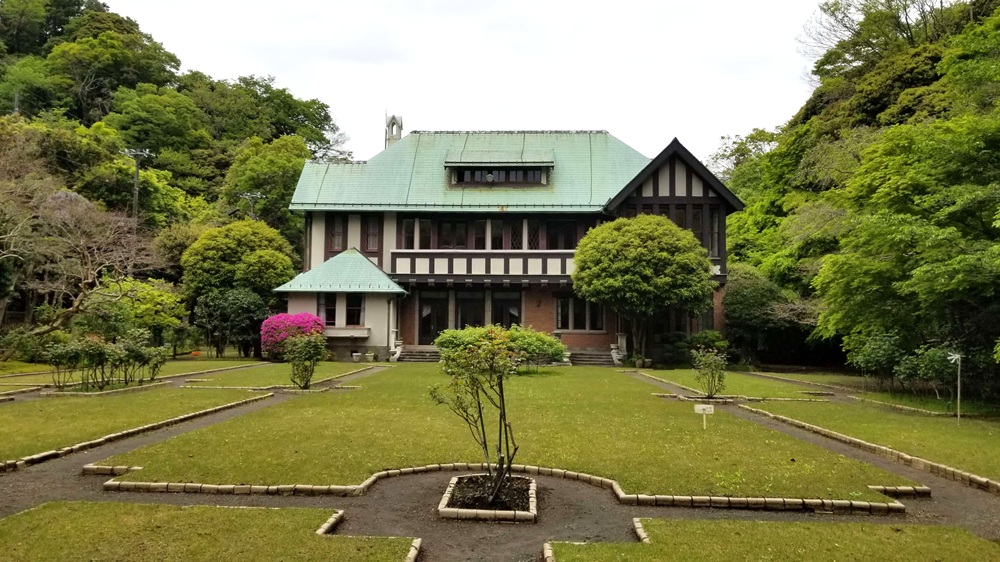
The residence was built in 1929 (Shōwa 4) as the home of Marquis Hironobu Kachō (1905–1970), but it is said that it served as the Kachō family residence for only 11 years.
In 1940, it became the Nagata residence. After the war, it was requisitioned by the U.S. military,then became the Matsuzaki residence in 1970 and the Murata residence in 1987.
Since 1996, it has been owned and managed by the City of Kamakura.
You can also explore the interior through 3D images—highly recommended! Just a heads-up: moving around too much might make you feel a bit dizzy (personal opinion).
👉 旧華頂宮邸3Dモデル
At the back of the grounds stands a Japanese-style building called Mui-an.
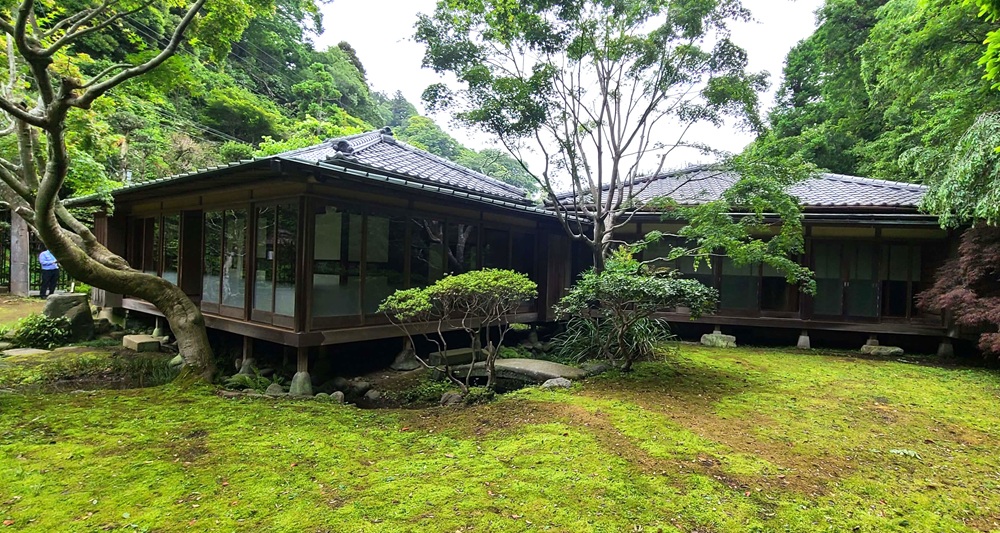
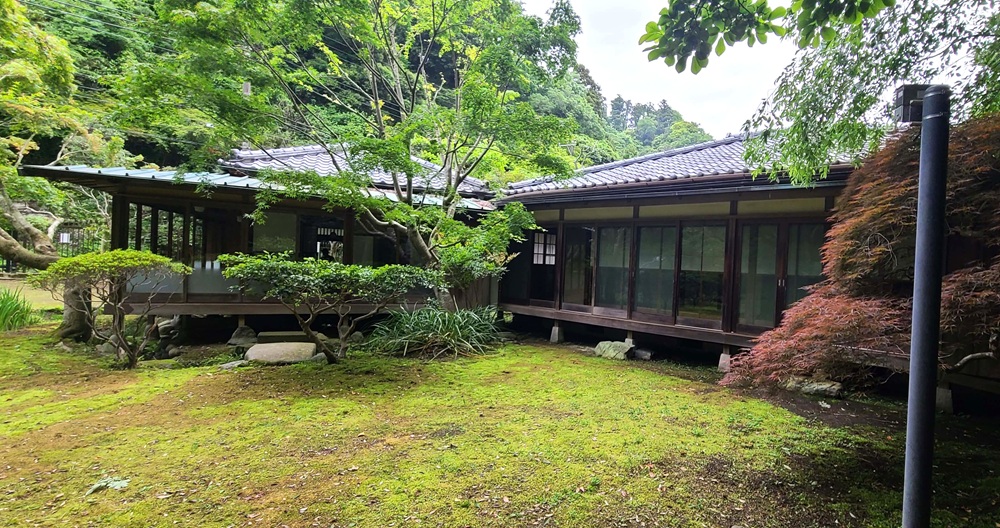
Its architectural origins date back to before the early Shōwa period.The name Mui-an comes from a sentence written on a ridge tag, which reads:“At the age of sixty-five, I shall spend my remaining years at my residence in Takumagayatsu, Jōmyō-ji, as the master of Mui-an.”The tea room features a distinctive ceiling with an octagonal center, from which sixteen battens radiate outward.
The pillars are made from unusual materials such as quince, nandina, bark-covered cherry wood, and bamboo, resulting in a highly individual and expressive design.
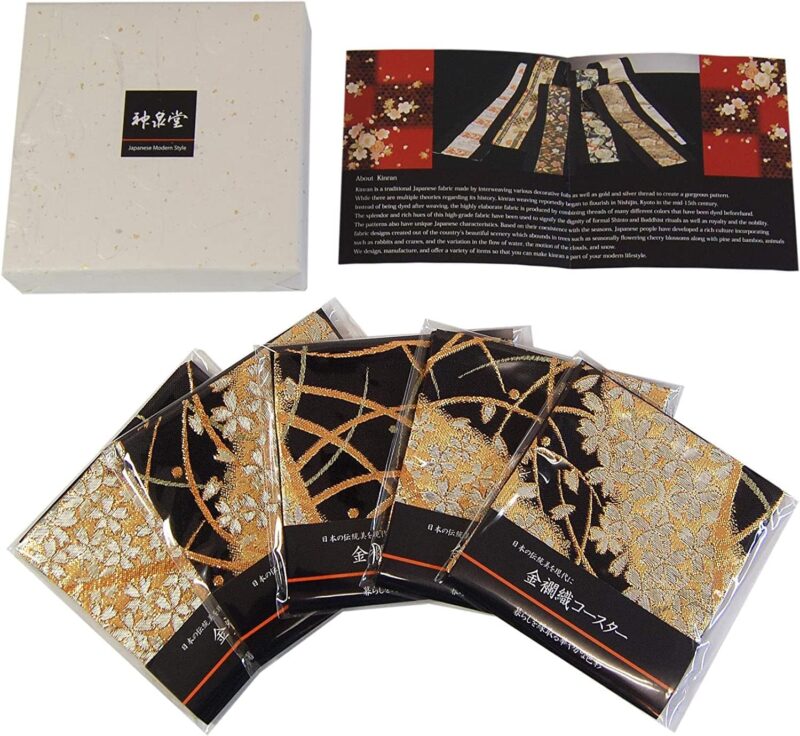
These are elegant Japanese-style coasters inspired by the luxurious patterns of traditional obi (kimono sashes).Lightweight and compact, they measure 12 × 12 × 3 cm and weigh approximately 105 g, making them ideal as gifts for students studying abroad, business trips, or homestays where luggage space is limited.
Each set also comes with an English instruction booklet explaining the product.【PR】
The item was purchased through your Amazon website.


About Marquis Hironobu Kachō
The Kachō-no-miya family was a branch of the Fushimi-no-miya, one of Japan’s oldest princely houses.
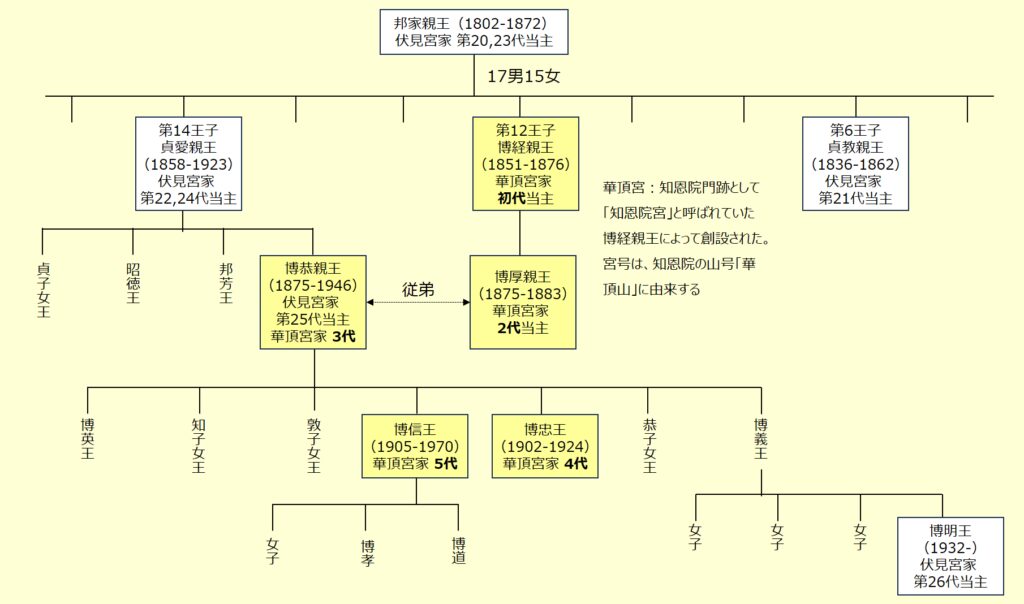
Marquis Hironobui Kachō (1905–1970) inherited the family’s legacy in 1926 and lived here with his wife after their marriage. The residence, built in 1929, reflects the lifestyle of Japan’s former aristocracy during the early Shōwa period. The couple later separated in 1951.
Buildings in Kamakura
When it comes to Kamakura’s “big three” Western-style residences, they are the Kamakura Museum of Literature, the Koga Residence, and the Kachō-no-miya Residence.
The Kamakura Museum of Literature is currently undergoing renovations and is expected to reopen for visitors in 2029 (Reiwa 11).
👉 Kamakura city 「Kamakura Bungakukan」
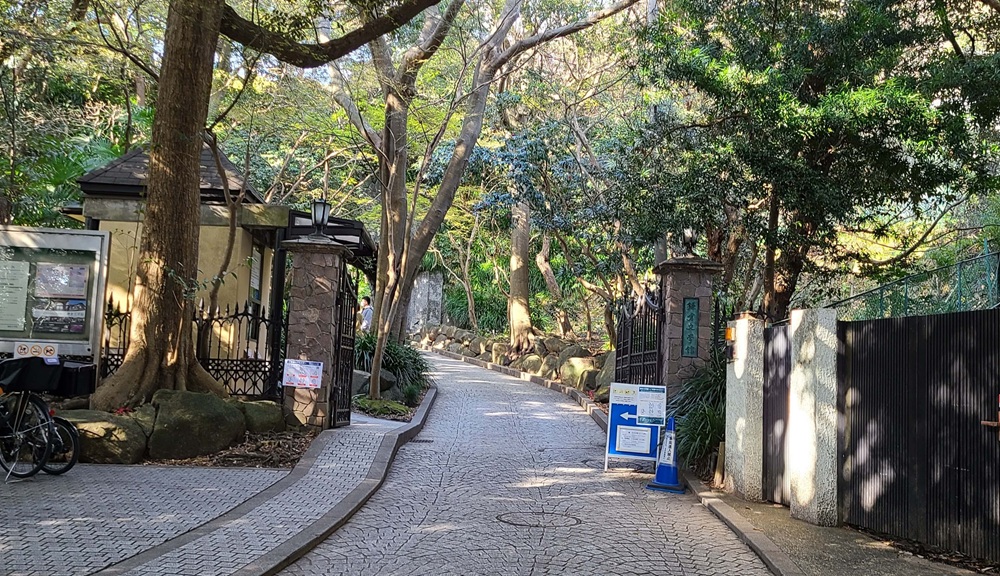
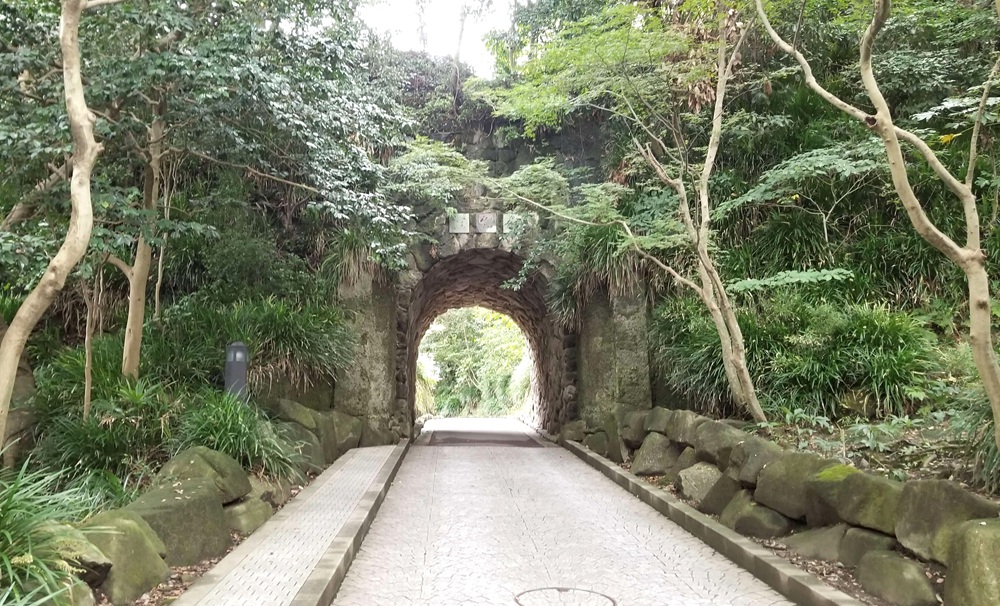
The Koga Residence is open as a restaurant and wedding venue, but under normal circumstances, visitors can only view it from the outside.👉 古我邸
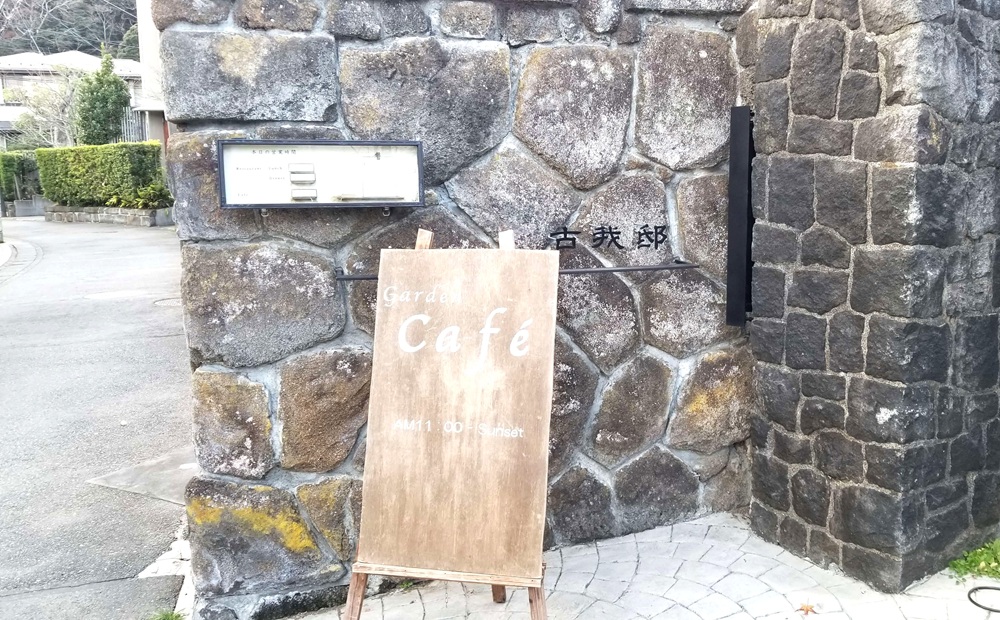
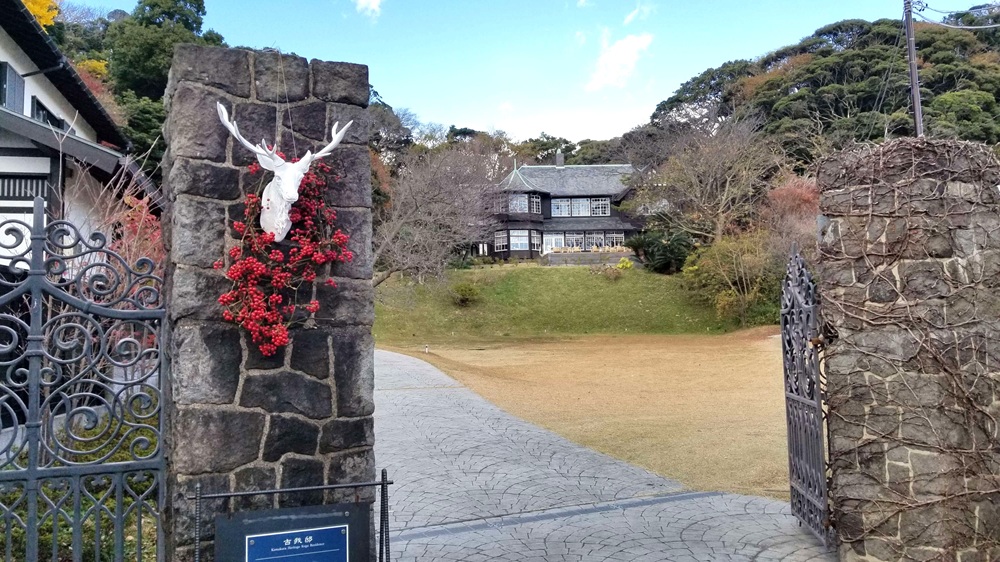
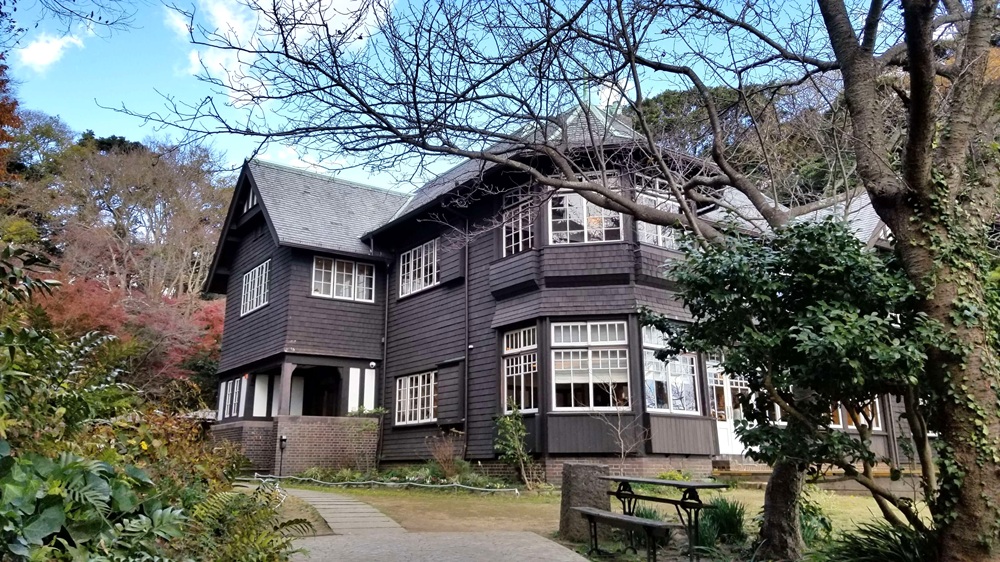
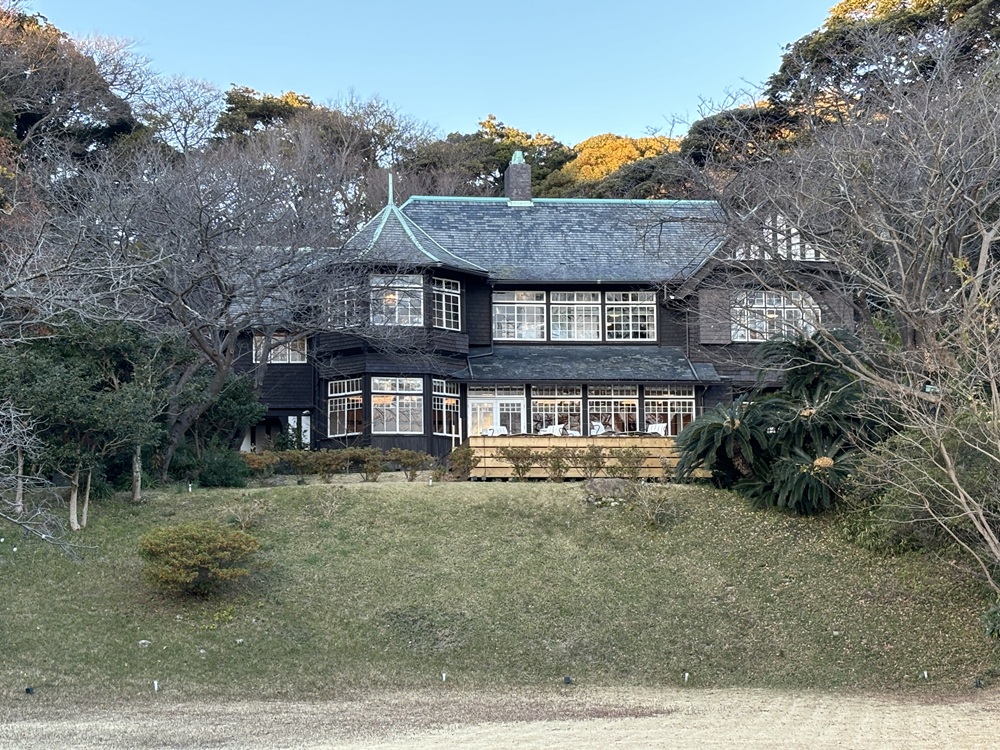
Kamakura is home to many other buildings designated as important for the city’s landscape. Visiting these sites can be just as enjoyable as exploring temples and shrines. Some are hotels where you can stay, and others serve as restaurants. A few have even been used as locations for TV dramas.
👉 List of Important Buildings and Other Structures for Landscape in Kamakura
こちらは以前にご紹介した、吉田鋼市著『鎌倉近代建築の歴史散歩』港の人 2017 です。 Japanease Only
Learning about modern architecture in Kamakura in advance will undoubtedly deepen your enjoyment.
This book introduces 50 buildings, categorized into: Western-style residences in Kamakura, Kōjō Architecture, Western-style houses and clinics, Japanese-style residences, Japanese–Western hybrid residences, shops and offices, hotels and ryokan, churches and shrine/temple architecture, and postwar architecture.
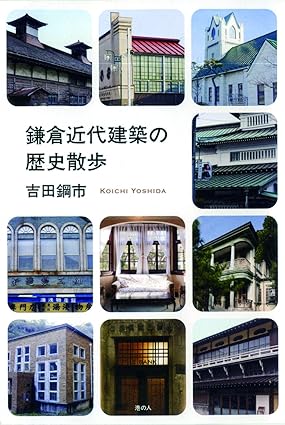
The item was purchased through your Amazon website.

Access
Address: 2-6-37 Jōmyōji, Kamakura, Kanagawa Prefecture
From JR Kamakura Station East Exit, take a bus from Platform 4 bound for Kanazawa-Hakkei Station, Kamakura Cemetery Main Gate/Tachiarai, or the Highland Loop, and get off at the Jōmyōji stop. From there, it’s a 6-minute walk to the back of Hōkoku-ji Temple.
It’s also possible to walk from Kamakura Station in about 35 minutes (approximately 2.6 km). On nice days, we recommend strolling past Tsurugaoka Hachimangu Shrine, Sugimoto-dera, and Hōkoku-ji, enjoying Kamakura’s temples and shrines along the way.
Even outside the two annual public opening days, you can visit the grounds (though the interior is not accessible). Walking quietly around the buildings when almost no one is there can be a very peaceful experience.
コメント