What do people do at the Bonbori Festival?
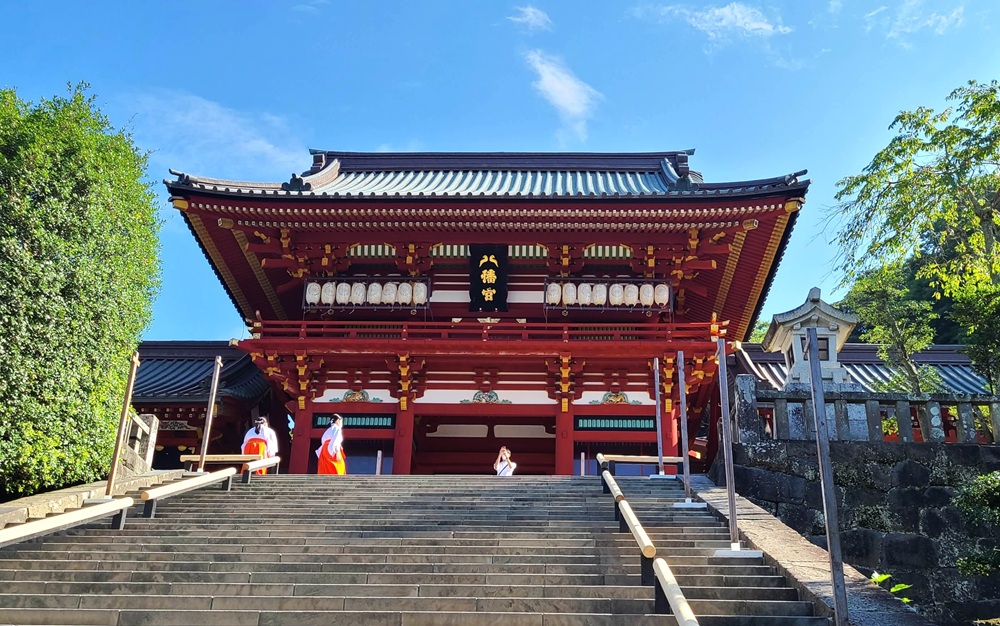
The Bonbori Festival is held every year at Tsurugaoka Hachimangu Shrine in Kamakura, typically for three days from the day before Risshū (the beginning of autumn in the traditional calendar) until the 9th of August (sometimes four days, depending on the year). It is considered one of Kamakura’s summer traditions.
During the festival, on the day before Risshū, the Nagoshi Festival is held as a summer purification ritual. On Risshū itself, the Risshū Festival celebrates the official arrival of autumn, and on the 9th, the Sanetomo Festival commemorates the birthday of Minamoto no Sanetomo.
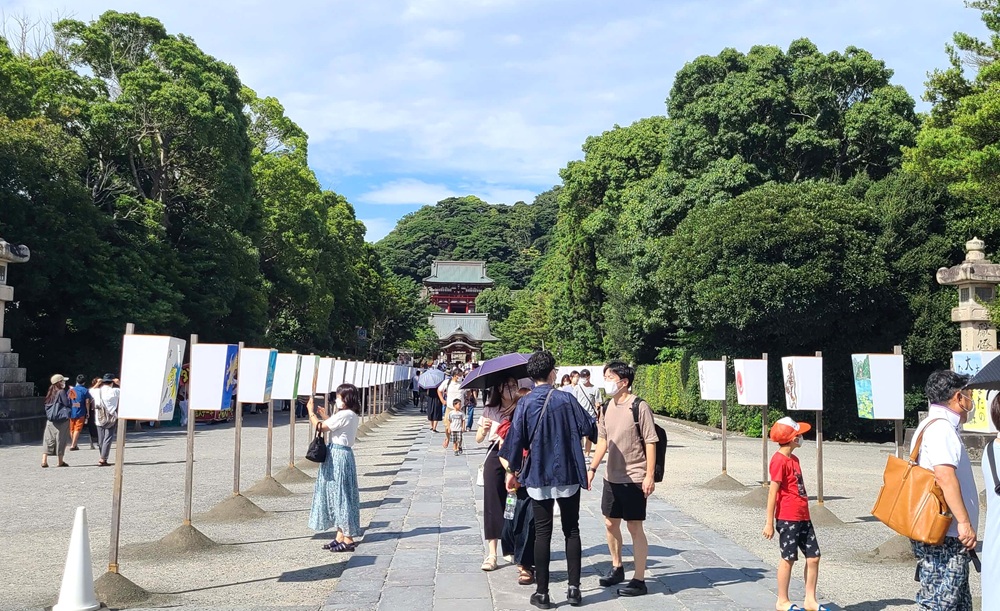
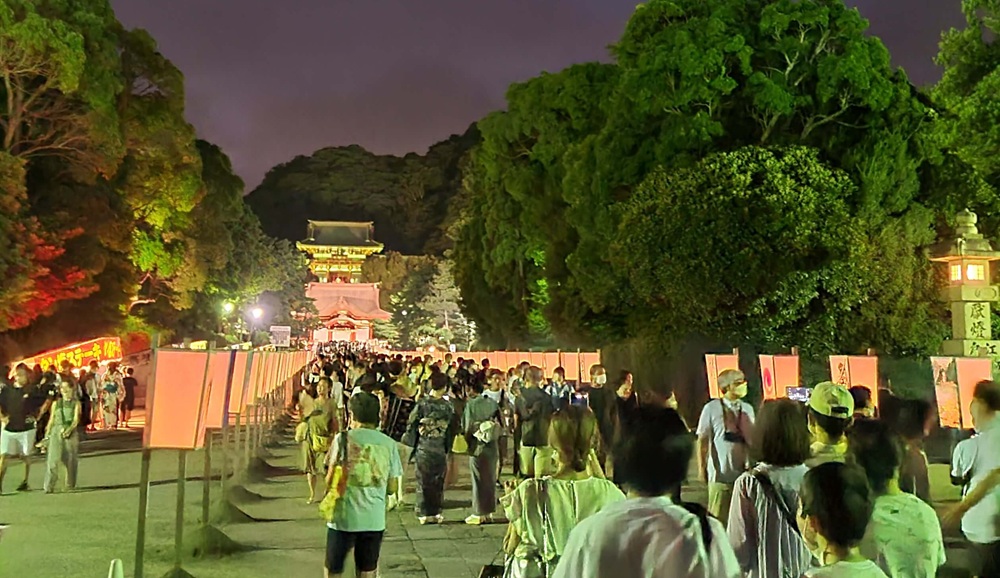
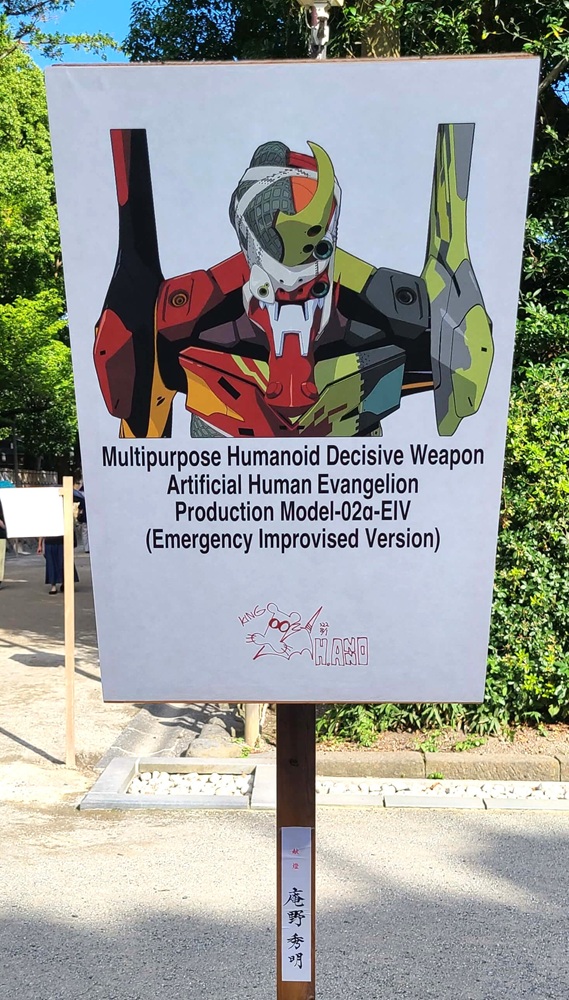
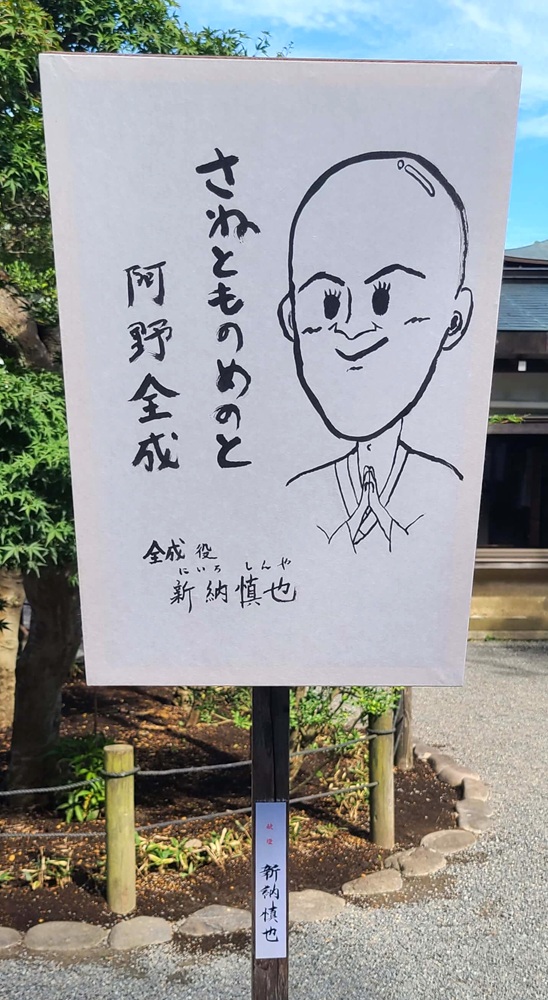
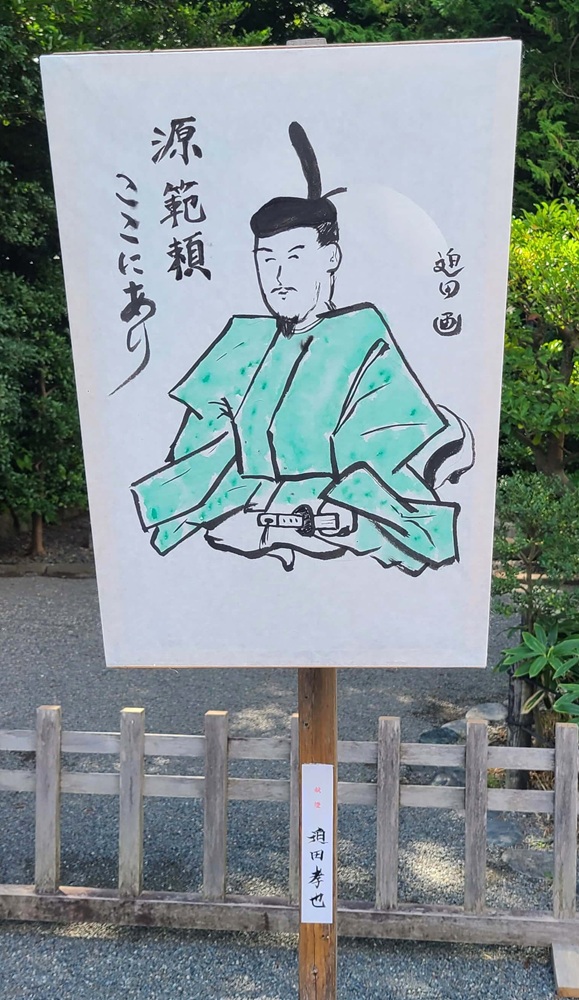
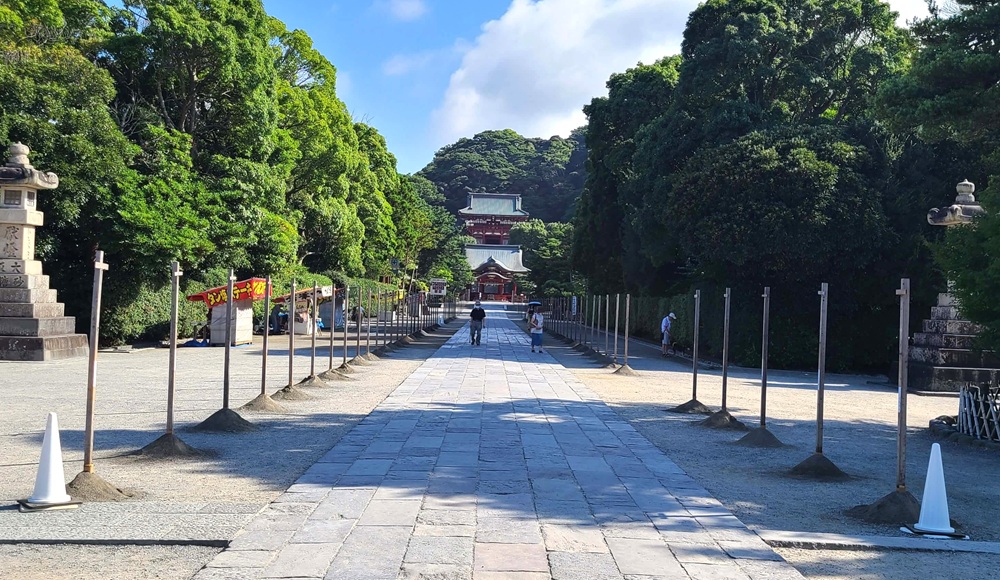
Around 400 pieces of calligraphy and paintings created by cultural figures associated with Kamakura, as well as other prominent individuals from various fields, are displayed on bonbori lanterns along the shrine’s approach. In the evening, the lanterns are lit, and the shrine grounds remain lively and beautifully illuminated well into the night.(出典:鶴岡八幡宮ホームページ)
Event Schedule
Visiting Hours:You can visit the festival anytime while the bonbori lanterns are on display. However, please note that if you go early in the morning, the lanterns may not be set up yet.
Recommendation:Each bonbori has the name of the person who created the calligraphy written on it. At night, after it gets dark, the names are hard to read, so it’s recommended to visit twice: once during the day (anytime while it’s bright) and once at night (after around 7 p.m.). In the evening, the shrine maidens (miko) light each lantern one by one, which can be surprisingly enjoyable to watch.
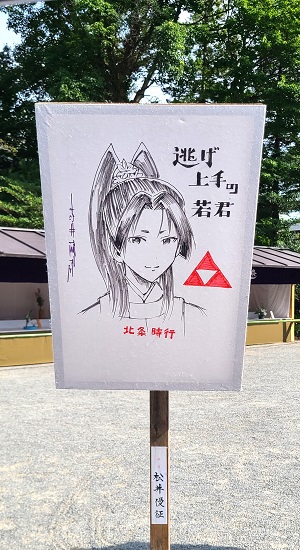
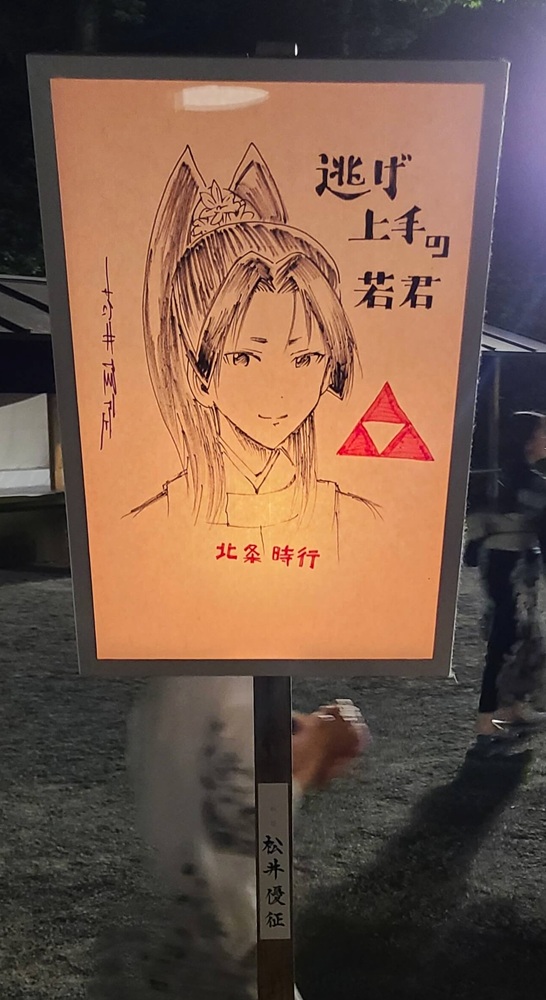
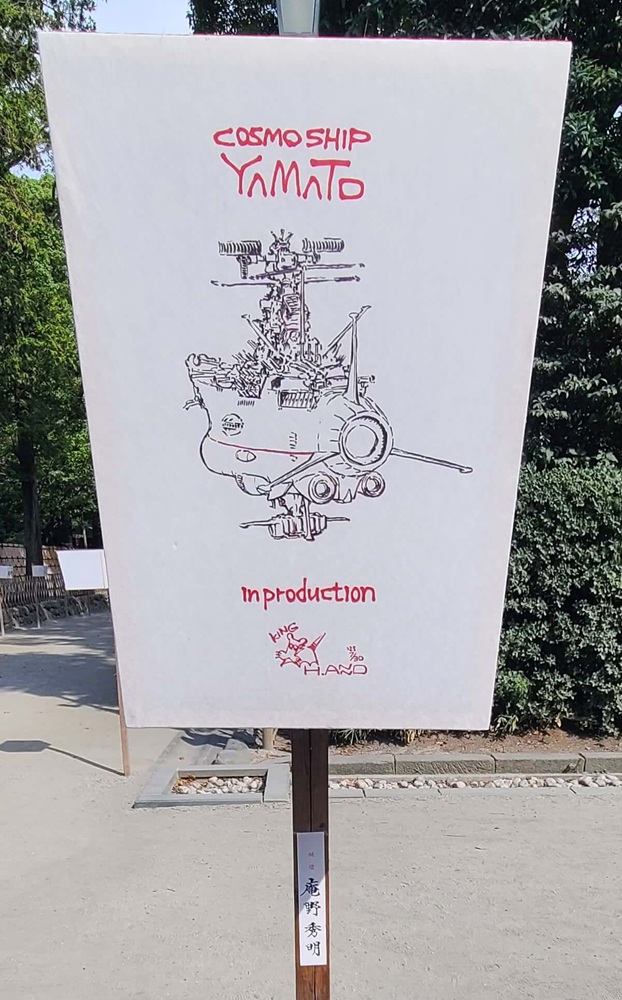
Day and Night
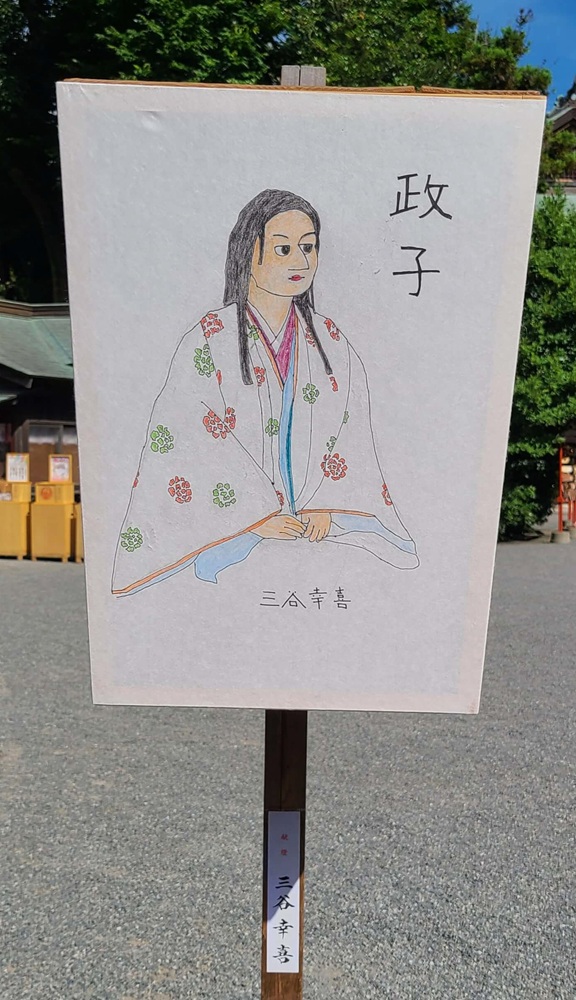
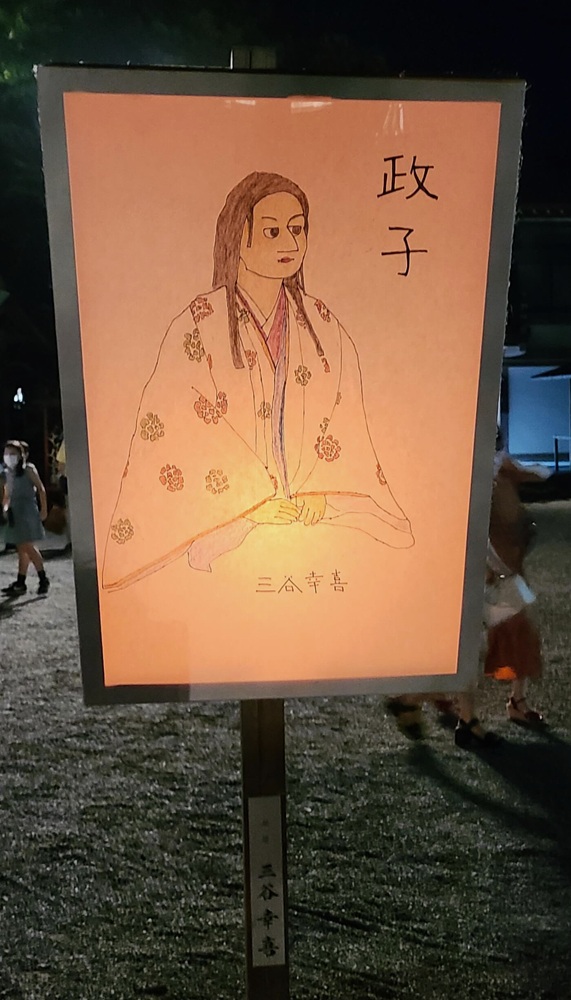
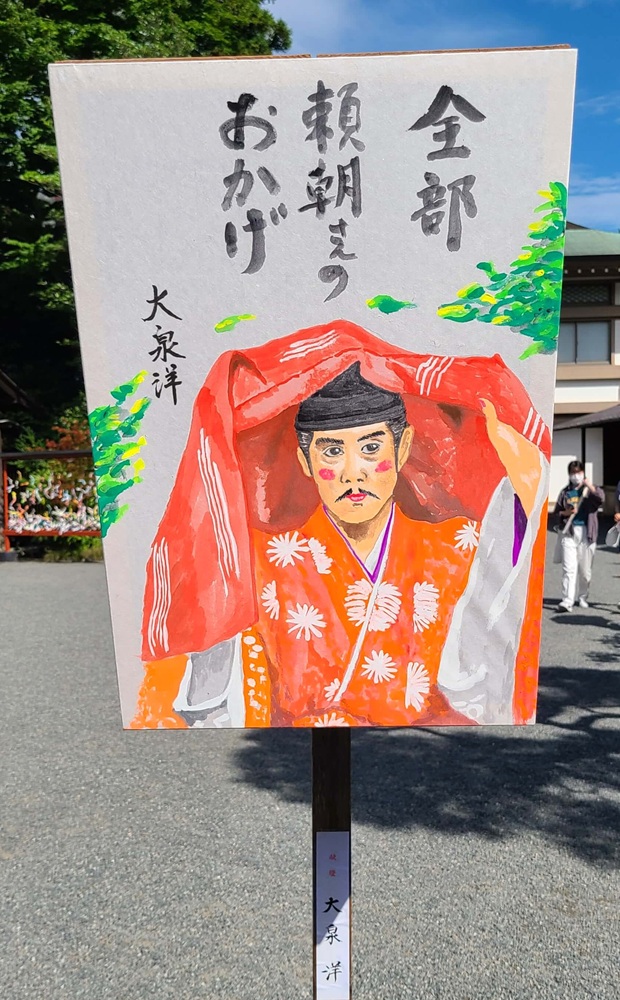
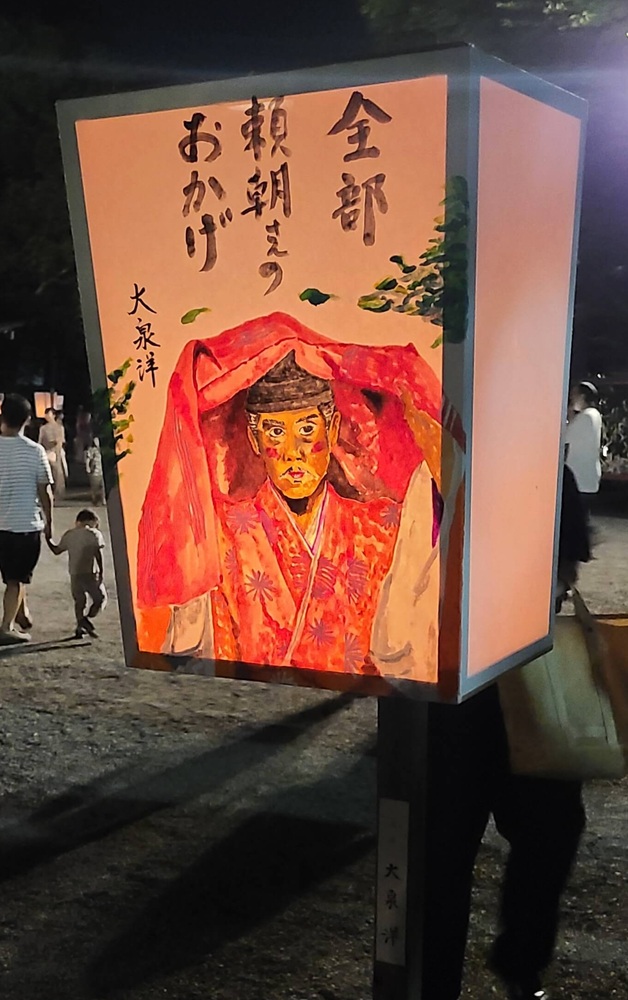
Others Bonbori
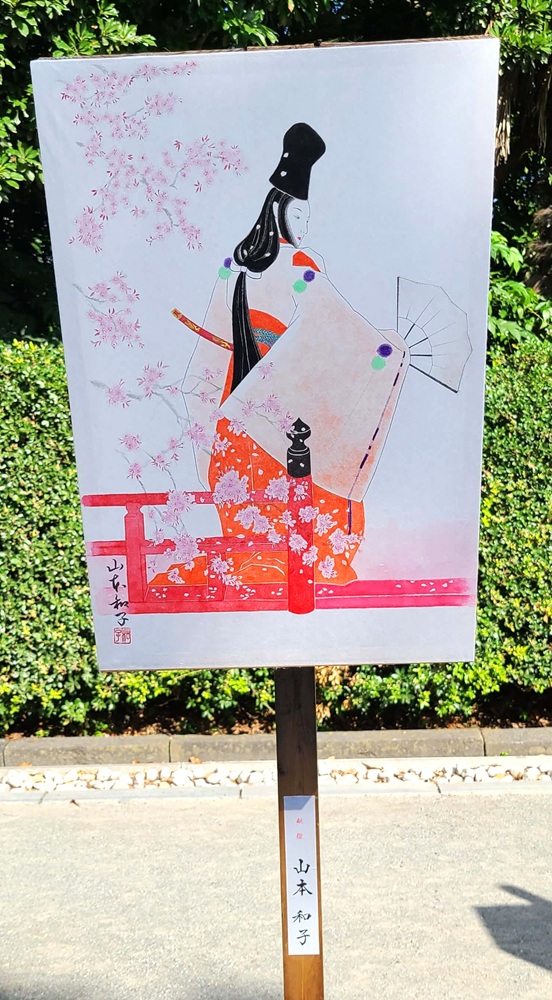
Useful Information
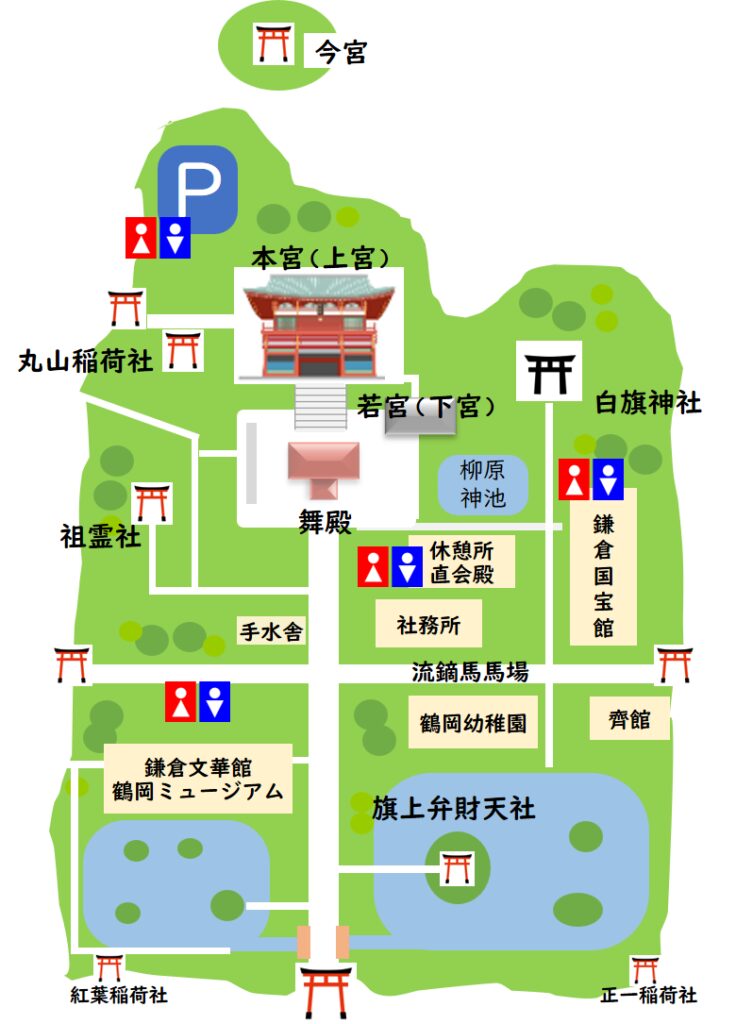
The restrooms within the grounds of Tsurugaoka Hachimangu Shrine are located in several places.
The restroom at the rest area next to Maiden is relatively crowded.Personally, I think the hidden gem is the restroom inside the National Treasure Hall. It’s relatively unknown, so it tends to be less crowded. However, it’s only available to those who have visited the National Treasure Hall.
This English guidebook covers Kamakura and Enoshima.There aren’t many English guidebooks that focus on this area.It introduces various spots, such as shrines, temples, and restaurants, by area.
We hope you enjoy discovering the beauty and history of Kamakura!
Kamakura & Enoshima: A Japan Guide to Nature, Culture, and Community
Access
鶴岡八幡宮
Access: From the east exit of Kamakura Station, it is recommended to either walk through Komachi Street or go straight to Wakamiya Oji Avenue and pass through Dankazura. It takes about 10 minutes on foot.
Opening Hours: Year-round, 6:00 a.m. – 8:00 p.m.
Address: 2-1-31 Yuki-no-shita, Kamakura, Kanagawa Prefecture
Tsurugaoka Hachimangu Shrine Office Tel: +81-467-22-0315
コメント