
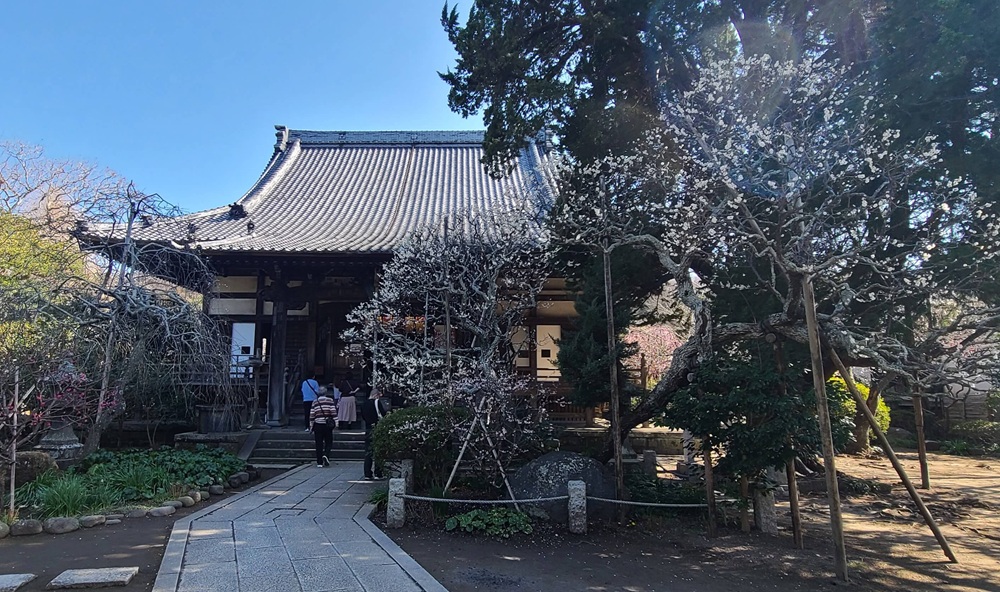
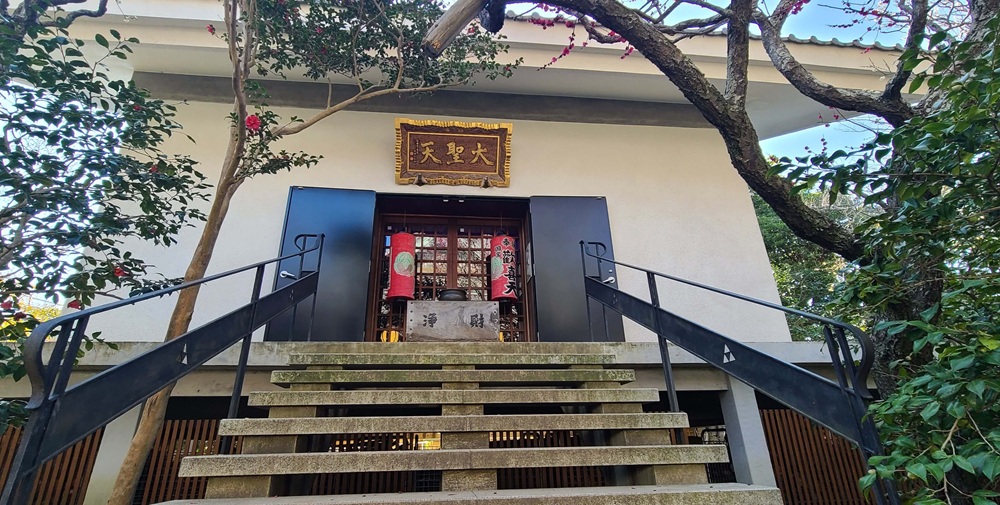
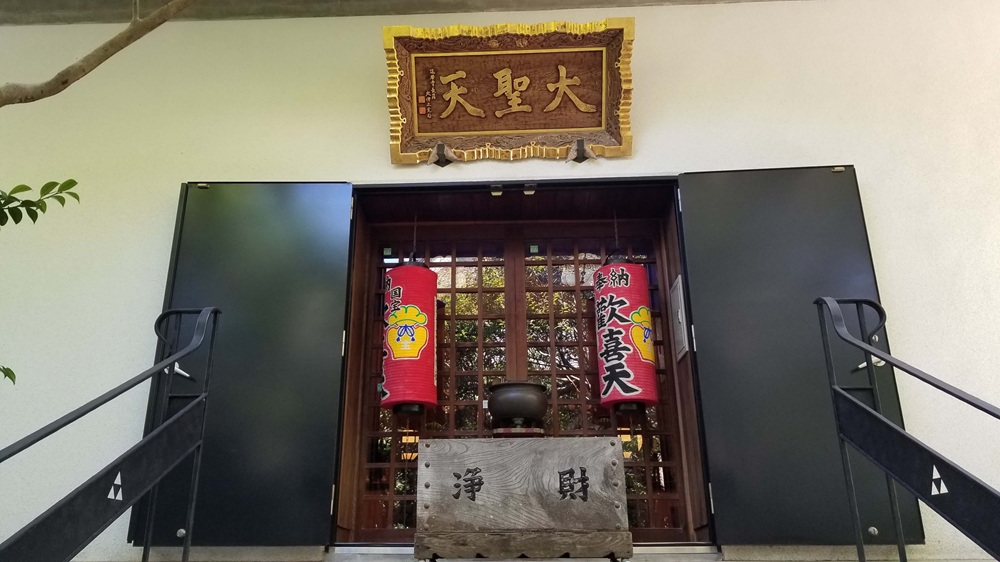
Every year on May 23, the Daishō Kangiten Offering Ceremony is held a Hokaiji
👉 Hokaiji
Schedule
From 1:00 p.m
Sutra chanting takes place in front of the Daishō Kangiten-dō Hall and lasts for about one hour (based on information from 2021).
Visitors may stand at the back and observe together with other worshippers (free of charge).
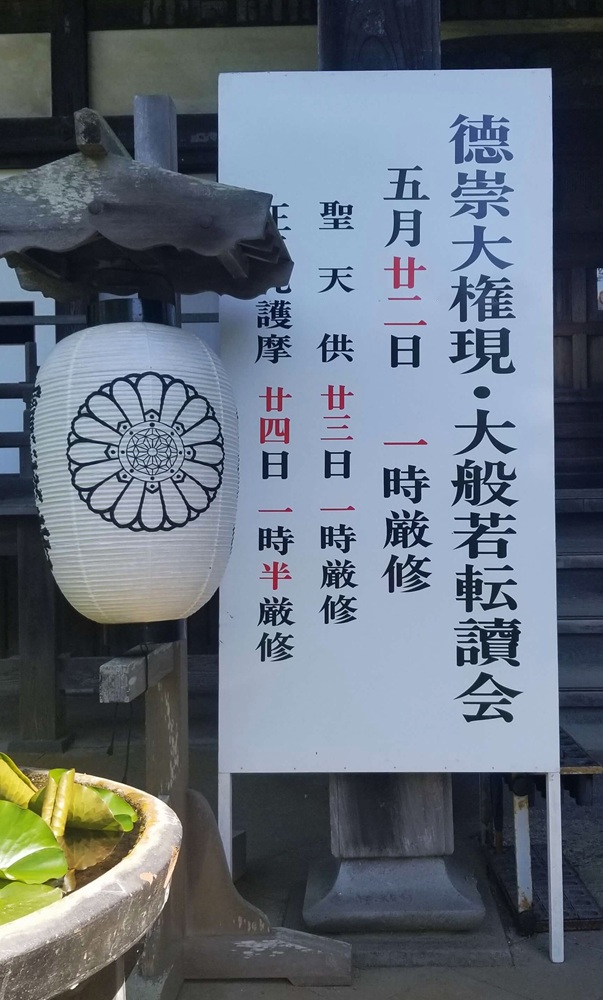
On the previous day, May 22, the Daihannya-kyō Tendoku-e ceremonies are also held from 1:00 p.m., so it might be nice to attend the day before as well.
A memorial service for the Hojo clan is held on May 22nd, the day Hojo Takatoki committed suicide and the Kamakura shogunate came to an end.
The principal image of worship, known as Tokuso Daigongen, is moved from the Gongen Hall to the Main Hall, and the Great Perfection of Wisdom Sutra is chanted, accompanied by traditional music and dance.
The official name of the Great Perfection of Wisdom Sutra is the Great Perfection of Wisdom Sutra. It is a Buddhist text translated by Xuanzang and brought back from India.
During the ceremony, monks chant the sutra while rhythmically turning the pages of the sutra like an accordion.
Daishō Kangiten
He is a deity of Indian origin and is known in Sanskrit as Ganapati or Ganesha.
He is characteristically depicted with the head of an elephant and the body of a human.
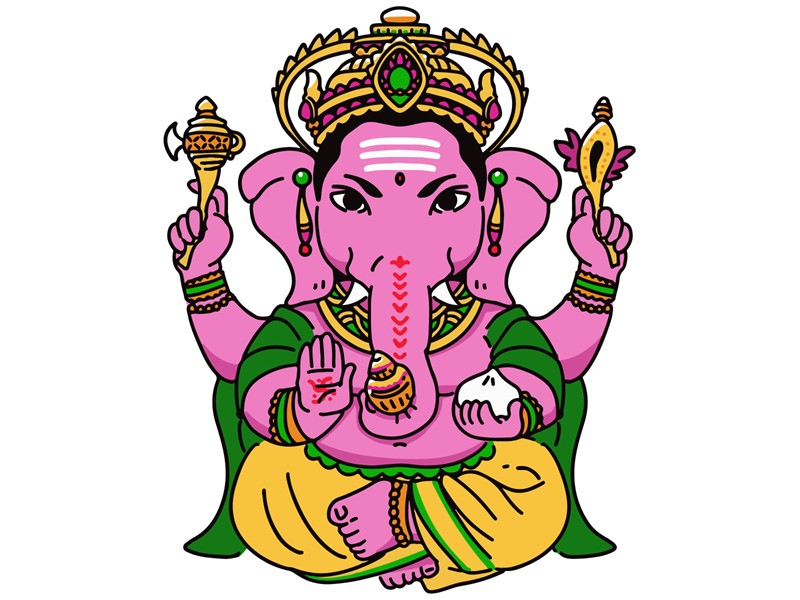
Originally worshipped in India as Ganapati (Ganesha), the elephant-headed deity known for removing obstacles and bringing wisdom, success, and prosperity, this god traveled from India to China and eventually to Japan, where he became deeply integrated into Buddhism.
In Japan, he is known as Daishō Kangiten or Shōden-sama. Although divine in origin, he is revered as a Buddhist guardian deity and is sometimes regarded as an incarnation of Jūichimen Kannon or a manifestation of Dainichi Nyorai—symbolizing both the compassion of the Buddha and the power of a deity.
There are two main forms: the single-bodied elephant-headed figure symbolizing wisdom and obstacle removal, and the dual-bodied embracing form, representing harmony, marital happiness, and the fulfillment of wishes.
Because he is believed to grant wide-ranging, practical benefits—such as business success, harmonious relationships, protection, health, and wish fulfillment—he is often called one of the most powerful deities for worldly blessings in Japan.
Hokaiji
This temple belongs to the Tendai school of Buddhism and is named Kinryuzan – Shakumanin – Endon – Hokaiji. Hokaiji was constructed in 1335 by order of Emperor Godaigo (1288-1339) , and founded by priest Enkan-Echin-Jii (1281-1356) , preceptor of five emperors.
This site was where the Komachi residence of the Hojos , for nine generations to Takatoki Hojo , had been located until this regent family of the Kamakura government fell in May , 1333.
Emperor Godaigo ordered Takauji Ashikaga to build this temple in order for the repose of deceased Hojos.
Jii held a Kaidanin here , a school of the Lotus doctrine , the Tendai esoteric Buddhism , the Zen meditation. the Hahyana precept and Vinaya practices. The Kaidanin was well known as one of the four scattered in the country – three others were in Yakushiji of Kaga – Hakusan , Tomyoji of Iyo and Chinkoji of Tsukushi.
Yuiken , who succeeded Jii , enshrined a Kankitenson – Buddhist image of harmony . He also developed learning methods at the Kaidanin and prayed exclusively for peace of the country.
In 1538 , all the edifices burned down . Tenkai , founder of Kaneiji , requested Shogun Ieyasu Tokugawa in the beginning of the Edo era that Hokaiji being an important temple of the Tendai school in the eastern part of the country should be officially supported and maintained .
At present , Hokaiji continues to play its important role of being a place for learning the Buddhist teachings .
The white egrets that bloom in early autumn are beautiful, and the temple is also known as the “Temple of Bush Clover.”
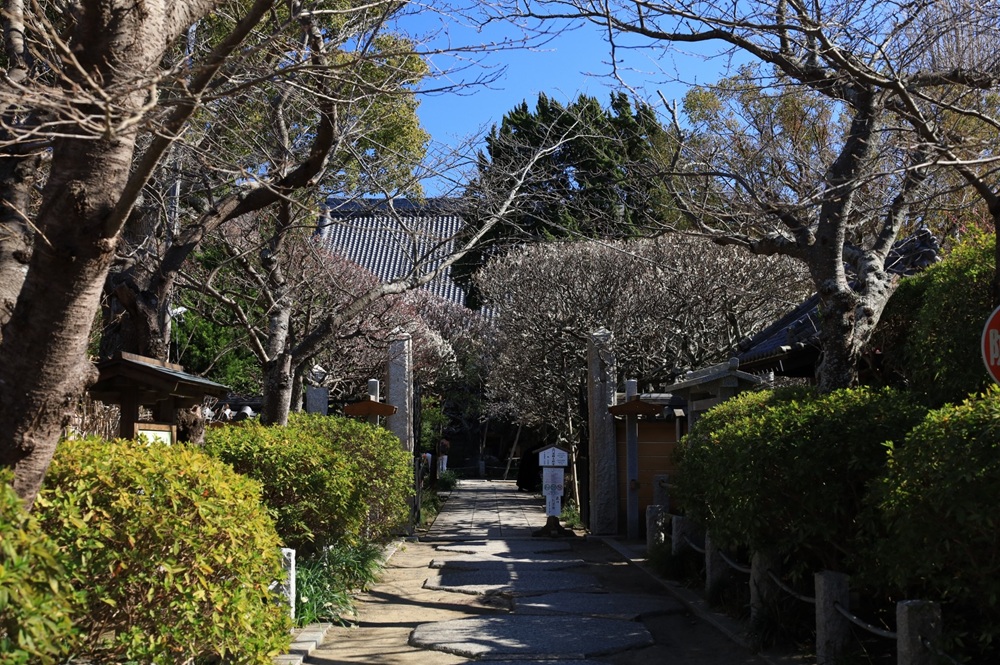
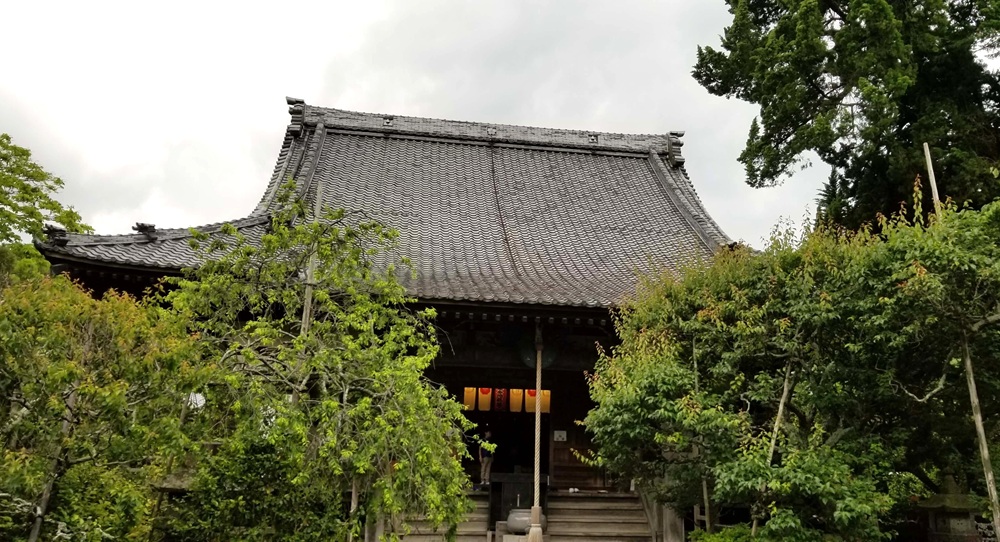
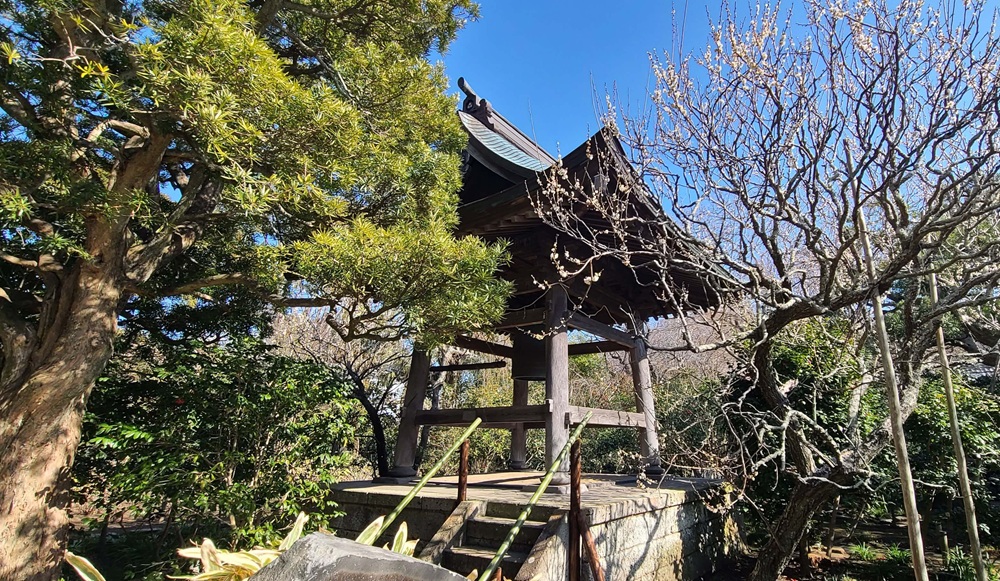
Hōkai-ji itself is very peaceful, and when you enter the main hall, you are surrounded by numerous Buddhist statues.
Simply sitting and quietly admiring them can be a deeply cleansing experience. It’s a temple where you can spend tranquil time without being rushed by anyone.
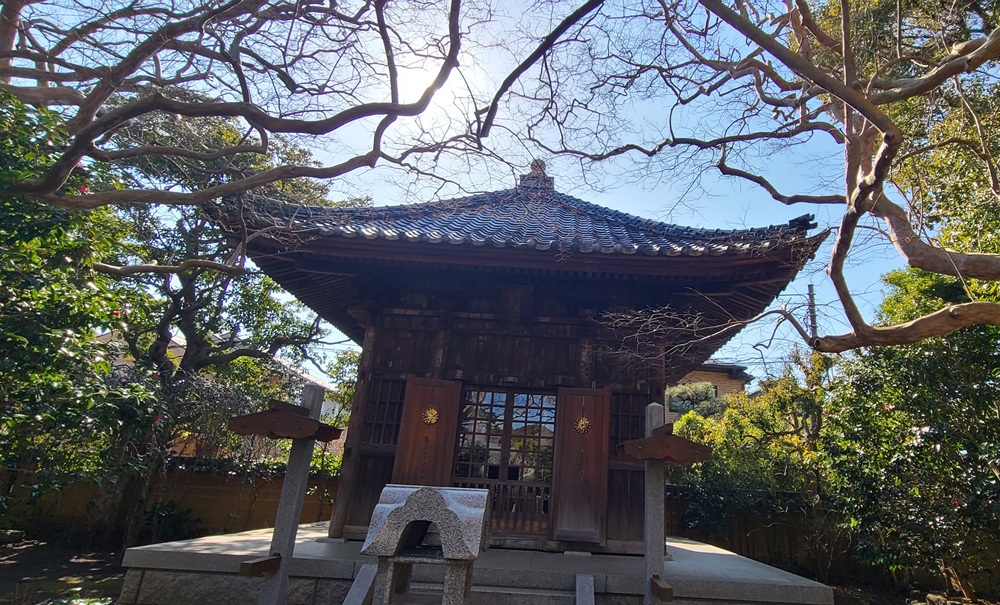
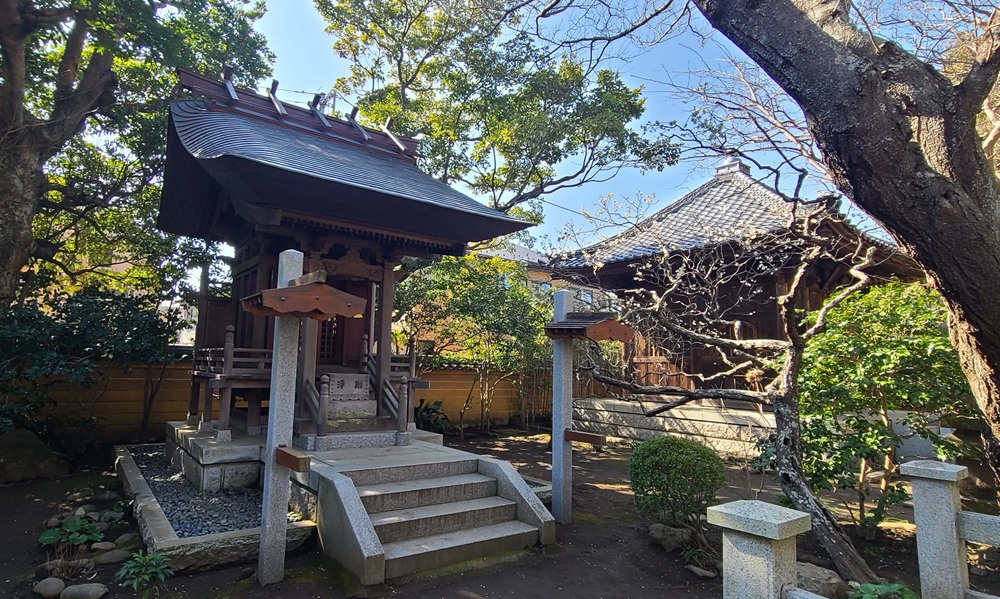
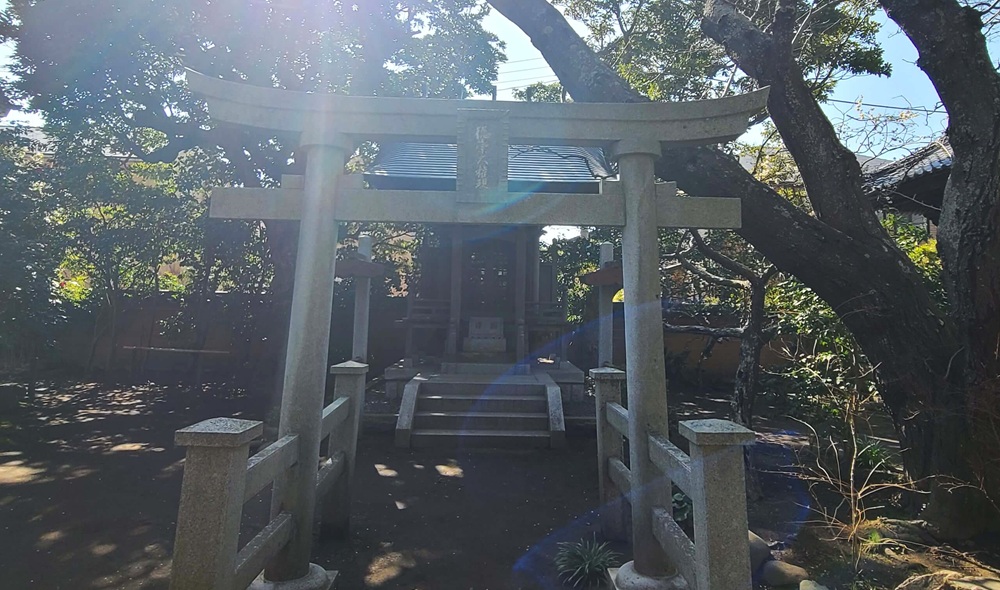
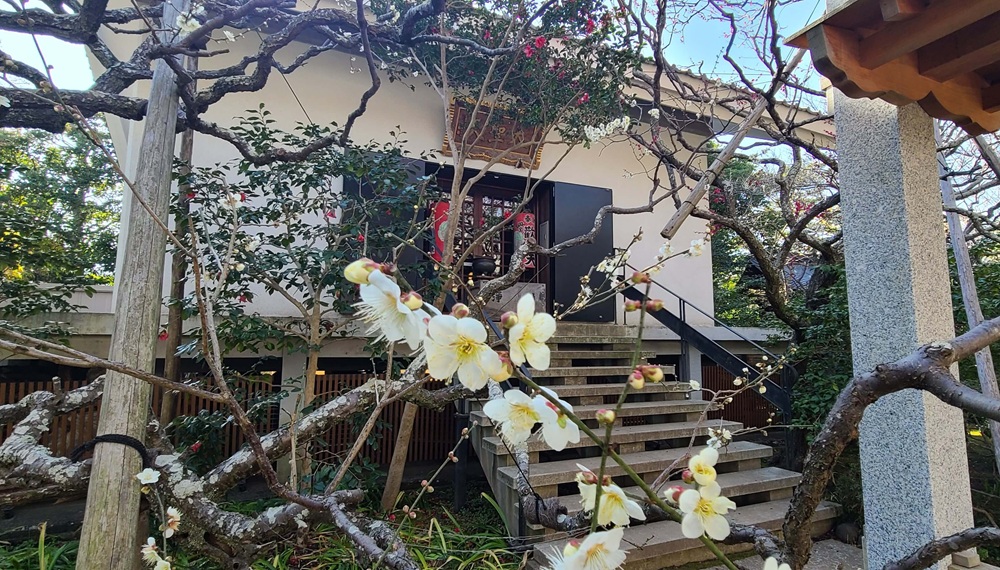
Hōkai-ji is also worth visiting for its plum trees.
Be sure to check out my blog about plum-viewing spots in Kamakura as well.
👉 The plum blossoms in Kamakura are absolutely beautiful in 2026
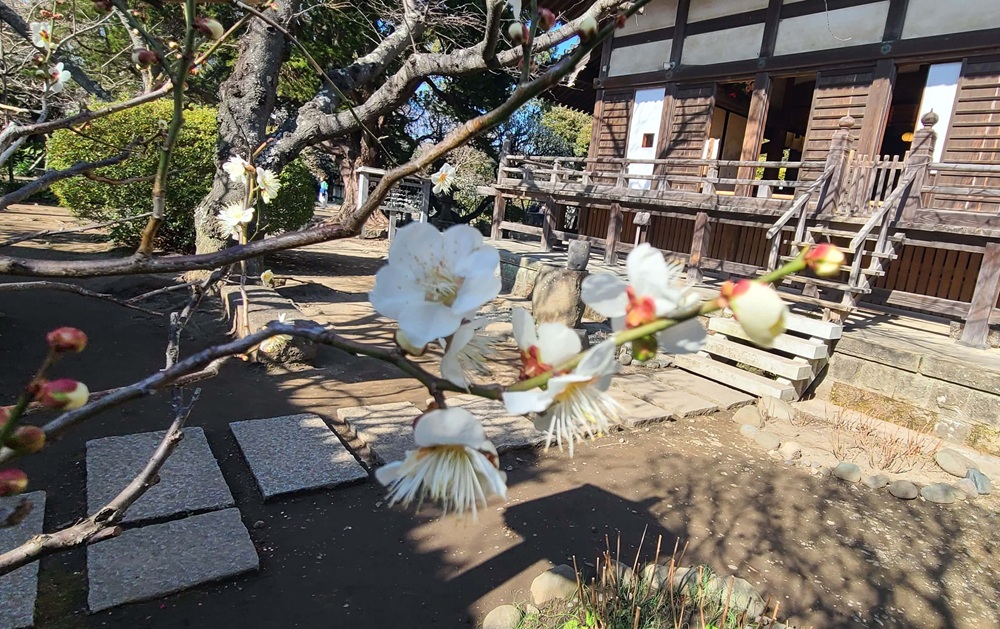
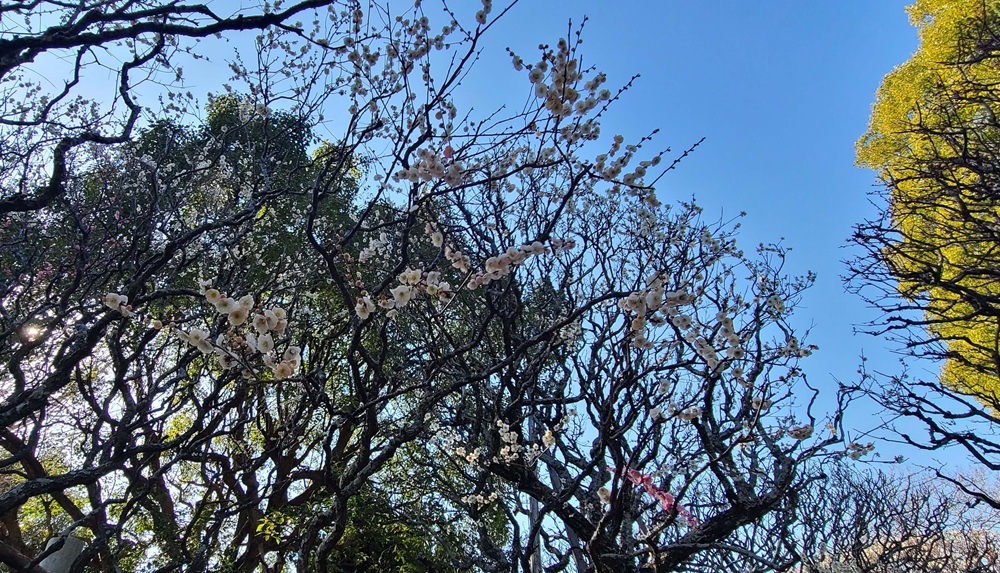
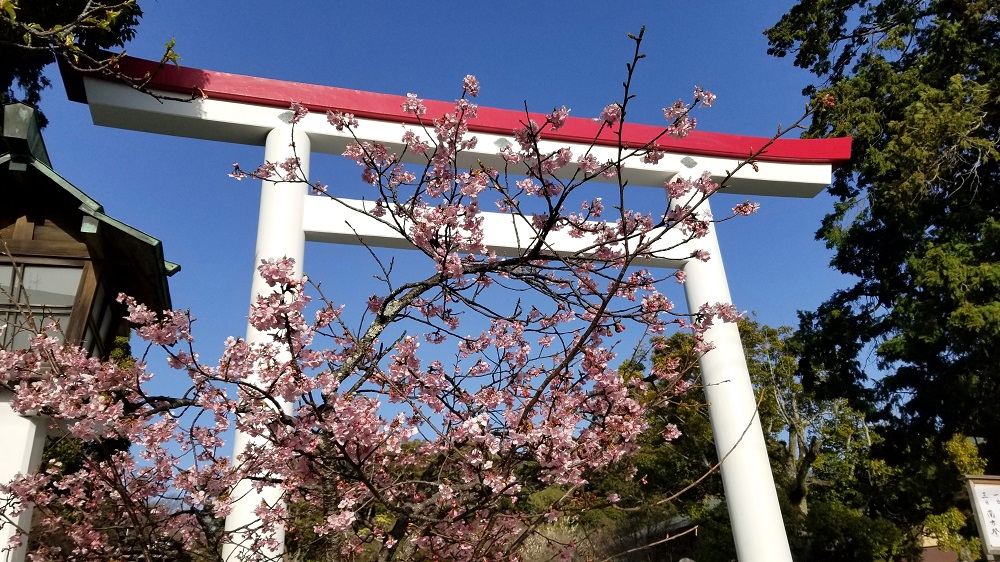
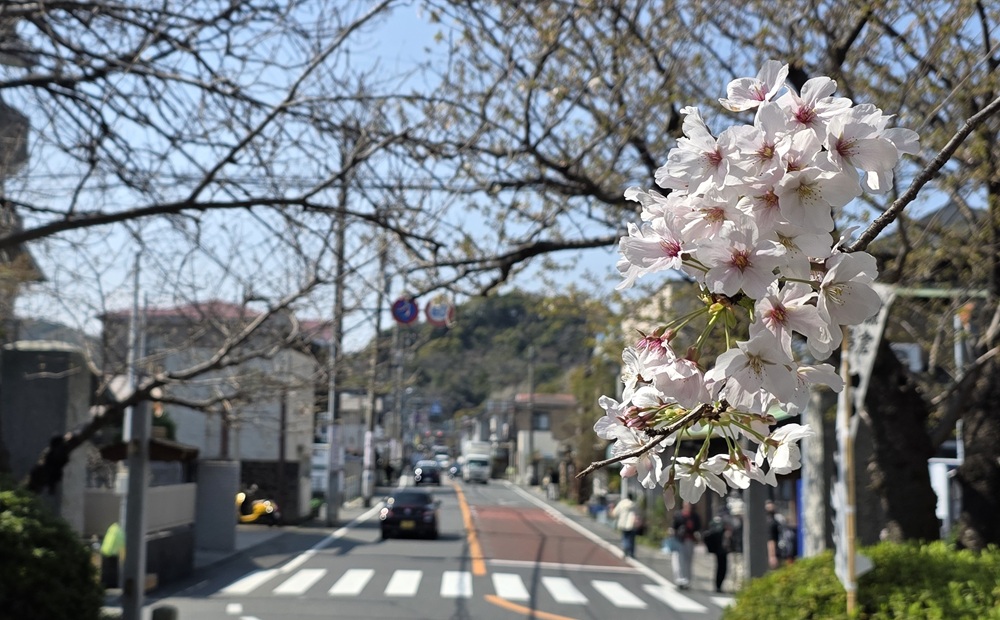
The approach to Hōkai-ji is also spectacular during cherry blossom season.
Be sure to check out my blog about cherry blossom spots in Kamakura as well.
👉 Where can you see the beautiful cherry blossoms in Kamakura?
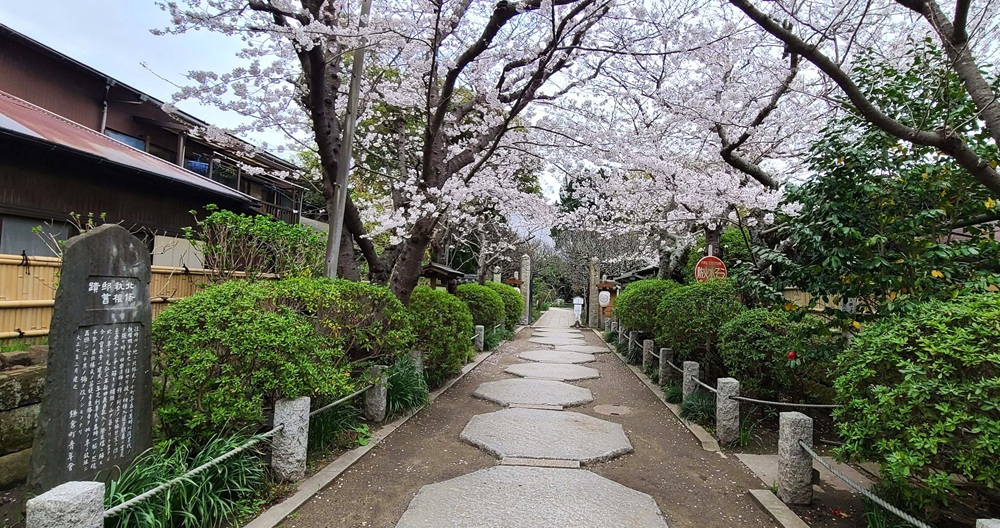
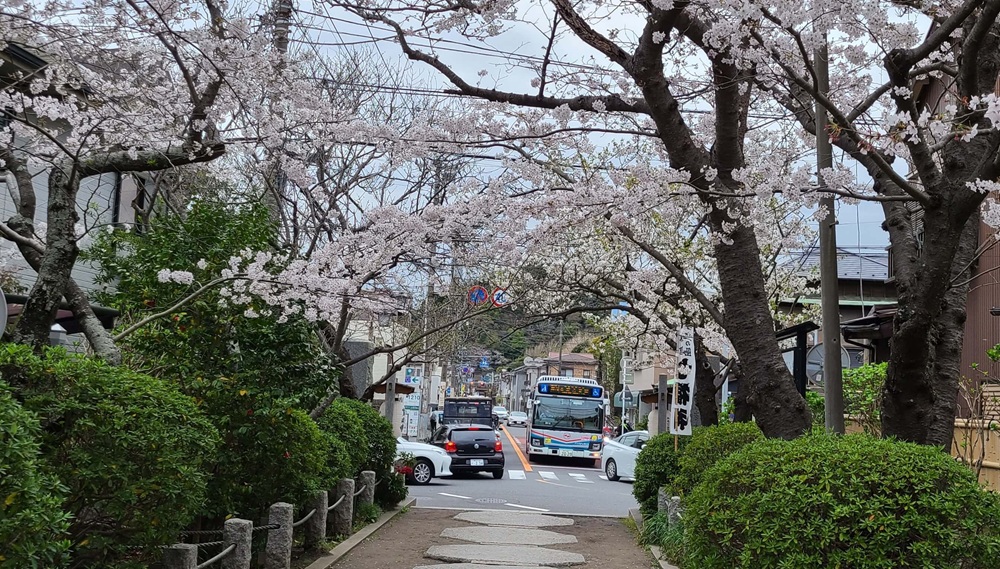
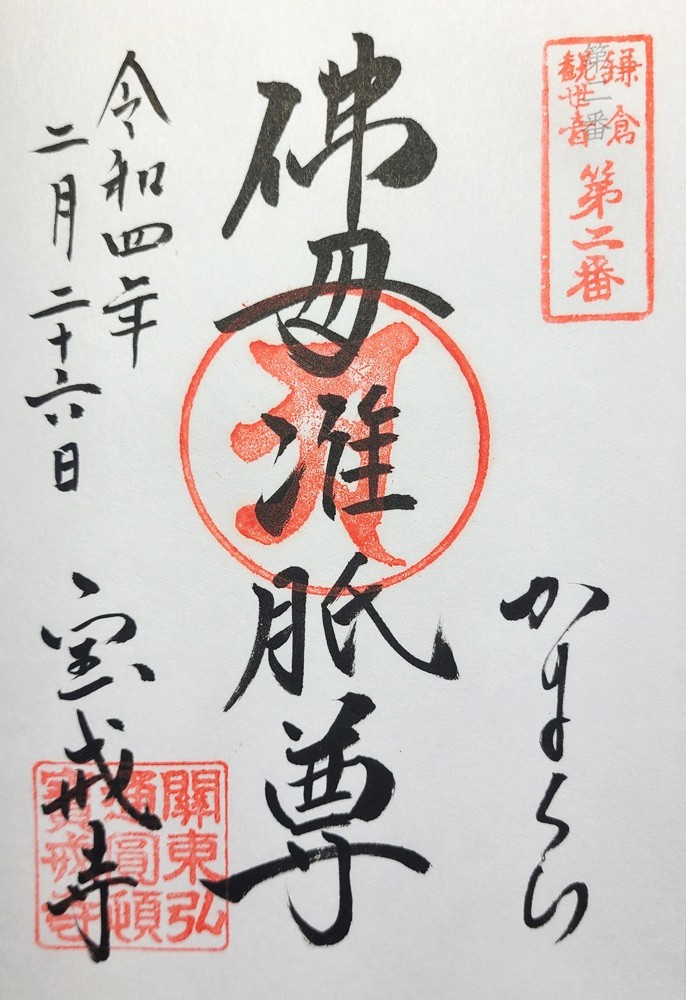
The goshuin (temple stamp) of Hōkai-ji is also impressive.
The principal image is the Kosodate Kyōyomi Enmei Jizō, considered the first of the Kamakura 24 Jizō. The temple also enshrines Juntei Kannon, the second of the Kamakura 33 Kannon, and Bishamonten of the Kamakura-Enoshima Seven Lucky Gods.
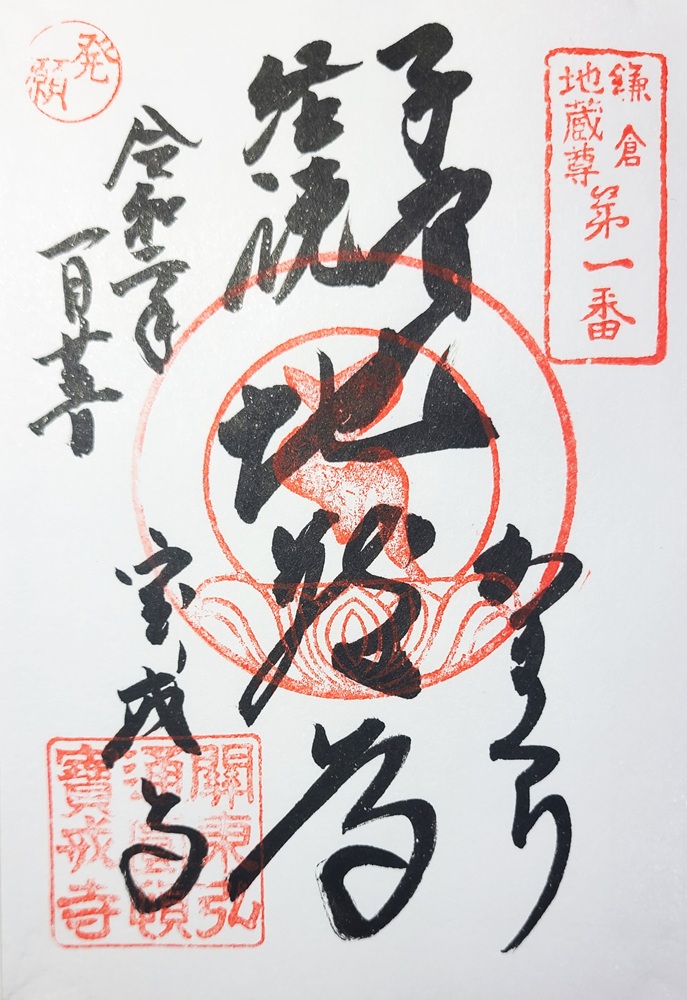
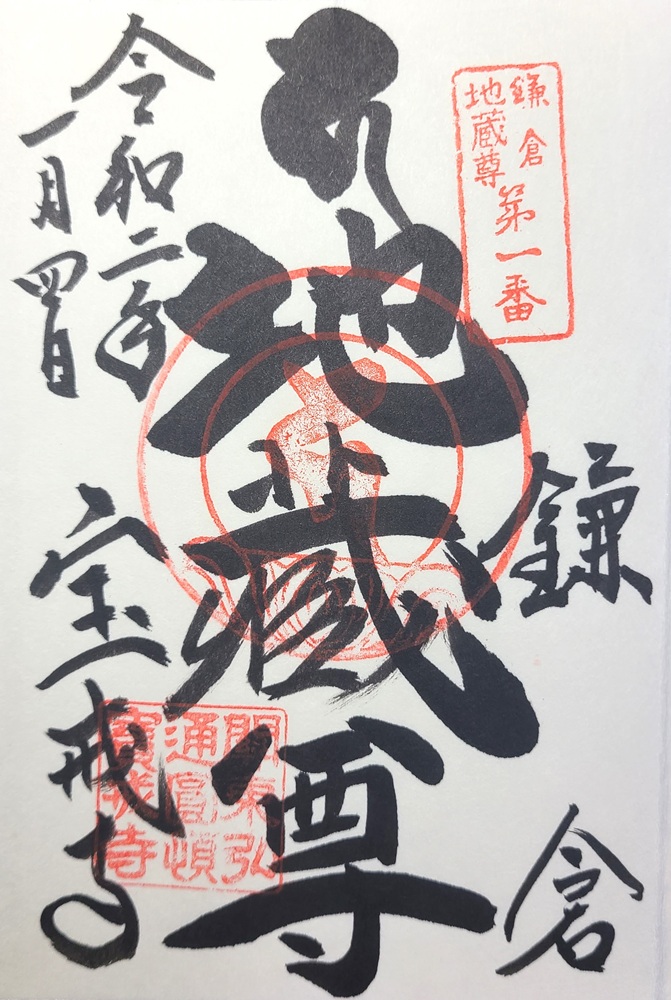
When visiting Kamakura, be sure to bring a goshuin-chō (temple stamp book) you like. Of course, you can also purchase one at the temple on the spot.
A protective pouch for your goshuin-chō is also nice—such as a Japanese-made Kinran Nishijin-ori bag from Kyoto, featuring a black dragon design.
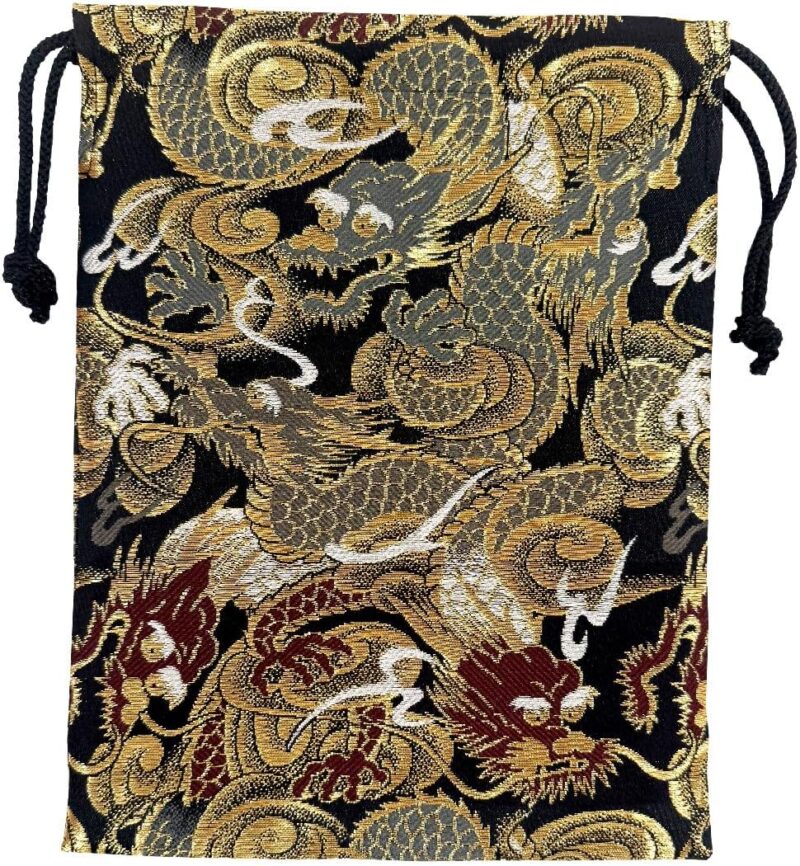
The item was purchased through your Amazon website.

Access
Address
3-5-22, Komachi, Kamakura, Kanagawa Prefecture 248-0006, Japan
Phone : 0467-22-5512
Fax : 0467-22-5988
Opening hours
April – September 9 : 30 – 16 : 30
October – March 9 : 30 – 16 : 00
Admission Fees
General Admission fee (Age 16+) : 300 yen
Junior high school student (Age 13 – 15) : 200 yen
Children (Age 7 – 12) : 100 yen

It’s about 900 meters from Kamakura Station, roughly a 12-minute walk.
コメント