

Chasen Kuyō is a memorial ceremony in which worn-out chasen (bamboo tea whisks used in the Japanese tea ceremony) are respectfully burned as an offering, expressing gratitude for their service. Like Hari Kuyō (memorial service for broken sewing needles) and Fude Kuyō (memorial service for used writing brushes), it is a ritual that conveys appreciation and thanks for the tools that have faithfully served their purpose.
Schedule
May 23rd, from 10:30 a.m.
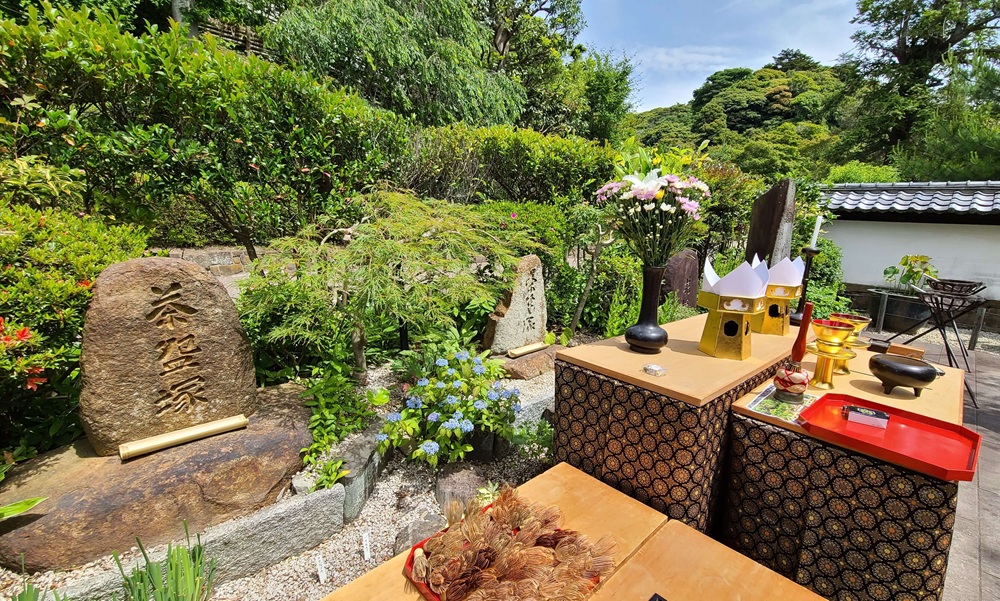
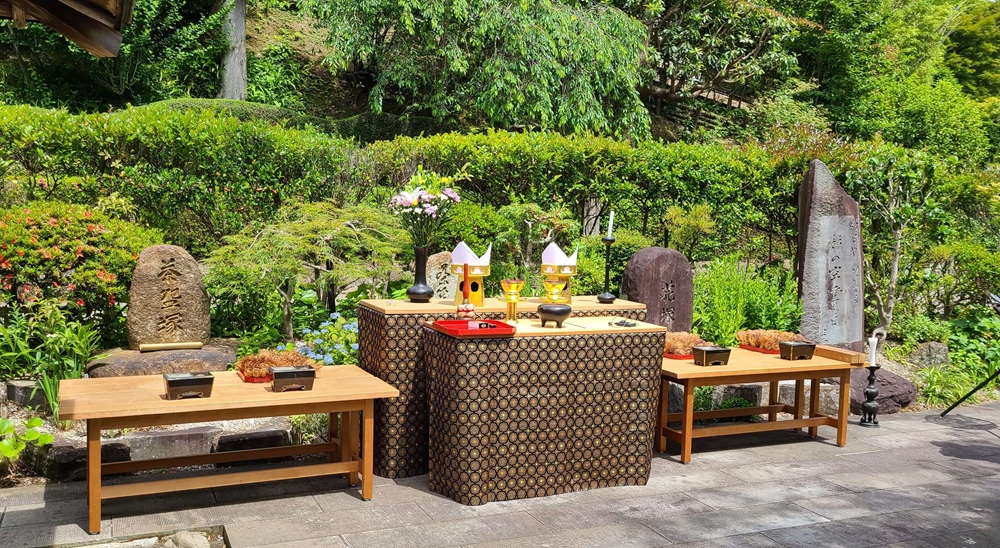
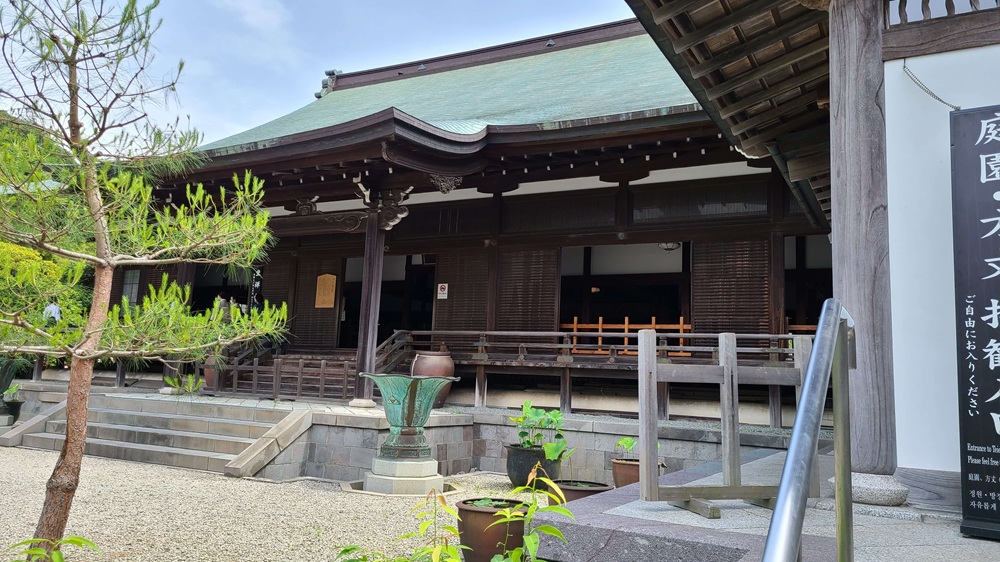
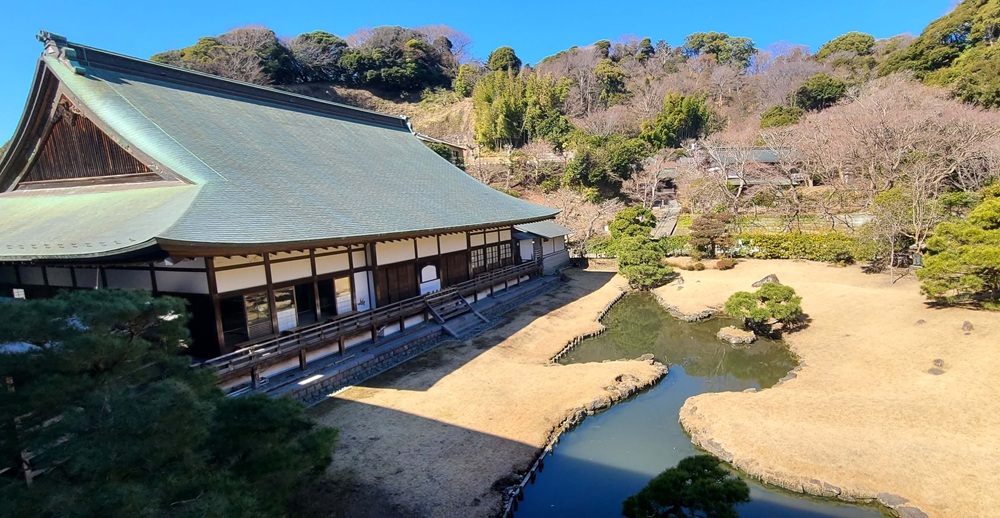
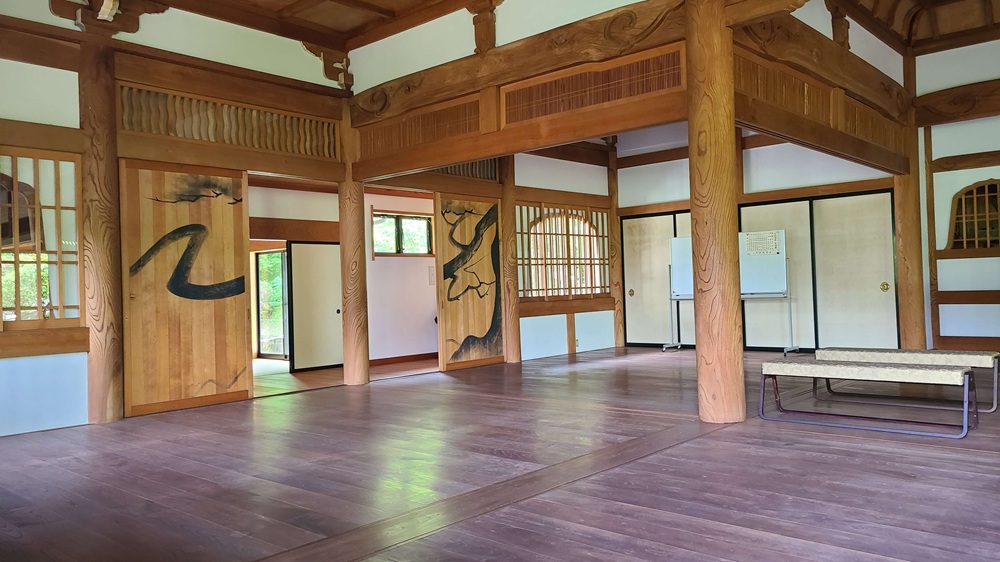
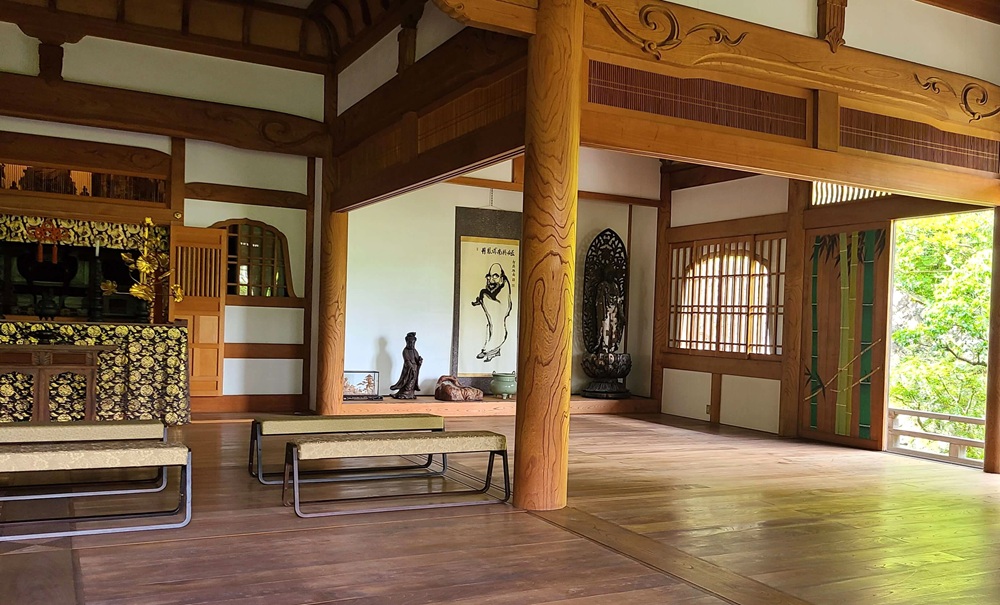
It is usually held in the Hōjō which is the abbot’s quarters. However in 2023 when I observed it the ceremony took place in front of the Chasen-zuka stone monument by the Karamon gate due to the COVID-19 pandemic.
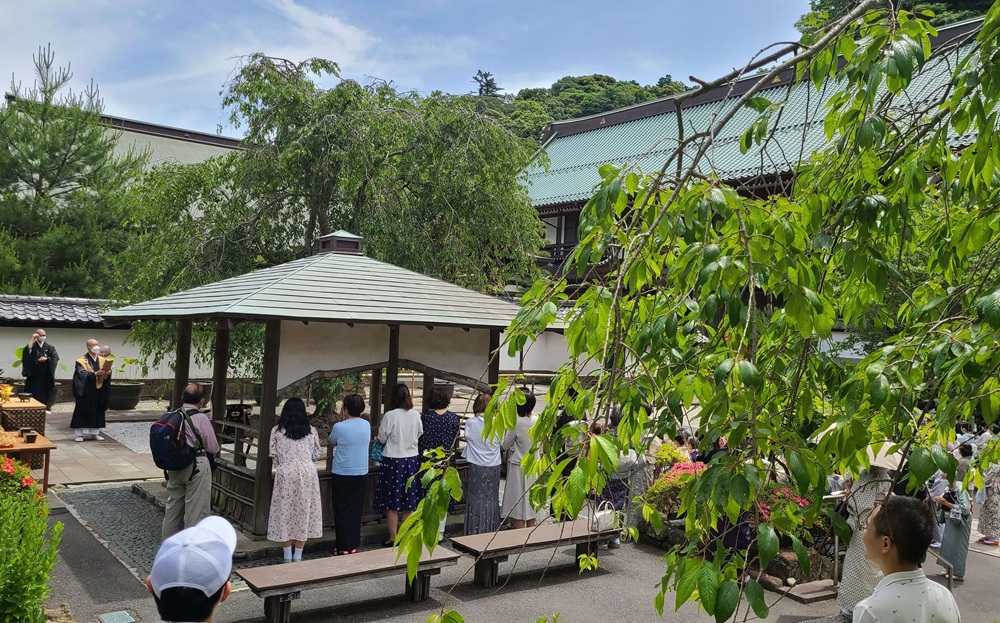
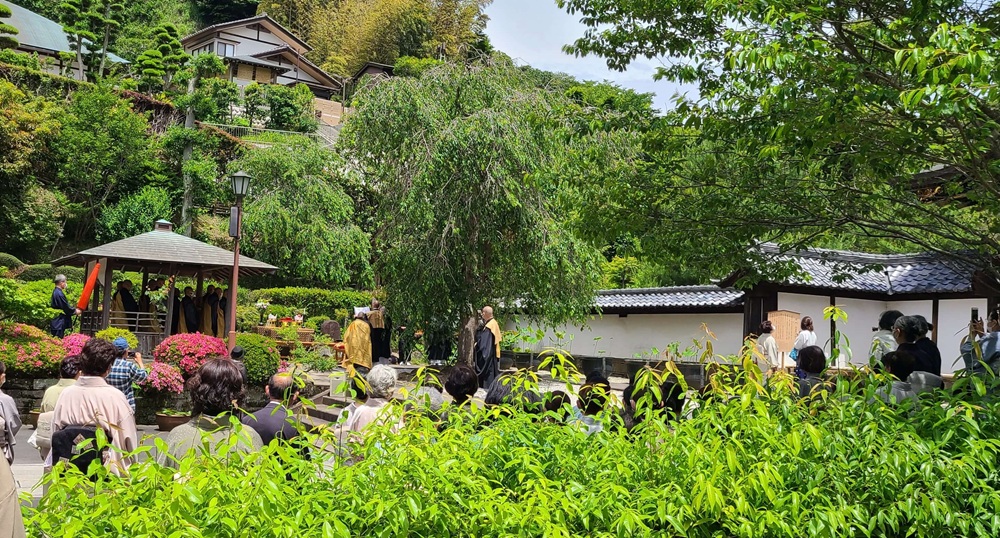
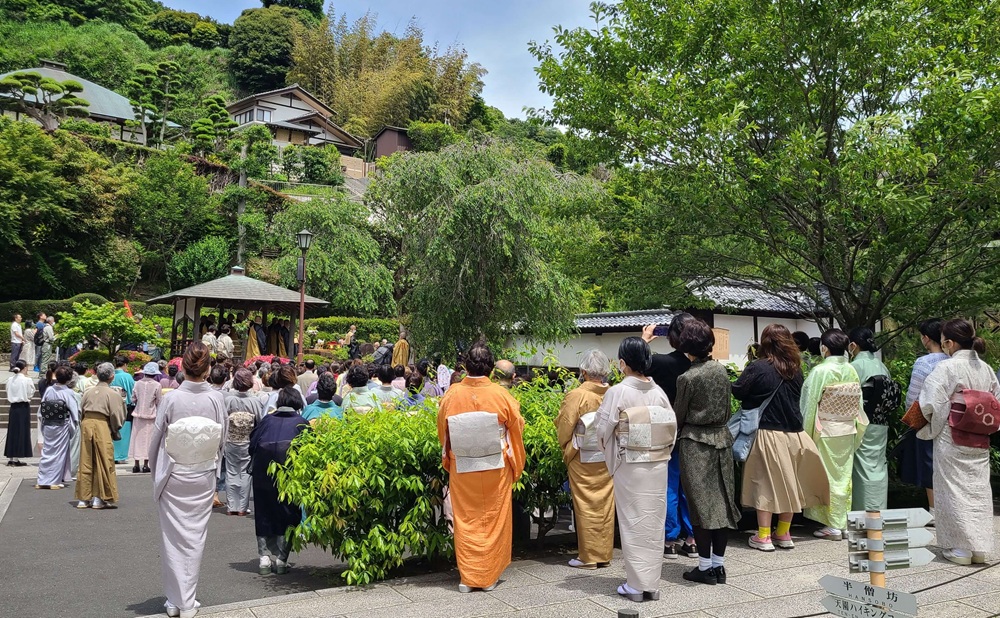
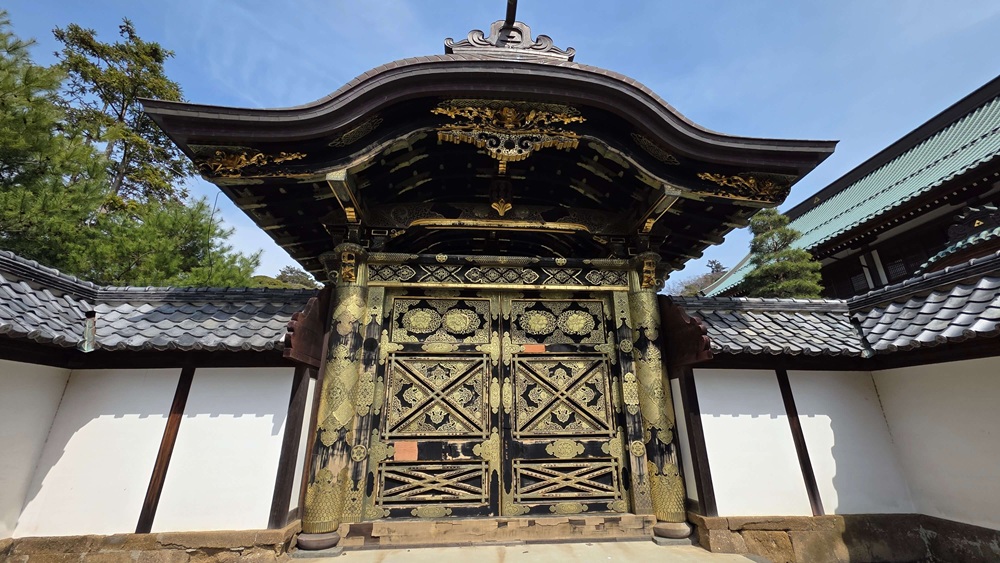
Just before 10:30 a.m. men and women of all ages dressed in kimono began gathering in front of the Karamon gate.
After the monks finished chanting the sutras there was a short talk. The ceremony ended at around 11:00 a.m.
There were more than ten monks in attendance.
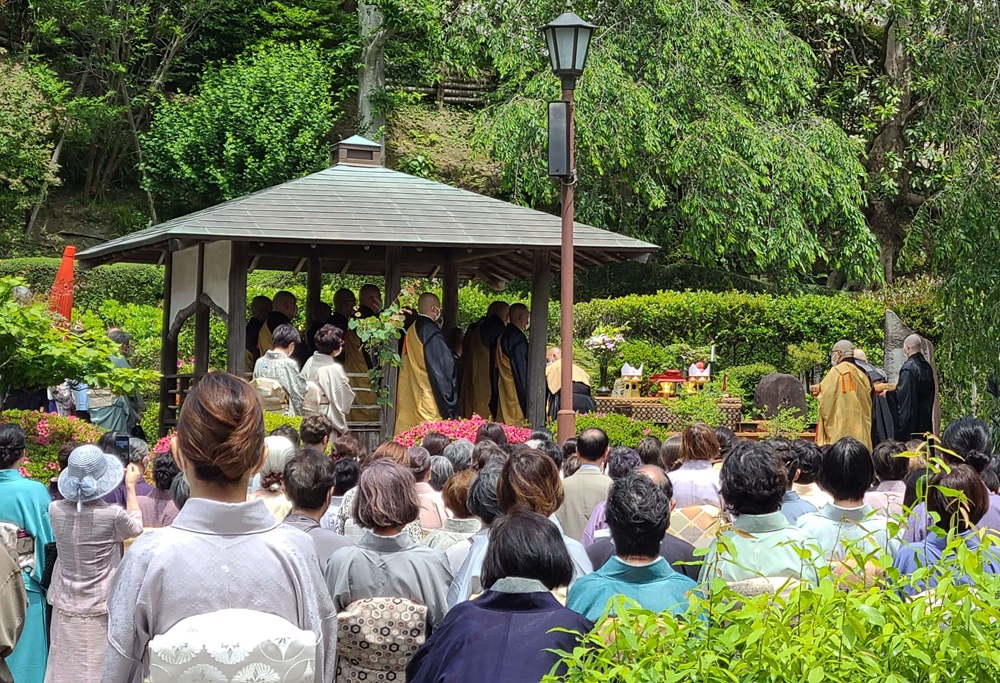
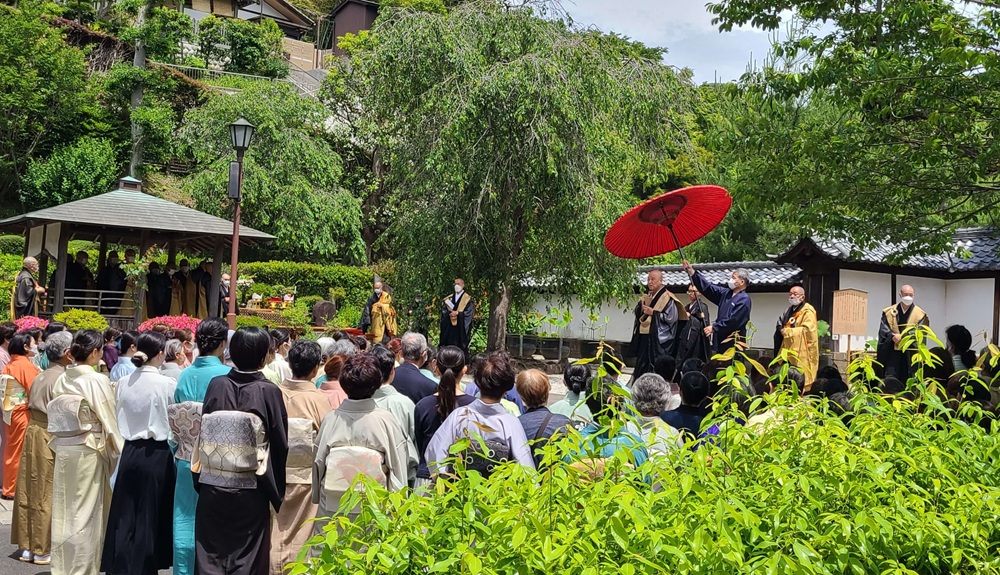
After the ceremony those who had registered in advance moved to the Hōjō.
Participants are welcome regardless of tea school affiliation including Urasenke Sohen-ryu and Omotesenke.
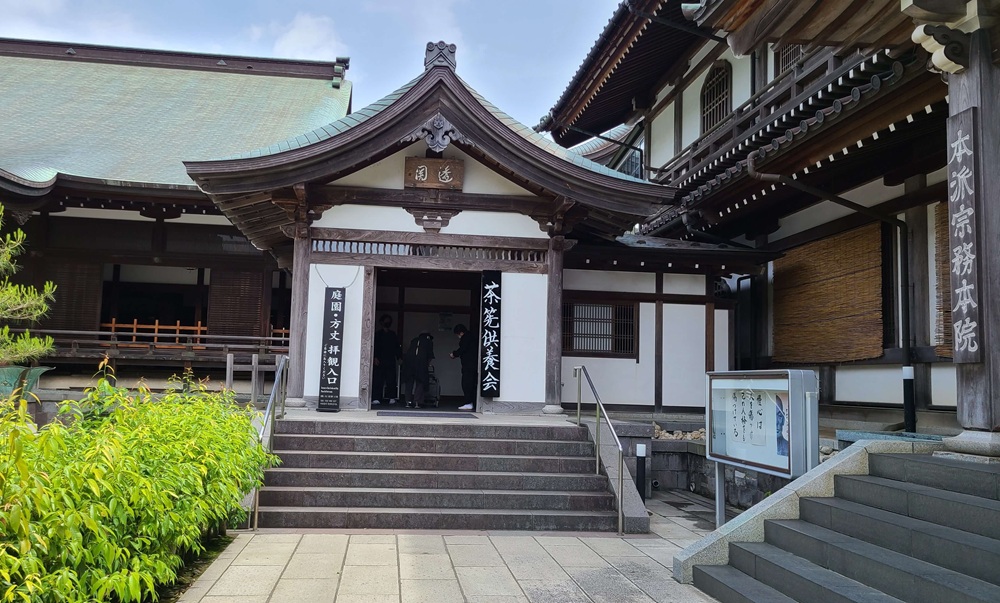
According to comments from those who participated…
It was my first time participating, but the participation fee of 7,000 yen, which included two tea ceremonies of the Sohenryu and Omotesenke schools and light meals, was quite reasonable by normal standards.
★Information on how to apply in previous years.
Date and Time: Sunday, May 28, 2023, at 10:30 a.m.
Location: Chasen-zuka at Kencho-ji Temple (in front of the Karamon gate) In case of rain, the ceremony will be held at Ryuo-den
Offering Fee: 7,000 yen per person
Includes two tea gatherings (Sohen-ryu and Omotesenke) and a light meal (boxed lunch)
👉 Kenchoji「茶筅供養会のお知らせ」
Chasen
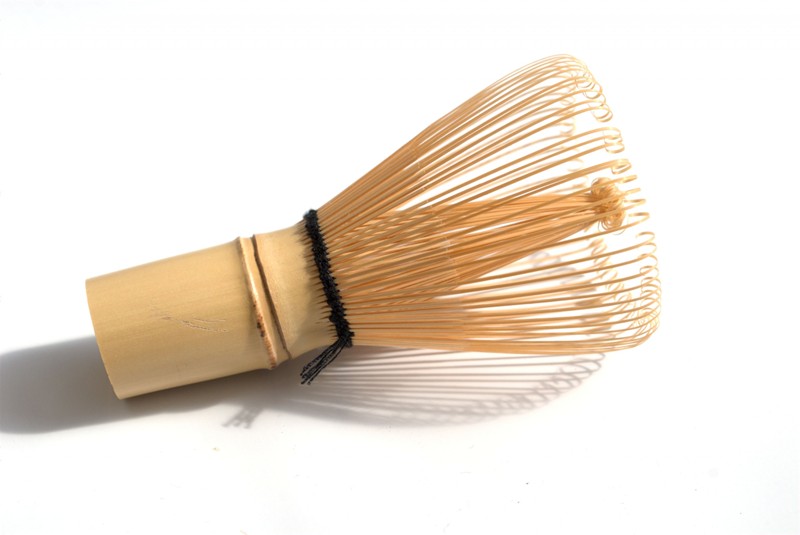
A chasen is a bamboo tool used in the Japanese tea ceremony to whisk matcha powder with hot water. Its delicate tines create a fine froth, making it an essential instrument in preparing matcha and an indispensable part of Japanese tea culture.
The Beginning of Tea
Tea was first introduced to Japan about 1,200 years ago, in the early Heian period. It is said that the monks Saichō and Kūkai, who studied in China, brought back tea seeds and leaves, marking the beginning of tea in Japan.
According to historical records, in 815, the monk Eichū prepared tea for Emperor Saga, which is considered the first instance of tea being consumed in Japan. At that time, tea was valued as a medicinal herb, and only monks and members of the aristocracy were allowed to drink it.
Later, in the Kamakura period, the Zen priest Eisai (1141–1215) brought tea seeds from China and wrote Kissa Yōjōki (“How to Raise Health Through Tea”), introducing the benefits of tea for health and longevity. This book is regarded as Japan’s first specialized text on tea, and it was even presented to the Kamakura shogunate’s shogun Minamoto no Sanetomo. Eisai wrote that “Tea is a medicine for nurturing life and a miraculous method for prolonging one’s years,” which must have made a profound impression on people at the time.
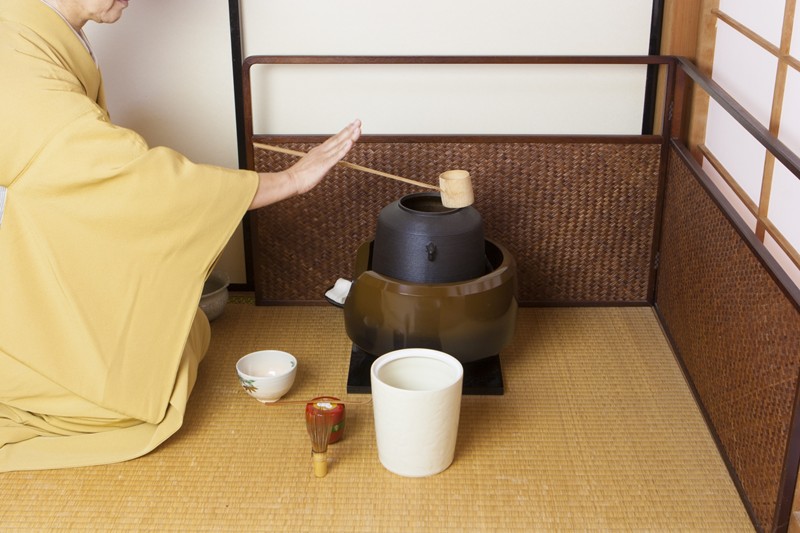
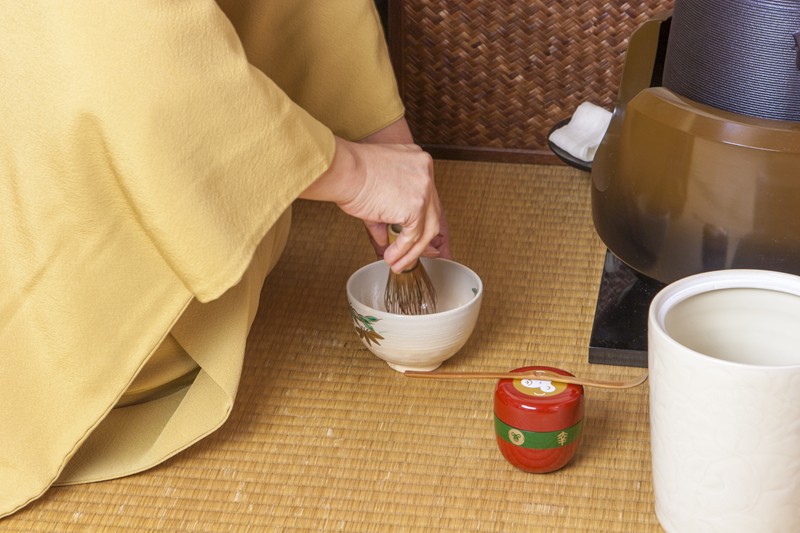
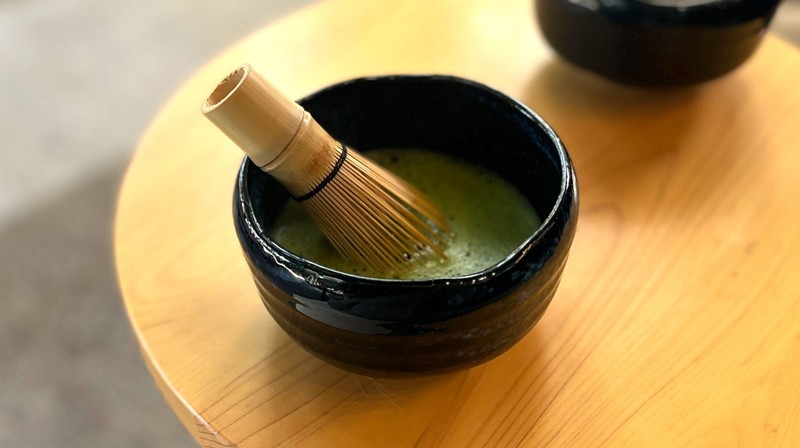
Matcha Set for Beginners – Authentic 6-Piece Trial Set of Tea Ceremony Utensils
Gift – Present – Offering
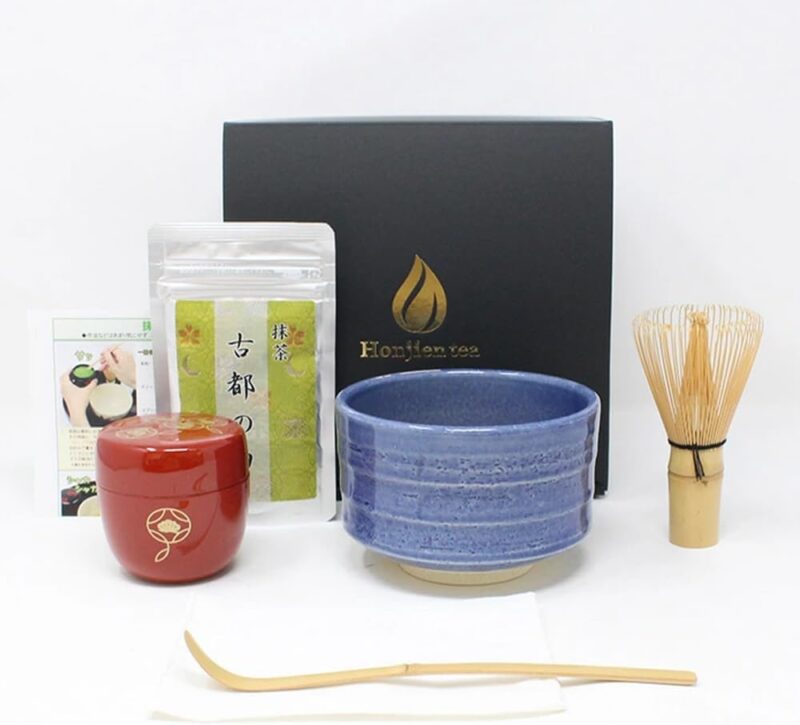
The item was purchased through your Amazon website.

Kenchoji
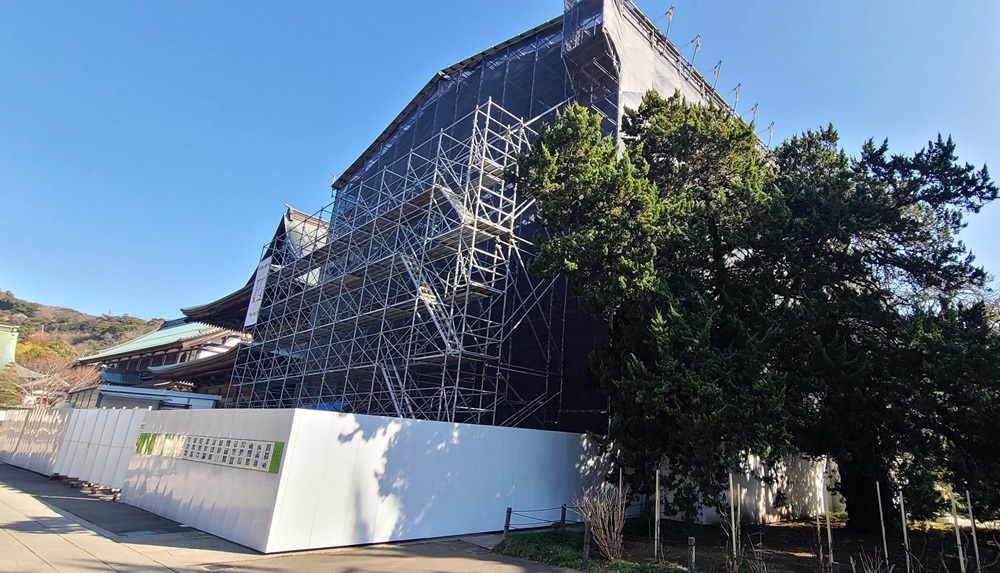
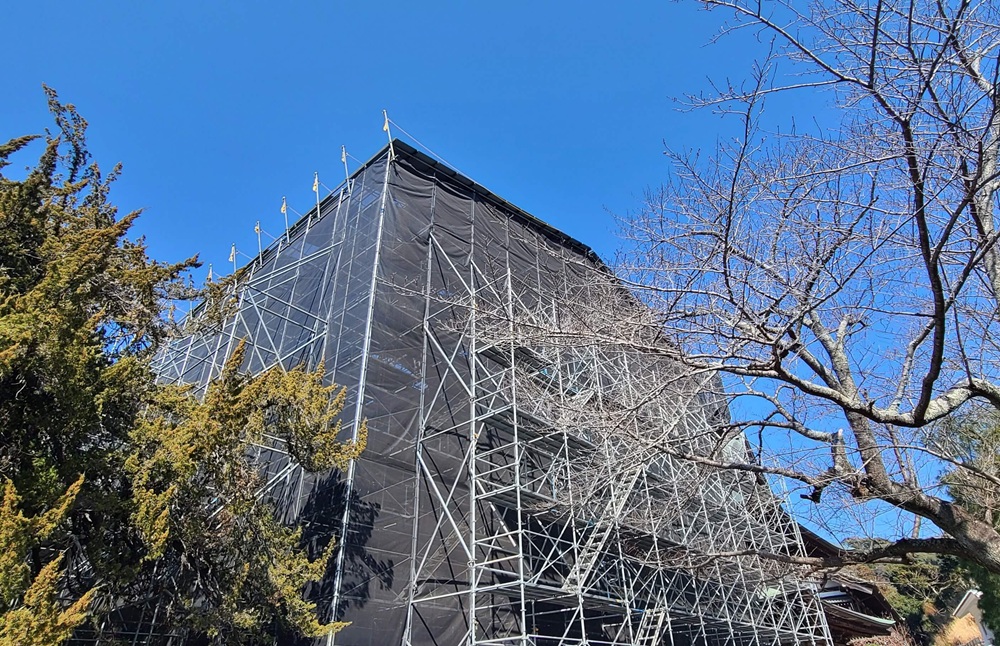
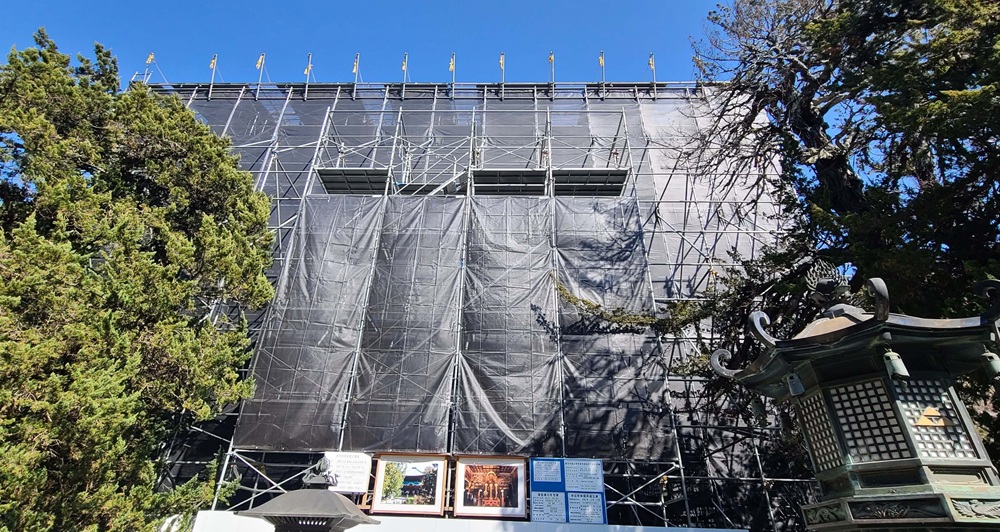
The Buddha Hall is currently under preservation and repair.
In 2028, the 750th memorial of Kenchō-ji’s founding priest Daikaku Zenji will be held. In preparation for this, Kenchō-ji Temple is carrying out preservation and repair work on the Buddha Hall, which is designated as an Important Cultural Property of Japan.
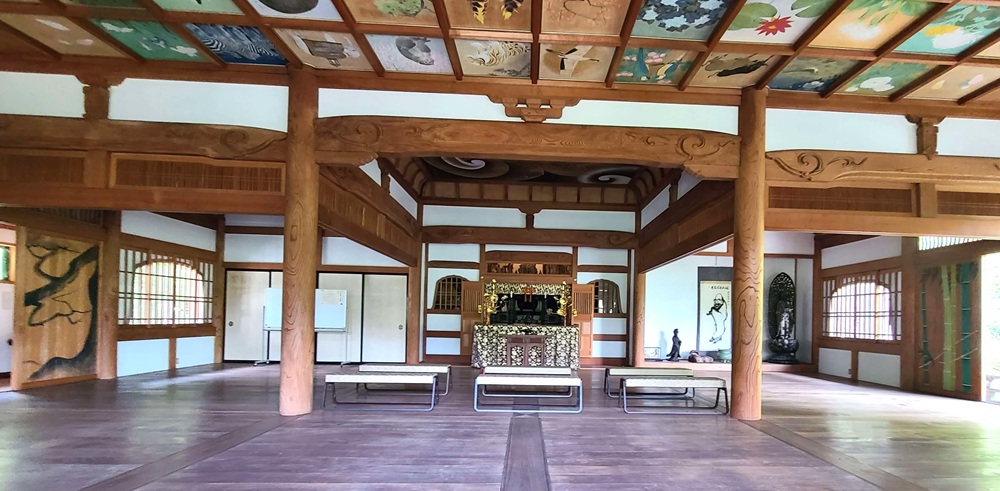
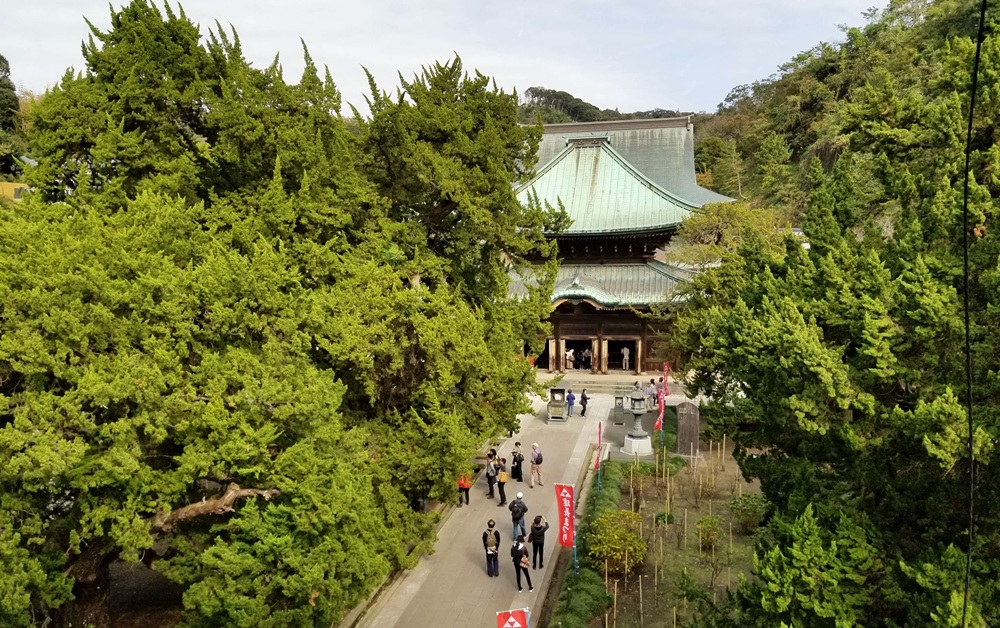
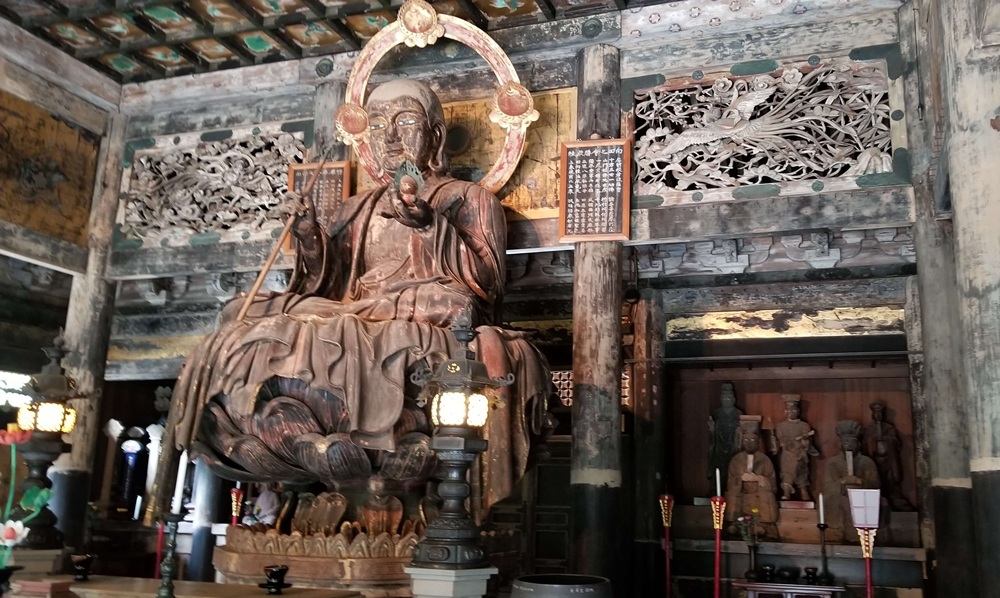
The Buddha Hall and its interior before the restoration.
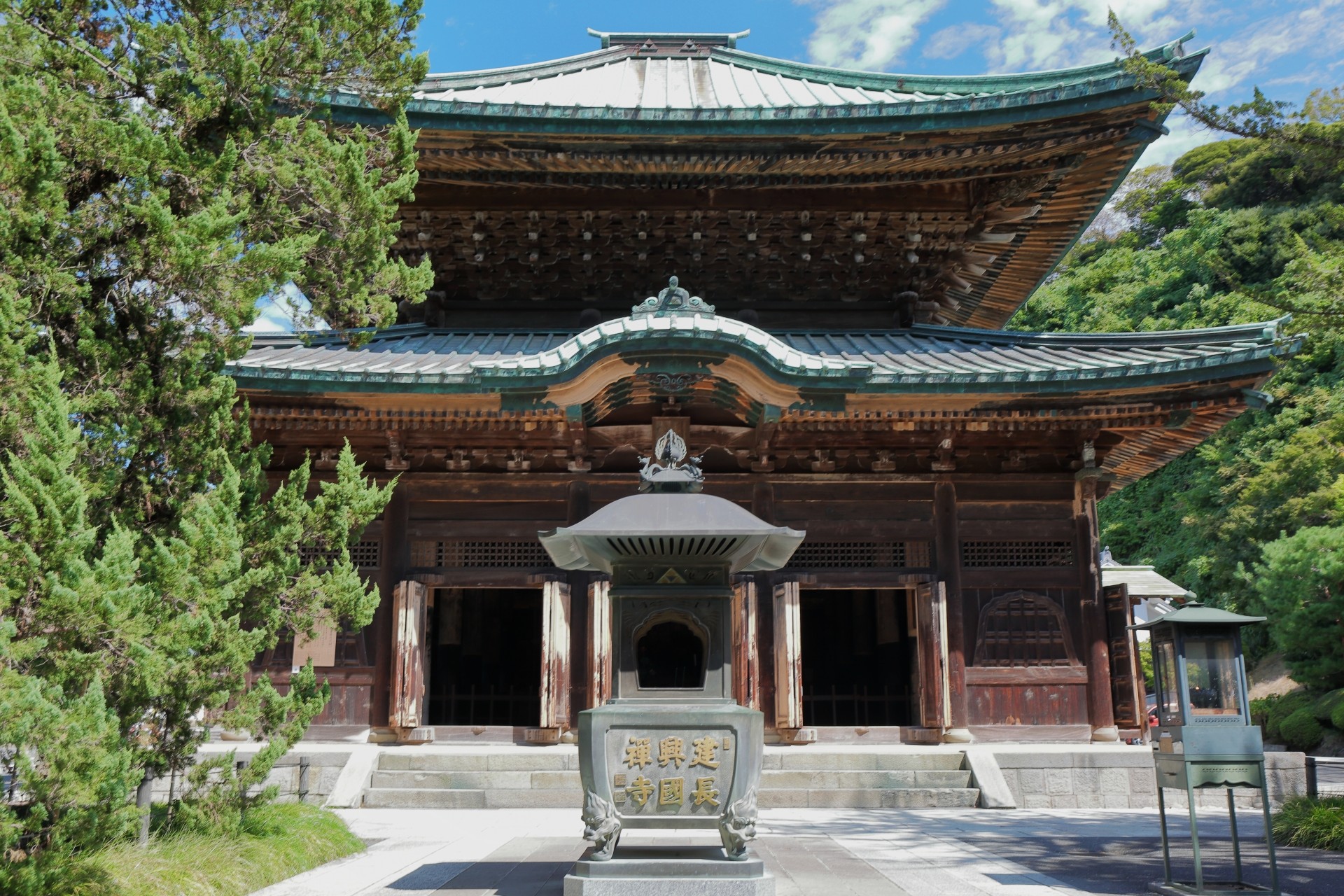
The Buddha Hall will be closed to visitors for construction until August 2027.
コメント