
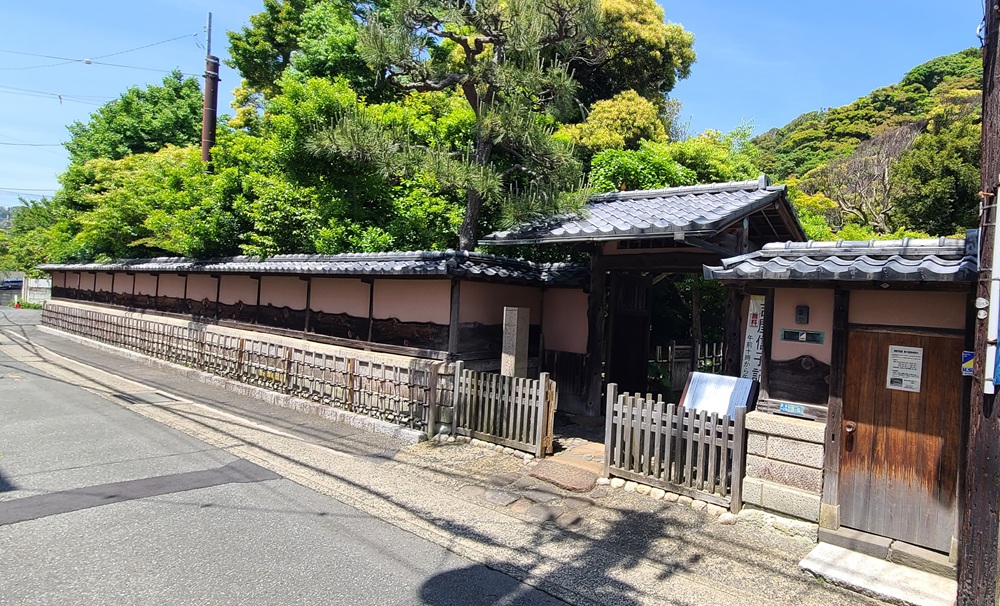
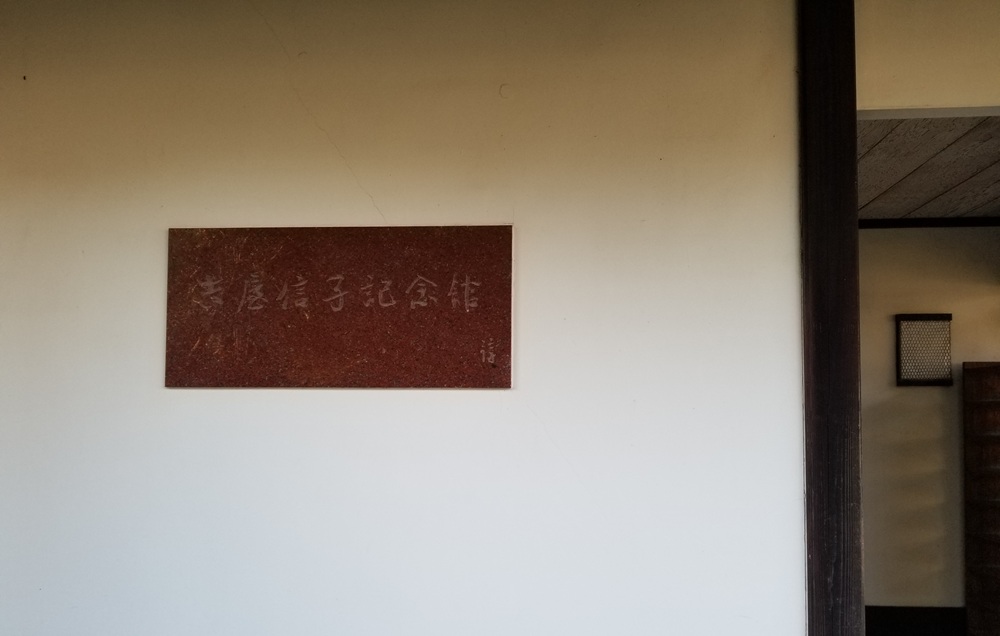
Open only in spring (May–June) and autumn (October–November), the Nobuko Yoshiya Memorial House is the former residence of the celebrated Shōwa‑era writer Nobuko Yoshiya.
The home was designed by Isoya Yoshida, one of the leading masters of modern sukiya architecture.
If you love architecture, literature, or quiet Kamakura walks, this is a place you won’t want to miss.
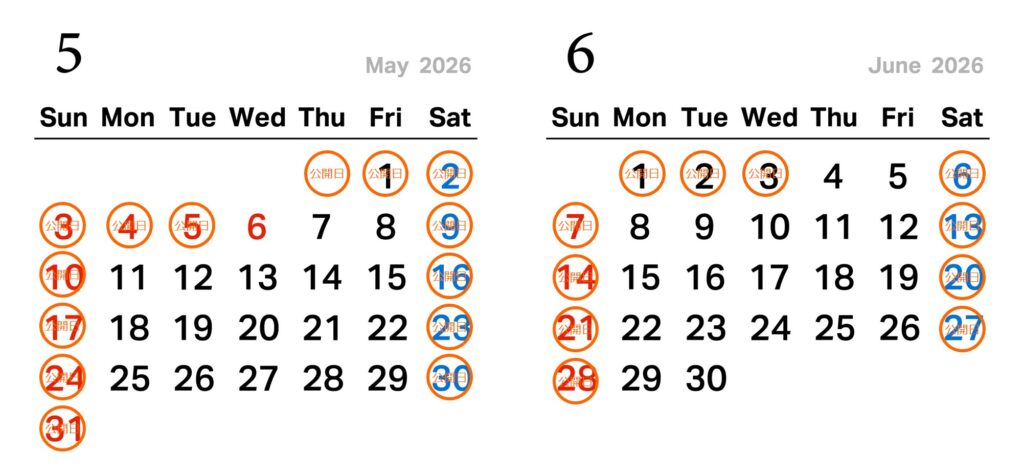
Public Opening Schedule
①April 30 – May 5
② All Saturdays and Sundays in May
③ June 1 – June 3
④ All Saturdays and Sundays in June
Opening hours: 10:00–16:00
(Last admission at 15:45)
Admission: Free
Structure and Exterior
The building is a single-story wooden house (with a concrete-block storage room attached) and a slate roof.
Building area: 213 m² (main house)
Year built: 1962 (Shōwa 37)
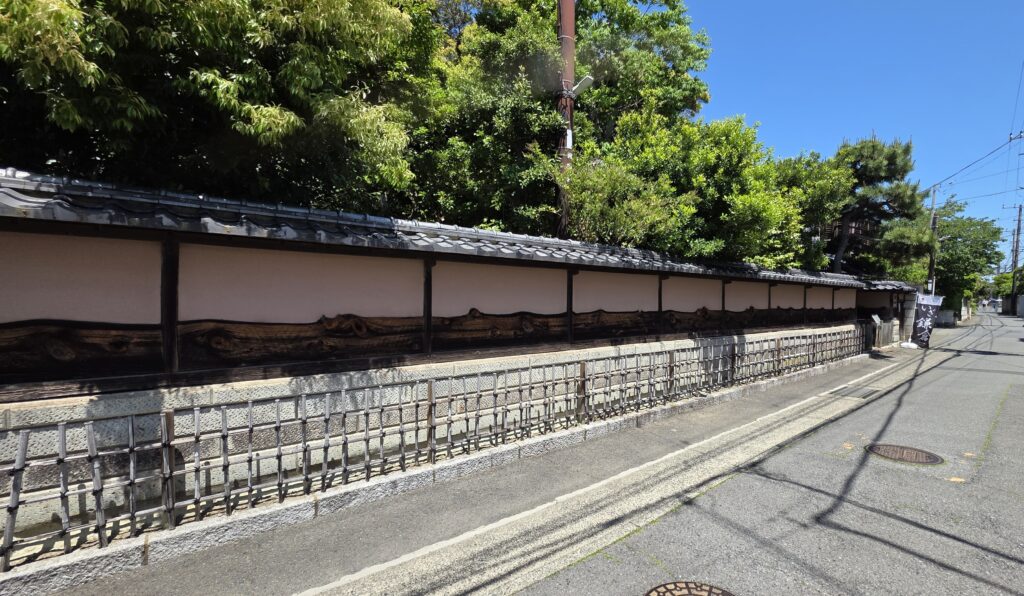
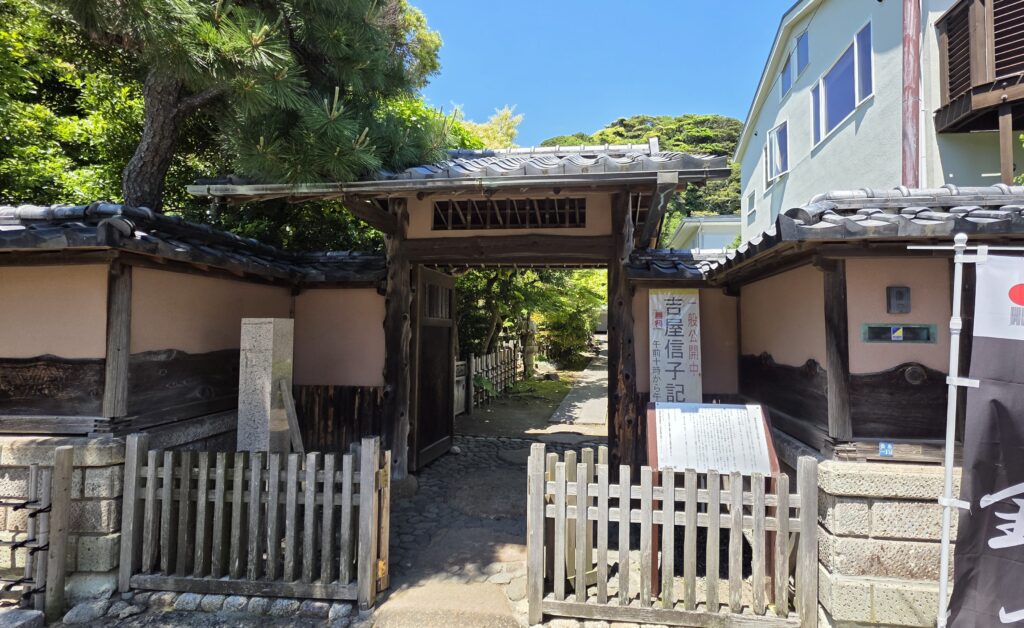
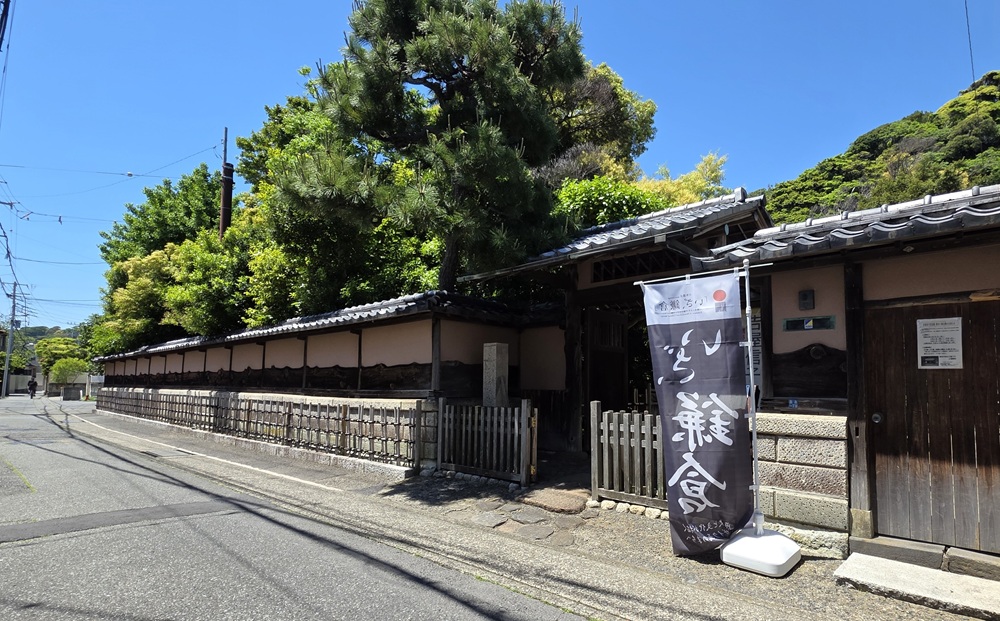
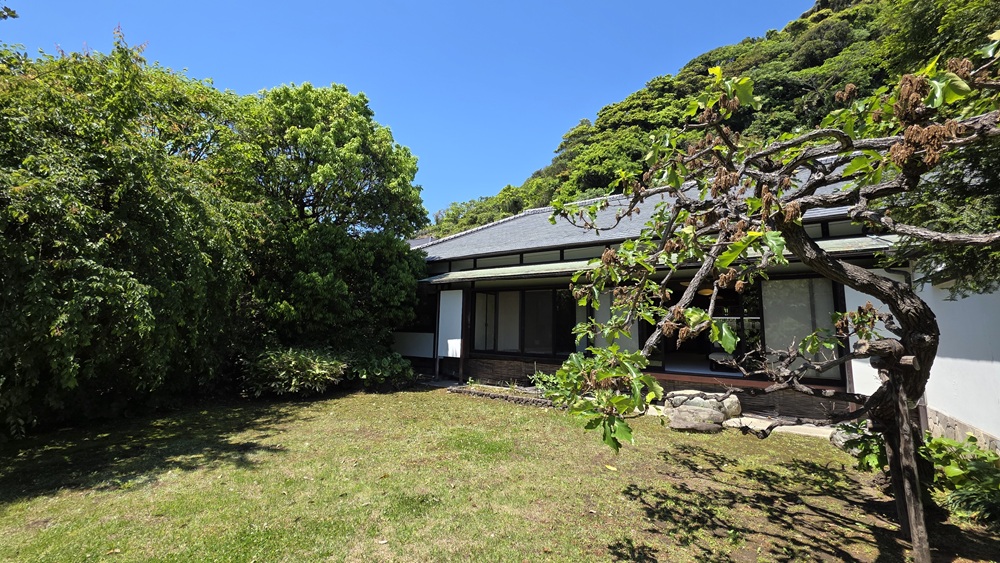
The exterior is a simple, calm Japanese-style residence.
Its long earthen wall and small gate blend beautifully with the quiet valley landscape of Kamakura.
Interior Layout
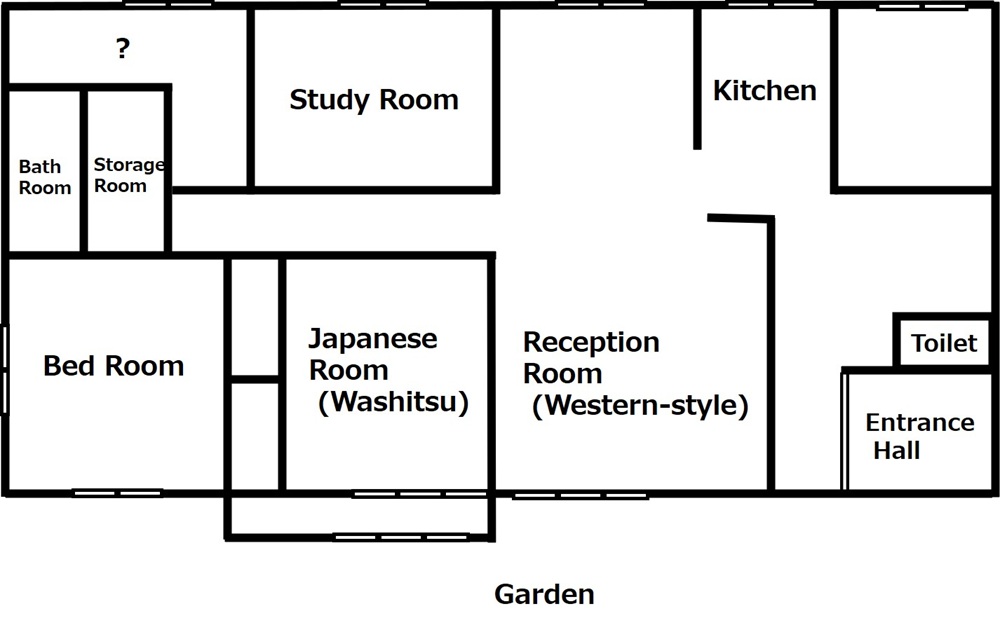
he floor plan follows a natural flow:
Entrance → Reception Room → Japanese Room → Study → Bedroom
This layout reflects Yoshida’s signature approach—spaces for daily life and creative work are connected seamlessly.
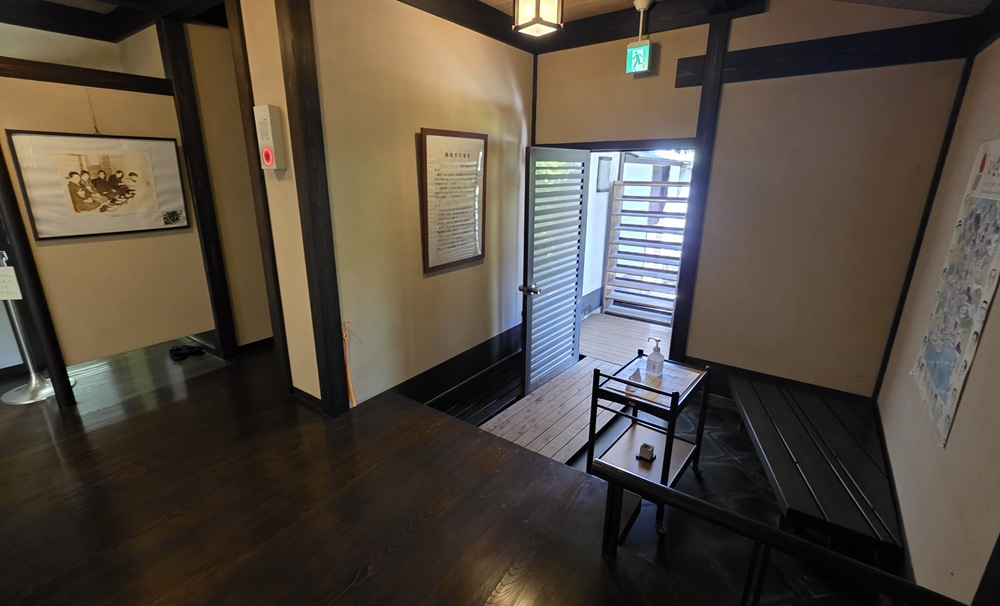
Entrance
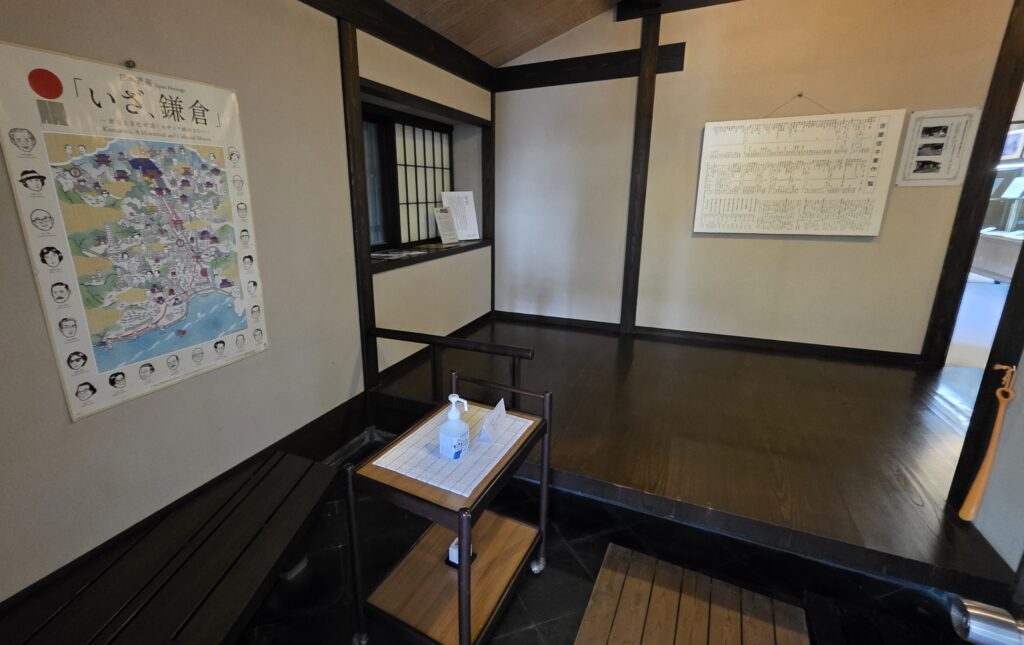
Unusually spacious by modern standards, the entrance sets a dignified tone for the home.
Reception Room (Western-style)
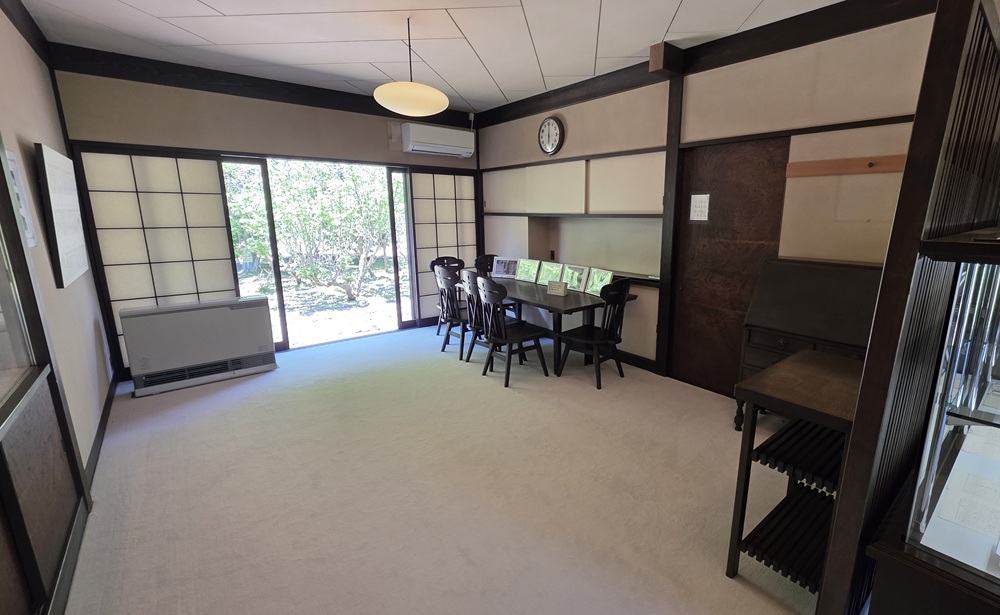
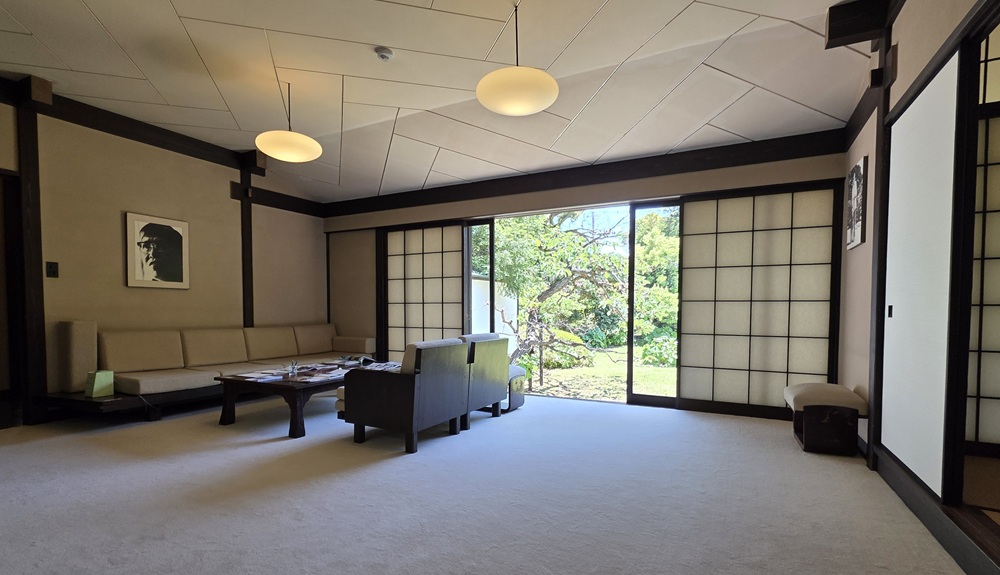
A bright, open room used for meeting guests and editors.
Large windows bring in soft natural light, creating a sense of openness.
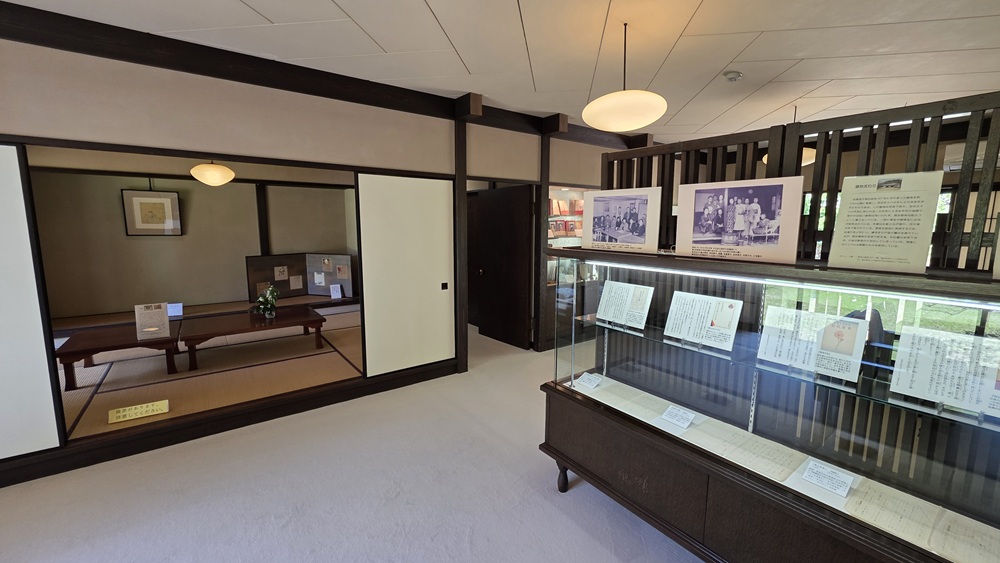
Photos of women writers and related materials are displayed here.
From the entrance:
To the right: a showcase and dining area
Straight ahead: the Japanese room
To the left: a sofa space
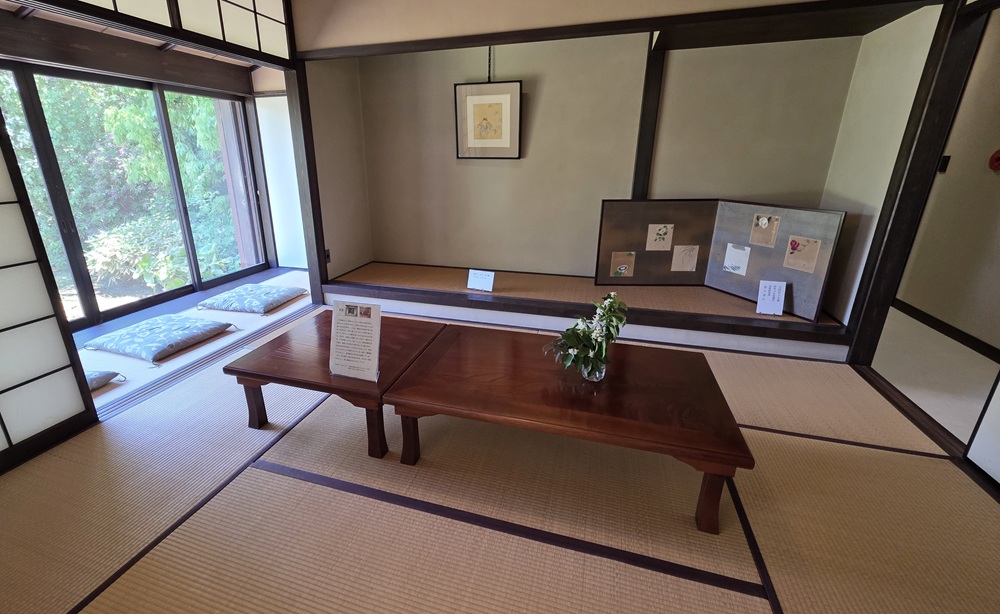
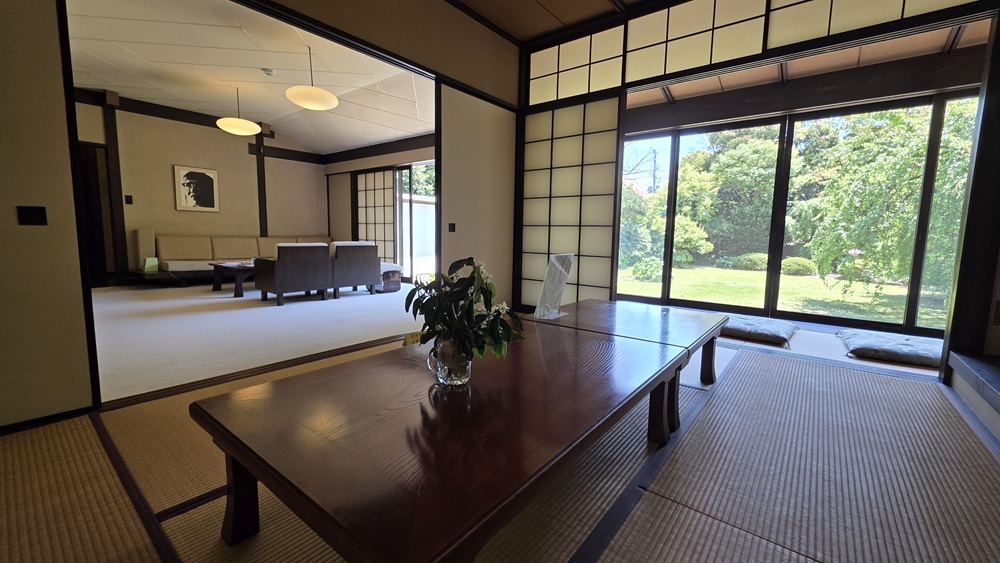
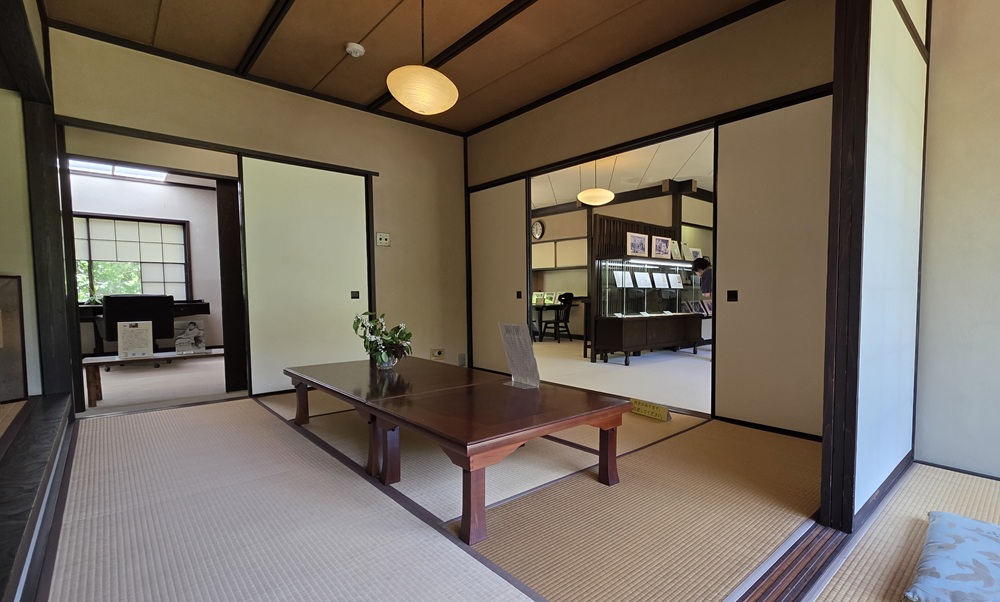
Japanese Room
Located beside the reception room, this space showcases refined sukiya craftsmanship.
The floor is raised slightly so that a person seated on a Western chair in the reception room naturally meets the eye level of someone sitting on the tatami.
What is Sukiya Architecture?
Sukiya architecture is a Japanese residential style rooted in the aesthetics of the tea ceremony.
It values simplicity, natural materials, subtle beauty, and quiet elegance.
Key features include:
Exposed pillars and beams
Carefully arranged shoji and fusuma
Minimal ornamentation
A sense of spaciousness created through “empty” space
The tokonoma here is designed without a decorative pillar, giving it a clean, modern look.
A dropped ceiling adds visual rhythm and softens the room’s atmosphere.
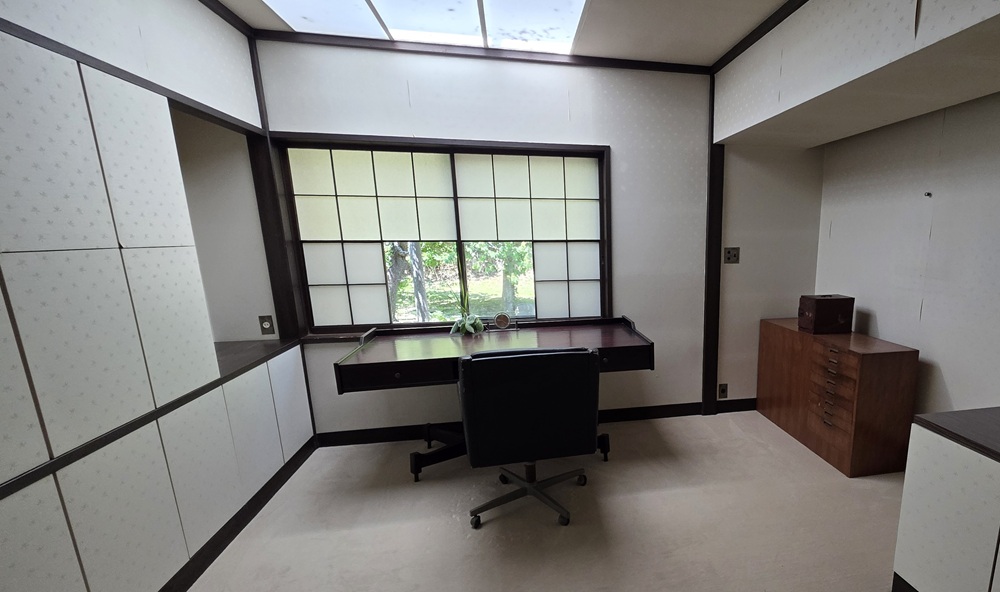
Study
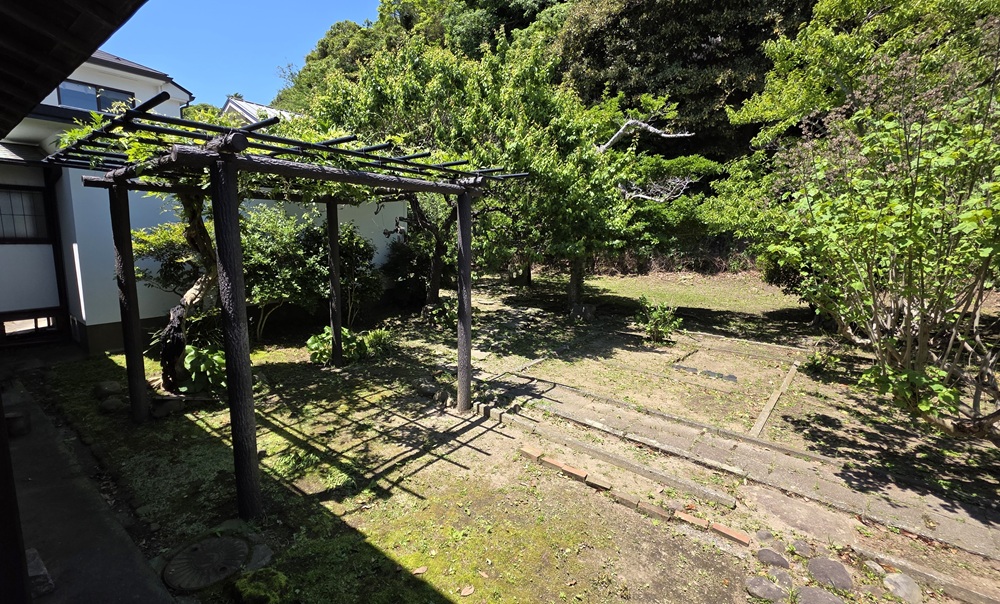
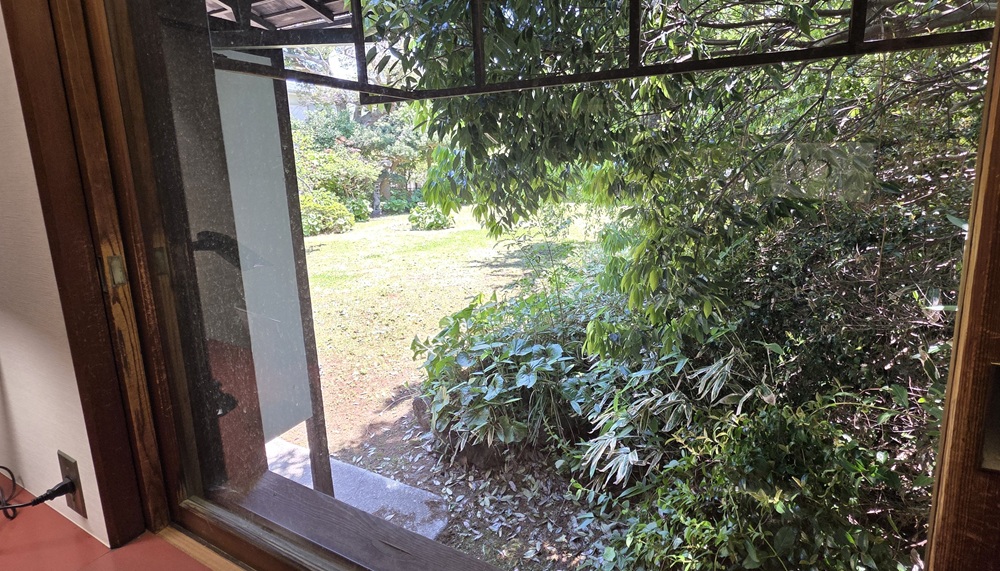
Located on the north side, overlooking the garden.
It is said that Yoshiya would rest her eyes by gazing at the greenery when tired from writing.
A shoji window is cut open to frame the view of the rear garden.
Visitors cannot enter the study itself.
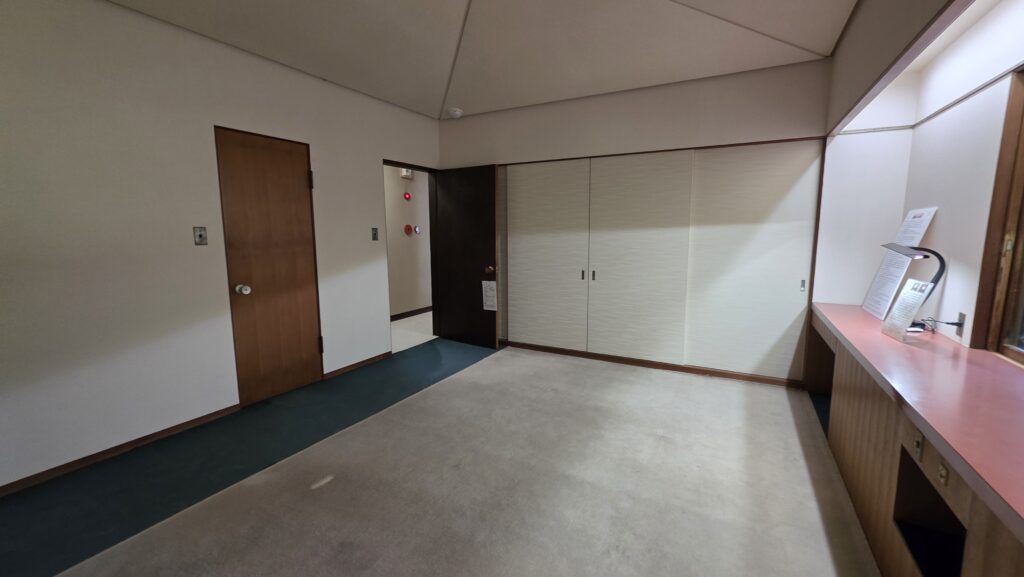
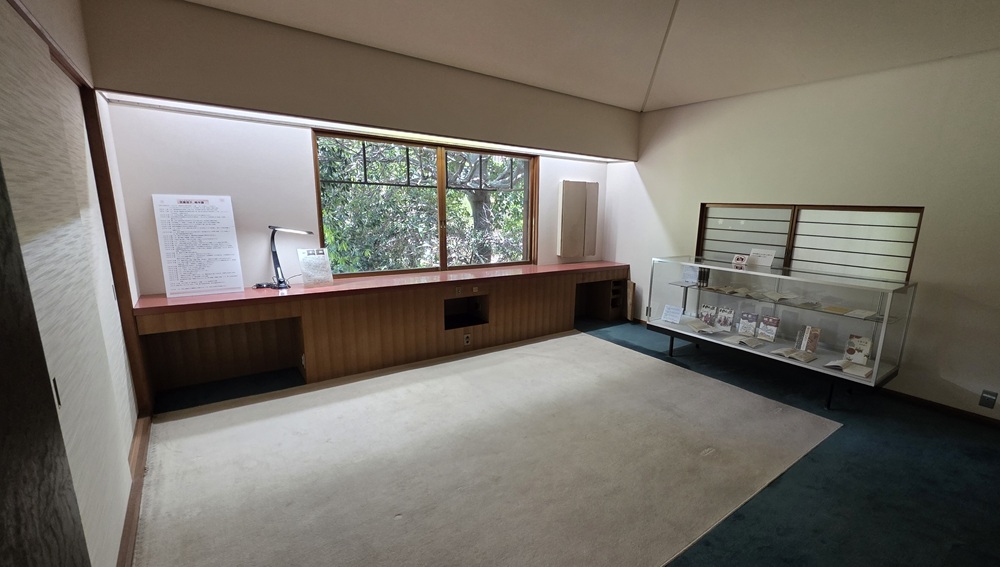
Bedroom
A rare space where the daily life of the writer remains intact.
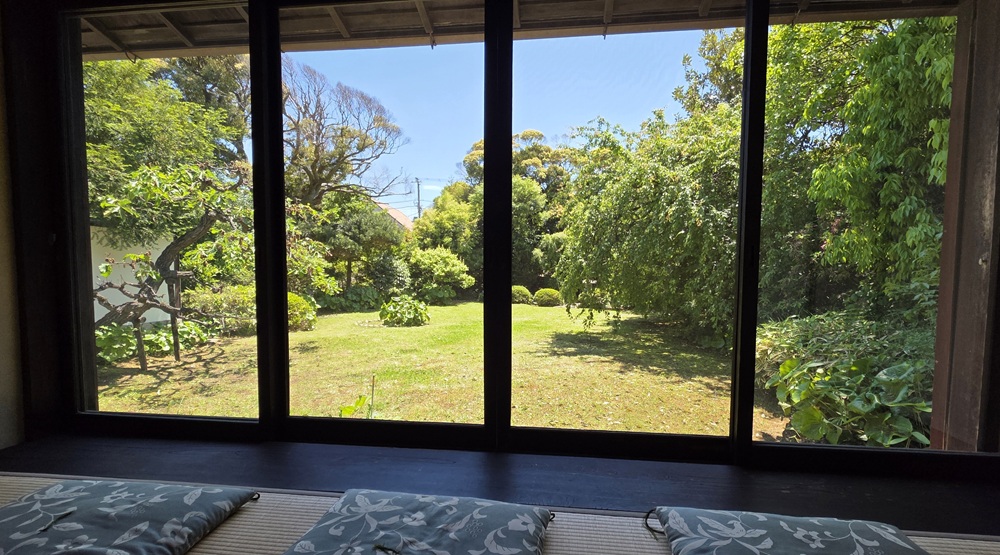
The window looks out onto the quiet valley garden, offering a glimpse into the peaceful environment where Yoshiya spent her final years.
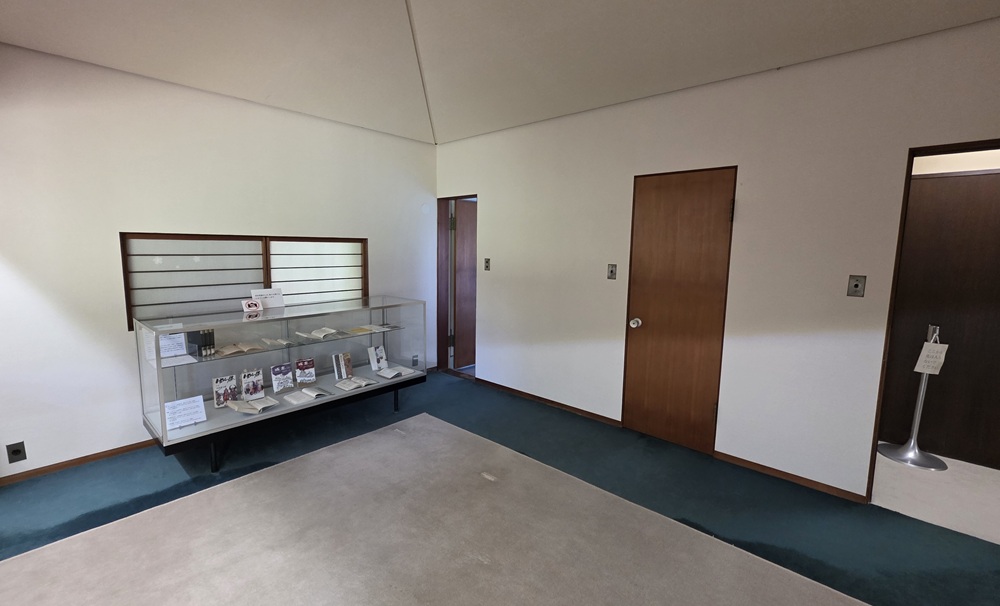
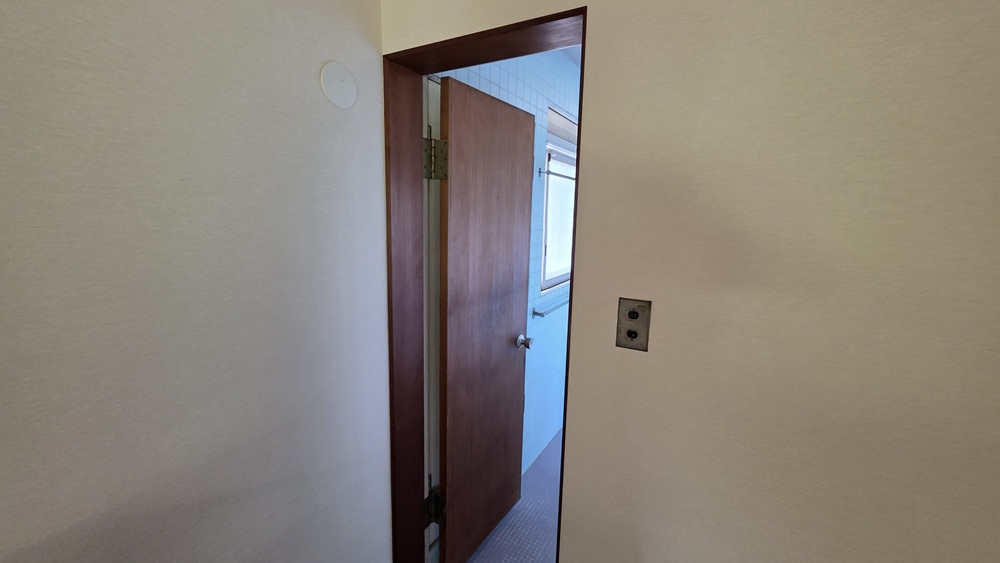
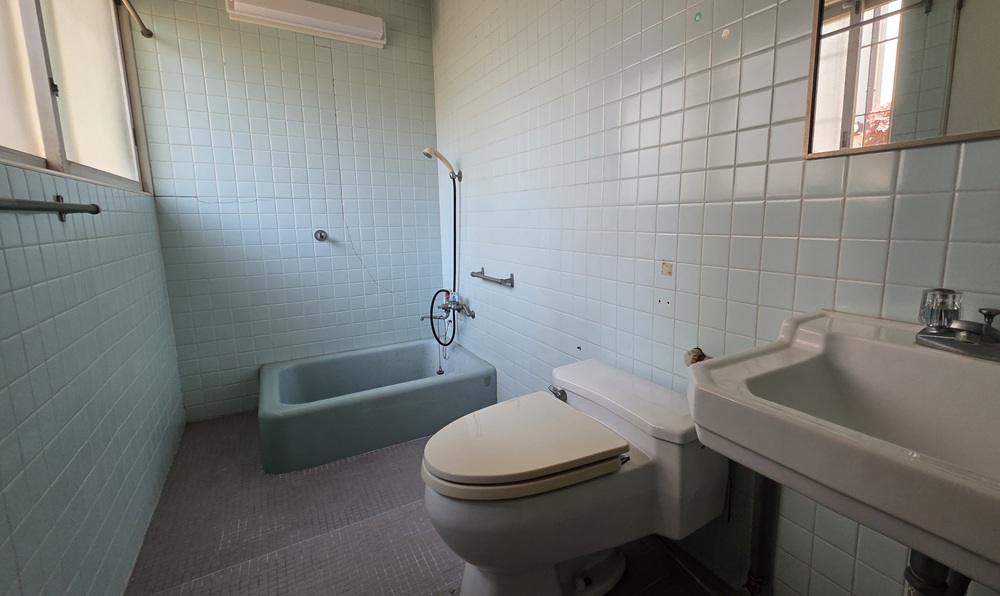
Behind the showcase area is a door leading to the bathroom and toilet—simple yet stylish spaces that reflect the taste of the era.
Garden
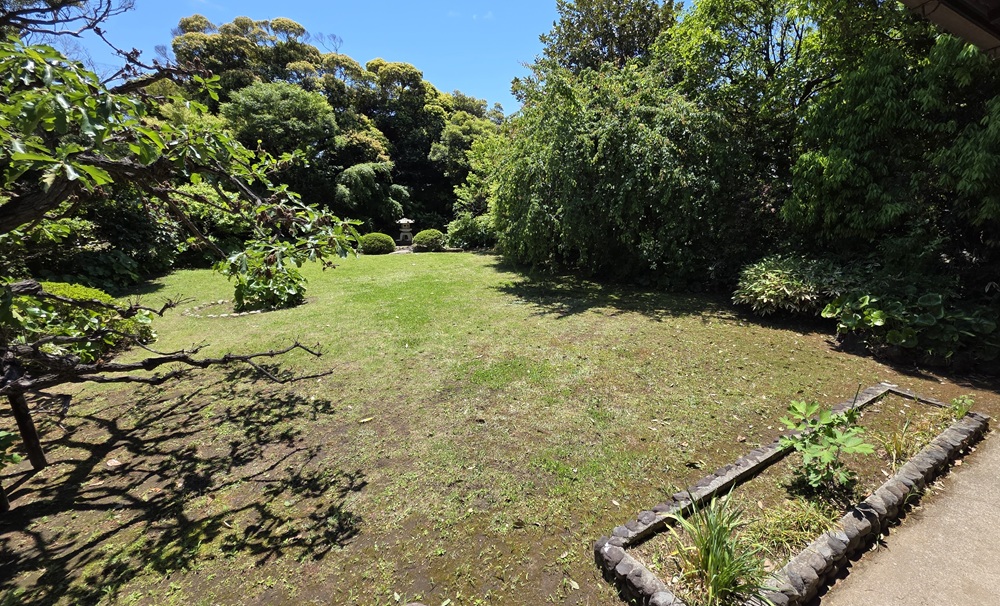
The garden makes full use of the natural valley terrain.
Stone paths lead from the gate to the entrance, and a well and stone lantern remain on the grounds.
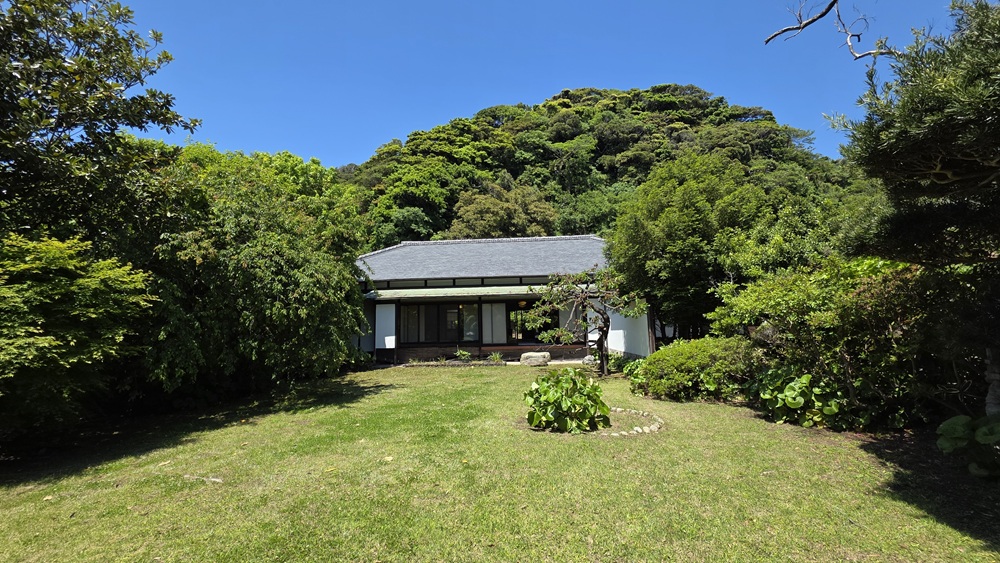
Views from each room
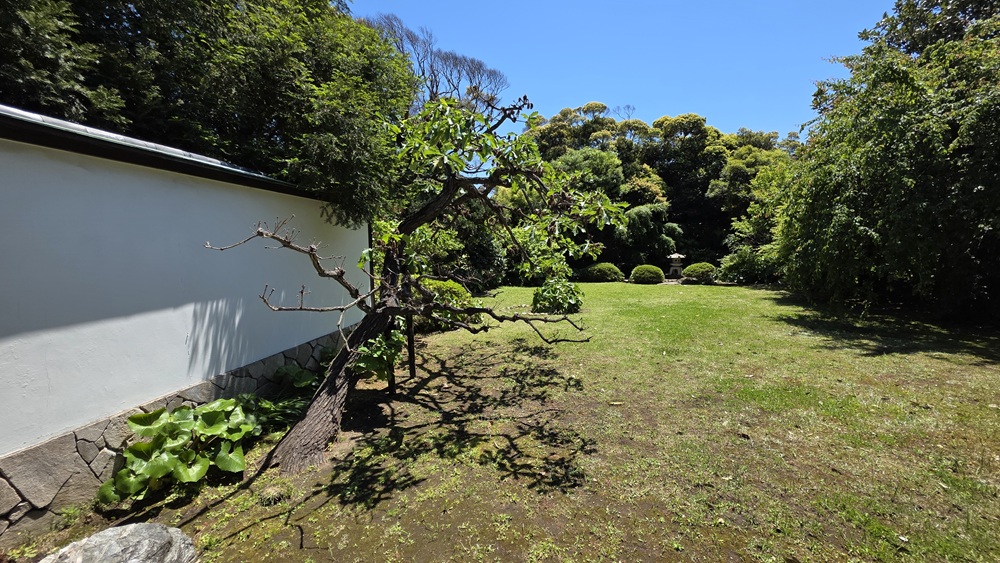
Two short videos show the walk
A small room marked “?” on the floor plan is actually a book storage room, though it is not open to the public.
Cultural Significance
In 2017, the residence (main house, gate, and wall) was registered as a National Tangible Cultural Property.
If you miss the May opening, June is a wonderful time to visit—especially with Kamakura’s hydrangeas in bloom.
Hase-dera Temple is nearby, and you can easily combine both visits.
If time allows, the Great Buddha (Kōtoku-in) is also within walking distance.
For hydrangea lovers, see my related article:
“Zuisen-ki at Kenchō-ji & Hydrangea Walks in Kamakura”
👉 建長寺の瑞賢忌と鎌倉のアジサイ散歩
And for cherry blossom season:
“Where to See Cherry Blossoms in Kamakura (2026)”
👉 2026年|鎌倉の桜はどこで見る?エリア別の名所とおすすめ散策コースを写真付きで紹介
春を見逃した人は秋の一般公開(事前の申し込みは不要です)で!
Autumn Opening Schedule (2026)
The Autumn 2026 public opening (no reservation required) is held on:
① October 1 – October 3
② November 1 – November 3
③ All Saturdays and Sundays in October & November
Hours: 10:00–16:00 (Last admission 15:45)
Admission: Free
Access
1-3-6 Hase, Kamakura City

By Enoden Railway:
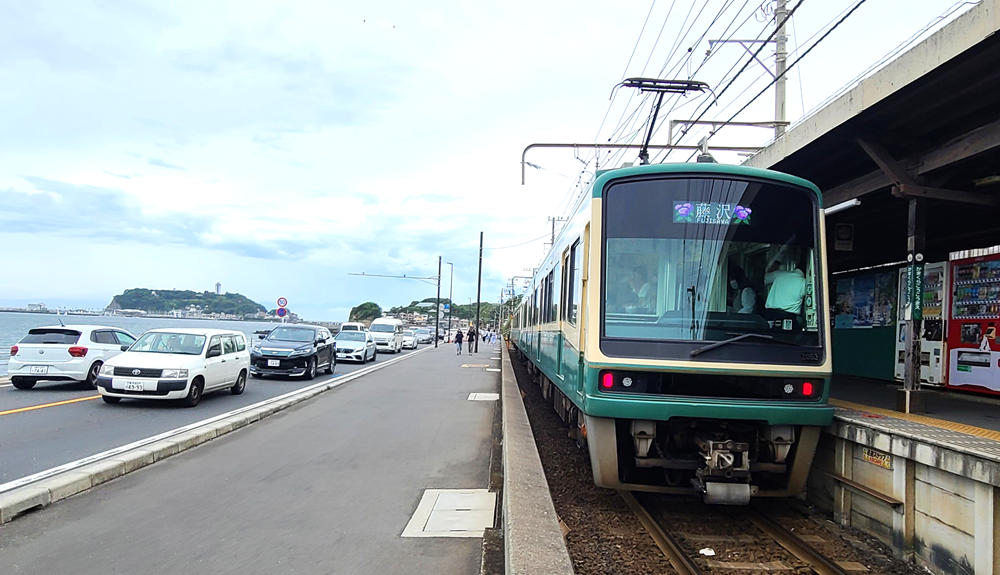
7 minutes on foot from Yuigahama Station (525 m)
10 minutes on foot from Hase Station (825 m)
If the weather is nice, walking from Kamakura Station is also recommended : about 15 minutes (1.3 km) through quiet backstreets.
From the Memorial House :
Hase-dera Temple: approx. 12 minutes on foot
Great Buddha (Kōtoku-in): also nearby
Who Was Nobuko Yoshiya?
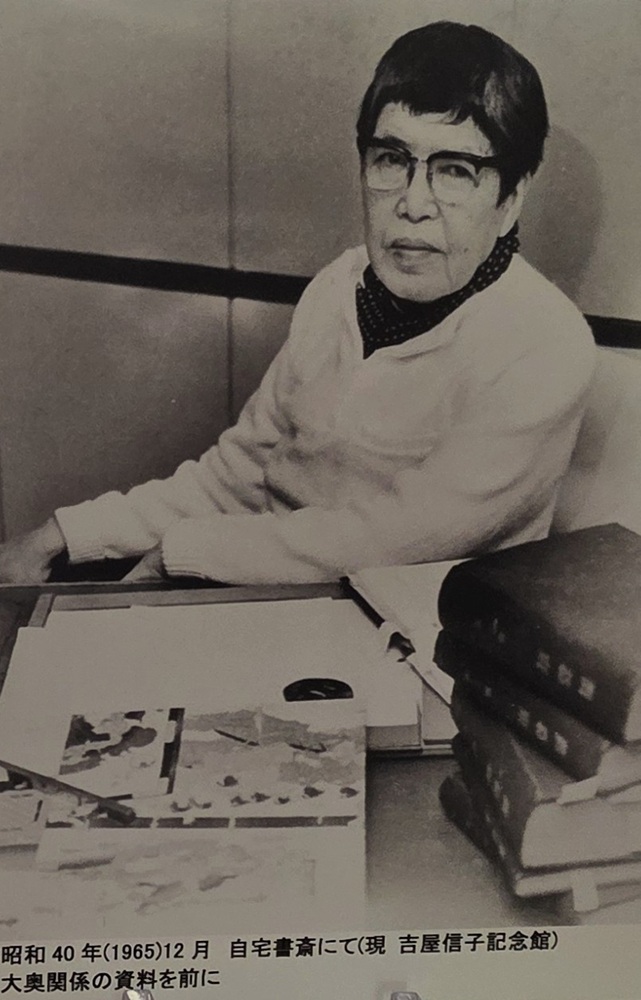
Nobuko Yoshiya (1896–1973) was a pioneering woman writer active from the Taishō to early Shōwa periods.
Her works include:
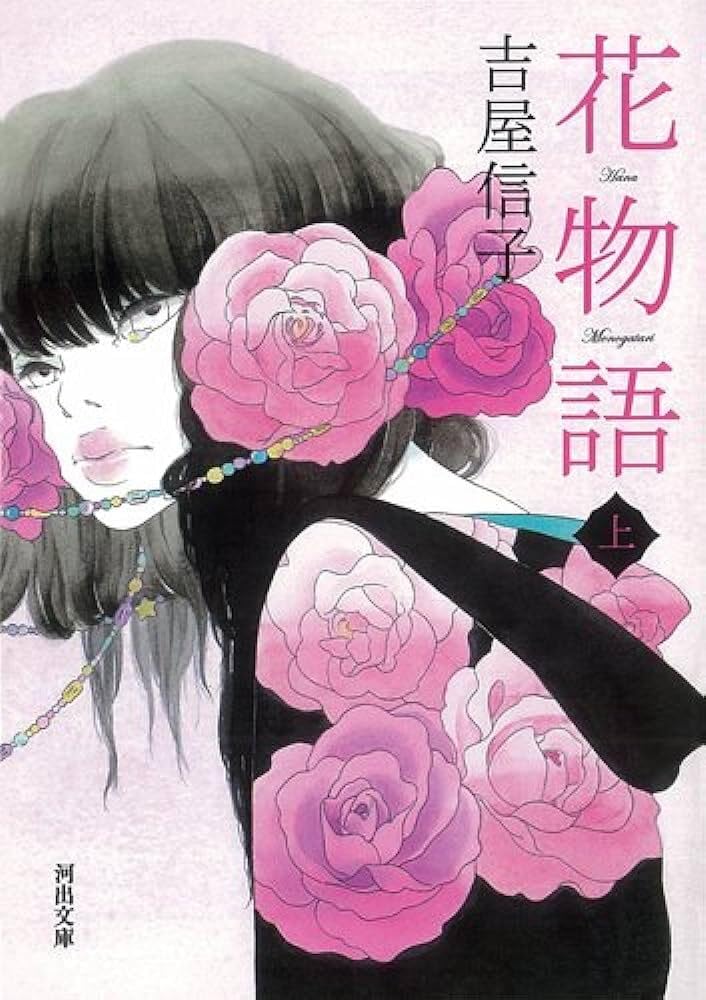
Flower Tales (a landmark of girls’ literature)
Family novels
Historical fiction
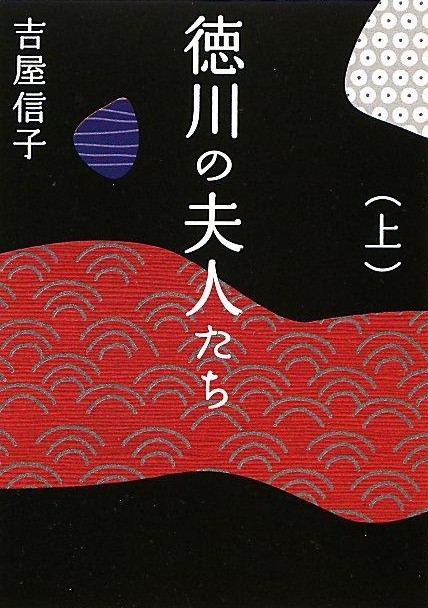
She was immensely popular among women readers.
Her writing explored:
Friendship among schoolgirls
Women’s independence
Emotional struggles within society
Although she faced criticism after the war for having served as a wartime correspondent, recent scholarship has re-evaluated her contributions, especially regarding:
Women’s solidarity (sisterhood)
Her life with her female partner, Chiyo Monma
Her influence on women’s history and culture
Yoshiya moved to Kamakura in the 1950s and lived here for about 20 years until her death.
The house was donated to the city according to her wishes and is now preserved as the Nobuko Yoshiya Memorial House.
Who Was Isoya Yoshida?
Isoya Yoshida (1894–1974) was a Tokyo-born architect known for modernizing sukiya architecture.
A graduate of the Tokyo School of Fine Arts (now Tokyo University of the Arts), he designed residences, museums, and traditional-style buildings throughout his career.
Major works include:
👉 五島美術館(東京・世田谷) Gotoh Museum (Tokyo)
👉 大和文華館(奈良) Yamato Bunkakan (Nara)
👉 日本芸術院会館(東京・上野) Japan Art Academy Hall (Ueno)
👉 歌舞伎座(1951年の復興修築) Kabuki-za (1951 reconstruction)
👉 吉屋信子邸(鎌倉) Nobuko Yoshiya Residence (Kamakura)
He received the Order of Culture (1964) and the Japan Art Academy Prize (1952).
His legacy continues through the Isoya Yoshida Prize.
Summary
The Nobuko Yoshiya Memorial House is both:
the home where a major Shōwa-era writer lived and worked, and
a beautifully preserved example of modern sukiya architecture by Isoya Yoshida.
Because it is open only during limited periods in spring and autumn, each visit feels special.
Kamakura is full of remarkable architecture, including:
Kamakura Museum of Literature
Former Kachō-no-miya Residence
Koga Residence
I’ve written blog posts about these as well—feel free to explore them.
👉 2026.4.18–19|旧華頂宮邸の内部公開が貴重!昭和初期の洋館とフランス式庭園を楽しむ2日間 (鎌倉文学館と古我邸についても書いてます)
👉 2025.11.29–30 旧山本条太郎別荘 一般公開|近代数寄屋建築と庭園の魅力を楽しむガイド
コメント